- Company Articles
- Products and Technology
- Solution
- Aluminum Pipe Clamps for Small-Scale Production: Affordable Solutions

Aluminum Pipe Clamps for Small-Scale Production: Affordable Solutions
Related Product
Aluminum Pipe Clamp
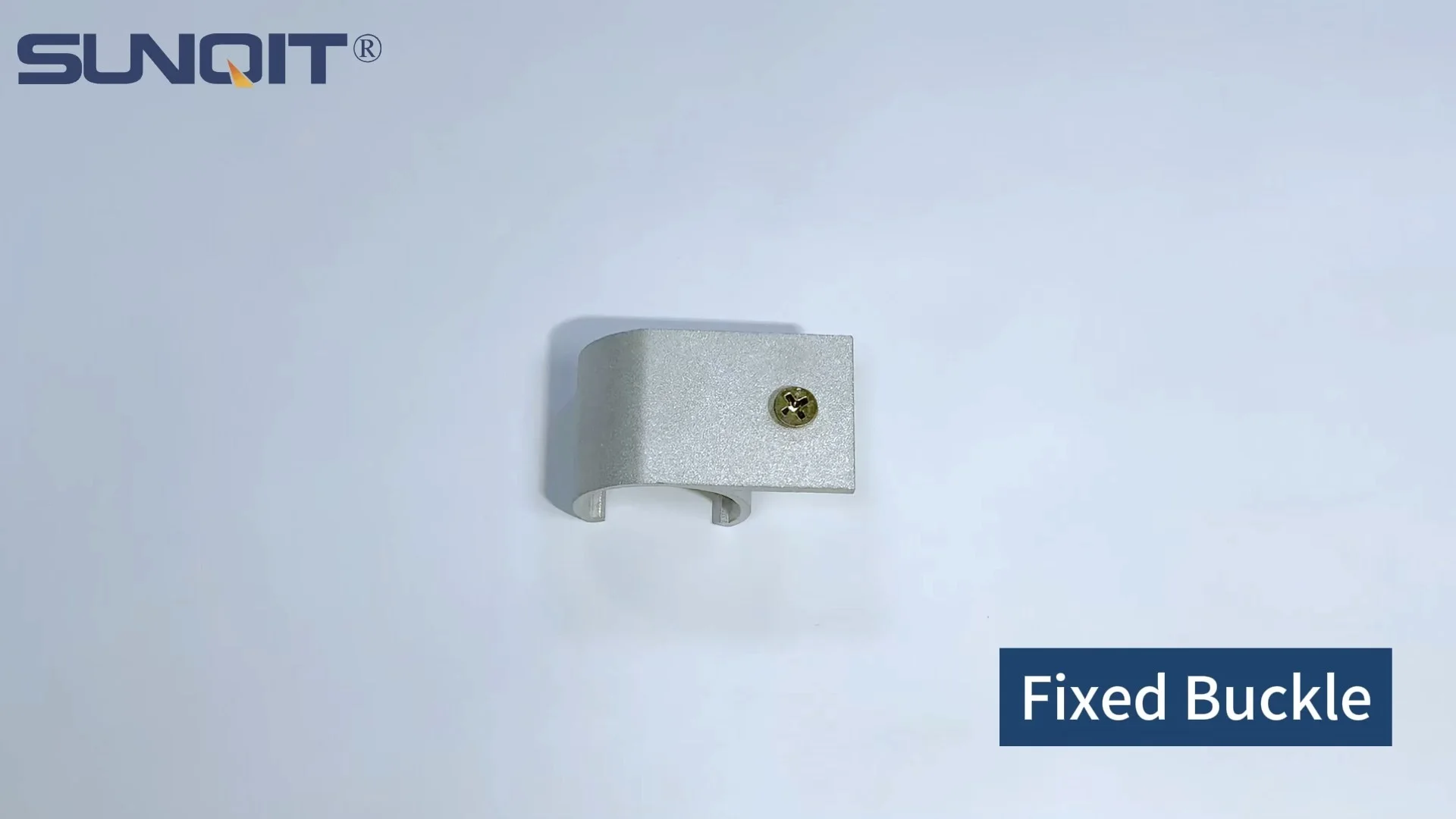
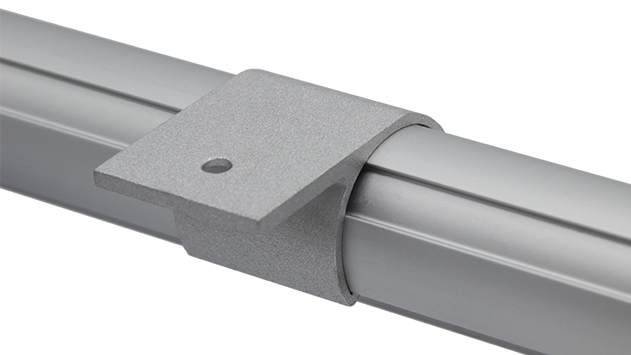
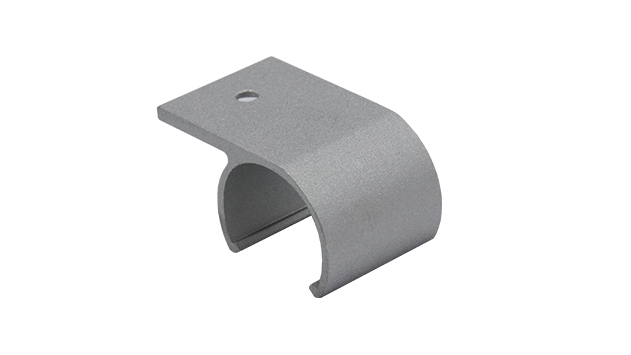
Aluminum pipe side clamp used for 28mm aluminum pipe connect with table top, or other accessories.
Running a small-scale production workshop or a startup manufacturing unit often feels like solving a puzzle with limited pieces. You need to maximize space, stay within a tight budget, and adapt quickly to changing orders—all while keeping operations efficient and reliable. Over the years, I've talked to dozens of small business owners who share the same frustrations: pre-built workbenches that are too rigid, expensive custom fixtures that eat into profits, and equipment that can't keep up when production needs shift. That's where aluminum pipe clamps come in. These unassuming little tools might not look like much at first glance, but they're quietly revolutionizing how small workshops operate. In this article, we'll dive into why aluminum pipe clamps are a game-changer for small-scale production, how they work, and how to integrate them into your workflow without breaking the bank.
What Are Aluminum Pipe Clamps, Anyway?
Let's start with the basics. Aluminum pipe clamps are simple yet ingenious devices designed to connect aluminum pipes (or aluminum profiles) together securely. Think of them as the "building blocks" of your workshop—they let you assemble, disassemble, and reconfigure structures like workbenches, material racks, and even small conveyor systems with just a few hand tools. Unlike welded metal joints or permanent fixtures, these clamps create strong, stable connections that can be adjusted or taken apart in minutes. Most are made from lightweight but durable aluminum alloy, which means they're resistant to rust, easy to handle, and won't add unnecessary weight to your structures.
What makes them different from other clamps? For one, they're specifically engineered to work with aluminum pipes and aluminum profile systems—the kind you'll find in lean manufacturing setups. They come in various shapes: 90-degree elbows for corners, T-joints for branching structures, straight connectors for extending lengths, and even swivel joints that let parts rotate. Some have quick-release levers, while others use set screws or bolts to lock pipes in place. The key is their versatility: whether you're building a simple shelf or a complex workbench with multiple levels, there's a clamp designed for that exact connection.
Why Small-Scale Producers Can't Afford to Ignore Them
If you're running a small operation, every dollar and every square foot counts. Traditional workshop setups often force you into trade-offs: buy a heavy steel workbench that costs a fortune but lasts forever, or go with a flimsy plastic one that warps after a few months. Aluminum pipe clamps flip that script by offering a middle ground that's both affordable and adaptable. Here's why they're a must for small-scale production:
1. Flexibility That Keeps Up With Your Business
Small businesses rarely stay the same for long. One month, you might be assembling small electronics; the next, you're packaging larger components. With fixed furniture, that means either cramming new tasks into old setups (inefficient) or buying new equipment (expensive). Aluminum pipe clamps let you pivot on a dime. Need a taller workbench for a new assembly process? Loosen the clamps, adjust the pipe lengths, and tighten them back up. Got a rush order that requires a temporary material rack? Grab some pipes, a handful of T-joints and clamps, and build one in an hour. When the order's done, take it apart and store the pipes for next time. It's like having a workshop that can "rearrange itself" to fit your needs—no contractors, no waiting, no wasted space.
2. Budget-Friendly Without Sacrificing Quality
Let's talk numbers. A pre-built, industrial-grade workbench can cost $500 or more. A custom metal rack? Easily $1,000+. Aluminum pipe clamps, on the other hand, let you build similar structures for a fraction of that cost. A basic workbench setup—four legs (aluminum pipes), a frame (more pipes), and a plywood or aluminum honeycomb panel top—might cost $150 to $200 in materials, including clamps. And because the clamps are reusable, you're not throwing money away when you need to change things up. I worked with a local jewelry manufacturer last year who used aluminum pipe clamps to build three different workstations (assembly, packaging, and quality control) for less than the price of one pre-made bench. Six months later, when they expanded, they just reordered a few extra pipes and clamps instead of buying all-new furniture. That's the kind of cost efficiency small businesses thrive on.
3. Lean Manufacturing Principles in Action
You've probably heard of "lean manufacturing"—the idea of minimizing waste and maximizing value. Aluminum pipe clamps are a lean system's best friend. They reduce waste in three big ways: first, by eliminating the need for overbuilt, one-purpose fixtures (why buy a shelf that only holds one size of box when you can adjust the height?); second, by cutting down on storage costs (disassembled pipes take up far less space than a stack of unused workbenches); and third, by streamlining workflows. For example, a small bakery I advised used clamps to build a rolling material rack that sits right next to their production line during busy periods, then rolls away when not needed. No more wasted steps walking to a distant storage area—just grab what you need, right where you need it. That's lean thinking made tangible, and it's accessible even to the smallest operations.
Key Features to Look for in Quality Aluminum Pipe Clamps
Not all aluminum pipe clamps are created equal. I've seen cheap knockoffs that bend under light loads or slip loose after a few uses, turning a promising project into a frustrating mess. To avoid that, here are the features you should prioritize when shopping for clamps:
- Material Thickness: Look for clamps made from 1.5mm to 2.0mm thick aluminum alloy. Thinner clamps (under 1.2mm) might save a few dollars upfront, but they'll flex under heavy tools or materials. A good rule of thumb: if the clamp feels flimsy in your hand, it probably is.
- Load Capacity: Check the manufacturer's specs for maximum load. Most standard clamps can handle 20-30kg per joint, which is plenty for small tools, parts bins, or lightweight workbenches. For heavier loads (like holding metal sheets or machinery), opt for reinforced clamps with thicker walls or steel inserts.
- Compatibility: Make sure the clamps fit the aluminum pipes or aluminum profile you're using. Most clamps are sized for 28mm, 30mm, or 40mm pipes—double-check the inner diameter of the clamp before buying. Mixing sizes is a common mistake that leads to wobbly structures.
- Ease of Adjustment: Clamps with quick-release levers or wing nuts are a godsend for small workshops. You won't need a wrench every time you want to reconfigure a setup—just twist, adjust, and tighten. Avoid clamps that require special tools; they'll slow you down when you need to make quick changes.
- Corrosion Resistance: Even if your workshop isn't damp, aluminum clamps should have a protective finish (like anodizing or powder coating) to prevent oxidation. This keeps them looking clean and ensures they'll last for years, even with regular handling.
Pro tip: Buy a small sample pack first. Most suppliers sell sets of 5-10 clamps in different styles. Build a simple test structure (like a small shelf) and see how they hold up. If they feel sturdy and adjust easily, you can order more with confidence.
Practical Uses in Small Workshops: From Workbenches to Material Racks
Now, let's get concrete. How exactly can you use aluminum pipe clamps in your day-to-day operations? Here are five common setups small producers swear by:
1. Custom Workbenches
A workbench is the heart of any workshop, but pre-made ones are rarely the right height, width, or configuration for your specific tasks. With aluminum pipe clamps, you can build a workbench that fits your body (no more hunching over!) and your tools. Start with four vertical pipes for legs, connected by horizontal pipes at the top and bottom (using 90-degree clamps). Add a plywood or aluminum honeycomb panel top, and you're done. Need a shelf for tools underneath? Add another set of horizontal pipes halfway up the legs. Want to mount a vice or a small drill press? Reinforce the top with extra cross-braces using T-joints. Best of all, if you hire a new employee who's taller or shorter, you can adjust the leg height in 10 minutes. I helped a friend build a workbench for his electronics assembly line that's now in its third year—he's reconfigured it twice as his product line expanded, and it still looks as solid as the day we built it.
2. Material Racks for Parts and Supplies
Storing raw materials, components, and finished products can quickly turn into chaos without proper organization. Aluminum pipe clamps let you build material racks that fit your space exactly. For example, if you have a narrow gap between two machines, you can build a slim rack with vertical pipes and horizontal shelves spaced to fit your bins or boxes. Use swivel joint clamps to add angled shelves for easy access to frequently used parts, or roller track (paired with roller track connector clamps) to create gravity-fed racks where parts slide down as you take the top one. One furniture maker I know used this setup for storing wooden boards—he built a rack with adjustable shelves that can expand as his inventory grows, saving him from buying expensive metal shelving units that would take up permanent floor space.
3. Turnover Trolleys for Moving Materials
Hauling parts from storage to the assembly line shouldn't require a forklift or a team of people. Aluminum pipe clamps make it easy to build lightweight turnover trolleys that can be pushed by one person. Start with a rectangular frame (using 90-degree clamps), add casters (with caster mounting clamps) to the bottom, and a flat surface on top. Need to carry bins? Add side rails using vertical pipes and T-joints to keep things from sliding off. These trolleys are so easy to build that some workshops have multiple versions: one for raw materials, one for, and one for finished goods. And when they're not in use? Disassemble them and store the pipes in a corner—no more bulky trolleys taking up space.
4. Temporary Conveyor Systems
You don't need a massive automated conveyor to move parts between workstations. For small batches, a simple gravity-fed conveyor made with aluminum pipes and roller track (connected with roller track placon mount clamps) works wonders. Mount the track at a slight angle, and parts will slide from one station to the next on their own. I visited a small bakery that uses this setup to move dough trays from the mixing area to the oven—no more bending over to carry heavy trays, and the whole system cost less than $200 to build. When they need extra space for holiday orders, they disassemble the conveyor and store it until next season.
5. Tool Holders and Organizers
Lost tools are a hidden productivity killer. With aluminum pipe clamps, you can build wall-mounted tool holders that keep everything within arm's reach. For example, use vertical pipes and T-joints to create hooks for hanging drills, wrenches, or tape measures. Add small shelves (using straight clamps) for screwdrivers, pliers, or bins of screws. One auto repair shop I worked with built a tool holder above each workbench, shaped to fit their most-used tools exactly. Mechanics no longer waste time searching for missing tools, and the shop looks cleaner and more professional—win-win.

Cost Comparison: Aluminum Pipe Clamps vs. Traditional Fixtures
Still on the fence? Let's crunch some numbers. The table below compares the cost of building a basic workbench and material rack using aluminum pipe clamps versus buying pre-made alternatives. All prices are approximate and based on U.S. suppliers as of 2025, but the trend holds worldwide.
| Setup | Aluminum Pipe Clamps (DIY) | Pre-Made Industrial Version | Key Difference |
|---|---|---|---|
| 4ft x 2ft Workbench (with shelf) | $120–$150 (pipes, clamps, panel top) | $350–$500 (fixed height, no shelf) | DIY version costs ~60% less and can be adjusted/reused |
| 3-Tier Material Rack (4ft wide) | $80–$100 (pipes, clamps, plywood shelves) | $250–$350 (fixed shelf heights) | DIY rack can be reconfigured for different bin sizes |
| Small Turnover Trolley | $60–$80 (pipes, clamps, casters, platform) | $180–$250 (fixed size, heavy steel frame) | DIY trolley is lighter and can be disassembled for storage |
| Gravity Roller Conveyor (5ft long) | $150–$180 (pipes, clamps, roller track) | $400–$600 (motorized, fixed length) | DIY conveyor is non-motorized but sufficient for small batches |
The savings add up fast. A small workshop might need 2-3 workbenches, a couple of material racks, and a trolley—using aluminum pipe clamps, that's $500–$700 total. Buying pre-made versions would cost $1,500–$2,000 or more. That's money you could reinvest in better tools, more inventory, or marketing your business.
Installation Tips: Building Like a Pro (Without the Experience)
You don't need to be a carpenter or engineer to build with aluminum pipe clamps. I've seen first-time builders create sturdy structures in an afternoon with just a few tips:
- Measure Twice, Cut Once: Aluminum pipes can be cut with a hacksaw or pipe cutter. Mark your cuts carefully—even a 1cm mistake can make a joint misalign. Use a square to ensure cuts are straight.
- Don't Overtighten: Most clamps use set screws or bolts to lock pipes in place. Tighten them until they're snug, but not so hard that you strip the threads or bend the clamp. A good test: the pipe shouldn't twist in the clamp when you wiggle it gently.
- Add Diagonal Braces for Stability: Tall structures (like material racks over 5ft high) can wobble without diagonal braces. Use 45-degree clamps to connect the top of one vertical pipe to the bottom of the next—this adds rigidity and prevents swaying.
- Use a Level: A cheap bubble level is worth its weight in gold. Check that horizontal pipes are level and vertical pipes are plumb before fully tightening clamps. Wobbly structures are often the result of uneven pipes, not weak clamps.
- Label Your Pipes: If you plan to disassemble and reassemble structures often, label pipes with numbers or tape (e.g., "Workbench Leg 1") to save time later. It might seem silly, but it prevents the frustration of figuring out which pipe goes where.
Maintenance: Keeping Your Clamps (and Structures) in Top Shape
Aluminum pipe clamps are low-maintenance, but a little care goes a long way. Here's how to keep them working smoothly:
Clean Regularly: Wipe clamps with a damp cloth to remove dust, grease, or sawdust. Built-up grime can make adjustments harder over time. For sticky set screws, apply a drop of light machine oil (like 3-in-1 oil) and work the screw back and forth a few times.
Check for Wear: Every few months, inspect clamps for cracks, bent parts, or stripped threads. If a clamp feels loose even when tight, replace it—don't risk a structure collapsing. Most clamps cost $2–$5 each, so replacing a few is a small investment for safety.
Store Properly: When disassembling structures, stack pipes and clamps in a dry area. Avoid leaving them outside or in damp basements, as even aluminum can corrode if exposed to constant moisture.
Final Thoughts: Why Aluminum Pipe Clamps Are a Small Producer's Best Friend
At the end of the day, small-scale production is all about making smart choices with limited resources. Aluminum pipe clamps aren't a "sexy" investment—they won't make your products better or your customers happier directly. But they create the foundation for a more efficient, adaptable, and profitable workshop. They let you build exactly what you need, when you need it, without tying up cash in equipment that might become obsolete next year. I've seen workshops double their output simply by reconfiguring their layout with these clamps, freeing up space and reducing wasted movement. I've seen startup owners sleep better knowing they can scale up or down without being locked into expensive leases or equipment loans.
If you're ready to take the plunge, start small. Build one workbench or one material rack. See how it feels to have a setup that works for you, not against you. Chances are, you'll wonder how you ever managed without it. And when you do, you'll join the growing community of small producers who've discovered the secret to affordable, flexible production: aluminum pipe clamps.
So go ahead—grab a handful of clamps, some aluminum pipes, and start building. Your workshop (and your bottom line) will thank you.