- Company Articles
- Products and Technology
- Product knowledge
- Aluminum Pipe Clamps for Turnover Carts: Stability & Durability

Aluminum Pipe Clamps for Turnover Carts: Stability & Durability
Related Product
Aluminum Pipe Clamp
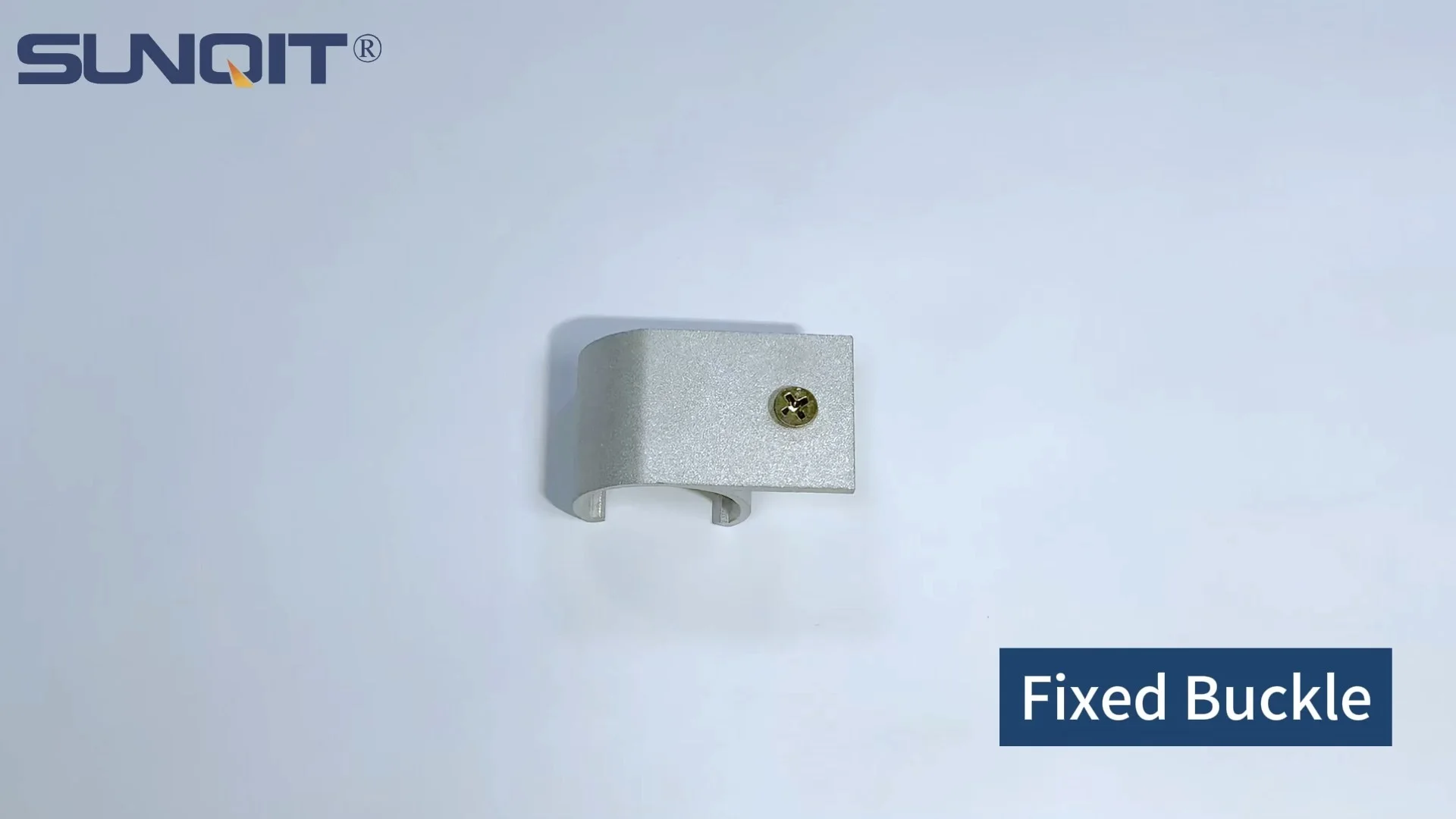
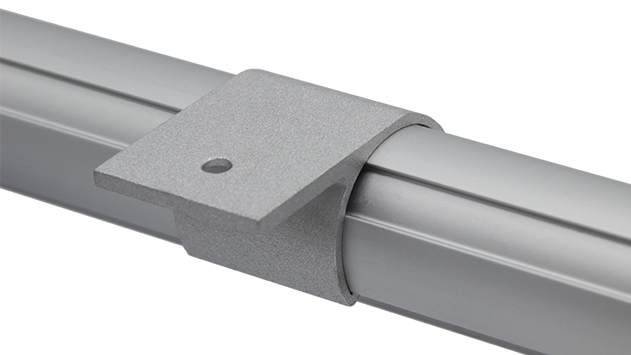
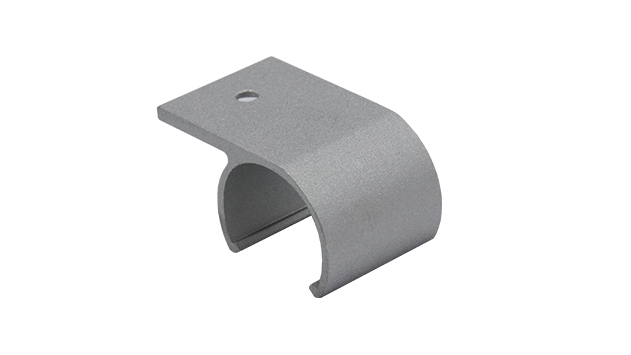
Aluminum pipe side clamp used for 28mm aluminum pipe connect with table top, or other accessories.
Walk into any busy warehouse, factory floor, or distribution center, and you'll likely spot them: turnover trolleys gliding between workstations, loaded with parts, tools, or finished goods. These unassuming carts are the backbone of daily operations, quietly keeping workflows moving, teams productive, and deadlines on track. But what happens when one of these carts starts to wobble? When a loose joint causes a load to shift, or a clamp gives way mid-transport? Suddenly, that "quiet backbone" becomes a source of frustration—delays, damaged inventory, even safety risks. The culprit? Often, it's the small, overlooked components holding the cart together. Today, we're shining a light on one such component that deserves far more credit than it gets: the aluminum pipe clamp.
What Are Turnover Trolleys and Why Do They Matter?
Let's start with the basics. Turnover trolleys—sometimes called material handling carts or transport racks—are exactly what they sound like: wheeled platforms designed to move materials from point A to point B. They come in all shapes and sizes: some have shelves for stacking boxes, others have flat surfaces for bulky items, and a few even feature specialized racks for tools or fragile components. You'll find them in automotive plants, electronics factories, retail backrooms, and even hospitals, ferrying everything from circuit boards to medical supplies.
Their role might seem simple, but turnover trolleys are critical to efficiency. Think about it: without them, workers would spend hours carrying items by hand, slowing down assembly lines and increasing the risk of strain injuries. A well-designed trolley cuts transport time, reduces physical labor, and ensures materials arrive where they're needed, when they're needed. But here's the catch: none of that works if the trolley itself isn't reliable. A wobbly cart isn't just annoying—it's a liability. Loose parts can lead to spills, damaged goods, or even accidents. And every minute spent fixing a broken cart is a minute lost to productivity. That's where stability and durability come in—and that's where aluminum pipe clamps step up.
The Role of Aluminum Pipe Clamps: More Than Just a "Clip"
At first glance, an aluminum pipe clamp might look like a simple piece of hardware—a metal bracket with a few screws, maybe a hinge or a locking mechanism. But don't let its simplicity fool you. These clamps are the unsung heroes that hold a turnover trolley's frame together. They connect aluminum pipes (or profiles) at joints, secure shelves to the main structure, and even anchor accessories like caster wheels. In short, they're the glue that keeps the cart rigid, stable, and ready to handle whatever you throw at it.
Why aluminum, though? Steel clamps are strong, sure, but they're heavy—adding unnecessary weight to the cart and making it harder to push. Plastic clamps are lightweight, but they lack the strength to withstand repeated use, especially in industrial settings where carts might carry hundreds of pounds. Aluminum, on the other hand, strikes the perfect balance: it's lightweight (so carts remain easy to maneuver), naturally resistant to rust and corrosion (ideal for humid warehouses or outdoor use), and surprisingly strong (thanks to modern extrusion techniques that its structural integrity). When you combine that with a well-designed clamp, you get a component that doesn't just "hold on"—it
locks in
stability.
Stability First: How Aluminum Pipe Clamps Keep Carts Steady
Let's talk about stability—the first big benefit of aluminum pipe clamps. Imagine pushing a loaded trolley down a slightly uneven floor. Without proper clamping, the frame might flex, causing the cart to sway. A shelf might tilt, or a pipe joint might creak and shift. With aluminum pipe clamps, though, that flex is minimized. These clamps are engineered to create tight, secure connections between pipes and profiles. Many feature precision-machined grooves or teeth that bite into the aluminum, preventing slippage even under heavy loads. Some even have locking mechanisms—like bolts or cam levers—that let you tighten the clamp to the exact tension needed, ensuring a snug fit that won't loosen over time.
Take, for example, the parallel fixation aluminum pipe joint—a common type of clamp used to connect two parallel pipes on a trolley's frame. By gripping both pipes at once, it distributes weight evenly across the structure, reducing stress on individual joints. This is especially important for carts that carry uneven loads (like a shelf with heavier items on one side). Without a strong parallel clamp, the frame might bend, leading to instability. But with aluminum's rigidity and the clamp's secure grip, the cart stays level, even when the load isn't perfectly balanced.
And let's not forget about caster wheels—the part of the cart that actually touches the ground. Caster wheels are only as reliable as the frame they're attached to. If the pipes holding the caster mount are loose, the wheels might wobble, making the cart hard to steer or even causing it to tip. Aluminum pipe clamps secure the caster mount to the frame, ensuring the wheels stay aligned and the cart moves smoothly, whether you're navigating tight corners or straight aisles. It's a small detail, but it makes a world of difference in how the cart handles.
Durability That Stands the Test of Time
Stability is about keeping the cart steady
now
; durability is about keeping it steady
for years
. In busy workplaces, turnover trolleys take a beating: they're pushed, pulled, loaded, unloaded, and sometimes even accidentally bumped into walls or other equipment. Over time, this wear and tear can take a toll on cheaper materials. Plastic clamps might crack under repeated stress; steel clamps might rust if exposed to moisture or chemicals. Aluminum pipe clamps, though, are built to last.
Aluminum's natural resistance to corrosion is a game-changer. Unlike steel, it doesn't rust when exposed to water, oil, or cleaning chemicals—common in factories and warehouses. This means even if a cart gets splashed with coolant or left out in the rain (we've all seen that one cart forgotten near a loading dock), the clamps won't degrade. Many aluminum clamps are also anodized—a process that adds a protective layer to the surface, making them even more resistant to scratches and wear.
Then there's the material itself. Most aluminum pipe clamps are made from high-grade aluminum alloy, like 6061-T6, which is known for its strength-to-weight ratio. This alloy is heat-treated to make it harder and more durable, so it can withstand the constant stress of daily use without bending or breaking. Compare that to a cheap plastic clamp, which might start to warp after a few months of heavy loads, or a low-quality steel clamp that bends when you tighten it too much. Aluminum clamps don't just "work"—they work
consistently
, year after year.

Aluminum Pipe Clamps vs. the Competition: Why Aluminum Wins
You might be thinking, "Okay, aluminum is good, but are there other options?" Let's break it down. Steel clamps are strong, but they're heavy. A trolley with steel clamps might be sturdier, but it's also harder to push, which defeats the purpose of having a mobile cart. Plus, steel rusts—unless you spend extra on stainless steel, which drives up costs. Plastic clamps are lightweight and cheap, but they're not built for heavy loads or harsh environments. Leave a plastic clamp in a hot warehouse, and it might soften; expose it to cold, and it might become brittle. Neither is ideal for a tool that's supposed to be reliable.
Aluminum, though, checks all the boxes: lightweight enough to keep the cart maneuverable, strong enough to handle heavy loads, and durable enough to resist corrosion and wear. It's also compatible with aluminum profiles—the modular pipes and beams used to build many modern turnover trolleys. Aluminum profile accessories, like brackets and connectors, are designed to work seamlessly with aluminum clamps, creating a system where every part fits together perfectly. This compatibility reduces the risk of mismatched components (a common cause of loose joints) and makes it easy to repair or modify the cart later if needed.
A Closer Look: Types of Aluminum Pipe Clamps and Their Uses
| Clamp Type | Design Feature | Load Capacity (Approx.) | Best For |
|---|---|---|---|
| 90° Aluminum Crossing Joint | Connects two perpendicular pipes at a right angle | Up to 500 lbs per joint | Cart corners, shelf supports, vertical/horizontal frame connections |
| Parallel Fixation Aluminum Pipe Joint | Grips two parallel pipes to distribute weight evenly | Up to 800 lbs per joint | Long horizontal beams, caster wheel mounts, heavy-duty shelf frames |
| 45° Reinforce Aluminum Pipe Joint | Angled design with extra reinforcement for diagonal bracing | Up to 600 lbs per joint | Stabilizing diagonal bars on large carts, uneven load support |
| Aluminum Pipe Clamp with Cam Lever | Quick-release cam lever for easy tightening/loosening | Up to 300 lbs per joint | Modular carts that need frequent reconfiguration (e.g., adjustable shelves) |
As you can see, there's no one-size-fits-all aluminum pipe clamp. The right type depends on the cart's design, the loads it carries, and how often it's used. For example, a small trolley used to carry light tools might only need basic 90° clamps, while a heavy-duty cart transporting engine parts would benefit from parallel fixation joints for extra strength. The key is to match the clamp to the job—and when in doubt, opt for a clamp with a higher load capacity than you think you'll need. It's better to have extra strength than to risk a failure.
Maintenance Tips to Maximize Your Clamps' Lifespan
Even the best aluminum pipe clamps need a little care to stay in top shape. Luckily, maintaining them is easy—no fancy tools or expensive products required. Here are a few simple tips:
1. Inspect regularly.
Take a minute every week to check your clamps for signs of wear: loose bolts, cracks in the aluminum, or corrosion (though aluminum resists rust, it can still get dirty or pitted if exposed to harsh chemicals). Tighten any loose bolts with a wrench—just don't over-tighten, as this can strip the threads.
2. Keep them clean.
Wipe down clamps with a damp cloth to remove dirt, grease, or debris. If they're really grimy, use a mild soap and water—avoid harsh solvents, which can damage the aluminum's finish. A clean clamp is less likely to seize up or wear unevenly.
3. replace when needed.
Even the most durable clamps won't last forever. If you notice a clamp is bent, cracked, or no longer tightens properly, replace it right away. Waiting can lead to bigger problems (like a cart failure) down the line. And since aluminum clamps are relatively affordable, it's a small investment to avoid costly downtime.
Choosing the Right Supplier: Why Quality Matters
Not all aluminum pipe clamps are created equal. Just because a clamp is made of aluminum doesn't mean it's well-made. Cheaply manufactured clamps might use thin aluminum or poorly machined parts, which can fail under stress. That's why choosing a reputable supplier is so important. Look for suppliers who specialize in aluminum profile accessories and can provide details about the materials they use (like the aluminum alloy grade) and any testing they've done (like load capacity or corrosion resistance). A good supplier will also offer warranties or guarantees, giving you peace of mind that your clamps are built to last.
And don't be afraid to ask questions. For example: "What's the load rating on this parallel clamp?" or "Is this clamp compatible with standard 2020 aluminum profiles?" A supplier who knows their products will be happy to help you find the right clamp for your needs. After all, their goal is to keep your carts (and your business) running smoothly—just like the clamps themselves.
Conclusion: Invest in Stability, Reap the Rewards
Turnover trolleys might not be the most glamorous part of your operation, but they're essential to keeping things moving. And aluminum pipe clamps are the unsung heroes that make those trolleys reliable, safe, and efficient. By choosing aluminum, you're getting a material that's lightweight, strong, and corrosion-resistant—perfect for the demands of daily use. By choosing well-designed clamps, you're ensuring stability (no more wobbly carts) and durability (no more frequent replacements).
So the next time you see a turnover trolley gliding across the warehouse floor, take a second to appreciate the small components holding it together. The aluminum pipe clamps might not get the spotlight, but they're working hard to keep your team productive, your inventory safe, and your operations on track. And in the end, that's what really matters—because a stable cart isn't just a tool. It's a foundation for success.