- Company Articles
- Products and Technology
- Product knowledge
- Aluminum Pipe Clamps: How to Achieve Perfect Alignment in Production

Aluminum Pipe Clamps: How to Achieve Perfect Alignment in Production
Related Product
Aluminum Pipe Clamp
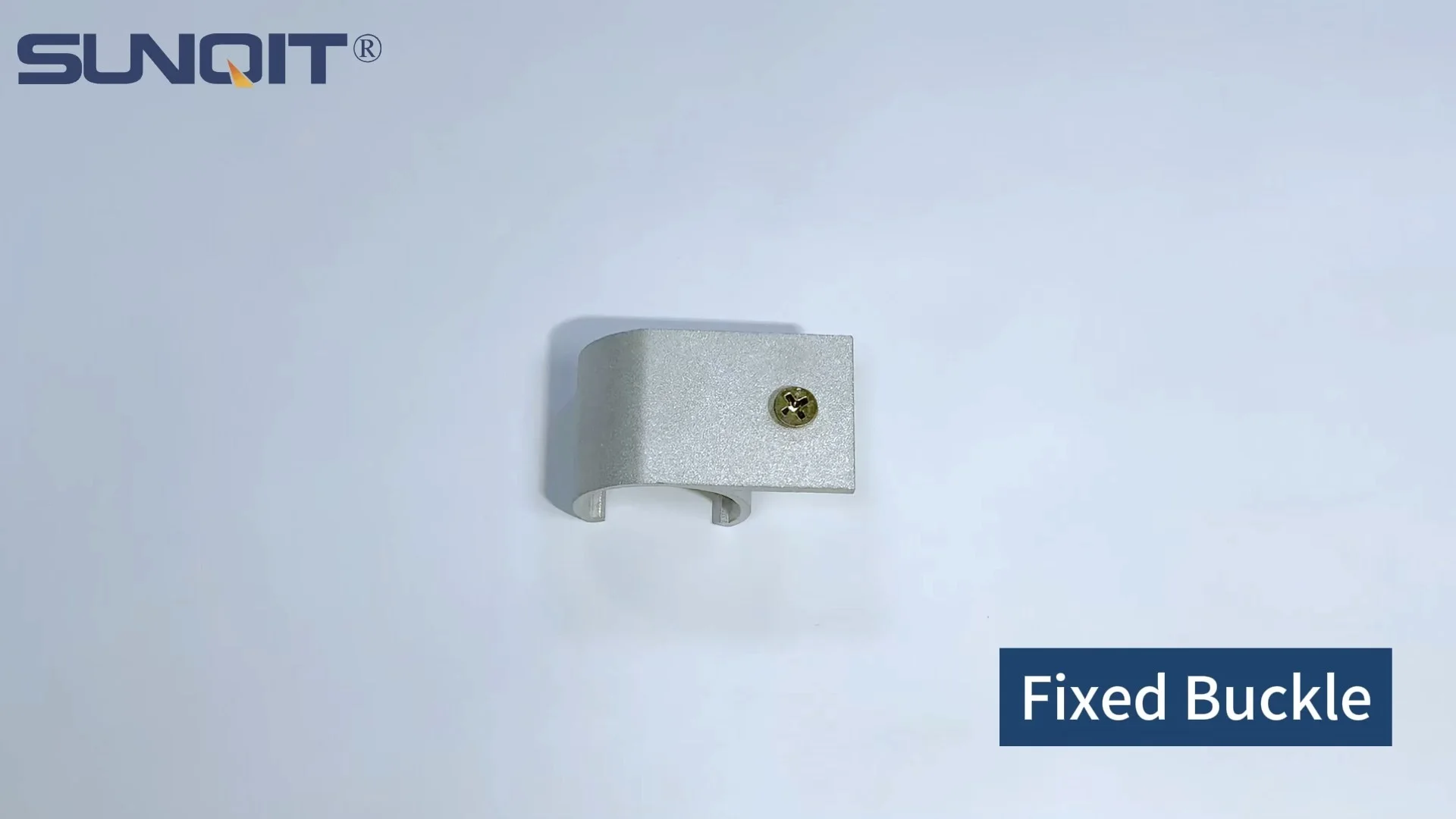
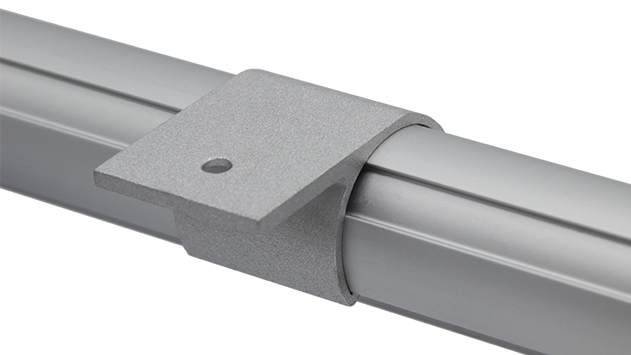
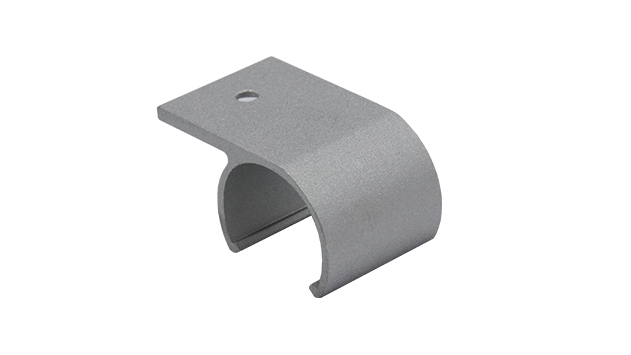
Aluminum pipe side clamp used for 28mm aluminum pipe connect with table top, or other accessories.
Walk into any busy production facility, and you'll notice a common thread: the hum of machinery, the rhythm of workers assembling products, and the steady flow of materials from one station to the next. But behind that seamless operation lies a critical, often overlooked detail: alignment. Every conveyor belt, workbench, and roller track relies on precise alignment to function efficiently. When parts are askew, even by a few millimeters, the ripple effects can be costly—delays, defects, and frustrated teams. That's where aluminum pipe clamps come in. These unassuming tools are the unsung heroes of production line precision, turning wobbly workbenches and jamming roller tracks into models of efficiency. Let's dive into how they work, why they matter, and how you can use them to achieve that elusive "perfect alignment" in your facility.
What Are Aluminum Pipe Clamps, and Why Do They Stand Out?
At first glance, aluminum pipe clamps might seem like simple hardware—just metal pieces designed to hold pipes together. But their role in modern production is far more nuanced. These clamps are engineered to connect, secure, and align aluminum pipes, profiles, and components in modular systems. Think of them as the "glue" that holds lean manufacturing setups together, from workbenches where workers assemble circuit boards to roller tracks that shuttle packages across the factory floor.
What makes aluminum pipe clamps special? For starters, aluminum itself is a game-changer. Unlike steel clamps, which are heavy and prone to rust, aluminum is lightweight, corrosion-resistant, and surprisingly strong. This combination makes it ideal for production environments where equipment needs to be reconfigured quickly (a hallmark of lean systems) without sacrificing durability. And unlike plastic clamps, which can warp under heat or heavy loads, aluminum maintains its shape and grip, even in demanding conditions.
But the real magic is in their design. Most aluminum pipe clamps feature T-slot compatibility, meaning they can slide into the grooves of aluminum profiles to create secure, adjustable connections. Whether you're attaching a shelf to a workbench or aligning a roller track with a conveyor, these clamps let you fine-tune positions with precision. No more wrestling with bolts that won't line up or settling for "close enough"—aluminum pipe clamps turn "almost right" into "exactly right."
The Hidden Cost of Misalignment: Why "Good Enough" Isn't Enough
Misalignment is like a small leak in a dam—ignoring it might seem manageable at first, but over time, it can flood your operations with problems. Let's break down the real-world impact:
- Wasted Time: Imagine a roller track that's slightly tilted. A box gets stuck, and a worker has to stop what they're doing to free it. Multiply that by 10 jams a day, and suddenly you're losing hours of productivity. One electronics manufacturer we worked with reported losing 12 hours a week to roller track jams—all because the tracks weren't aligned properly. After installing aluminum pipe clamps to realign the system, those jams dropped to zero.
- Damaged Products: On an assembly line, misalignment can mean parts don't fit together correctly. A workbench that's not level might cause a circuit board to sit unevenly, leading to soldering errors. Or a conveyor belt that's off-kilter could scratch delicate components as they move. The result? Scrap rates climb, and customer returns follow.
- Safety Risks: A wobbly workbench isn't just annoying—it's dangerous. If tools slide off or materials topple, workers could get injured. Similarly, a misaligned roller track with protruding edges becomes a tripping hazard. OSHA reports that 25% of workplace injuries involve slips, trips, or falls—many of which stem from poor equipment alignment.
- Premature Wear and Tear: When parts are misaligned, machinery has to work harder. Roller bearings wear out faster, conveyor belts stretch unevenly, and motors burn out sooner. A food packaging plant we consulted was replacing conveyor rollers every 3 months due to misalignment. After using aluminum pipe clamps to align the tracks, roller life extended to 9 months—cutting replacement costs by two-thirds.
The bottom line? Misalignment isn't a "minor annoyance"—it's a silent budget drain. And aluminum pipe clamps are the simplest, most cost-effective way to plug that drain.
Key Features of Aluminum Pipe Clamps That Make Alignment Easy
Not all clamps are created equal. What sets aluminum pipe clamps apart is their ability to turn "alignment headaches" into "set-it-and-forget-it" solutions. Here are the features that make them indispensable:
1. Adjustability: Fine-Tuning at Your Fingertips
The best aluminum pipe clamps aren't "one-size-fits-all"—they're designed to adapt. Many feature slotted holes or swivel joints that let you tweak angles and positions with a hex key. For example, if a roller track needs to slope slightly to guide materials downward, you can loosen the clamp, adjust the angle, and retighten. No drilling new holes or replacing parts—just a quick turn of the wrench.
2. Compatibility with Aluminum Profiles
Aluminum profiles are the backbone of modern modular production systems. These extruded metal beams have T-slots running along their length, allowing you to attach shelves, tools, and other components. Aluminum pipe clamps are engineered to slide into these slots, creating a secure connection that won't slip. Whether you're using 2020, 3030, or 4040 profiles (common sizes in manufacturing), there's a clamp designed to fit perfectly. This compatibility means you can mix and match components without worrying about alignment issues.
3. Lightweight but Strong
Aluminum's strength-to-weight ratio is a game-changer. A typical aluminum pipe clamp weighs less than half of its steel counterpart, making it easy for workers to handle during installation or reconfiguration. But don't let the light weight fool you—these clamps can withstand surprising loads. Many heavy-duty models support up to 500 pounds, enough to secure even the sturdiest workbenches or material racks.
4. Corrosion Resistance
Production environments aren't always clean. Factories with high humidity, chemical exposure, or frequent washdowns (like food or pharmaceutical plants) need equipment that can stand up to moisture. Aluminum pipe clamps resist rust and corrosion, so they won't degrade over time. Unlike steel clamps, which require regular painting or coating, aluminum clamps stay looking and working like new for years.
Step-by-Step: Using Aluminum Pipe Clamps for Flawless Alignment
Achieving perfect alignment with aluminum pipe clamps isn't rocket science, but it does require attention to detail. Follow these steps to get it right the first time:
Step 1: Plan Your Layout (and Measure Twice)
Before you start tightening clamps, map out your system. Whether you're building a workbench or aligning a roller track, sketch the layout and note key measurements: the height of the workbench, the slope of the roller track, the distance between supports. Use a laser level or string line to mark where each component should go. Remember: alignment starts with a clear plan. Rushing this step is the biggest mistake we see—taking 10 extra minutes to measure now can save hours of rework later.
Step 2: Prep Your Components
Even the best clamps can't fix damaged parts. Inspect your aluminum pipes and profiles for burrs, dents, or bent sections—these can throw off alignment. Use a file to smooth rough edges, and replace any components that are warped beyond repair. Then, clean the T-slots in your profiles with a brush or compressed air to remove dust and debris. A clean slot ensures the clamp will slide smoothly and grip tightly.
Step 3: Position the Clamps (and Check for Level)
Slide the aluminum pipe clamps into the T-slots of your profiles, positioning them where you need connections. For a workbench, this might mean clamps at the corners to secure the legs, or along the edges to attach a shelf. For a roller track, you'll need clamps to hold the track to the support frame. Once the clamps are in place, use a spirit level to check if the component is level (for horizontal surfaces) or plumb (for vertical ones). If it's off, loosen the clamp bolts slightly, adjust the position, and check again. Repeat until the bubble is centered.
Step 4: Tighten the Clamps (But Don't Overdo It)
Once everything is aligned, tighten the clamp bolts with a hex key. The goal is to secure the connection without stripping the threads or warping the aluminum. A good rule of thumb: tighten until you feel resistance, then give the key a quarter-turn more. If you're using clamps with locknuts, add them after tightening to prevent loosening from vibration.
Step 5: Test the Alignment (and Make Final Tweaks)
Alignment isn't just about looking level—it's about function. Test the system by running materials through it. For a roller track, place a box or part on the track and see if it moves smoothly without jamming. For a workbench, set a level object on top and check if it stays put. If you notice issues (e.g., the box veers to one side, the level slides), loosen the clamps and adjust. It might take a few tries, but patience pays off.
Step 6: Document the Setup (for Future Reference)
Once everything is aligned, take photos and jot down measurements (e.g., "Clamp at 12 inches from left end, tightened to 20 Nm torque"). This documentation will be invaluable if you need to reconfigure the system later or train new team members. Trust us—you'll forget those details six months from now!

Common Alignment Headaches (and How Clamps Fix Them)
Even with careful planning, alignment issues can pop up. Here are the most common problems we see, and how aluminum pipe clamps solve them:
Problem: Roller Tracks That "Drift" Over Time
The Issue: You align your roller track perfectly, but after a week, it starts to sag in the middle or veer to one side. This is usually due to clamps that loosen from vibration or uneven weight distribution.
The Fix: Use aluminum pipe clamps with locknuts or "vibration-resistant" designs. These clamps have built-in mechanisms (like nylon washers or serrated jaws) that grip tighter as vibration increases. For extra support, add center brackets with clamps to prevent sagging in long tracks.
Problem: Workbenches That Wobble
The Issue: A workbench might look level, but when you lean on it, it rocks back and forth. This is often caused by uneven leg length or clamps that aren't securing the legs tightly enough.
The Fix: Use adjustable aluminum pipe clamps for the legs. These clamps let you extend or shorten the legs by turning a bolt, ensuring all four corners touch the ground evenly. Then, add diagonal bracing with clamps to stiffen the frame—this prevents sideways wobbling.
Problem: Conveyor Belts That Rub Against Frames
The Issue: A conveyor belt that's misaligned will rub against the side frames, wearing down both the belt and the frame. This is common when the conveyor's support brackets aren't aligned parallel to each other.
The Fix: Use aluminum pipe clamps to secure the conveyor brackets to the support frame. By aligning the brackets with a laser level before tightening the clamps, you ensure the belt runs straight. Add guide rails with clamps on either side of the belt to keep it centered during operation.
Choosing the Right Aluminum Pipe Clamps for Your Needs
With so many aluminum pipe clamps on the market, how do you pick the right ones? Start by asking these questions:
What's the Load Capacity?
Consider the weight of the materials or equipment the clamps will support. A workbench holding heavy tools needs heavy-duty clamps (300+ pounds), while a lightweight roller track might only need standard clamps (100–200 pounds). Check the manufacturer's specs—don't guess!
What's the Environment Like?
If your facility is humid, wet, or chemical-heavy, opt for clamps with anodized aluminum finishes (anodizing adds a protective layer against corrosion). For cleanrooms or food production, look for clamps with smooth surfaces that are easy to sanitize.
Do You Need Fixed or Adjustable Clamps?
Fixed clamps are great for static setups (e.g., a permanent workbench). Adjustable clamps (swivel, sliding, or angle-adjustable) are better for systems that need to change (e.g., a roller track that sometimes slopes left, sometimes right). The table below breaks down common clamp types and their best uses:
| Clamp Type | Key Features | Ideal Application | Load Capacity (Approx.) |
|---|---|---|---|
| Fixed T-Slot Clamp | Slides into T-slot, tightens with bolt; no angle adjustment | Static workbenches, vertical supports | 100–300 lbs |
| Swivel Clamp | 360° rotation; adjusts to any angle | Angled roller tracks, sloped conveyors | 150–250 lbs |
| Heavy-Duty Parallel Clamp | Secures two parallel pipes/profiles; reinforced jaws | Wide workbenches, double-deck material racks | 300–500 lbs |
| Quick-Release Clamp | Lever or cam action; no tools needed for adjustments | Frequently reconfigured setups (lean system cells) | 50–150 lbs |
Are They Compatible with Your Aluminum Profiles?
Not all clamps fit all profiles. T-slot sizes vary (e.g., 2020 profiles have 20mm slots, 4040 have 40mm slots), so check that the clamp's bolt size and slot width match your profiles. Most manufacturers list compatible profile sizes, so double-check before buying.
Maintenance: Keeping Your Clamps (and Alignment) in Top Shape
Aluminum pipe clamps are low-maintenance, but they're not "set-it-and-forget-it." A little care goes a long way toward keeping your alignment sharp:
- Inspect Monthly: Walk through your production line and check clamps for looseness, cracks, or corrosion. Tighten any bolts that have come loose (vibration is the biggest culprit). If you see cracks or stripped threads, replace the clamp immediately—compromised clamps can't hold alignment.
- Clean Regularly: Wipe clamps with a damp cloth to remove dust, grease, or debris. For sticky clamps (e.g., in oily environments), use a mild detergent and a soft brush to clean the T-slot connection. Avoid harsh chemicals, which can damage the aluminum finish.
- Lubricate Moving Parts: If you're using swivel or adjustable clamps, apply a small amount of silicone lubricant to the joints every 3–6 months. This keeps them moving smoothly and prevents rust.
- Retighten After Heavy Use: If a workbench or roller track sees extra-heavy loads (e.g., during a busy season), retighten the clamps afterward. Heavy use can shift components slightly, even if they felt secure before.
From Chaos to Order: Real-World Wins with Aluminum Pipe Clamps
Still not convinced that aluminum pipe clamps are worth the investment? Let's look at how they've transformed real production lines:
Case Study 1: Automotive Parts Manufacturer Cuts Downtime by 40%
A mid-sized automotive parts plant was struggling with a roller track system that jammed multiple times per shift. Parts would get stuck, requiring workers to stop, clear the jam, and restart—costing an estimated 2 hours of production daily. The root cause? Misaligned tracks held together with old steel clamps that had rusted and loosened. The plant replaced the steel clamps with aluminum T-slot clamps, realigning the tracks in the process. Within a week, jams dropped to zero, and the plant regained 10 hours of production per week. "We used to joke that the roller track had a mind of its own," said the plant manager. "Now it's so reliable, we barely think about it."
Case Study 2: Electronics Assembler Improves Product Quality by 15%
An electronics company was seeing high defect rates on its circuit board assembly line. Inspectors found that many defects stemmed from uneven workbenches—components weren't sitting flat, leading to soldering errors. The company installed aluminum adjustable clamps on the workbenches, allowing workers to level the surfaces precisely. Within a month, defect rates dropped by 15%, and rework time fell by 20 hours per week. "Our team used to spend so much time fixing mistakes," said the production supervisor. "Now they can focus on building quality products from the start."
Final Thoughts: Alignment as a Foundation for Lean Success
In the world of lean manufacturing, every detail matters. Aluminum pipe clamps might not be the flashiest tools in your facility, but they're foundational to creating the efficient, flexible, and safe environment lean systems demand. By ensuring perfect alignment, they eliminate waste (downtime, defects), empower workers (no more fighting with wobbly equipment), and set the stage for continuous improvement.
So, take a walk through your production line today. Look for signs of misalignment—a conveyor that creaks, a workbench that rocks, a roller track that jams. Then ask: What would change if that alignment was perfect? Faster production? Happier teams? Fewer defects? With aluminum pipe clamps, that "perfect" isn't just a goal—it's achievable. And the best part? It doesn't require a complete overhaul. Start small: align one workbench, one roller track. See the difference for yourself. Before long, you'll wonder how you ever worked without them.