- Company Articles
- Products and Technology
- Application Cases
- Aluminum Pipe Clamps in Automotive Industry: Applications & Uses

Aluminum Pipe Clamps in Automotive Industry: Applications & Uses
Related Product
Aluminum Pipe Clamp
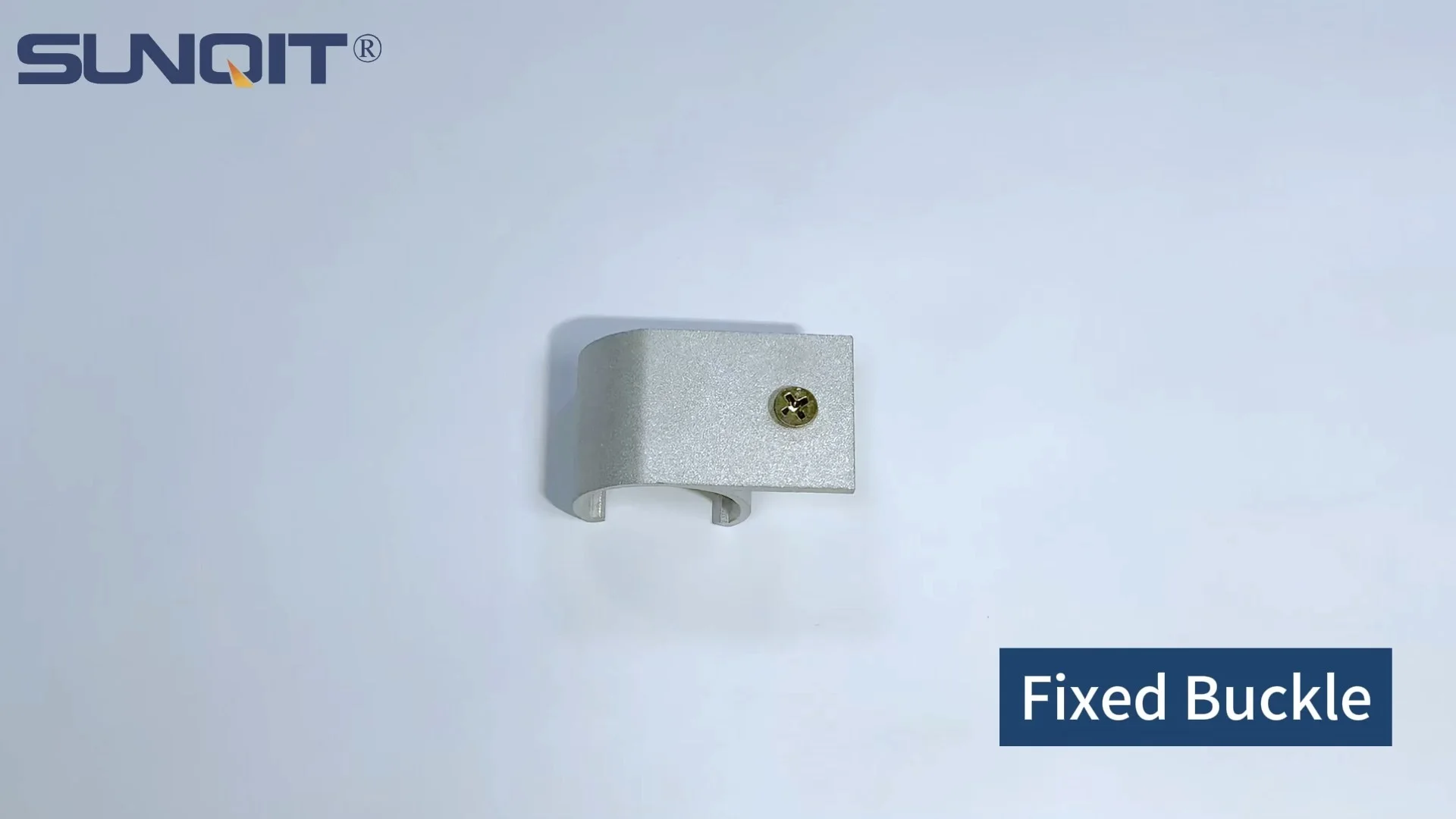
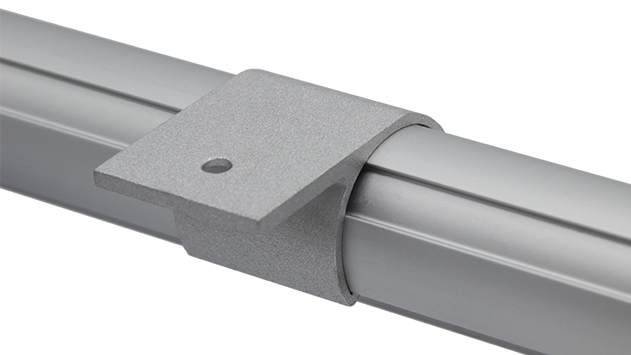
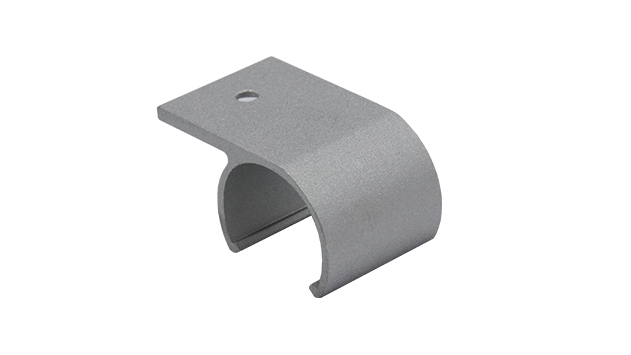
Aluminum pipe side clamp used for 28mm aluminum pipe connect with table top, or other accessories.
In the fast-paced world of automotive manufacturing, where every second counts and precision is non-negotiable, the smallest components often play the biggest roles. Today, we're shining a light on one such unsung hero: the aluminum pipe clamp. More than just a tool to hold pipes together, these clamps are the backbone of flexible, efficient, and lean production systems. Let's dive into how they're reshaping assembly lines, workbenches, and material flow—one connection at a time.
What Are Aluminum Pipe Clamps, Anyway?
At first glance, an aluminum pipe clamp might seem simple: a small, lightweight connector designed to join aluminum pipes or profiles. But scratch the surface, and you'll find a marvel of engineering tailored for the unique demands of automotive plants. Made from high-grade aluminum alloys, these clamps are corrosion-resistant, easy to install, and built to withstand the daily grind of a busy factory—think constant vibrations, occasional impacts, and exposure to coolants or lubricants.
Unlike rigid steel clamps that require welding or complex tools, aluminum pipe clamps use a clever combination of bolts, levers, or snap-on mechanisms to create secure, adjustable joints. This means a line worker can reconfigure a workstation in minutes, not hours, by simply loosening a clamp, repositioning a pipe, and tightening it back up. It's this flexibility that makes them a cornerstone of modern lean system principles—where adaptability and waste reduction are key.
Why Aluminum? The Material That Makes a Difference
Automotive factories are tough environments. Heavy loads, repetitive motion, and strict safety standards mean materials can't just "get the job done"—they need to do it reliably, day in and day out. Aluminum checks all these boxes, and then some.
First, there's the weight advantage. Aluminum is roughly one-third the weight of steel, which might not sound like much until you multiply it by hundreds of clamps across a factory floor. Lighter structures mean easier reconfiguration (no need for forklifts to move a simple workbench!), less strain on workers, and even lower energy costs for conveyor systems. Imagine a team of assemblers needing to shift a material rack to accommodate a new car model—with aluminum clamps, they can do it by hand, no heavy machinery required.
Then there's durability. Aluminum naturally resists rust and corrosion, a critical feature in areas where oils, water, or cleaning agents are part of daily operations. Unlike steel, which can degrade over time and compromise structural integrity, aluminum clamps maintain their grip and strength for years, reducing replacement costs and downtime.
And let's not forget sustainability. As automakers race to meet net-zero goals, aluminum's recyclability is a game-changer. Old clamps can be melted down and repurposed, cutting down on waste and aligning with the industry's push for greener practices. It's a small choice with a big impact on the planet.
Aluminum Pipe Clamps & Lean Systems: A Match Made in the Factory
Lean manufacturing isn't just a buzzword—it's a mindset centered on eliminating waste, streamlining processes, and empowering workers to adapt quickly. Aluminum pipe clamps embody this philosophy in every way. Here's how:
Take, for example, a typical automotive assembly line. One day, the line is building sedans; the next, it's switching to SUVs with larger components. In a rigid system, retooling could take days. But with aluminum pipe clamps, workers can disassemble and rebuild workbenches, material racks, and even conveyor rails in hours. Need to raise a workbench by six inches to accommodate taller parts? Loosen a few clamps, adjust the aluminum profiles, and you're back in business. No welding, no waiting for maintenance—just quick, efficient change.
Waste reduction is another area where these clamps shine. Traditional steel structures are often overbuilt, adding unnecessary weight and cost. Aluminum pipe clamps, paired with lightweight aluminum profiles , let manufacturers design exactly what they need—no more, no less. A material rack that only needs to hold 50-pound parts doesn't require heavy steel; aluminum clamps and pipes do the job just as well, using fewer resources.
Perhaps most importantly, lean systems thrive on worker input. When employees can tweak their own workstations to fit their needs—adjusting the height of a tool rack, angling a conveyor for easier access—they feel more ownership and satisfaction. Aluminum pipe clamps make this possible. A line worker once told me, "Before, if my bench was too low, I'd have to ask for a new one and wait weeks. Now, I can fix it myself in 10 minutes. It makes me feel like my voice matters." That's the power of lean: small, worker-driven changes that add up to big improvements in productivity.
Real-World Applications: Where Clamps Drive Results
Enough theory—let's get practical. Where exactly are aluminum pipe clamps making a difference on the factory floor? Let's break down their top applications in automotive manufacturing:
1. Assembly Line Workbenches: Customization at Your Fingertips
Every automotive assembly task is unique. A worker installing dashboard wiring needs a different setup than someone attaching door hinges. Aluminum pipe clamps let factories build modular workbenches that adapt to each job. For example, a bench for electronics assembly might have ESD (electrostatic discharge) protection, with aluminum clamps securing anti-static mats and grounding straps. When the task changes, the clamps allow quick removal of these features, turning the same bench into a station for mechanical work.
Ergonomics are also key here. A worker spending eight hours a day at a bench needs it to fit their body to avoid strain. With adjustable aluminum pipe clamps, managers can tailor each workstation to individual heights and preferences, reducing injuries and boosting morale. It's a small detail, but it makes a world of difference to someone on their feet all day.
2. Material Handling: From Racks to Trolleys, Secure and Flexible
Automotive plants move millions of parts daily—from tiny screws to heavy engine blocks. Aluminum pipe clamps are the glue that holds material handling systems together. Take turnover trolleys: these wheeled carts need to be lightweight for easy pushing but strong enough to carry heavy loads. By using aluminum clamps to connect pipes and rails, manufacturers create trolleys that are both durable and maneuverable. Even better, if a trolley gets damaged, replacing a single clamped section is far cheaper than buying a whole new cart.
Flow racks, which use gravity to feed parts to assembly lines, are another area where clamps excel. The angle of the rack determines how quickly parts roll down—too steep, and parts might jam; too flat, and they move too slowly. Aluminum pipe clamps let workers (fine-tune) the angle by adjusting the height of the aluminum rails, ensuring a steady, reliable flow. It's a simple fix that keeps the line moving and prevents costly bottlenecks.
3. Conveyor Systems: Keeping Parts Moving Smoothly
Conveyors are the arteries of automotive plants, carrying parts from one station to the next. But with so many different part sizes and shapes, one-size-fits-all conveyors just don't cut it. Aluminum pipe clamps solve this by allowing modular conveyor design. Need a section with wider rails for larger components? Clamp on extra aluminum profiles. Want to add a curve to navigate around a machine? Use swivel clamps to angle the rails. It's like building with Legos, but for industrial machinery.
Maintenance is another perk. If a conveyor rail gets bent or a roller fails, workers can use clamps to remove the damaged section and replace it in minutes. No need to shut down the entire line—just fix the problem area and keep moving. In a factory where downtime costs thousands of dollars per minute, this flexibility is invaluable.
4. ESD Workstations: Protecting Sensitive Electronics
Modern cars are packed with electronics—from infotainment systems to safety sensors. These components are (extremely vulnerable) to electrostatic discharge, which can fry circuits in an instant. ESD workstations, designed to dissipate static electricity, rely on aluminum pipe clamps to maintain a continuous grounding path. The clamps ensure that aluminum profiles, work surfaces, and tool holders are all electrically connected, safely channeling static away from sensitive parts.
What's more, ESD requirements can vary between components. A workstation handling circuit boards might need stricter grounding than one for plastic trim. Aluminum pipe clamps make it easy to swap out ESD mats or add grounding straps as needed, ensuring compliance without overcomplicating the setup.

Choosing the Right Aluminum Pipe Clamp: A Quick Guide
Not all aluminum pipe clamps are created equal. With so many options on the market, how do you pick the right one for your automotive application? Here's a breakdown of key types and their best uses, in a table that's easy to reference the next time you're restocking your factory floor:
| Clamp Type | Design Feature | Load Capacity | Best For | Key Benefit |
|---|---|---|---|---|
| Fixed Aluminum Joint Clamp | Rigid, non-adjustable connection | Up to 200 lbs per joint | Stable structures like workbench frames | Maximum stability for heavy loads |
| Swivel Aluminum Clamp | 360° rotating joint | Up to 150 lbs per joint | Adjustable racks or angled conveyor rails | Easy angle adjustments without disassembly |
| Parallel Aluminum Clamp | Connects two parallel pipes | Up to 180 lbs per joint | Material racks with multiple horizontal levels | Creates uniform spacing between pipes |
| Quick-Release Aluminum Clamp | Lever or snap-on mechanism | Up to 100 lbs per joint | Frequently reconfigured workstations | Tool-free adjustments in seconds |
When choosing a clamp, start by asking: What's the maximum weight the structure will hold? How often will it need to be reconfigured? Is corrosion resistance a priority? For most automotive applications, a mix of fixed and swivel clamps works best—stability where you need it, flexibility where you don't. And don't forget to pair clamps with compatible aluminum profiles; mismatched sizes can weaken the connection and compromise safety.
The Future of Automotive Manufacturing: More Than Just Clamps
As automotive manufacturing evolves—with electric vehicles, autonomous systems, and AI-driven production—aluminum pipe clamps are evolving too. Today's clamps are being designed with smarter features: quick-release levers that reduce setup time even further, integrated sensors that alert maintenance when a clamp is loose, and even color-coded systems to help workers identify which clamps go with which profiles.
But perhaps the biggest trend is the move toward fully modular factories. Imagine a plant where entire production lines can be disassembled, rearranged, and reassembled in days, all using aluminum pipe clamps and profiles. It's not science fiction—it's already happening. One major automaker recently reported cutting retooling time by 70% after switching to aluminum clamp-based systems, allowing them to launch new models faster than ever before.
At the end of the day, though, the real magic of aluminum pipe clamps isn't in the technology—it's in the people who use them. The line worker who can finally adjust their workstation to avoid back pain. The supervisor who can keep the line running during a last-minute part change. The engineer who designs a more efficient system without overspending. These clamps don't just hold pipes together—they hold the future of automotive manufacturing together.
Final Thoughts: Small Parts, Big Impact
Aluminum pipe clamps may not get the same attention as robots or 3D printers, but they're just as vital to the future of automotive manufacturing. They're a reminder that innovation often happens in the details—in the tools that make daily work easier, safer, and more efficient. Whether you're building a workbench, a conveyor, or an entire lean system, these clamps are the quiet partners helping you get the job done.
So the next time you walk through an automotive plant, take a closer look at those aluminum structures. The clamps holding them together might be small, but their impact? Nothing short of enormous.