- Company Articles
- Products and Technology
- Product knowledge
- Aluminum Pipe Clamps in Automotive Repair Stations: Practical Uses

Aluminum Pipe Clamps in Automotive Repair Stations: Practical Uses
Related Product
Aluminum Pipe Clamp
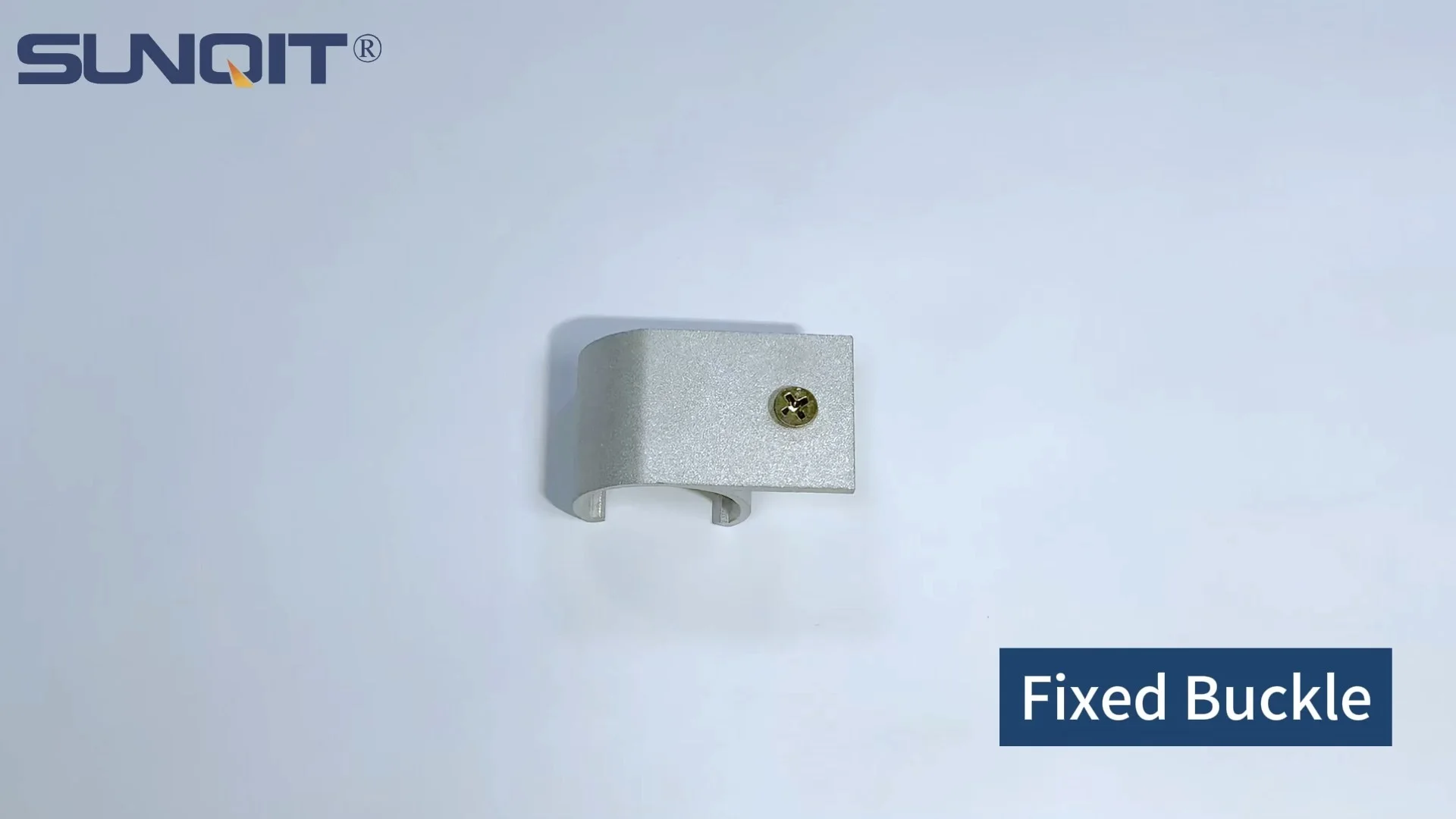
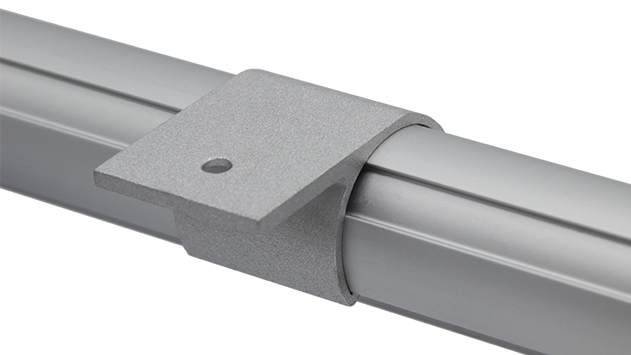
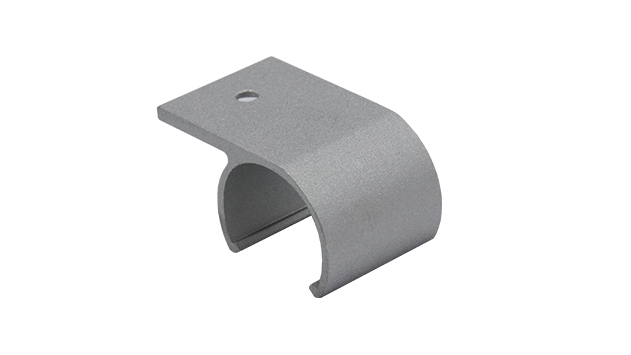
Aluminum pipe side clamp used for 28mm aluminum pipe connect with table top, or other accessories.
Walk into any busy automotive repair station, and you'll likely be greeted by a symphony of clanging tools, the hum of diagnostic machines, and the faint smell of motor oil. Beneath the organized chaos, though, lies a critical truth: efficiency here depends on more than just skilled mechanics. It relies on the infrastructure that holds everything together—from the workbenches where parts are disassembled to the racks that keep tools within arm's reach. In this world of wrenches, oil pans, and precision engineering, one unassuming component often flies under the radar: the aluminum pipe clamp. These simple yet versatile tools, part of a broader family of aluminum pipe accessories, are the unsung heroes that transform basic aluminum pipes into the backbone of a functional repair shop. Let's dive into why they matter, how they work, and the practical ways they keep automotive repair stations running smoothly.
What Are Aluminum Pipe Clamps, Anyway?
At their core, aluminum pipe clamps are the connectors that turn lengths of aluminum pipe into something useful. Think of them as the "glue" (but far more durable) that holds together modular structures in a repair shop. Made primarily from lightweight, corrosion-resistant aluminum, these clamps are designed to secure pipes at specific angles, lengths, or configurations—whether you're building a straight line, a 90-degree corner, or a complex multi-pipe junction. They come in various styles: fixed clamps that lock pipes in place, swivel clamps that allow for rotation, and adjustable clamps that can be loosened or tightened to tweak a structure's shape. Unlike heavy steel clamps or flimsy plastic alternatives, aluminum pipe clamps strike a balance between strength and flexibility, making them ideal for the dynamic needs of automotive repair.
But why aluminum? In a shop where spills, humidity, and chemical exposure are daily realities, aluminum's natural resistance to rust and corrosion is a game-changer. Unlike steel, which can degrade over time when exposed to motor oil, brake fluid, or degreasers, aluminum holds up—meaning the structures you build with these clamps won't weaken or fail prematurely. Add in aluminum's inherent lightness, and you've got a tool that's easy to handle, transport, and reconfigure—no need for a team of mechanics to move a heavy workbench when a single person can adjust it with minimal effort.
Why Aluminum Pipe Clamps Belong in Automotive Repair Stations
Automotive repair isn't a one-size-fits-all job. One day, you might be servicing a compact car with tight engine compartments; the next, a bulky SUV that requires a taller work surface. This variability demands infrastructure that can adapt—and aluminum pipe clamps deliver that adaptability in spades. Let's break down their key advantages:
- Lightweight but Sturdy: Aluminum pipes are significantly lighter than steel, and when paired with aluminum clamps, the result is a structure that's easy to move (hello, caster wheels!) but strong enough to support heavy tools, engine parts, or even a mechanic's weight when needed.
- Customizable on the Fly: Unlike fixed metal shelving or pre-built workbenches, aluminum pipe clamps let you design structures that fit your shop's unique layout. Need a taller workbench for a truck? Loosen the clamps, adjust the pipe height, and re-tighten. Running out of tool storage? Add a few extra pipes and clamps to extend a rack upward. It's modularity at its finest.
- Cost-Effective: Repair shops operate on tight margins, and replacing worn-out equipment every few years isn't an option. Aluminum pipe clamps are durable, but they're also affordable—especially compared to custom-built steel furniture. Plus, since they're modular, you can reuse clamps and pipes when you redesign your shop, reducing waste and long-term costs.
Practical Uses: How Aluminum Pipe Clamps Power Repair Shop Operations
Now that we understand what aluminum pipe clamps are and why they're useful, let's get into the nitty-gritty: how exactly do mechanics and shop owners use them daily? From workbenches to tool carts, these clamps are the backbone of several essential setups.
1. Building Custom Workbenches: The Heart of the Shop
A workbench is where the magic happens in a repair shop. It's where engines are disassembled, brakes are adjusted, and small parts are sorted. But not all workbenches are created equal. A one-size-fits-all bench might be too short for a tall mechanic or too narrow to spread out a transmission. This is where aluminum pipe clamps shine. By connecting aluminum pipes with clamps, shops can build workbenches tailored to their needs—whether that's a low-profile bench for under-car work or a wide, sturdy surface for engine overhauls.
Take, for example, a common scenario: a shop needs a workbench that can hold a 50-pound engine block without wobbling, but also needs to be adjustable to accommodate mechanics of different heights. Using aluminum pipes (say, 2-inch diameter for stability) and fixed 90-degree clamps, they can construct a frame with adjustable legs. By adding a plywood or metal top, they've got a bench that's both strong and customizable. And because the clamps are easy to loosen, the legs can be shortened or lengthened as needed—no need to buy a brand-new bench every time the team changes.
Even better, these workbenches can integrate with other shop tools. Want to add a shelf underneath for storing oil pans or rags? Simply attach a few more pipes and clamps to create a lower tier. Need to roll the bench closer to a vehicle? Add caster wheels to the base (secured, of course, with clamps) for easy mobility. It's this flexibility that makes aluminum pipe clamp-built workbenches a staple in modern repair stations.
2. Organizing Tool Storage Racks: No More Lost Wrenches
Any mechanic will tell you: time spent searching for a missing tool is time wasted. In a busy shop, where every minute counts, disorganized tools can derail a repair job. This is where aluminum pipe clamps and aluminum pipes team up to create custom tool storage racks. Unlike generic wall-mounted racks that limit you to fixed shelf heights, these modular setups can be designed to fit every tool—from tiny screwdrivers to bulky impact wrenches.
Imagine a vertical rack built with aluminum pipes and swivel clamps. By spacing pipes 12 inches apart (secured with fixed clamps at the top and bottom), you can add hooks, bins, or pegboards at varying heights. Need a spot for your torque wrenches? Add a horizontal pipe halfway up, held in place with 90-degree clamps, and hang them there. Running low on space for socket sets? Extend the rack outward with a few extra pipes and clamps to create a side shelf. The beauty is that as your tool collection grows, the rack can grow with it—no need to tear down and rebuild; just add more pipes and clamps.
And because aluminum is lightweight, these racks aren't limited to walls. Mount them on a base with caster wheels, and you've got a mobile tool cart that can be rolled directly to the vehicle you're working on. No more trekking back and forth to the toolbox—just wheel the rack over, grab what you need, and get back to work. It's a small change that adds up to big time savings over a day.
3. Creating Temporary Vehicle Support Structures: Safety First
Working under a car is risky business. Even with a hydraulic lift, mechanics sometimes need extra support to hold parts in place—like a transmission that's halfway out or a suspension component that needs steadying. This is where aluminum pipe clamps prove their mettle as safety tools. By building temporary braces or supports with pipes and clamps, shops can create stable, reliable structures that keep both mechanics and vehicles safe.
For example, when removing a heavy engine, a mechanic might use two aluminum pipes (reinforced with cross-bracing via clamps) to create a "cradle" that holds the engine while it's being lifted out. The clamps ensure the pipes stay locked in position, preventing shifting or collapse. Similarly, when working on a car's undercarriage, a simple A-frame built with aluminum pipes and adjustable clamps can provide extra stability, reducing the risk of the vehicle tipping or the lift failing. Because aluminum is strong but not overly heavy, these supports are easy to set up and take down—unlike bulky steel frames that require multiple people to move.
4. Assembling Mobile Parts Carts: Keeping Supplies at Hand
In a repair shop, time is money—and nothing eats up time like hunting for a specific part in a back storeroom. Mobile parts carts, built with aluminum pipes and clamps, solve this problem by bringing the parts directly to the job. These carts are essentially rolling shelves, constructed with a lightweight aluminum frame (thanks to those clamps!) and fitted with caster wheels for easy movement.
A typical parts cart might have three tiers: the bottom for heavy items like oil jugs, the middle for filters and gaskets, and the top for small parts like screws or washers. Using fixed clamps to secure the vertical pipes and horizontal shelves, the cart is both sturdy and customizable. Need to add a drawer for small tools? Attach it to the frame with a few extra clamps. Want to label sections for different vehicles? Clip-on dividers (held in place with adjustable clamps) make organization a breeze. And when the cart isn't in use? It can be folded or disassembled (by loosening the clamps) to save space—a huge plus in cramped shops.
Comparing Common Aluminum Pipe Clamp Types for Repair Shops
Not all aluminum pipe clamps are the same, and choosing the right type depends on the job. Below is a breakdown of the most popular styles and how they're used in automotive repair stations:
| Clamp Type | Design | Best For | Key Advantage in Repair Shops |
|---|---|---|---|
| Fixed 90-Degree Clamp | Locks two pipes at a right angle (e.g., vertical and horizontal pipes in a workbench frame). | Building rigid structures like workbench legs or tool rack frames. | Prevents wobbling in high-weight setups (e.g., holding engine blocks). |
| Swivel Clamp | Allows one pipe to rotate 360 degrees relative to another (e.g., a swinging tool hook). | Adjustable components like movable tool hangers or rotating parts bins. | Flexibility to reposition tools without rebuilding the entire structure. |
| Adjustable T-Clamp | Connects three pipes in a "T" shape; can be tightened/loosened to adjust pipe length. | Adding cross-braces to shelves or extending racks horizontally. | Easy to tweak shelf width or brace length as storage needs change. |
| Multi-Joint Clamp | Connects 4+ pipes at a single point (e.g., a central hub for a multi-tier cart). | Complex structures like mobile parts carts with multiple shelves. | Reduces the number of clamps needed, simplifying assembly. |

Tips for Using Aluminum Pipe Clamps Effectively in Repair Shops
To get the most out of aluminum pipe clamps, a few best practices go a long way. First, always match the clamp size to the pipe diameter. Using a clamp designed for 1-inch pipes on a 1.5-inch pipe will result in a loose, unstable connection—something you don't want when supporting a heavy engine part. Most manufacturers label clamps with compatible pipe sizes, so double-check before buying.
Second, don't over-tighten. Aluminum is strong, but it's also malleable. Cranking a clamp too hard can warp the pipe or strip the clamp's threads, weakening the connection. A good rule of thumb: tighten until the pipe doesn't wiggle, then give the clamp an extra quarter-turn for security.
Third, clean and maintain your clamps regularly. Even though aluminum resists corrosion, oil and grease buildup can make clamps sticky or hard to adjust. Wipe them down with a degreaser and a rag every few weeks, and lubricate the threads (if they have them) with a light machine oil to keep them turning smoothly.
Real-World Example: How One Shop Transformed with Aluminum Pipe Clamps
Consider "Speedy Lube & Repair," a small shop in a suburban area with 5 mechanics and limited floor space. Before switching to aluminum pipe clamps, their workbenches were a hodgepodge of old wooden tables and metal shelves—some too short, some too rickety to hold heavy parts. Tools were scattered across surfaces, and mechanics often wasted 10-15 minutes per job searching for what they needed. Storage was so tight that parts carts had to be parked outside, exposed to the elements.
Then, the shop manager invested in a basic aluminum pipe and clamp kit. Over a weekend, the team built three custom workbenches (adjustable height, of course), two mobile tool racks, and four parts carts. The results were immediate: mechanics reported spending less time hunting for tools, and the adjustable workbenches reduced back strain from bending over too-low surfaces. The mobile carts, fitted with caster wheels and secured with swivel clamps, cut down on trips to the storeroom by 40%. Best of all, when the shop expanded to service larger trucks a year later, they simply adjusted the clamps on the workbenches to raise them by 6 inches—no need to buy new furniture. "It was like giving the shop a second lease on life," the manager later said. "We didn't realize how much time we were wasting until we had a setup that actually worked for us."
Final Thoughts: More Than Just Clamps—Building a Better Shop
Aluminum pipe clamps might not be the flashiest tools in an automotive repair station, but they're among the most essential. By turning simple aluminum pipes into customizable workbenches, tool racks, and support structures, these clamps empower shops to adapt, grow, and operate more efficiently. They're a testament to the idea that sometimes, the most impactful solutions are the simplest ones—built to last, easy to use, and ready to keep up with the chaos of a shop that never stops moving.
So the next time you're in a repair station, take a look around. Chances are, the workbench holding that engine together, the rack keeping wrenches organized, or the cart rolling parts to the bay is held together by aluminum pipe clamps. They may not get the glory, but in the world of automotive repair, they're the quiet champions keeping everything on track.