- Company Articles
- Products and Technology
- Application Cases
- Aluminum Pipe Clamps in Cleanrooms: Meeting Strict Hygiene Requirements

Aluminum Pipe Clamps in Cleanrooms: Meeting Strict Hygiene Requirements
Related Product
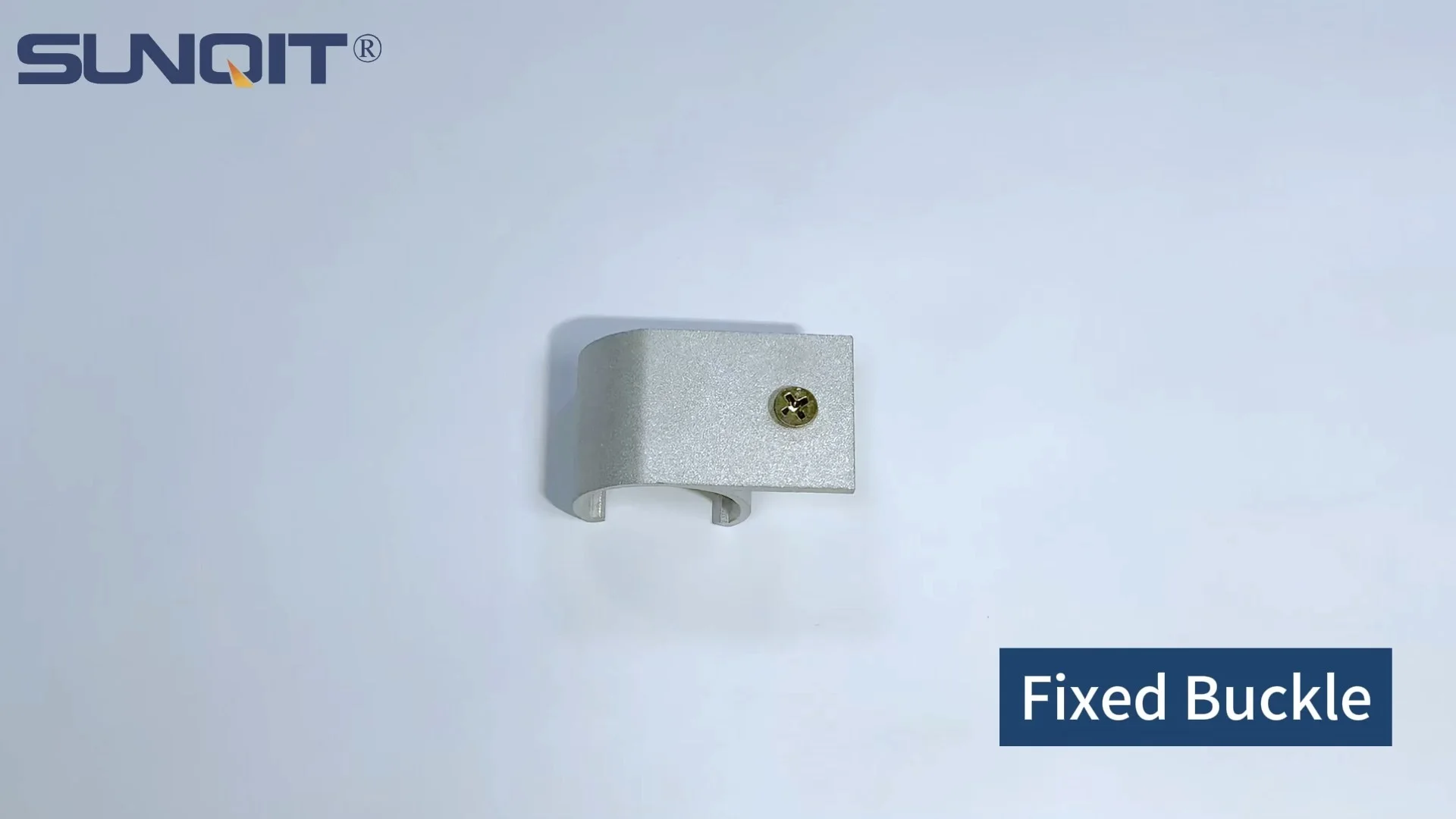
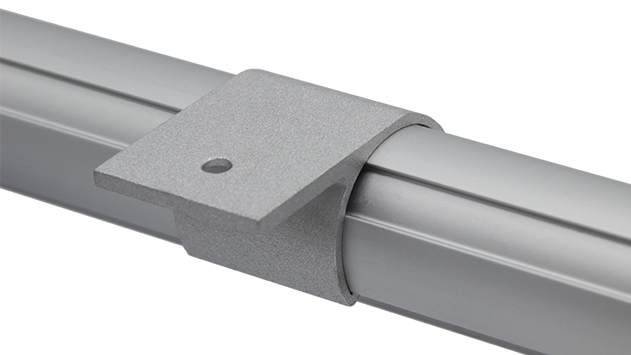
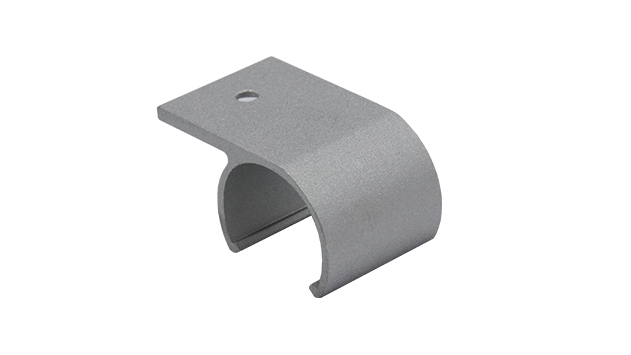
Aluminum Pipe Clamp
Aluminum pipe side clamp used for 28mm aluminum pipe connect with table top, or other accessories.
In the world of advanced manufacturing, pharmaceuticals, and cutting-edge electronics, cleanrooms stand as the unsung guardians of precision. These controlled environments—where even a single dust particle can compromise a batch of life-saving medication or a semiconductor chip worth thousands of dollars—demand perfection in every detail. From air filtration systems to floor coatings, every component plays a role in maintaining the ultra-low particle counts and strict hygiene standards that define cleanroom classification. Yet, among the high-tech machinery and sophisticated monitoring tools, there's a humble component that often goes unnoticed but is critical to cleanroom integrity: the aluminum pipe clamp.
At first glance, a pipe clamp might seem like a trivial piece of hardware. But in a cleanroom, where contamination risks lurk in every crevice and surface, the choice of pipe clamps—their material, design, and compatibility—can mean the difference between compliance and catastrophe. Aluminum pipe clamps, in particular, have emerged as the gold standard for these environments, offering a unique blend of durability, hygiene, and versatility that traditional materials like steel or plastic simply can't match. In this article, we'll dive deep into why aluminum pipe clamps are indispensable in cleanrooms, exploring their design nuances, compliance with global standards, real-world applications, and the best practices for maintaining their performance over time.
Why Aluminum? The Material Science Behind Cleanroom Excellence
Cleanrooms are unforgiving environments. They require materials that can withstand rigorous cleaning protocols, resist corrosion from harsh disinfectants, and minimize particle shedding—all while supporting the structural demands of equipment mounting, workflow systems, and infrastructure. For decades, stainless steel was the default choice for such applications, prized for its strength and corrosion resistance. But in recent years, aluminum has steadily overtaken steel in cleanroom settings, and for good reason.
Aluminum's rise to prominence begins with its inherent properties. Unlike steel, which is prone to rust if not properly coated, aluminum forms a natural oxide layer when exposed to air—a thin, transparent film that acts as a barrier against corrosion. This makes it ideal for cleanrooms where frequent washing with acidic or alkaline cleaners is routine. Unlike plastic, which can degrade under UV light or chemical exposure, aluminum maintains its structural integrity even after repeated sterilization cycles, whether via autoclaving, hydrogen peroxide vapor, or wipe-downs with isopropyl alcohol.
But it's aluminum's hygiene-friendly characteristics that truly set it apart. Aluminum is non-porous, meaning it doesn't harbor bacteria, mold, or other contaminants in tiny pores or cracks—unlike wood or even some plastics, which can become breeding grounds for microbes over time. Its smooth, dense surface also makes it easy to wipe clean, reducing the risk of particle buildup that could otherwise become airborne and compromise cleanroom classification. For industries like pharmaceuticals, where compliance with FDA regulations (such as 21 CFR Part 211) is mandatory, aluminum's ability to resist chemical attack and avoid leaching harmful substances into the environment is non-negotiable.
Lightweight yet strong, aluminum also offers practical advantages for cleanroom design. Cleanrooms often require frequent reconfiguration to adapt to new production lines or equipment, and aluminum's low weight makes it easy to disassemble, move, and reassemble without heavy machinery—minimizing downtime and disruption. When paired with aluminum lean pipe (a specialized variant of aluminum tubing designed for modular systems) and compatible aluminum pipe accessories, it forms a flexible framework that can be customized for everything from workbenches and material racks to conveyor systems and equipment mounts.
Perhaps most importantly, aluminum is inherently compatible with the "lean" principles that drive modern cleanroom operations. Lean manufacturing emphasizes efficiency, waste reduction, and adaptability—values that align perfectly with aluminum's modular nature. Aluminum pipe clamps, in particular, enable quick adjustments and modifications, allowing cleanroom managers to reconfigure workflows on the fly without sacrificing hygiene or structural stability.
Aluminum Pipe Clamps: Engineered for Hygiene, Designed for Precision
Not all pipe clamps are created equal, and in a cleanroom, the difference between a standard clamp and one engineered for hygiene can be stark. Aluminum pipe clamps are specifically designed to address the unique challenges of these environments, with features that minimize contamination risks while maximizing functionality. Let's break down the key design elements that make them indispensable.
Smooth Surfaces, Minimal Crevices: The Enemy of Contamination
In cleanroom design, "crevice-free" is more than a buzzword—it's a mandate. Traditional pipe clamps, often made of steel or plastic, frequently have threaded joints, overlapping edges, or rough surfaces that trap dust, moisture, and microbes. Over time, these crevices become hidden reservoirs of contamination, releasing particles into the air during cleaning or equipment operation. Aluminum pipe clamps, by contrast, are precision-engineered with smooth, rounded edges and seamless construction to eliminate these hiding spots.
Take, for example, the lean pipe joint —a critical component that connects aluminum lean pipes to clamps or other structures. High-quality aluminum lean pipe joints are designed with minimal gaps between the pipe and clamp, using compression fittings or friction-based mechanisms instead of threaded connections. This not only reduces particle buildup but also makes the joint easier to clean; a quick wipe with a lint-free cloth and disinfectant is often all it takes to maintain hygiene. Some manufacturers even offer electropolished aluminum clamps, a process that smooths the surface at a microscopic level, further reducing the risk of particle adhesion.
Compatibility with Aluminum Pipe Accessories: A System Approach
Cleanroom infrastructure is rarely a standalone component; it's a system of interconnected parts. Aluminum pipe clamps are designed to work seamlessly with a range of aluminum pipe accessories, from end caps and corner brackets to cable management clips and adjustable feet. This compatibility ensures that the entire framework—clamps, pipes, and accessories—functions as a unified, hygiene-focused system.
Consider the humble pipe end cap, a simple accessory that plays a big role in cleanroom hygiene. Without an end cap, the open end of an aluminum pipe becomes a dust trap, collecting debris that can later be dislodged into the air. Aluminum pipe end caps, typically made from the same aluminum alloy as the pipes and clamps, form a tight seal that prevents contamination from entering the pipe's interior. Similarly, adjustable feet with non-slip, non-marking bases keep the framework stable while avoiding scratches on cleanroom floors (which can harbor particles) and resisting chemical damage from floor cleaners.
Ease of Disassembly: Simplifying Cleaning and Maintenance
Cleanrooms require regular deep cleaning, often during scheduled shutdowns or between production runs. During these times, equipment and infrastructure must be disassembled to access hard-to-reach areas—a process that can be time-consuming if components are bolted or welded together. Aluminum pipe clamps, however, are designed for quick, tool-free disassembly. Many use lever-action or cam-lock mechanisms that allow operators to release the clamp with a simple twist or pull, making it easy to remove pipes, reposition structures, or clean individual components thoroughly.
This modularity also reduces downtime. In a pharmaceutical cleanroom, for example, a production line might need to be reconfigured to accommodate a new drug formulation. With aluminum pipe clamps, the existing framework can be disassembled, cleaned, and reassembled in hours rather than days—critical for meeting tight production deadlines while maintaining compliance with hygiene standards.
Meeting the Standards: Compliance in a Regulated World
Cleanrooms don't just "feel" clean—they're legally required to meet strict, quantifiable standards. Organizations like the International Organization for Standardization (ISO) and the U.S. Food and Drug Administration (FDA) set rigorous benchmarks for particle counts, air flow, and surface cleanliness, and failure to comply can result in fines, product recalls, or even shutdowns. Aluminum pipe clamps are engineered to meet these standards head-on, with features that address the most demanding regulatory requirements.
ISO 14644: Controlling Particle Counts
ISO 14644 is the global standard for cleanroom classification, defining particle concentration limits for different cleanroom grades (from ISO 1 (cleanest) to ISO 9 (least clean)). For example, an ISO 5 cleanroom (common in semiconductor manufacturing) allows no more than 3,520 particles of 0.5μm or larger per cubic meter—fewer than the number of particles in a single breath of outdoor air. To achieve this, every surface must minimize particle shedding and accumulation.
Aluminum pipe clamps excel here. Their non-porous surfaces don't shed fibers or particles, even after repeated cleaning. Unlike plastic clamps, which can degrade over time and release microplastics, aluminum maintains its integrity, ensuring that particle counts remain within ISO 14644 limits. Additionally, the smooth design of aluminum clamps reduces turbulence around the framework, preventing the disturbance of settled particles and helping to maintain laminar air flow (a key requirement for ISO-compliant cleanrooms).
FDA Compliance: Safety in Pharmaceutical and Medical Settings
For pharmaceutical and medical device manufacturers, FDA regulations (such as 21 CFR Part 211 for current good manufacturing practices, or cGMP) are even more stringent. These regulations mandate that all equipment and surfaces in contact with drugs or medical devices be "suitable for their intended use" and "maintained in a clean and sanitary condition." Aluminum pipe clamps meet these requirements in several ways:
- No outgassing: Aluminum does not release volatile organic compounds (VOCs) or other chemicals that could contaminate products. This is critical for drugs and medical devices, where even trace contaminants can render a batch unsafe for use.
- Compatibility with sterilization methods: Aluminum can withstand a range of sterilization techniques, including autoclaving (steam sterilization), ethylene oxide (EtO) gas, and UV light. This flexibility allows cleanroom operators to choose the method that best suits their workflow without damaging the clamps.
- Resistance to disinfectants: Cleanrooms rely on powerful disinfectants (such as hydrogen peroxide, quaternary ammonium compounds, and bleach) to kill bacteria and viruses. Aluminum is resistant to these chemicals, ensuring that clamps don't corrode or degrade over time—unlike steel, which can rust if exposed to bleach, or plastic, which can become brittle with repeated chemical exposure.
Semiconductor and Electronics: Ultra-Clean, Ultra-Precise
In semiconductor manufacturing, where even a single micron-sized particle can ruin a wafer, cleanroom standards are taken to extremes. Aluminum pipe clamps are preferred here not only for their hygiene benefits but also for their dimensional stability. Unlike plastic, which can warp under temperature changes, aluminum maintains its shape even in the tightly controlled thermal environments of semiconductor cleanrooms. This stability ensures that equipment mounts and workflow systems remain aligned, reducing the risk of vibration-induced particle generation (a common source of defects in microelectronics).
Real-World Impact: Case Studies in Cleanroom Excellence
To truly understand the value of aluminum pipe clamps in cleanrooms, it helps to look at real-world applications. Below are three case studies that highlight how aluminum clamps have solved hygiene challenges, improved compliance, and enhanced efficiency in different industries.
Case Study 1: Pharmaceutical Manufacturer Reduces Contamination Incidents by 75%
A mid-sized pharmaceutical company specializing in injectable drugs was struggling with recurring contamination issues in its ISO 7 cleanroom. Root cause analysis revealed that traditional steel pipe clamps used in their production line framework had developed rust in hard-to-reach crevices, releasing particles into the air during cleaning. The company faced costly batch recalls and was at risk of FDA scrutiny.
After consulting with a cleanroom design expert, the company replaced all steel clamps with aluminum pipe clamps and aluminum lean pipe. The new clamps featured smooth, crevice-free designs and were paired with aluminum pipe accessories like end caps and seamless corner joints. Within six months, contamination incidents dropped by 75%, and the company passed its next FDA inspection with zero observations. "The switch to aluminum was a game-changer," said the plant's quality manager. "We no longer spend hours scrubbing rust from clamps, and our particle counts have never been lower."
Case Study 2: Semiconductor Fab Improves Equipment Uptime with Modular Aluminum Clamps
A semiconductor fabrication plant (fab) in Taiwan was struggling with downtime during reconfiguration of its wafer handling systems. The fab's existing steel framework required welding and drilling to modify, leading to extended shutdowns and increased particle generation from metal shavings. With wafer production costing thousands of dollars per minute, the downtime was costing the company millions annually.
The solution? A modular framework built with aluminum profile, aluminum pipe clamps, and lean pipe joints. The new system allowed operators to disassemble and reconfigure the wafer handling rails in hours rather than days, using only hand tools. The aluminum clamps' quick-release mechanisms eliminated the need for welding, reducing particle generation during modifications. As a result, equipment uptime increased by 22%, and the fab was able to meet its production targets for next-generation microprocessors ahead of schedule.
Case Study 3: Medical Device Maker Enhances Sterilization with Aluminum Clamps
A manufacturer of surgical instruments was facing challenges with its autoclaving process. The company's steel clamps, used to hold instruments during assembly, were corroding after repeated steam sterilization cycles, leaving rust spots on the instruments. This not only damaged the products but also violated FDA requirements for surface cleanliness.
Switching to aluminum pipe clamps solved the problem. Aluminum's natural oxide layer resisted corrosion even after hundreds of autoclaving cycles, and the clamps' smooth surfaces were easy to clean and inspect. The company also added aluminum pipe accessories like silicone-coated clamping jaws to protect delicate instruments. "We used to discard clamps every few months due to rust," said the production supervisor. "Now, our aluminum clamps have lasted over two years with no signs of wear, and our instruments are consistently passing sterility tests."

Traditional vs. Aluminum Pipe Clamps: A Hygiene Comparison
To better understand why aluminum pipe clamps are preferred in cleanrooms, let's compare them to traditional steel and plastic clamps across key hygiene and performance metrics:
| Feature | Traditional Steel Clamps | Plastic Clamps | Aluminum Pipe Clamps | Advantage for Cleanrooms |
|---|---|---|---|---|
| Surface Porosity | Porous if not coated; prone to rust pockets | Non-porous but may develop microcracks over time | Non-porous; natural oxide layer prevents penetration | Aluminum: No hidden contamination sites |
| Corrosion Resistance | Requires coating (e.g., zinc); prone to rust if scratched | Resistant to mild chemicals but degrades in harsh cleaners | Highly resistant to corrosion; oxide layer self-heals | Aluminum: Withstands frequent chemical cleaning |
| Ease of Cleaning | Requires scrubbing to remove rust and debris from crevices | Easy to wipe but may absorb stains from colored disinfectants | Smooth surface allows quick wipe-down; no crevices to trap debris | Aluminum: Reduces cleaning time and effort |
| Compliance with ISO 14644 | May shed rust particles; requires frequent replacement | May shed microplastics over time; not suitable for ISO 5+ | No particle shedding; maintains integrity in ISO 1–9 cleanrooms | Aluminum: Consistent compliance with strict particle limits |
| Maintenance Frequency | High; coating needs reapplication; rusted parts require replacement | Moderate; prone to cracking; may need replacement every 6–12 months | Low; oxide layer protects against wear; lasts 5+ years with proper care | Aluminum: Reduces downtime and replacement costs |
| Compatibility with Sterilization | May warp under high heat; rusts with steam sterilization | Melts or deforms under high heat; not suitable for autoclaving | Withstands autoclaving, EtO, and UV sterilization; no degradation | Aluminum: Versatile for multiple sterilization methods |
Maintaining Hygiene: Best Practices for Aluminum Pipe Clamps
While aluminum pipe clamps are designed for low maintenance, proper care is still essential to ensure they continue to meet cleanroom standards over time. Below are best practices for cleaning, inspection, and maintenance:
Regular Cleaning: Keep Surfaces Particle-Free
Daily cleaning should involve wiping clamps with a lint-free microfiber cloth dampened with a mild, pH-neutral cleaner (avoid abrasive or acidic cleaners, which can damage the oxide layer). For weekly deep cleaning, use a soft-bristled brush to gently remove any debris from clamp joints (though aluminum's crevice-free design minimizes this need). Always follow the cleaner manufacturer's instructions to ensure compatibility with aluminum.
Inspect for Wear and Damage
During routine cleanings, inspect clamps for signs of wear, such as bent levers, cracked joints, or loose fittings. Pay special attention to lean pipe joints, which can loosen over time with repeated adjustments. replace any damaged components immediately—even a small crack in a clamp can become a contamination risk. Many manufacturers offer replacement parts (e.g., springs, levers) to extend the life of clamps without replacing the entire unit.
Avoid Cross-Contamination During Handling
When disassembling clamps for cleaning or reconfiguration, handle components with clean, gloved hands (cleanroom-grade gloves are recommended). Store disassembled parts in covered, clean containers to prevent dust accumulation. Never place clamps on the floor or other unclean surfaces, even temporarily.
Lubricate Moving Parts Sparingly
Some aluminum pipe clamps have moving parts (e.g., cam locks, hinges) that may require lubrication to function smoothly. Use only cleanroom-approved lubricants (e.g., food-grade silicone grease) and apply sparingly—excess lubricant can attract dust and particles. Wipe away any excess after application.
The Future of Aluminum Pipe Clamps in Cleanrooms
As cleanroom technology advances, so too will the materials and components that support them. Aluminum pipe clamps are poised to evolve alongside these changes, with innovations that further enhance hygiene, efficiency, and sustainability. Here are a few trends to watch:
Advanced Alloys for Extreme Environments
Manufacturers are developing new aluminum alloys with enhanced properties, such as higher corrosion resistance for cleanrooms using aggressive disinfectants (e.g., peracetic acid) or better thermal stability for cleanrooms with extreme temperature fluctuations (e.g., cryogenic storage facilities). These alloys will allow aluminum pipe clamps to meet the needs of even the most specialized cleanroom applications.
Smart Clamps with Built-In Monitoring
The rise of Industry 4.0 is bringing smart technology to cleanroom infrastructure. Future aluminum pipe clamps may integrate tiny sensors to monitor temperature, humidity, or particle levels around the framework. These sensors could alert operators to potential issues (e.g., a loose clamp causing vibration and particle disturbance) before they lead to contamination incidents.
Modular Designs for Rapid Reconfiguration
As cleanrooms become more agile (to accommodate shorter product lifecycles), aluminum pipe clamps will feature even faster disassembly and reconfiguration. Magnetic or tool-free clamping mechanisms could reduce setup time from hours to minutes, while standardized interfaces will allow clamps to work with a wider range of aluminum profile and accessories—further enhancing flexibility.
Sustainability Focus
With sustainability becoming a key priority for manufacturers, aluminum pipe clamps will be designed for easier recycling and longer lifespans. Manufacturers may also use recycled aluminum in their production processes, reducing the environmental impact of clamp manufacturing without compromising performance.
Conclusion: Small Components, Big Impact
In the high-stakes world of cleanrooms, where precision and hygiene are paramount, aluminum pipe clamps prove that even the smallest components can have a big impact. Their unique combination of material science, thoughtful design, and compliance with global standards makes them indispensable for maintaining the ultra-clean environments that drive innovation in pharmaceuticals, electronics, and beyond. Whether reducing contamination incidents, improving equipment uptime, or simplifying regulatory compliance, aluminum pipe clamps are more than just hardware—they're partners in cleanroom excellence.
As cleanroom requirements continue to evolve, aluminum pipe clamps will undoubtedly evolve with them, adapting to new challenges and technologies. But one thing remains constant: their role as a foundation of cleanroom hygiene, supporting the critical work that happens within these controlled environments. So the next time you walk through a cleanroom, take a moment to appreciate the humble aluminum pipe clamp—quietly ensuring that the air is cleaner, the products are safer, and the future of manufacturing is built on a foundation of excellence.