- Company Articles
- Products and Technology
- Product knowledge
- Aluminum Pipe Clamps in Heavy-Duty Applications: What You Need to Consider

Aluminum Pipe Clamps in Heavy-Duty Applications: What You Need to Consider
Related Product
Aluminum Pipe Clamp
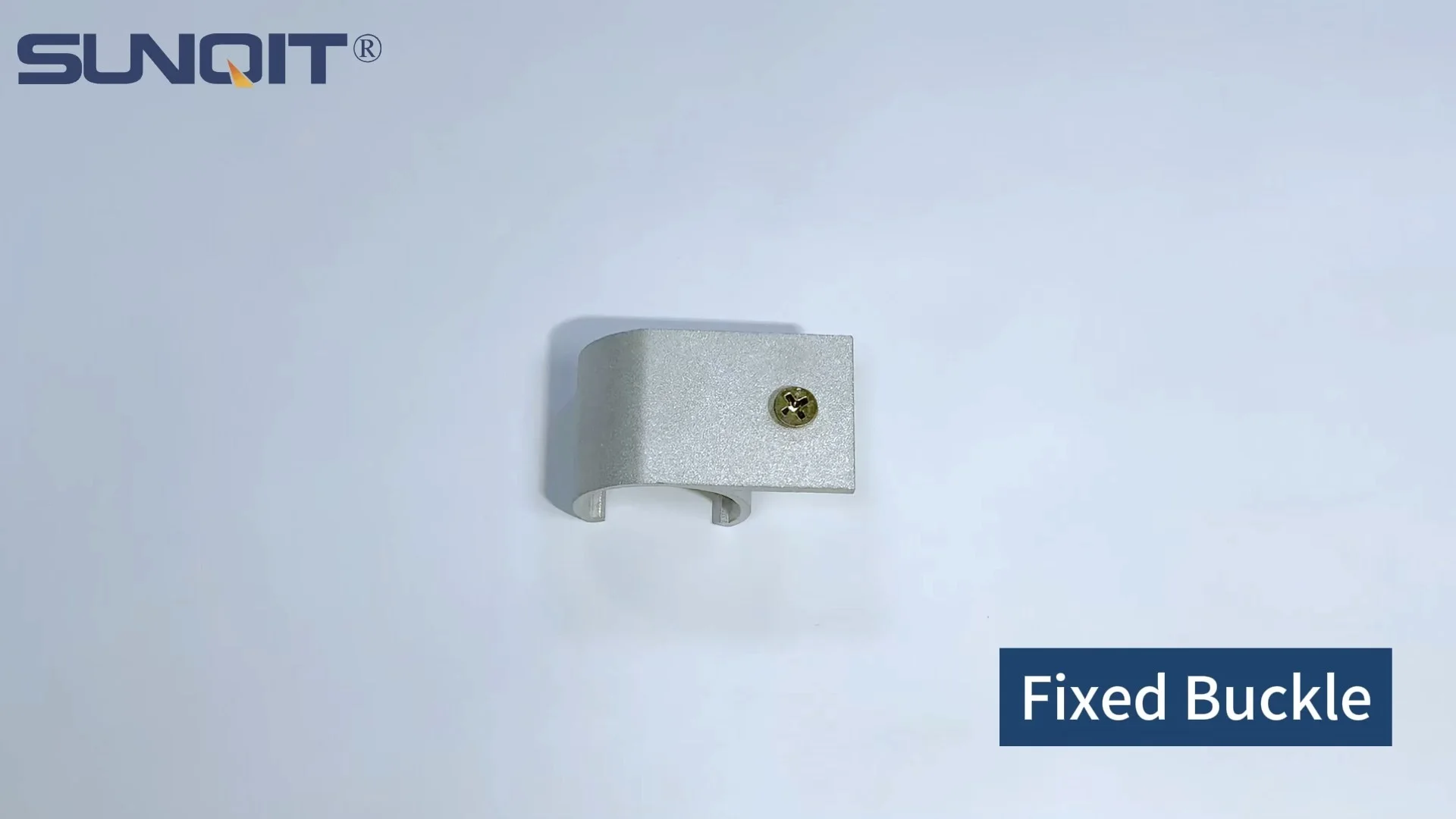
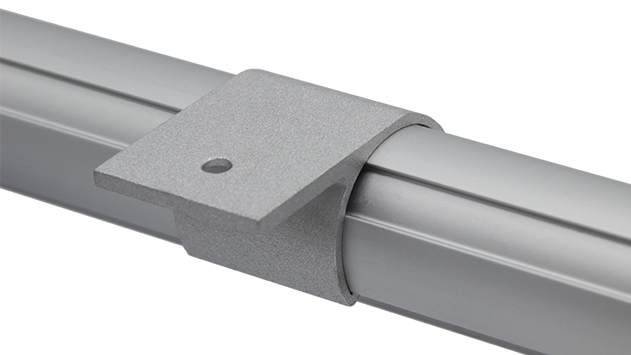
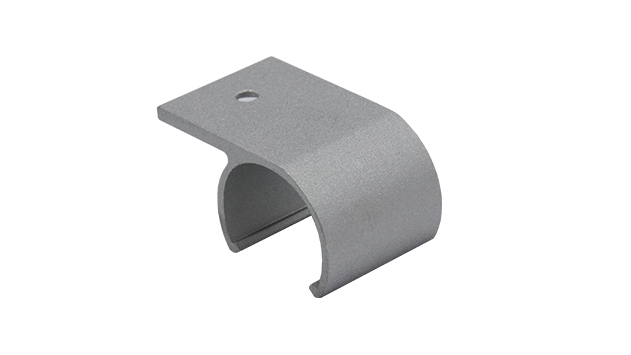
Aluminum pipe side clamp used for 28mm aluminum pipe connect with table top, or other accessories.
In the bustling world of heavy-duty operations—whether it's a sprawling manufacturing plant, a high-throughput warehouse, or a busy construction site—there's an unsung hero holding everything together: the humble pipe clamp. But not just any clamp will do. When the stakes are high, and the loads are heavier than a forklift full of steel coils, aluminum pipe clamps step into the spotlight. These unassuming components are the backbone of sturdy, reliable structures, from workbenches and material racks to conveyor systems and assembly lines. Yet, choosing the right aluminum pipe clamp for heavy-duty use isn't as simple as grabbing the first one off the shelf. It requires careful thought about materials, load capacity, environment, and compatibility with your existing setup. Let's dive into what makes aluminum pipe clamps indispensable in heavy-duty applications and how to select the perfect one for your needs.
Why Aluminum? The Case for Lightweight Strength
Before we get into the nitty-gritty of clamps, let's talk about the star of the show: aluminum. Why is it the go-to material for heavy-duty pipe systems? For starters, aluminum boasts an impressive strength-to-weight ratio. Unlike steel, which is strong but bulky, aluminum offers comparable strength without the added heft. This makes it easier to transport, install, and reconfigure—critical in dynamic environments where layouts change as production needs evolve. Imagine trying to reposition a steel pipe structure in a warehouse; it would take a team of workers and heavy machinery. With aluminum, a couple of people can adjust the setup, saving time and labor costs.
Then there's corrosion resistance. Heavy-duty applications often involve exposure to moisture, chemicals, or harsh weather—think of a food processing plant with daily washdowns or an outdoor loading dock. Steel, if not properly coated, rusts quickly, weakening the structure over time. Aluminum, on the other hand, forms a natural oxide layer that acts as a barrier against corrosion. This means your aluminum pipe clamps (and the structures they support) will last longer, even in tough conditions. And let's not forget sustainability: aluminum is 100% recyclable, making it a eco-friendly choice for companies aiming to reduce their carbon footprint.
Within the aluminum family, aluminum lean pipe deserves a special mention. Designed with lean manufacturing principles in mind, aluminum lean pipe systems are all about flexibility and efficiency. They're used to build everything from workstations to flow racks, allowing teams to adapt structures on the fly to meet changing production demands. And at the heart of these systems? You guessed it—aluminum pipe clamps. They're the glue that holds the aluminum lean pipe and its accessories together, ensuring the structure stays stable even when supporting heavy tools or materials.
Key Considerations: What to Look for in Heavy-Duty Aluminum Pipe Clamps
Choosing an aluminum pipe clamp for heavy-duty use isn't just about picking the shiniest option. It's about matching the clamp to your specific needs. Here are the critical factors to keep in mind:
1. Load Capacity: Don't Skimp on Strength
The most important factor? Load capacity. How much weight will the clamp need to support? This isn't just about the static load (the weight of the materials sitting on the structure) but also dynamic loads (the stress from movement, like when a conveyor belt is running or a trolley is being pushed). A clamp that works for a lightweight assembly line might buckle under the weight of a 500-pound machine part.
Manufacturers typically list load ratings for their clamps, but it's crucial to read the fine print. Some ratings are for "vertical" loads (supporting weight from above), while others are for "horizontal" loads (pulling or pushing forces). For example, a clamp used in a material rack B (3 row and 3 floor) (to borrow a term from common industrial setups) needs to handle the cumulative weight of materials across all three floors, plus the occasional jostle when items are loaded or unloaded. Always aim for a clamp with a load rating that exceeds your maximum expected load by 20-30%—it's better to be safe than sorry.
2. Environmental Factors: Where Will It Live?
Your clamp's environment can make or break its lifespan. Let's say you're setting up a structure in a chemical plant where spills are common. Even aluminum can corrode if exposed to strong acids or bases over time. In that case, look for clamps with specialized coatings or made from marine-grade aluminum, which has higher corrosion resistance. Similarly, in a cold storage facility, extreme temperatures can make some materials brittle. Aluminum's ability to withstand temperature fluctuations (it remains ductile even in cold) gives it an edge here, but ensure the clamp's design accounts for thermal expansion and contraction.
Humidity is another culprit. Warehouses in coastal areas or regions with high rainfall are prime spots for moisture-related wear. Aluminum's natural oxide layer helps, but adding a protective finish (like anodizing) can extend its life further. Anodized aluminum clamps have a thicker, harder oxide layer that resists scratches and corrosion, making them ideal for damp environments.
3. Compatibility: It's All About the System
A clamp is only as good as its ability to work with your existing setup. If you're using aluminum profile systems (like those common in industrial workbenches), your clamp needs to fit the profile's dimensions—whether it's a 20x20mm, 30x30mm, or 40x40mm profile. Mismatched clamps can lead to wobbly structures or even failures. For example, a clamp designed for a 38mm aluminum pipe won't grip a 40mm pipe securely, leaving gaps that compromise stability.
Don't forget about aluminum pipe accessories either. Clamps rarely work alone; they're paired with joints, brackets, and fasteners. If your system uses internal rotatary aluminum joint s (which allow pipes to pivot), the clamp must align with the joint's rotation range without restricting movement or losing grip. It's worth investing in a complete system from the same supplier—this way, the clamps, pipes, and accessories are engineered to work together seamlessly.
4. Installation and Adjustability: Easy to Use, Easy to Tweak
Heavy-duty operations don't have time for complicated installations. A clamp that requires special tools or hours of setup is a productivity killer. Look for clamps with user-friendly designs—think quick-release levers, boltless connections, or tool-free adjustments. For example, some aluminum pipe clamps use a "cam-lock" mechanism, where a simple twist tightens or loosens the grip, making reconfigurations a breeze.
Adjustability is also key in lean environments. If you need to raise a workbench by a few inches next month, you don't want to replace all the clamps to do it. Clamps with slotted holes or telescoping designs let you (fine-tune) positions without disassembly. This flexibility is why aluminum lean pipe systems are so popular—they adapt as your needs change, and the right clamps make that adaptation possible.
Types of Aluminum Pipe Clamps: Which One Fits Your Needs?
Aluminum pipe clamps come in a variety of shapes and sizes, each tailored to specific tasks. Let's break down the most common types and when to use them:
1. Rigid Clamps: For Stationary Structures
Rigid clamps are the workhorses of stationary setups. They lock pipes into a fixed position, preventing movement. Think of them as the "permanent" option—great for structures that won't need to be reconfigured often, like a heavy-duty workbench in a machine shop. These clamps typically use bolts or screws to tighten around the pipe, creating a secure grip. They're ideal for vertical loads, like supporting a shelf full of tools.
2. Swivel Clamps: For Flexible Angles
Sometimes you need pipes to meet at odd angles—say, a conveyor system that turns a corner or a workbench with a sloped shelf. Swivel clamps have a rotating joint that lets you adjust the angle between pipes (anywhere from 0° to 180° in some cases) before locking them in place. They're perfect for roller track systems, where pipes might need to slope downward to let materials glide along via gravity. Just make sure the swivel mechanism can handle the load—some cheaper swivel clamps loosen over time under heavy stress.
3. Pipe-to-Profile Clamps: Bridging the Gap
If your setup mixes aluminum pipe and aluminum profile (a common combo in industrial workstations), you'll need pipe-to-profile clamps. These clamps have one end that grips the pipe and another that attaches to the profile's T-slot (a standard feature in aluminum profiles). They're essential for building hybrid structures, like a workbench with a pipe frame and profile-based shelving. Look for clamps with adjustable T-slot bolts, so you can slide them along the profile to find the perfect position.
A Quick Comparison: Which Clamp Type is Right for You?
| Clamp Type | Best For | Load Capacity (Typical Range) | Pros | Cons |
|---|---|---|---|---|
| Rigid Clamp | Stationary structures (shelves, fixed workbenches) | 500-2000 lbs (vertical) | Max stability, low cost, easy to install | No adjustability; requires tools for removal |
| Swivel Clamp | Angled joints (conveyors, sloped racks) | 300-1500 lbs (depends on angle) | Flexible angles, works with dynamic systems | Lower load capacity than rigid clamps; swivel can loosen over time |
| Pipe-to-Profile Clamp | Hybrid pipe/profile structures | 400-1800 lbs | Connects dissimilar components; T-slot adjustability | More complex installation; needs compatible profile size |
Real-World Applications: How Aluminum Pipe Clamps Shine
To see aluminum pipe clamps in action, let's walk through a few common heavy-duty scenarios:
Scenario 1: Automotive Manufacturing Assembly Line
Automotive plants are a masterclass in heavy-duty efficiency. Every station along the assembly line needs to support tools, parts, and sometimes even workers. Take the "trim line," where workers install dashboards and seats. Here, aluminum lean pipe systems are used to build ergonomic workstations—height-adjustable, with shelves for tools and bins for fasteners. The clamps holding these pipes together must support the weight of power tools (like impact drivers and drills) and the constant movement of workers leaning on the station. A rigid clamp with a 1000-lb load rating ensures the workstation stays stable, even during a 12-hour shift.
Scenario 2: Warehouse Material Racks
Warehouses thrive on organization, and material rack B (3 row and 3 floor) -style setups are everywhere. These racks store everything from small parts to large pallets, and the aluminum pipe clamps holding the shelves and uprights must handle uneven loads (some shelves might be full, others half-empty). Swivel clamps are used on the inclined sections of the rack, where boxes slide down to the picking area via gravity. The clamps here need to maintain a consistent slope while supporting the weight of dozens of boxes—failure could lead to a cascading collapse of inventory.
Scenario 3: Food Processing Conveyors
Food processing facilities have unique challenges: strict hygiene standards and frequent washdowns. Stainless steel is often used for surfaces, but aluminum pipe clamps (with food-grade anodizing) are a lighter, more cost-effective alternative for the conveyor frame. These clamps must resist corrosion from hot water, detergents, and occasional food spills. A pipe-to-profile clamp here connects the aluminum frame to stainless steel conveyor belts, ensuring the system stays stable even when covered in soapy water during cleaning.

Maintenance: Keeping Your Clamps in Top Shape
Even the best aluminum pipe clamp won't last forever without a little TLC. Regular maintenance can extend their lifespan and prevent unexpected failures. Here's how to care for them:
- Inspect regularly: Check for signs of wear—loose bolts, cracks in the clamp body, or corrosion. Pay extra attention to clamps in high-stress areas (like the corners of a rack) or harsh environments.
- Tighten when needed: Vibrations from machinery or constant use can loosen bolts over time. A quick tighten with a wrench every few months can prevent slippage.
- Clean gently: Wipe down clamps with a damp cloth to remove dirt and debris. Avoid abrasive cleaners, which can scratch the aluminum and expose it to corrosion.
- replace worn parts: If a clamp is cracked, bent, or the threads are stripped, replace it immediately. Using damaged clamps is a safety hazard.
Choosing a Supplier: Not All Clamps Are Created Equal
Finally, the supplier you choose matters. A reputable aluminum pipe supplier or lean system supplier will offer clamps that meet industry standards (like ISO or ASTM) and provide detailed specifications and load testing data. Avoid generic, no-name clamps from discount sites—they may cut corners on material thickness or manufacturing quality.
Look for suppliers who offer customization options. Maybe you need a clamp with a longer bolt to fit a thick pipe, or a swivel clamp that locks at 45° increments instead of 30°. A good supplier will work with you to design a clamp that fits your unique needs. Also, check their customer service—do they offer technical support if you're unsure about load ratings or installation? Fast, helpful support can save you hours of frustration.
Conclusion: The Right Clamp, The Right Results
Aluminum pipe clamps may not get the glory, but they're the unsung heroes of heavy-duty operations. From keeping workers safe on the factory floor to ensuring inventory stays organized in the warehouse, these small components play a big role. By focusing on load capacity, environment, compatibility, and quality, you can choose a clamp that not only meets your needs but exceeds them. And when paired with aluminum lean pipe , aluminum profile , and the right accessories, you'll build a structure that's strong, flexible, and ready to tackle whatever heavy-duty challenges come your way.
So, the next time you're setting up a workbench, material rack, or conveyor system, take a moment to appreciate the aluminum pipe clamp. It's not just a piece of hardware—it's the foundation of your operation's success.