- Company Articles
- Products and Technology
- Application Cases
- Aluminum Pipe Clamps in Lean Workstations: Enhancing Workflow Efficiency

Aluminum Pipe Clamps in Lean Workstations: Enhancing Workflow Efficiency
Related Product
Aluminum Pipe Clamp
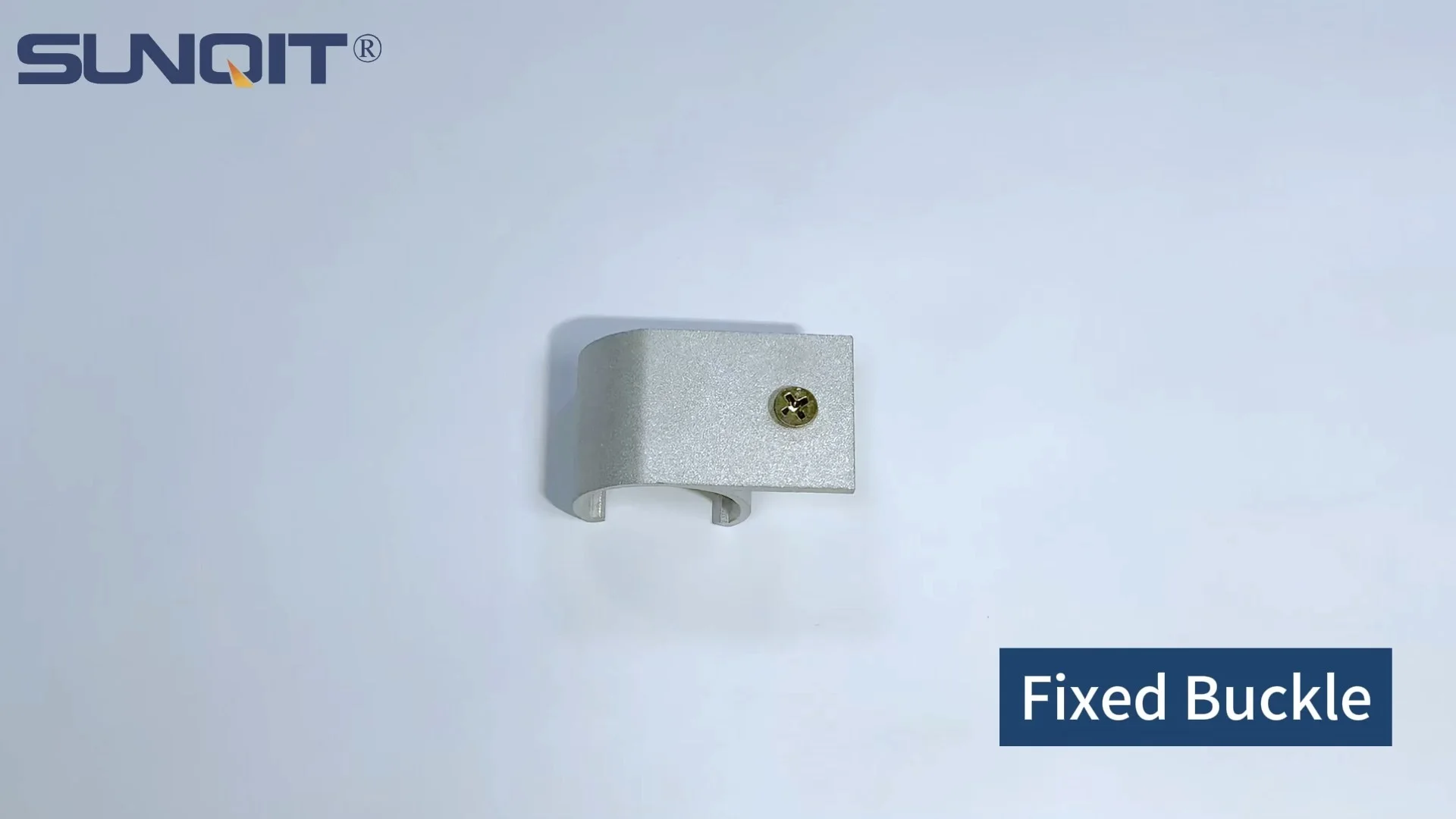
Aluminum pipe side clamp used for 28mm aluminum pipe connect with table top, or other accessories.
In the fast-paced world of manufacturing, where every second and every movement matters, the difference between a smooth, efficient operation and a chaotic, wasteful one often lies in the details. Lean manufacturing isn't just a buzzword—it's a philosophy that seeps into every corner of the production floor, from the layout of workbenches to the way tools are stored. At the heart of this philosophy are lean workstations: dynamic, adaptable spaces designed to eliminate waste, reduce unnecessary motion, and keep teams focused on what truly adds value. Yet, for all their importance, the unsung heroes of these workstations are often the small, unassuming components that hold everything together. Enter aluminum pipe clamps—modular, durable, and surprisingly versatile tools that quietly transform how we build, adapt, and optimize lean workstations. In this article, we'll dive into how these unheralded components play a pivotal role in enhancing workflow efficiency, why they've become indispensable in modern manufacturing, and how they integrate seamlessly with other key elements like aluminum profiles and flow racks to create workspaces that grow with your needs.
Understanding Lean Workstations: The Backbone of Efficient Production
Before we zoom in on aluminum pipe clamps, let's take a step back to understand the star of the show: the lean workstation. At its core, a lean workstation is more than just a table or a bench—it's a carefully designed ecosystem where tools, materials, and processes converge to minimize waste and maximize productivity. Think of it as a conductor's podium in an orchestra: it doesn't play the music itself, but it organizes the players (your team) and their instruments (tools and materials) to create harmony.
The goal of any lean workstation is simple: to make the work easier. That means reducing the number of steps an operator takes to grab a tool, eliminating the time spent searching for a part, and ensuring that everything needed for a task is within arm's reach. But here's the catch: manufacturing needs are rarely static. A workstation that works perfectly for assembling a small electronics component today might need to be reconfigured next month to handle a larger, bulkier product. Rigidity is the enemy of lean—so flexibility is non-negotiable.
This is where modularity comes in. Modern lean workstations aren't built with bolts and welding; they're built with components that can be easily adjusted, added to, or taken apart. And that's where aluminum pipe clamps start to shine. They're the connective tissue that turns individual pieces—like aluminum pipes, profiles, and panels—into a cohesive, adaptable system. But to appreciate their value, we first need to understand how workstation components have evolved to meet the demands of lean manufacturing.
From Rigid to Flexible: The Evolution of Workstation Components
Not long ago, manufacturing workstations were often permanent fixtures. Built from steel or wood, they were heavy, hard to move, and nearly impossible to reconfigure. If a production line changed, you'd either have to live with a workstation that no longer fit the task or invest in a brand-new one—a costly and time-consuming process. This rigidity flew in the face of lean principles, which emphasize eliminating waste, including the waste of underutilized resources.
Then came the shift to modular systems. Suddenly, workstations could be built using lightweight, standardized components that snapped together, rather than being welded or bolted. Early modular systems relied on plastic or steel pipes and connectors, but they had their drawbacks: steel was heavy, plastic lacked durability, and both were limited in terms of load capacity. Enter aluminum—a material that checked all the boxes: lightweight enough to move without heavy machinery, strong enough to support tools and materials, and resistant to corrosion, making it ideal for factory environments where moisture or chemicals might be present.
Aluminum extrusion profiles, in particular, revolutionized workstation design. These profiles—hollow, with T-shaped slots running along their length—became the building blocks of modular systems. The T-slots allowed for easy attachment of accessories like shelves, tool hooks, and bins, using bolts or specialized brackets. But to connect these profiles into larger structures—like the frame of a workbench or the sides of a flow rack—you needed something reliable yet removable. That's where aluminum pipe clamps stepped in, bridging the gap between individual profiles and fully functional workstations.
Aluminum Pipe Clamps: Small Components, Big Impact
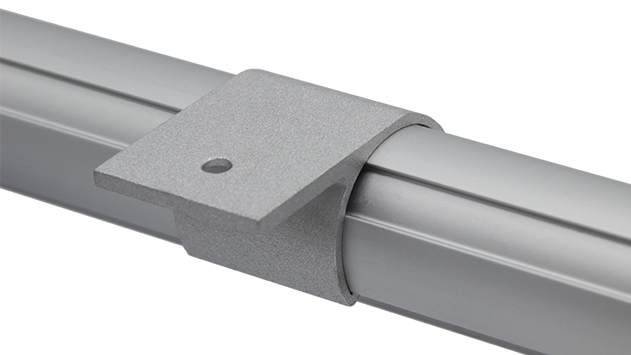
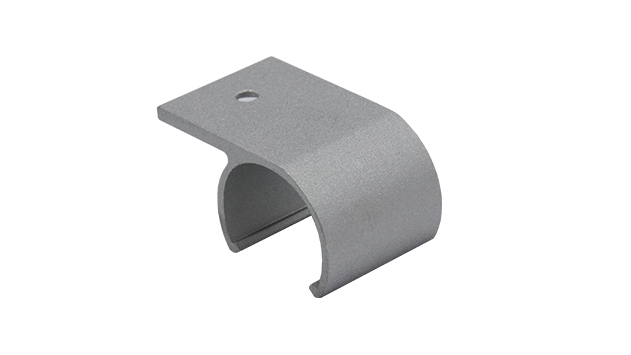
So, what exactly is an aluminum pipe clamp? At its simplest, it's a device designed to securely connect two or more aluminum pipes, profiles, or other components. But don't let the simplicity fool you—its design is a masterclass in practical engineering. Most aluminum pipe clamps are made from high-grade aluminum alloy, chosen for its strength-to-weight ratio and resistance to wear. They come in a variety of shapes and sizes, each tailored to specific connection needs, but they all share a common purpose: to create a tight, stable joint that can be easily assembled and disassembled without specialized tools.
Let's break down some of the most common types you'll find in lean workstations:
- Fixed Clamps : These are the workhorses of the clamp world. Designed for permanent or semi-permanent connections, they lock two pipes or profiles at a fixed angle (often 90° or 45°). They're ideal for structural elements like the legs of a workbench or the uprights of a flow rack, where stability is key.
- Swivel Clamps : As the name suggests, these allow for rotation, making them perfect for components that need to move. Think of a tool holder that can swing out of the way when not in use or a shelf that tilts to better access materials.
- Parallel Clamps : These connect two parallel pipes or profiles, ensuring they stay perfectly aligned. They're often used in the frames of workbenches or the sides of turnover trolleys, where maintaining a uniform structure is important.
- Adjustable Clamps : These feature a tightening mechanism (like a screw or lever) that lets you fine-tune the fit. They're great for situations where you need a snug connection but might need to loosen it later for reconfiguration.
What makes these clamps so valuable is their simplicity. Most can be installed with just a hex key or even by hand, meaning your team doesn't need specialized training to adjust the workstation. Need to add a shelf? Grab a few clamps, some aluminum profiles, and you're done in minutes. No waiting for a maintenance crew, no downtime—just quick, efficient adaptation. And when paired with aluminum profiles, their potential to enhance workflow efficiency becomes even clearer.
Aluminum Profiles and Clamps: A Match Made for Modularity
Aluminum extrusion profiles are the backbone of modern modular workstations, and aluminum pipe clamps are the glue that holds that backbone together. To understand their synergy, let's take a closer look at aluminum profiles. These profiles are created by pushing aluminum through a die, which shapes it into a specific cross-section—often with T-slots, grooves, or channels. The T-slot design is particularly genius: it allows for accessories (like clamps, brackets, or panels) to be attached anywhere along the length of the profile, not just at pre-drilled holes. This means endless customization possibilities.
Now, imagine you're building a workbench. You start with four vertical aluminum profiles for the legs. To connect them, you use horizontal aluminum pipes, secured with 90° fixed clamps. For the work surface, you attach an aluminum honeycomb panel to the horizontal pipes using adjustable clamps, which let you level the surface perfectly. Need a tool rail above the bench? Add two more vertical profiles, connect them with a horizontal pipe using parallel clamps, and slide tool hooks into the T-slots. Want to add a flow rack to the side for materials? Use swivel clamps to attach roller tracks (another key component from our keyword list!) to the workbench frame, creating a gravity-fed system that moves parts directly to the operator.
This modularity isn't just about convenience—it directly impacts workflow efficiency. Let's say your production line switches from assembling 100 small parts per hour to 50 larger parts. With a traditional workstation, you might need to replace the entire bench. With aluminum profiles and clamps, you can simply adjust the height of the work surface, remove unnecessary shelves, or reposition the flow rack to accommodate the new part size. The time saved on reconfiguration translates to more time spent on actual production.
To illustrate this, let's look at a real-world scenario: a electronics manufacturer that produces both smartphones and tablets. Smartphones are small, so the workstation needs compact tool storage and a low work surface. Tablets are larger, requiring more space for components and a higher surface to reduce operator strain. By using aluminum profiles and pipe clamps, the manufacturer can quickly swap out the work surface height, reposition the flow rack (keyword alert!) to hold larger tablet cases, and adjust tool holders to fit bigger assembly tools. What would have taken a day with a fixed workstation now takes an hour—minimizing downtime and keeping production on track.

Flow Racks: A Case Study in Clamp-Driven Efficiency
If there's one application where aluminum pipe clamps truly shine, it's in the construction of flow racks. A flow rack (or gravity flow rack) is a storage system where materials are loaded from the back and flow forward to the picking side via rollers or wheels, thanks to a slight incline. They're a staple in lean manufacturing because they ensure first-in, first-out (FIFO) inventory management, reduce picking time, and keep materials organized and visible.
Building a flow rack with traditional materials (like steel) is labor-intensive and inflexible. But with aluminum profiles, roller tracks, and pipe clamps, it becomes a modular, adaptable system. Let's break down how clamps play a role here:
- Frame Construction : The vertical and horizontal supports of the flow rack are typically aluminum profiles, connected using fixed 90° clamps. This creates a sturdy frame that can support the weight of the rollers and materials.
- Roller Track Attachment : Roller tracks (another keyword!) are attached to the frame using specialized clamps or brackets that slide into the T-slots of the aluminum profiles. Adjustable clamps allow you to set the incline of the tracks—critical for ensuring materials flow smoothly without jamming.
- Dividers and Guides : To separate different materials on the same rack, dividers are added using parallel clamps, which keep the dividers aligned and stable. This prevents parts from mixing and makes picking faster.
- Height Adjustment : As with workstations, flow racks often need to be adjusted to fit different container sizes. Swivel or adjustable clamps make it easy to raise or lower roller tracks, ensuring the incline remains optimal for various box weights and sizes.
The result? A flow rack that can be customized to fit any material, from small electronic components to large automotive parts. And when production needs change—say, the manufacturer starts using larger bins—the clamps allow for quick adjustments to the roller track spacing or incline. This flexibility means the flow rack never becomes obsolete, eliminating the waste of replacing entire storage systems.
But don't just take our word for it. A recent study by the Manufacturing Excellence Association found that companies using modular flow racks built with aluminum profiles and clamps reported a 22% reduction in picking errors and a 15% increase in operator productivity. The key driver? The ability to adapt the rack to the specific needs of each product line, thanks in large part to the versatility of aluminum pipe clamps.
The Hidden Benefits: Why Clamps Matter Beyond Assembly
We've talked about how aluminum pipe clamps enable quick reconfiguration and support modular design, but their impact on workflow efficiency goes beyond just assembly and adaptation. Let's explore some of the less obvious but equally important benefits:
1. Reduced Operator Fatigue
Ergonomics is a cornerstone of lean manufacturing. A workstation that forces operators to bend, reach, or strain increases fatigue, which leads to slower work and more errors. Aluminum pipe clamps make it easy to adjust the height of work surfaces, the angle of tool holders, and the position of flow racks to match the operator's body. For example, a taller operator might need the workbench surface 3 inches higher than a shorter one. With clamps, this adjustment takes minutes, ensuring every team member works comfortably—reducing fatigue and boosting focus.
2. Cost Savings Over Time
At first glance, modular components like aluminum clamps and profiles might seem more expensive than traditional steel or wood. But the long-term savings tell a different story. When production needs change, you don't have to buy a new workstation or flow rack—you just reconfigure the existing one using the same clamps and profiles. Over time, this reduces capital expenditure on new equipment. Plus, aluminum is lightweight, so shipping and installation costs are lower, and its durability means components last longer, reducing replacement costs.
3. Improved Safety
A cluttered, disorganized workstation is a safety hazard. Tools left on the floor, materials stacked haphazardly, or unstable shelves can lead to trips, falls, or injuries. Aluminum pipe clamps help keep everything secure: shelves are firmly attached, tool holders don't wobble, and flow racks are stable even when fully loaded. Additionally, because clamps allow for precise alignment, there's less risk of materials slipping or falling from flow racks—a critical safety feature in busy production environments.
4. Sustainability
Lean manufacturing and sustainability go hand in hand, and aluminum pipe clamps support both. Aluminum is 100% recyclable, and modular systems reduce waste by extending the lifespan of workstation components. When a clamp or profile does wear out, it can be recycled, unlike plastic components that end up in landfills. Plus, the ability to reconfigure instead of replacing means fewer resources are used in manufacturing new equipment—reducing your facility's carbon footprint.
Choosing the Right Aluminum Pipe Clamps: A Buyer's Guide
Now that we've covered why aluminum pipe clamps are essential, let's talk about how to choose the right ones for your needs. With so many options on the market, it's easy to feel overwhelmed, but focusing on a few key factors will help you make the best decision.
| Factor to Consider | What to Look For | Example Scenario |
|---|---|---|
| Material | Aluminum alloy (6061 or 6063 are common) for strength and corrosion resistance. Avoid low-quality plastic clamps for heavy-duty applications. | A flow rack holding 50-pound bins needs aluminum clamps; a lightweight tool holder might use plastic-coated clamps. |
| Load Capacity | Check the manufacturer's specs for maximum weight the clamp can support. Overloading leads to failure. | Vertical leg clamps for a workbench should support at least 200 pounds; clamps for a small shelf might only need 50 pounds. |
| Connection Type | Fixed (permanent angles), swivel (rotating), or adjustable (fine-tune fit). Match to your need for flexibility. | A static workbench frame uses fixed clamps; a tool arm that swings uses swivel clamps. |
| Profile Compatibility | Ensure the clamp fits your aluminum profile's size (e.g., 20x20mm, 30x30mm) and slot type (T-slot, square, etc.). | Using 40x40mm aluminum profiles? Choose clamps designed for 40mm slots. |
| Ease of Installation | Look for clamps that require minimal tools (e.g., hex key) and can be tightened by hand for quick adjustments. | A team reconfiguring workstations daily needs clamps that can be adjusted in seconds, not minutes. |
It's also worth considering the supplier. A reliable aluminum pipe clamp supplier will offer not just quality products but also technical support—helping you choose the right clamps for your specific application and providing guidance on assembly. Don't skimp on supplier research; a cheap clamp might save money upfront but cost you in downtime when it fails.
Installation and Maintenance: Keeping Clamps (and Workstations) Working Like New
Even the best aluminum pipe clamps won't perform well if they're installed incorrectly or neglected. Here are some tips to ensure your clamps—and the workstations they build—stay efficient for years:
Installation Tips
- Clean the Profiles : Before attaching clamps, wipe down aluminum profiles to remove dust, oil, or debris. This ensures a tight, secure fit.
- Don't Over-Tighten : Over-tightening can strip threads or warp the clamp. Tighten until snug, then give a quarter-turn more—no more.
- Use the Right Tools : A properly sized hex key or torque wrench prevents rounding off screw heads. Avoid using pliers or adjustable wrenches, which can damage the clamp.
- Test for Stability : After installation, gently shake the structure to check for wobbling. If it moves, recheck the clamps—you might need to adjust the angle or tighten a loose connection.
Maintenance Tips
- Inspect Regularly : Once a month, check clamps for signs of wear (cracks, bent parts) or looseness. Tighten any loose screws immediately.
- Lubricate Moving Parts : For swivel or adjustable clamps, apply a small amount of silicone lubricant to the pivot points to keep them moving smoothly.
- Clean After Use : In dusty or oily environments, wipe clamps with a dry cloth to prevent buildup that can hinder adjustment.
- replace When Needed : If a clamp is cracked, stripped, or no longer holds securely, replace it. A single faulty clamp can compromise the entire workstation's stability.
By following these steps, you'll extend the life of your clamps and ensure your lean workstation remains a model of efficiency, not a source of frustration.
The Future of Lean Workstations: What's Next for Aluminum Pipe Clamps?
As manufacturing continues to evolve—with trends like Industry 4.0, automation, and customization on the rise—lean workstations will need to keep pace. So, what does the future hold for aluminum pipe clamps? Here are a few trends to watch:
Smart Integration : Imagine clamps with built-in sensors that monitor tension or load, alerting operators when a connection is loose or overloaded. While still in the prototype stage, "smart clamps" could add a new layer of safety and predictive maintenance to lean workstations.
3D-Printed Customization : For niche applications, 3D printing could allow for on-demand, custom clamps tailored to unique profile sizes or connection needs. This would reduce lead times and enable even more specialized workstation designs.
Eco-Friendly Materials : As sustainability becomes a bigger priority, we might see clamps made from recycled aluminum or bio-based composites, without sacrificing strength or durability.
Ergonomic Design : Clamps that are easier to grip, adjust with one hand, or lock automatically could reduce operator strain during reconfiguration, making workstation adjustments even faster.
No matter how technology advances, the core purpose of aluminum pipe clamps will remain the same: to make lean workstations more flexible, efficient, and adaptable. They may not be the most glamorous part of the production line, but their impact on the bottom line—through reduced waste, faster reconfiguration, and improved productivity—speaks for itself.
Conclusion: Small Clamps, Big Impact
In the world of lean manufacturing, success is often found in the details. Aluminum pipe clamps are one of those details—small, unassuming, but utterly essential. They transform rigid workstations into flexible ecosystems, turn static storage into dynamic flow racks, and empower teams to adapt to changing needs in minutes, not days. By connecting aluminum profiles, roller tracks, and other components, they create workspaces that reduce waste, minimize fatigue, and keep production flowing smoothly.
Whether you're building a new lean workstation from scratch or upgrading an existing one, don't overlook the power of a quality aluminum pipe clamp. It's not just a fastener—it's an investment in efficiency, flexibility, and the long-term success of your production line. After all, in lean manufacturing, every component counts—and aluminum pipe clamps count more than most.
So, the next time you walk through your production floor, take a moment to look at the workstations and flow racks. Chances are, there's an aluminum pipe clamp holding them together, quietly doing its job to make your operation just a little bit leaner, a little bit more efficient, and a lot more ready for whatever the future of manufacturing brings.