- Company Articles
- Products and Technology
- Installation And Maintenance
- Aluminum Pipe Clamps in Machinery Maintenance: Secure Component Fixing

Aluminum Pipe Clamps in Machinery Maintenance: Secure Component Fixing
Related Product
Aluminum Pipe Clamp
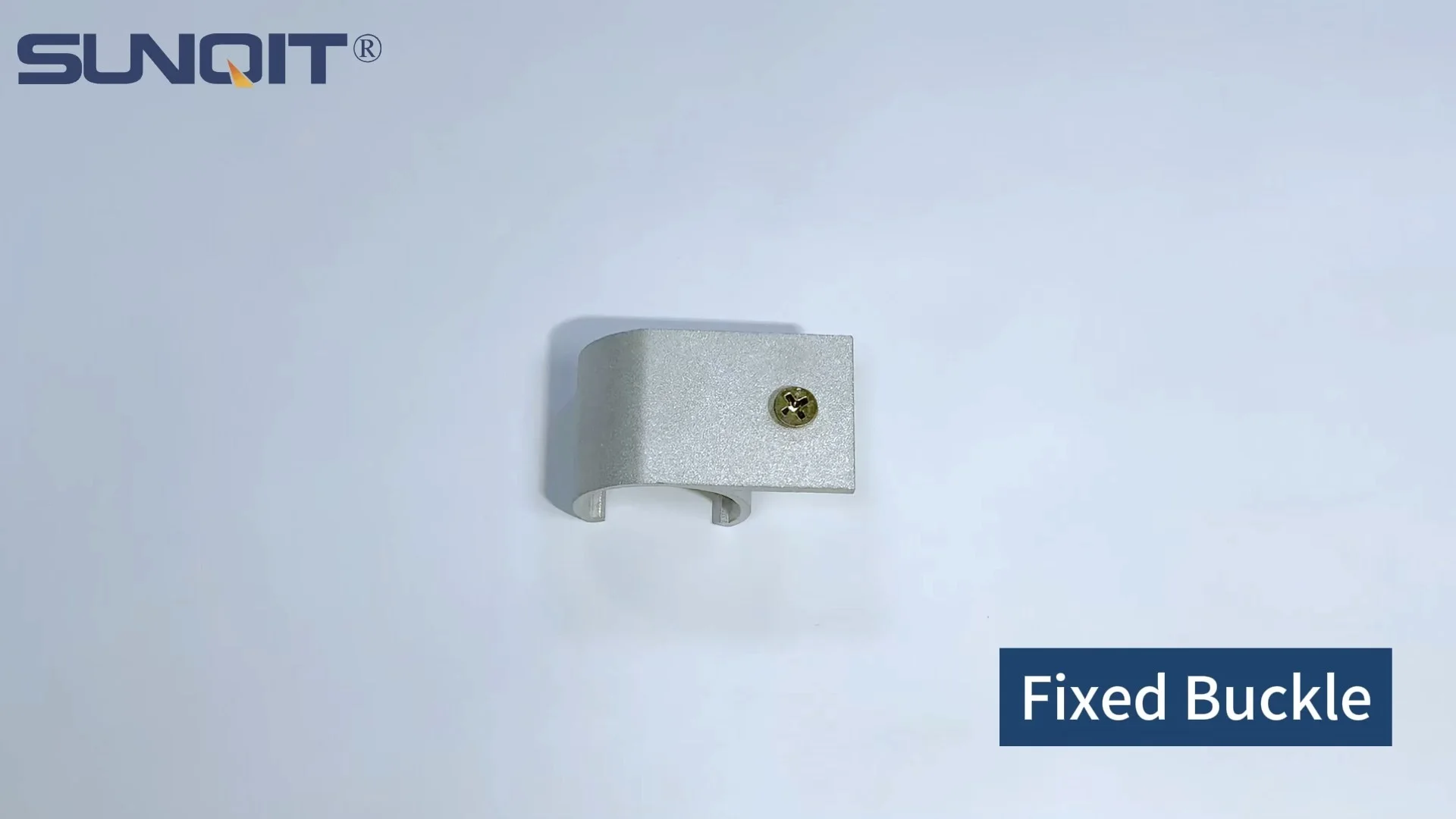
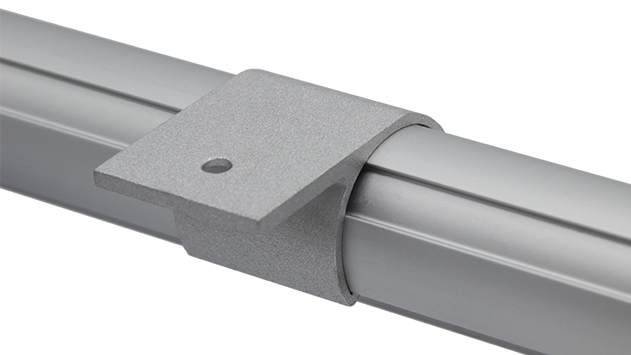
Aluminum pipe side clamp used for 28mm aluminum pipe connect with table top, or other accessories.
In the world of machinery maintenance, every bolt, bracket, and fastener plays a silent but critical role. Imagine a production line where a single loose component brings an entire operation to a halt—a scenario no technician, engineer, or plant manager wants to face. That's where the humble yet indispensable aluminum pipe clamp steps in. More than just a tool to hold pipes in place, these clamps are the unsung heroes of secure component fixing, ensuring that everything from hydraulic lines to conveyor belts stays anchored, aligned, and operational. Let's dive into why aluminum pipe clamps have become a go-to solution in machinery maintenance, how they work, and how to leverage them for maximum reliability.
What Are Aluminum Pipe Clamps, and Why Do They Matter?
At their core, aluminum pipe clamps are mechanical devices designed to secure pipes, tubes, or cylindrical components to a fixed structure—whether it's a machine frame, a workbench, or an aluminum profile. Unlike generic clamps, they're engineered with precision to balance strength, weight, and durability, making them ideal for the demands of industrial settings. But what truly sets them apart is the material: aluminum. This metal brings a unique set of advantages to the table, especially in maintenance environments where reliability and longevity are non-negotiable.
Aluminum is lightweight, which matters when technicians are installing or adjusting clamps in tight spaces—no more straining with heavy steel tools that add unnecessary bulk. It's also naturally corrosion-resistant, a critical feature in settings where exposure to oils, coolants, or moisture is common. Think about a food processing plant, where stainless steel might be overkill, or an automotive workshop where chemicals and water are part of daily operations; aluminum clamps hold their own without rusting or degrading over time. And while aluminum is lighter than steel, it's far from weak—modern alloys (like 6061 or 6063) offer impressive tensile strength, ensuring that even under vibration or thermal expansion, the clamped components stay put.
But their importance goes beyond material properties. In machinery maintenance, "secure component fixing" isn't just about preventing movement—it's about consistency. Loose pipes or misaligned parts can lead to leaks, friction, or uneven wear, all of which snowball into bigger issues: increased energy consumption, product defects, or even safety hazards. Aluminum pipe clamps mitigate these risks by providing a stable, repeatable hold that technicians can trust, day in and day out.
The Role of Aluminum Pipe Clamps in Machinery Maintenance
To understand the impact of aluminum pipe clamps, let's step into the shoes of a maintenance technician named Jamie. Jamie's typical day involves inspecting production lines, troubleshooting jams, and replacing worn parts. Last week, a recurring problem popped up: a hydraulic line on the assembly workbench kept slipping out of its clamp, causing fluid leaks and forcing the line to shut down for 20 minutes each time. The culprit? A cheap plastic clamp that had warped under the heat of the machine. This week, Jamie switched to an aluminum pipe clamp. The result? No more leaks, no more shutdowns, and one less thing to worry about during inspections.
This scenario highlights the three key roles aluminum pipe clamps play in maintenance:
- Stability Under Stress: Machinery vibrates, heats up, and cools down—all of which can loosen even the tightest fasteners. Aluminum clamps, with their rigid yet slightly flexible design, absorb these stresses without losing grip. For example, on a conveyor system, where belts and rollers generate constant motion, clamps securing the drive shaft or guide rails prevent misalignment that could lead to jams.
- Protection Against Wear: Metal-on-metal contact between a pipe and its mounting surface can cause scratches, corrosion, or noise. Many aluminum clamps come with rubber or plastic liners that act as a buffer, protecting both the clamp and the component. In a pharmaceutical packaging line, where cleanliness is paramount, this feature prevents debris from chipping off and contaminating products.
- Flexibility for Maintenance: Unlike welded brackets or permanent fixtures, aluminum pipe clamps are adjustable and reusable. Need to reposition a pipe during a machine upgrade? Simply loosen the clamp, adjust, and retighten—no cutting, welding, or drilling required. This flexibility saves time during repairs and makes future modifications a breeze, a boon for technicians working against tight deadlines.
Types of Aluminum Pipe Clamps: Finding the Right Fit
Not all aluminum pipe clamps are created equal. Just as machinery varies in size, function, and environment, so too do the clamps designed to secure its components. Understanding the different types available is key to choosing the right one for the job. Let's break down the most common varieties and their ideal applications.
1. Fixed Aluminum Pipe Clamps
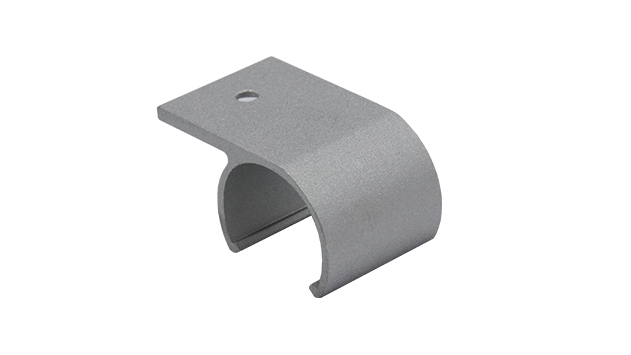
Fixed clamps are the workhorses of the bunch—simple, sturdy, and designed for components that don't need frequent adjustment. They consist of a U-shaped aluminum bracket, a bolt, and a nut (or a screw) that tightens to hold the pipe in place. These are perfect for permanent installations, like securing coolant lines to a machine frame or mounting air hoses above a workbench. Their simplicity makes them cost-effective, and their rigid design ensures minimal movement once installed.
2. Adjustable Aluminum Pipe Clamps
For components that might need repositioning or for pipes of varying diameters, adjustable clamps are the way to go. These feature a sliding mechanism, a ratchet, or a swivel base that allows for fine-tuning. Imagine a maintenance team installing a new sensor on a production line—they need the sensor's cable conduit to align perfectly with the machine's control box. An adjustable clamp lets them tweak the angle and position until everything lines up, then lock it in place. Many adjustable clamps also come with rubber pads to prevent slippage, making them ideal for vertical or overhead installations where gravity adds extra strain.
3. Heavy-Duty Aluminum Pipe Clamps
When the load gets heavy—think large-diameter pipes, high-pressure hoses, or components with significant weight—heavy-duty clamps rise to the occasion. These are built with thicker aluminum walls, reinforced brackets, and larger bolts (often stainless steel) to handle higher tensile loads. In industries like mining or construction, where machinery operates under extreme conditions, heavy-duty clamps secure hydraulic cylinders or hydraulic lines that carry thousands of pounds of pressure. They're also commonly used with aluminum profile structures, where the clamp must anchor to a frame that's itself supporting heavy equipment.
4. Swivel or Pivoting Aluminum Pipe Clamps
Some components need to move slightly—for example, a pipe that expands when heated or a hose that flexes during machine operation. Swivel clamps allow for limited rotation or pivoting, preventing stress on the pipe or the clamp itself. These are particularly useful in applications involving thermal expansion, like exhaust systems or steam lines. The swivel joint absorbs movement, reducing the risk of cracks or leaks that can occur when rigid clamps restrict natural expansion.
| Clamp Type | Material | Load Capacity | Best For | Pros | Cons |
|---|---|---|---|---|---|
| Fixed | Aluminum alloy (6061) | Up to 50 lbs (static) | Permanent installations, low-vibration environments | Cost-effective, easy to install, minimal movement | No adjustability; not ideal for dynamic components |
| Adjustable | Aluminum alloy (6063) with rubber lining | Up to 30 lbs (dynamic) | Variable pipe sizes, frequent adjustments | Flexible, reusable, prevents slippage | Slightly higher cost than fixed clamps |
| Heavy-Duty | Thick-walled aluminum (5052) with stainless steel hardware | Up to 200 lbs (static) | High-pressure lines, heavy pipes, industrial machinery | Extreme strength, corrosion-resistant, durable | Heavier, bulkier, requires tools for installation |
| Swivel/Pivoting | Aluminum alloy (6061) with brass swivel joint | Up to 40 lbs (dynamic) | Thermally expanding pipes, flexing hoses | Absorbs movement, reduces stress on components | More complex design; not for rigid applications |
Installing Aluminum Pipe Clamps: Best Practices for Long-Lasting Security
Even the best clamp will fail if installed incorrectly. Proper installation is the bridge between a clamp's design and its real-world performance. Let's walk through the steps to ensure your aluminum pipe clamps deliver the secure component fixing you need.
Step 1: Choose the Right Clamp for the Job
This might seem obvious, but it's worth emphasizing: start by matching the clamp to the component. Consider the pipe diameter, the weight of the component, the environment (temperature, moisture, chemicals), and whether the component moves or stays static. For example, a 1-inch hydraulic line carrying high pressure in a damp factory should use a heavy-duty adjustable clamp with a rubber lining to prevent corrosion and slippage. A lightweight air hose on a dry workbench? A fixed clamp might be more than sufficient.
Step 2: Prepare the Surface
A clamp is only as secure as the surface it's mounted to. Before installation, clean the mounting area—whether it's an aluminum profile, a steel frame, or a workbench—to remove dirt, oil, or rust. If the surface is uneven, use shims or a leveling tool to ensure the clamp sits flush; uneven mounting can lead to stress points that weaken the hold over time. For aluminum profiles, check that the T-slots (if using T-slot mounting) are free of debris, as this ensures the clamp's bolts or brackets seat properly.
Step 3: Position the Clamp and Component
Align the pipe or component exactly where it needs to be before tightening the clamp. Use a level or straightedge to ensure it's parallel or perpendicular to the machine's axis—misalignment can cause friction, leaks, or premature wear. For dynamic components (like those that vibrate or expand), leave a small gap between the clamp and the pipe to allow for movement, or opt for a swivel clamp that accommodates this naturally.
Step 4: Tighten to the Right Torque
Over-tightening is a common mistake. It can warp the clamp, strip the threads, or even crush the pipe—especially if the component is made of plastic or thin metal. Under-tightening, of course, leads to slippage. Most aluminum pipe clamps come with torque specifications (usually in foot-pounds or Newton-meters) from the manufacturer; use a torque wrench to hit this sweet spot. If specs aren't available, a good rule of thumb is to tighten until the clamp holds firmly, then give it a quarter-turn more—just enough to secure without overdoing it.
Step 5: Inspect and Maintain
Installation isn't the end of the road. Regular inspections are key to catching issues early. Check clamps during routine maintenance for signs of loosening, corrosion, or damage to the lining (if present). Tighten any bolts that have come loose due to vibration, and replace clamps that show cracks, bent brackets, or worn liners. Remember, aluminum pipe clamps are durable, but they're not indestructible—extreme temperatures, chemical exposure, or accidental impacts can weaken them over time.

Aluminum Pipe Clamps vs. Other Fastening Solutions: A Clear Advantage
In a market flooded with fastening options—steel clamps, plastic zip ties, welded brackets—why choose aluminum pipe clamps? Let's stack them up against the competition to see where they shine.
Aluminum vs. Steel Clamps
Steel clamps are strong, but they're heavy and prone to rust. In humid or wet environments, a steel clamp will corrode unless it's galvanized or stainless steel—which drives up costs. Aluminum clamps, by contrast, offer comparable strength at a fraction of the weight and resist corrosion naturally. They're also easier to handle during installation, reducing technician fatigue. For applications where weight matters (like mobile machinery or overhead installations), aluminum is the clear winner.
Aluminum vs. Plastic Clamps
Plastic clamps are lightweight and cheap, but they lack the durability of aluminum. They can warp in high temperatures, crack under UV exposure, or degrade when exposed to chemicals. Aluminum clamps hold their shape and strength in extreme heat or cold, making them suitable for industrial ovens, freezers, or chemical plants. Plus, plastic clamps are often one-time-use, while aluminum clamps can be reused during maintenance or upgrades, saving money in the long run.
Aluminum Clamps vs. Welded Brackets
Welded brackets offer permanent security, but permanence is a double-edged sword. If a component needs to be replaced, adjusted, or repositioned, welded brackets require grinding, cutting, and re-welding—a time-consuming and labor-intensive process. Aluminum clamps are reversible; loosen a bolt, and the component is free to move. This flexibility is invaluable in dynamic environments where machinery is regularly updated or reconfigured.
Real-World Impact: A Case Study in Workbench Maintenance
To put all this into perspective, let's look at a real-world example: a mid-sized electronics manufacturer struggling with component stability on their assembly line workbenches. The workbenches, used for soldering and testing circuit boards, had a array of cables, pneumatic lines, and tool holders—all secured with a mix of plastic zip ties and steel clamps. The issues were mounting: zip ties broke under heat, steel clamps rusted near the soldering stations, and reconfiguring the workbench for new product lines took hours of cutting and re-welding.
The maintenance team decided to switch to aluminum pipe clamps and aluminum profile accessories (like T-slot brackets and mounting hardware). The results were striking: within three months, they saw a 50% reduction in cable-related downtime, as the clamps held lines securely without slipping. Rust spots on the workbenches disappeared, and reconfiguring the setup for new boards now took minutes instead of hours—simply loosen the clamps, adjust, and retighten. Perhaps most notably, technician satisfaction improved; no one missed wrestling with rusted steel bolts or broken zip ties.
This case study underscores a larger point: aluminum pipe clamps aren't just about securing components—they're about streamlining maintenance, reducing costs, and creating a more adaptable workspace. In an industry where efficiency and uptime are everything, that's a game-changer.
Future Trends: Innovations in Aluminum Pipe Clamps
As machinery becomes smarter and more connected, so too do the tools that maintain it. Aluminum pipe clamps are evolving to keep pace, with innovations that blend traditional reliability with modern technology.
One trend is the integration of smart sensors. Imagine a clamp with a built-in strain gauge that wirelessly alerts maintenance teams when it detects loosening or excessive vibration. This predictive maintenance capability could prevent failures before they happen, reducing downtime even further. Another development is the use of advanced aluminum alloys, like 7075 (known for its aerospace-grade strength), which offer even higher load capacities without adding weight.
Sustainability is also driving change. Manufacturers are exploring recycled aluminum for clamp production, reducing the environmental footprint without compromising performance. Additionally, modular clamp designs—where components like liners, bolts, or brackets can be replaced individually—are gaining traction, extending the clamp's lifespan and reducing waste.
Conclusion: The Foundation of Secure Machinery Maintenance
In the grand scheme of machinery, aluminum pipe clamps might seem small, but their impact is huge. They're the foundation of secure component fixing, ensuring that the complex web of pipes, lines, and tools that power our industries stays stable, reliable, and efficient. From their lightweight, corrosion-resistant design to their flexibility and ease of use, they embody the principles of smart maintenance: prevent problems before they start, adapt to changing needs, and do more with less effort.
Whether you're maintaining a single workbench or an entire factory floor, choosing the right aluminum pipe clamp isn't just a purchase—it's an investment in uptime, safety, and peace of mind. So the next time you're tightening a clamp, take a moment to appreciate the engineering that goes into it. After all, in the world of machinery maintenance, the smallest tools often make the biggest difference.