- Company Articles
- Products and Technology
- Product knowledge
- Aluminum Pipe Clamps in Mechanical Engineering: Key Applications

Aluminum Pipe Clamps in Mechanical Engineering: Key Applications
Related Product
Aluminum Pipe Clamp
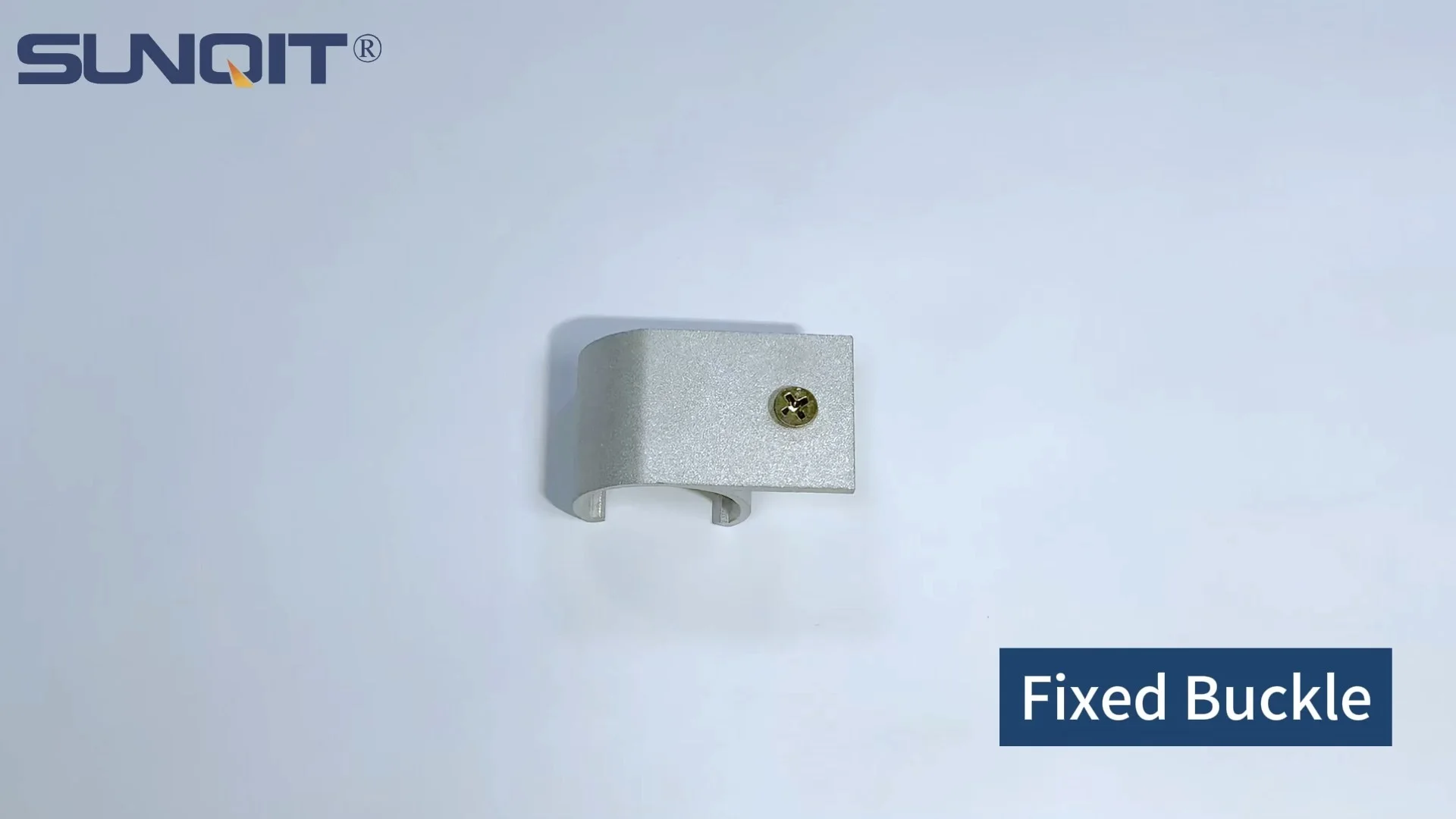
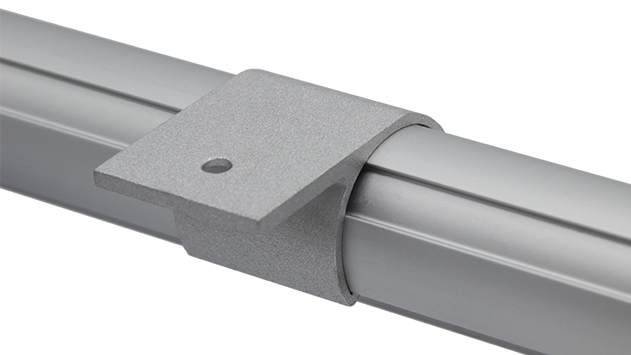
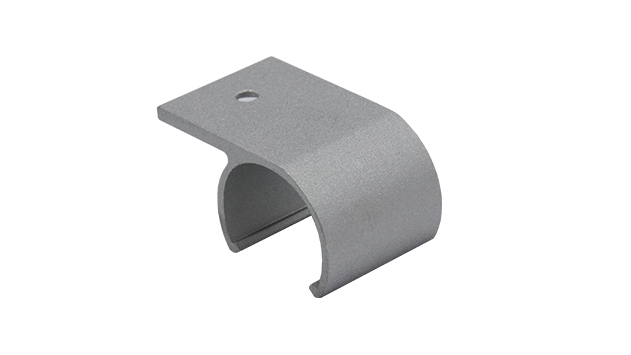
Aluminum pipe side clamp used for 28mm aluminum pipe connect with table top, or other accessories.
In the bustling world of mechanical engineering, where precision and efficiency are the cornerstones of success, there exists a humble yet indispensable component that often goes unnoticed: the aluminum pipe clamp. These unassuming tools are the silent architects behind some of the most robust and adaptable systems in manufacturing, assembly, and material handling. From the workbench in a small garage workshop to the sprawling conveyor lines of automotive plants, aluminum pipe clamps play a pivotal role in holding everything together—literally and figuratively. But what makes them so special? Why have they become the go-to choice for engineers and designers aiming to balance durability, flexibility, and cost-effectiveness? In this article, we'll dive deep into the world of aluminum pipe clamps, exploring their design, materials, and the key applications that make them a linchpin in modern mechanical engineering.
Understanding Aluminum Pipe Clamps: Design and Material Science
At first glance, an aluminum pipe clamp might seem like a simple piece of hardware, but its design is a testament to the marriage of form and function. Unlike their steel counterparts, aluminum pipe clamps leverage the unique properties of aluminum to deliver a combination of strength, lightness, and corrosion resistance that's hard to match. Let's break down what makes these clamps tick, starting with the material itself.
Aluminum as a Material: Why It Works
Aluminum is a metal that needs no introduction in engineering circles, but its suitability for pipe clamps deserves a closer look. For starters, aluminum has a high strength-to-weight ratio, meaning it can withstand significant loads without adding unnecessary bulk. This is particularly important in applications where weight is a concern, such as mobile workstations or overhead conveyor systems, where reducing structural stress can extend the lifespan of the entire setup. Additionally, aluminum naturally forms a protective oxide layer when exposed to air, making it highly resistant to corrosion—a critical feature in manufacturing environments where moisture, oils, or chemicals might be present. Unlike steel, which requires painting or coating to prevent rust, aluminum clamps maintain their integrity even in harsh conditions, reducing maintenance costs over time.
But it's not just about strength and corrosion resistance. Aluminum's malleability allows for intricate designs that ensure a secure, tight fit around pipes. Whether it's a 90-degree elbow joint, a straight connector, or an adjustable clamp, aluminum can be extruded, cast, or machined into complex shapes that grip pipes firmly without damaging their surfaces. This flexibility in design is why aluminum pipe clamps are compatible with a wide range of aluminum pipe accessories, from simple bolts and washers to specialized connectors that enable 360-degree rotation or quick-release mechanisms.
Key Components: Aluminum Pipe Accessories and Their Roles
An aluminum pipe clamp is rarely used in isolation. To build a functional system—say, a workbench or a material rack—clamps work in tandem with a variety of aluminum pipe accessories that enhance their versatility. Let's take a quick tour of the most common accessories and how they complement the clamps:
- Joints and Connectors: These are the "adapters" of the aluminum pipe world, allowing clamps to connect pipes at different angles (90°, 45°, 135°, etc.) or in straight lines. For example, a 90° aluminum crossing joint lets two pipes intersect perpendicularly, creating stable corners for frames. Internal or external rotatory aluminum joints take this a step further, enabling parts of the structure to pivot or rotate, which is useful for adjustable shelving or foldable workbenches.
- End Caps and Covers: While not clamps themselves, end caps are essential for finishing off aluminum pipe ends, preventing sharp edges and adding a clean, professional look. They also protect the inside of pipes from dust, debris, or moisture, which can compromise the fit of clamps over time.
- Mounting Brackets: These accessories attach clamps (and thus the pipes they hold) to surfaces like walls, floors, or machinery. Heavy-duty aluminum foot bases, for instance, provide a stable foundation for freestanding structures like material racks, ensuring they don't wobble or tip under load.
- Adjustable Components: Some clamps come with built-in adjustment mechanisms, such as slotted holes or threaded bolts, that allow for fine-tuning the tightness or position of the clamp. These are often paired with aluminum pipe accessories like swivel roller balls or caster wheels, turning a static frame into a mobile workstation that can be repositioned with ease.
Together, these components transform a collection of aluminum pipes and clamps into a modular system that can be customized to fit almost any need. It's this modularity that has made aluminum pipe clamps a favorite among engineers who value adaptability—after all, in a world where production lines change, product sizes evolve, and workspace needs shift, being able to reconfigure a system without rebuilding it from scratch is a game-changer.
Key Applications in Mechanical Engineering
Now that we understand the "how" of aluminum pipe clamps, let's explore the "where." These clamps are not just theoretical solutions—they're workhorses in real-world settings, powering everything from small-scale workshops to industrial giants. Below are some of their most impactful applications, each highlighting how aluminum pipe clamps, paired with aluminum profile and accessories, solve unique engineering challenges.
Workbench Assembly: Building Sturdy, Adaptable Workspaces
Walk into any manufacturing facility, repair shop, or even a hobbyist's garage, and you're likely to find a workbench that relies on aluminum pipe clamps. Workbenches are the heart of any workspace, and their design directly impacts productivity and ergonomics. Aluminum pipe clamps shine here because they allow for fully customizable workbench setups that can be tailored to the task at hand.
Consider a typical assembly line workbench. Using aluminum profile (often in the form of extruded tubes or beams) and clamps, engineers can adjust the height of the bench to match the average height of workers, reducing strain on backs and shoulders. Need a shelf for tools? Add a few aluminum pipes and clamps to create a lower tier. Want to mount a vice or a power tool? Use specialized clamps to secure the equipment firmly to the bench frame. Even accessories like LED light bars or cable management trays can be attached using compatible clamps, keeping the workspace organized and efficient.
One of the most popular workbench designs in industrial settings is the "Workbench E (single deck-without caster)" model, which uses aluminum pipe clamps to create a stable, fixed-height surface. What makes this design so versatile is that it can be easily modified—if a team needs extra storage, clamps can be used to add a second deck or side shelves. If the workbench needs to be moved (even temporarily), swapping out fixed feet for caster wheels (secured with clamps, of course) transforms it into a mobile unit. This adaptability is why aluminum pipe clamps are preferred over welded steel frames, which are permanent and difficult to reconfigure.
Material Racks: Organizing Inventory with Precision
Every manufacturing operation, big or small, struggles with inventory management. Keeping parts, components, and finished products organized not only saves time but also reduces the risk of damage or loss. This is where material racks, built with aluminum pipe clamps and aluminum profile, come into play. Material racks need to be strong enough to hold heavy loads, flexible enough to accommodate different part sizes, and durable enough to withstand constant use—and aluminum pipe clamps deliver on all three fronts.
Take the "Material Rack B (3 row and 3 floor)" design, a common sight in warehouses. This rack uses vertical aluminum pipes connected by horizontal beams, all secured with clamps. Each "floor" can be adjusted in height by loosening the clamps, sliding the beams up or down, and retightening—no need for drilling or welding. This is crucial for storing items of varying heights, from small electronic components in bins to large metal castings. The use of aluminum ensures the rack is light enough to be moved (with caster wheels, if needed) but strong enough to hold hundreds of kilograms per shelf.
Aluminum pipe clamps also excel in specialized material racks, such as those used for storing delicate or irregularly shaped items. For example, racks designed to hold automotive parts might use swivel roller balls (often 1 inch or 0.5 inch in size) mounted on aluminum rails, secured with clamps. These roller balls allow parts to glide smoothly, making it easy for workers to access items without lifting or dragging, reducing the risk of damage. The clamps ensure the roller tracks are aligned perfectly, preventing jams and ensuring a consistent flow of materials.
Conveyor Systems: Smooth Material Flow with Aluminum Profile
Conveyor systems are the arteries of manufacturing, moving materials from one station to another with minimal human intervention. Whether it's a simple gravity-fed roller track or a motorized belt conveyor, aluminum pipe clamps play a critical role in ensuring these systems run smoothly and reliably.
Gravity conveyors, which use inclined roller tracks to move items via gravity, rely heavily on aluminum pipe clamps to align and secure the roller tracks. Using aluminum guide rails (like Aluminum Guide Rail A or B) and clamps, engineers can create a track that's perfectly straight and level, ensuring items don't veer off course. For example, Plastic Roller Track Guide Rails (available in yellow or grey) are often clamped to aluminum profile to create a low-friction surface for boxes or totes. The clamps here must be strong enough to withstand the constant vibration of rolling items but also adjustable enough to fine-tune the track's angle for optimal speed.
Motorized conveyors, on the other hand, use aluminum pipe clamps to support the frame and guide the belt or chain. The lightweight nature of aluminum is a huge advantage here—conveyor systems can span long distances, and using aluminum clamps reduces the overall weight of the structure, making it easier to install and less stressful on the supporting floor or ceiling. Additionally, aluminum's corrosion resistance ensures the frame doesn't degrade over time, even in environments where the conveyor is exposed to dust, moisture, or cleaning chemicals.
Custom Assembly Lines: Flexibility with Aluminum Extrusion Profile
Modern manufacturing is all about agility—being able to switch production from one product to another quickly and efficiently. This is where custom assembly lines, built with aluminum extrusion profile and pipe clamps, truly shine. Aluminum extrusion profile refers to aluminum bars with a specific cross-sectional shape (often with T-slots for easy mounting), and when paired with clamps, they become the building blocks of modular assembly lines.
Imagine a smartphone assembly plant that needs to switch from producing Model X to Model Y, which has slightly different dimensions. With traditional steel assembly lines, this might require weeks of retooling. But with aluminum pipe clamps and extrusion profile, the line can be reconfigured in days. Need to adjust the height of a component holder? Loosen the clamps, move the profile, and retighten. Want to add a new inspection station? Attach a few aluminum pipes and clamps to create a new work surface. Even specialized equipment like robotic arms can be mounted using custom clamps, ensuring they're positioned with millimeter precision.
Aluminum pipe clamps also play a role in safety on assembly lines. For example, machine guards—used to protect workers from moving parts—can be built using aluminum pipes and clamps, creating a lightweight yet sturdy barrier. If maintenance is needed, the guards can be quickly disassembled by removing the clamps, then reassembled just as easily. This balance of safety and accessibility is hard to achieve with rigid materials like steel, which often require cutting or welding to modify.
The Benefits of Choosing Aluminum Pipe Clamps Over Alternatives
With so many clamping options available—steel, plastic, even wood—why do engineers keep coming back to aluminum pipe clamps? The answer lies in their unique combination of benefits that address the core challenges of mechanical engineering: durability, cost, and adaptability. Let's unpack these advantages to understand why aluminum pipe clamps are often the superior choice.
Durability Without the Weight
Steel clamps are known for their strength, but they come with a major downside: weight. A steel clamp of the same size as an aluminum one can be up to three times heavier, which adds up quickly when building large structures like material racks or conveyor systems. This extra weight not only makes installation more labor-intensive but also increases the load on the floor or ceiling, requiring additional structural support. Aluminum pipe clamps eliminate this problem—their lightness makes them easy to handle during setup, and they reduce the overall weight of the system, extending the life of supporting structures.
But don't mistake lightness for weakness. Aluminum pipe clamps, especially when paired with high-quality aluminum profile, can handle impressive loads. For example, a standard 90° aluminum joint clamp can support up to 500 kg when properly installed, more than enough for most industrial applications. And because aluminum doesn't rust, these clamps maintain their strength over time, unlike steel clamps that may weaken as corrosion sets in.
Cost-Effectiveness in Long-Term Operations
It's true that aluminum pipe clamps can have a higher upfront cost than plastic clamps or even some steel options. But when viewed through the lens of total cost of ownership, they often come out ahead. Here's why:
- Low Maintenance: As mentioned earlier, aluminum's corrosion resistance means no need for painting, coating, or rust treatment. This saves time and money on upkeep, especially in harsh environments.
- Reusability: Aluminum pipe clamps are modular by design. When a system is no longer needed, the clamps can be disassembled and reused in another project. Plastic clamps, by contrast, may crack or degrade when taken apart, and steel clamps often rust shut, making them difficult to reuse.
- Energy Efficiency: In applications like conveyor systems, lighter aluminum clamps reduce the energy needed to move parts, lowering electricity costs over time. Similarly, in mobile systems like carts or workbenches, less weight means easier maneuverability, reducing operator fatigue and improving productivity.
Adaptability and Reusability
The modern manufacturing landscape is characterized by constant change—new products, new processes, and new regulations. Aluminum pipe clamps thrive in this environment because they're inherently adaptable. Unlike welded steel structures or glued plastic components, aluminum clamps allow for quick modifications. Need to add a shelf? Swap out a straight clamp for a T-joint. Want to shorten a pipe? Cut it to length and reattach the clamp. This adaptability not only saves time but also encourages innovation—engineers feel empowered to experiment with new designs knowing they can easily adjust if something doesn't work.
Reusability is another key factor. In an era where sustainability is a top priority, aluminum pipe clamps align with green manufacturing goals. Aluminum is 100% recyclable, and even after years of use, clamps can be melted down and repurposed into new components. This reduces waste and lowers the environmental impact of manufacturing operations, a benefit that's increasingly important to customers, regulators, and stakeholders alike.
Practical Installation Tips for Optimal Performance
Even the best aluminum pipe clamps won't perform well if they're installed incorrectly. Proper installation ensures a secure fit, maximizes load capacity, and extends the life of the clamps and the system they support. Below are some practical tips to keep in mind when working with aluminum pipe clamps, whether you're building a simple workbench or a complex conveyor system.
Tools Needed
Before you start, gather the right tools. For most aluminum pipe clamp installations, you'll need:
- A tape measure and level to ensure pipes are straight and aligned.
- Hex keys or wrenches (depending on the clamp's fasteners—most aluminum clamps use hex bolts for easy tightening).
- A rubber mallet (to gently tap pipes into place without damaging the aluminum).
- A deburring tool (to remove sharp edges from cut aluminum pipes, which can scratch clamps or cause injury).
- Thread locker (optional but recommended for clamps in high-vibration environments, to prevent bolts from loosening over time).
Step-by-Step Guide to Assembling a Basic Frame
Let's walk through the process of assembling a simple rectangular frame using aluminum pipes, clamps, and a few basic accessories. This could be the base of a workbench or a small material rack:
- Measure and Cut Pipes: Start by measuring the length of the pipes you'll need for the frame. Use a pipe cutter to cut the aluminum profile to size, then deburr the ends to ensure a smooth fit.
- Attach Corner Clamps: Take four 90° aluminum joint clamps and slide one onto each end of two pipes (these will be the vertical sides of the frame). Tighten the clamps just enough to hold them in place—you'll want to adjust later.
- Connect Horizontal Pipes: Take the remaining two pipes (horizontal sides) and insert them into the open ends of the corner clamps. Use a level to ensure the frame is square—measure the diagonals; they should be equal if the frame is straight.
- Tighten Clamps Securely: Once the frame is level and square, tighten the clamps fully using a hex key. Be careful not to overtighten, as this can strip the threads or warp the clamp.
- Add Reinforcements (Optional): For added stability, especially in larger frames, add diagonal bracing using additional pipes and T-joint clamps. This helps prevent the frame from twisting under load.
- Test the Frame: Gently shake the frame to check for wobbling. If it moves, double-check the clamps and ensure all pipes are fully inserted into the joints. Adjust as needed.
Common Pitfalls to Avoid
Even with the right tools and steps, mistakes can happen. Here are some common pitfalls to watch out for:
- Undertightening Clamps: A loose clamp can cause pipes to slip, leading to instability or even system failure. Always tighten clamps until they're snug, but not so tight that the aluminum deforms.
- Overtightening Clamps: This can damage the clamp's threads or the pipe's surface, weakening the connection. If you hear a "creaking" sound when tightening, stop—you've gone too far.
- Ignoring Alignment: A frame that's not square will stress the clamps and pipes, leading to premature wear. Always use a level and measure diagonals to ensure alignment.
- Using the Wrong Clamp for the Load: Not all aluminum clamps are created equal. Check the manufacturer's load ratings and ensure the clamp is rated for the weight it will support. Using a light-duty clamp for a heavy load is a recipe for disaster.

Comparing Aluminum Pipe Clamps: A Closer Look at Design Variations
Aluminum pipe clamps come in a variety of designs, each tailored to specific applications. Understanding the differences between these designs can help you choose the right clamp for your project. Below is a comparison table highlighting four common types of aluminum pipe clamps, their key features, and ideal uses.
| Clamp Type | Design Features | Primary Application | Load Capacity (kg) | Compatibility | Installation Difficulty |
|---|---|---|---|---|---|
| 90° Fixed Joint Clamp | Angled design with two perpendicular ports; uses hex bolts to secure pipes. | Corner connections in frames, workbenches, and material racks. | Up to 500 kg (per clamp, when properly installed). | Aluminum profile with OD 28mm–40mm; compatible with most standard aluminum pipes. | Easy (requires hex key; minimal adjustment needed). |
| Straight Adjustable Clamp | Slotted design with a movable jaw; can slide along the pipe to adjust position. | Creating variable-length connections, such as adjustable shelves or telescoping frames. | Up to 300 kg (varies by slot length and bolt size). | Aluminum pipe with smooth OD; works best with pipes of the same diameter. | Moderate (requires alignment of slots; may need two people for large pipes). |
| Parallel Aluminum Joint A | Dual-port design for connecting two parallel pipes; includes reinforcement ribs for stability. | Supporting horizontal beams in racks, or creating double-pipe structures for added strength. | Up to 600 kg (for two pipes; distributes load evenly). | Aluminum profile with matching ODs; ideal for 28mm or 30mm pipes. | Easy to moderate (requires aligning two pipes; bolts secure both ports simultaneously). |
| Swivel Joint Clamp | Rotating design with a ball-and-socket or hinge mechanism; allows 360° rotation of connected pipes. | Articulating arms, foldable workbenches, or conveyor systems with variable angles. | Up to 200 kg (lower due to rotating components; higher for heavy-duty swivel clamps). | Most aluminum pipes; some models compatible with steel pipes (check manufacturer specs). | Moderate to difficult (requires precise alignment of rotating components; may need lubrication). |
As the table shows, each clamp type has its strengths. For static frames, the 90° fixed joint clamp is reliable and easy to install. For adjustable systems, the straight adjustable clamp offers flexibility. When extra strength is needed, the parallel joint clamp distributes load across two pipes. And for moving parts, the swivel joint clamp provides the articulation required. By matching the clamp design to the application, you ensure optimal performance and longevity.
Future Trends: Innovations in Aluminum Pipe Clamp Technology
The world of mechanical engineering is constantly evolving, and aluminum pipe clamps are no exception. As industries like automation, renewable energy, and smart manufacturing grow, so too do the demands on the components that power them. Below are some emerging trends that could shape the future of aluminum pipe clamps, making them even more integral to engineering design.
Integration with Smart Manufacturing
Smart manufacturing, which uses IoT sensors and data analytics to optimize production, is transforming factories into connected ecosystems. In this context, aluminum pipe clamps could soon become more than just structural components—they could be data collectors. Imagine clamps embedded with tiny sensors that monitor temperature, vibration, or even clamp tightness in real time. If a clamp starts to loosen, the sensor could send an alert to maintenance staff, preventing a potential system failure. Similarly, temperature sensors in clamps could detect overheating in nearby machinery, adding an extra layer of safety.
Another area of innovation is 3D printing. While aluminum pipe clamps are currently mass-produced via extrusion or casting, 3D printing could enable the creation of custom clamps with intricate designs that were previously impossible. For example, a clamp with a built-in cable management channel or a specialized grip pattern for non-standard pipe shapes. 3D printing also allows for rapid prototyping, so engineers can test new clamp designs in days rather than weeks, accelerating innovation.
Sustainability: Greener Materials and Processes
As the push for sustainability intensifies, aluminum pipe clamp manufacturers are finding ways to reduce their environmental footprint. One trend is the use of recycled aluminum in clamp production. Recycled aluminum requires 95% less energy to produce than primary aluminum, making it a greener alternative without sacrificing quality. Some manufacturers are also exploring bio-based lubricants for clamp production and water-based coatings for any non-aluminum components, further reducing their carbon footprint.
Another sustainability trend is the development of "zero-waste" clamp designs. This involves engineering clamps that can be disassembled into their component parts at the end of their life, making recycling easier. For example, clamps with modular bolts and washers that can be separated from the aluminum body, ensuring all materials are properly recycled or reused.
Enhanced Ergonomics and Safety
Ergonomics is becoming a top priority in manufacturing, as companies recognize the link between comfortable workspaces and productivity. Aluminum pipe clamps are evolving to support this trend with designs that make systems easier to adjust and use. For example, quick-release clamps that can be tightened or loosened with a single hand, reducing the time and effort needed to reconfigure workbenches or racks. Soft-grip handles on clamps could also make them easier to maneuver, especially for workers with limited hand strength.
Safety is another focus area. New clamp designs are incorporating features like rounded edges to prevent cuts, and non-slip surfaces to ensure a better grip during installation. Some clamps even include color-coded components to indicate load capacity, helping workers quickly identify the right clamp for the job and reducing the risk of overloading.
Conclusion: The Backbone of Modern Mechanical Engineering
Aluminum pipe clamps may not grab headlines like cutting-edge robots or AI-powered systems, but they are the unsung heroes that hold the world of mechanical engineering together. From the workbench where a technician assembles a circuit board to the conveyor system that moves cars through a factory, these clamps provide the flexibility, durability, and adaptability that modern manufacturing demands. They are a testament to the power of simple, well-designed components—proving that sometimes, the most impactful innovations are the ones that quietly get the job done.
As we've explored, aluminum pipe clamps owe their success to a combination of material science (aluminum's strength, lightness, and corrosion resistance), modular design (compatibility with a wide range of accessories), and practicality (easy installation, reusability, and cost-effectiveness). Whether paired with aluminum profile to build a custom assembly line or used to create a mobile workbench, these clamps empower engineers to think creatively, adapt quickly, and build systems that can keep pace with an ever-changing industry.
Looking ahead, the future of aluminum pipe clamps is bright. With trends like smart sensors, 3D printing, and sustainable manufacturing shaping the industry, these clamps will continue to evolve, offering even more functionality and value. But no matter how advanced they become, their core purpose will remain the same: to connect, support, and enable the innovations that drive mechanical engineering forward. So the next time you walk through a factory or use a workbench, take a moment to appreciate the aluminum pipe clamps holding it all together—they may be small, but their impact is enormous.