- Company Articles
- Products and Technology
- Application Cases
- Aluminum Pipe Clamps in Warehousing: Optimizing Logistics Flow

Aluminum Pipe Clamps in Warehousing: Optimizing Logistics Flow
Related Product
Aluminum Pipe Clamp
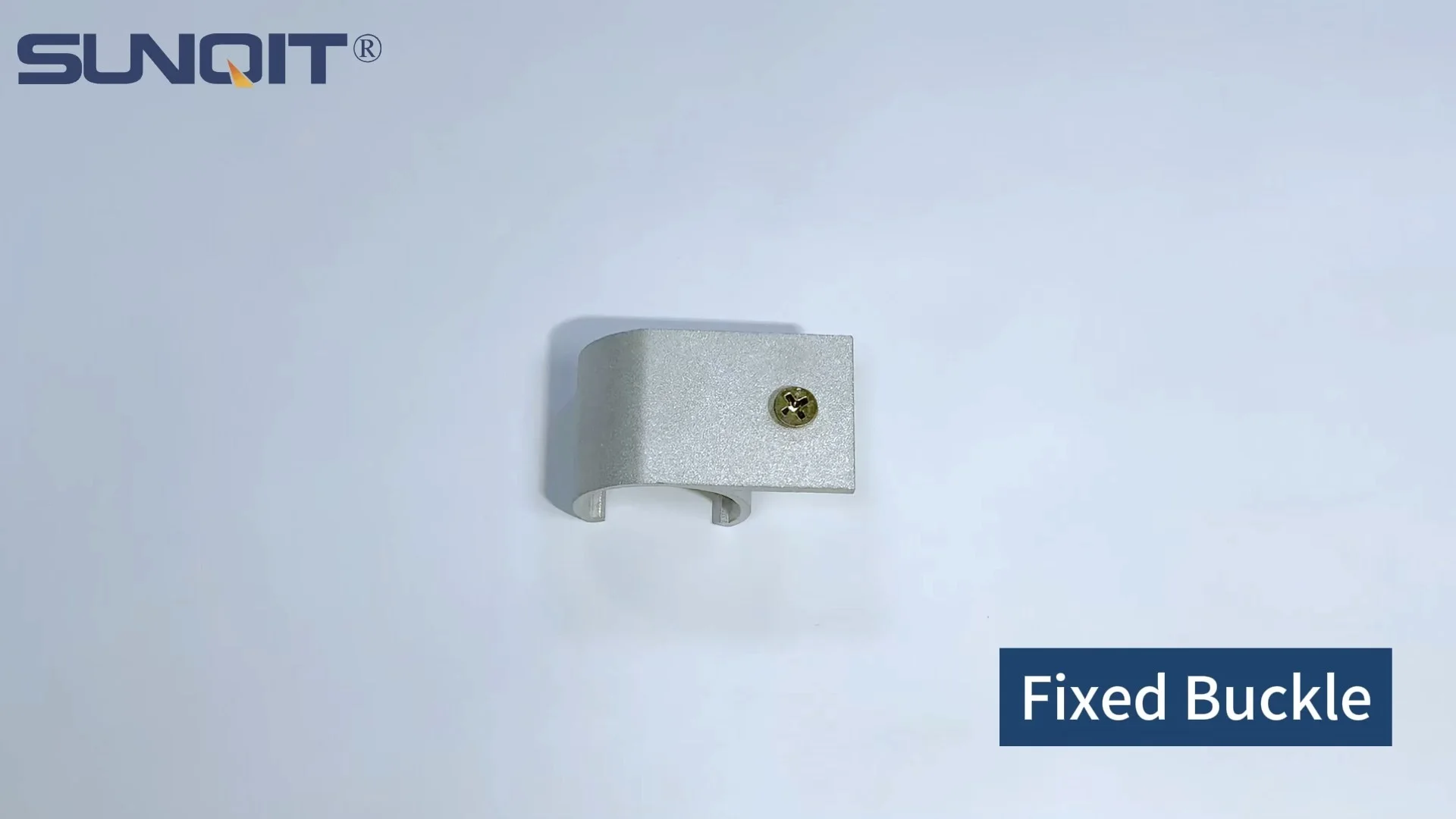
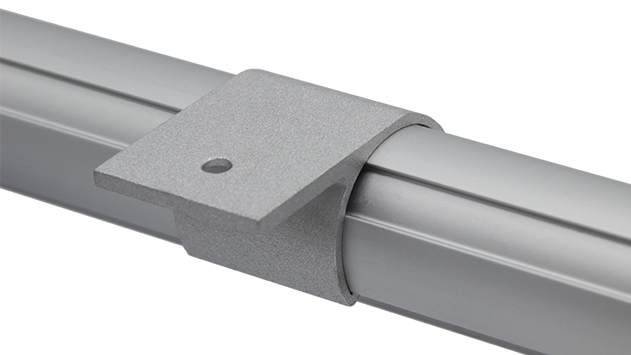
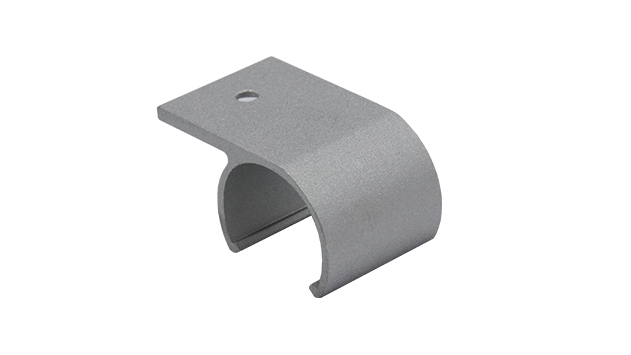
Aluminum pipe side clamp used for 28mm aluminum pipe connect with table top, or other accessories.
Walk into any busy warehouse or manufacturing facility, and you'll quickly spot the unsung heroes of efficient operations: the structures that keep materials moving, workspaces organized, and teams productive. From the racks holding inventory to the workbenches where products are assembled, every component plays a role in the delicate dance of logistics. But among these, one small yet mighty tool often goes unnoticed: the aluminum pipe clamp . These unassuming connectors are the glue that holds modern warehousing systems together, enabling flexibility, durability, and seamless flow in ways traditional materials simply can't match.
In an industry where every second counts—where delays in material handling can derail production schedules or increase fulfillment times—adaptability is key. Warehouses today aren't static; they evolve with shifting product lines, seasonal demand, and new efficiency standards. This is where aluminum pipe clamps shine. By linking aluminum profiles , roller tracks , and other components, they create modular systems that grow, change, and improve alongside your operations. Let's dive into how these humble clamps are transforming logistics flow, one connection at a time.
What Are Aluminum Pipe Clamps, and Why Do They Matter?
At first glance, aluminum pipe clamps might seem like little more than metal brackets. But their design and functionality tell a different story. These clamps are precision-engineered connectors, typically made from high-grade aluminum alloys (like 6063-T5, known for its strength and corrosion resistance), designed to join aluminum pipes, profiles, and accessories into stable, customizable structures. Unlike rigid welding or permanent fasteners, they allow for tool-free adjustments, quick disassembly, and reconfiguration—making them the backbone of lean, agile workspaces.
But why aluminum? For starters, aluminum is lightweight yet surprisingly strong, making it easy to handle during installation without sacrificing load capacity. Its natural resistance to rust and corrosion means it holds up in harsh warehouse environments, from dusty manufacturing floors to temperature-fluctuating storage areas. And when paired with aluminum profiles—extruded pieces with T-slots for easy accessory attachment—aluminum pipe clamps become part of a system that's as versatile as it is durable. Whether you're building a flow rack for parts distribution, a workbench for assembly, or a roller track for material transport, these clamps ensure every component stays securely in place while remaining adaptable to future needs.
Real-World Impact: A Small Change, Big Results
Consider a mid-sized electronics manufacturer I worked with last year. Their assembly line relied on fixed wooden workbenches and steel racks—sturdy, but impossible to adjust when new product sizes came in. Workers were constantly stretching to reach tools, and materials often got stuck in rigid, non-adjustable flow channels. After switching to aluminum profiles and pipe clamps, they reconfigured workbenches in hours (not days), added adjustable shelves, and installed roller tracks that could be angled for smoother part flow. Within a month, production time per unit dropped by 18%, and employee fatigue complaints decreased significantly. All because of a system built on the flexibility of aluminum pipe clamps.
The Role of Aluminum Pipe Clamps in Optimizing Logistics Flow
Logistics flow isn't just about moving things from Point A to Point B—it's about doing so efficiently, safely, and with minimal waste. Aluminum pipe clamps contribute to this in three key ways: by enabling modular design, enhancing material handling, and supporting lean principles.
1. Modular Design: Build What You Need, When You Need It
Traditional warehousing structures—think welded steel racks or bolted-down workbenches—are like concrete: once set, they're hard to change. This rigidity becomes a problem when your needs shift. A sudden spike in orders might require more storage space, or a new product line could demand a wider work surface. With aluminum pipe clamps, you're not stuck. These clamps allow you to add, remove, or reposition components on the fly. Need an extra shelf on your flow rack? Just loosen a few clamps, add an aluminum profile, and tighten. Want to lower a roller track to reduce material speed? Adjust the angle brackets held by clamps. This modularity means your warehouse can evolve without expensive overhauls or downtime.
Take roller tracks , for example. These tracks use gravity or manual force to move boxes, bins, or parts along a path—critical for efficient picking and assembly. But if the track is too steep, items slide too fast and risk damage; too shallow, and they get stuck. Aluminum pipe clamps let you the track's angle by adjusting the height of the supporting aluminum profiles. You can even add curves or branches by connecting tracks with specialized clamp joints, creating custom paths that match your workflow. No welding, no cutting—just quick adjustments that keep materials moving smoothly.
2. Enhancing Material Handling: From Stagnation to Flow
In warehousing, stagnant materials are a silent productivity killer. When parts sit idle on a shelf or get stuck in a poorly designed channel, they slow down production, increase labor costs, and create bottlenecks. Aluminum pipe clamps combat this by enabling the creation of systems that keep materials in constant, controlled motion.
Flow racks are a perfect example. These racks use inclined roller tracks to let materials "flow" from the back (where they're restocked) to the front (where they're picked), following the FIFO (First In, First Out) principle. But a flow rack is only as good as its structure. Aluminum pipe clamps secure the roller tracks to the rack's vertical supports, ensuring the incline stays consistent across all levels. They also allow for easy adjustment of track width—critical when switching between different bin sizes. A client in the automotive parts industry once told me their old steel flow racks couldn't handle the varying widths of their component bins; parts would either tip over or jam. After retrofitting with aluminum profiles and clamps, they adjusted track widths in minutes, reducing jams by 90% and cutting picking time by 25%.
Roller tracks themselves rely on clamps for alignment. Misaligned tracks cause materials to veer off course, leading to spills or damage. Aluminum pipe clamps, with their precise fit and secure grip, keep tracks perfectly parallel and level. Some clamps even feature swivel joints, allowing tracks to curve around obstacles or connect to different workstations. This level of customization ensures materials move from receiving to shipping (or from storage to assembly) with minimal human intervention—freeing up workers to focus on higher-value tasks.
3. Supporting Lean Systems: Reducing Waste, Increasing Value
Lean manufacturing and warehousing are all about eliminating waste—whether it's wasted time, space, or resources. Aluminum pipe clamps align perfectly with this philosophy by enabling systems that adapt to actual needs, not just hypothetical ones. Unlike fixed structures that force workflows to conform to their limitations, clamp-based systems conform to your workflow, reducing unnecessary movement and inefficiency.
Take workbenches, for instance. A lean workspace requires tools and materials to be within arm's reach of the operator, minimizing motion waste. With aluminum pipe clamps, you can attach tool holders, bins, and even overhead shelving directly to the workbench frame. If an operator's process changes—say, they start using a new tool—you simply reposition the holder using the clamps. No need to buy a whole new workbench; just adjust the existing one. This not only saves money but also reduces the waste of discarded furniture and materials.
Aluminum pipe clamps also support lean by making it easy to scale systems up or down. During peak seasons, you might need extra flow rack levels to handle increased inventory; during slower periods, you can disassemble unused sections and store them compactly. This "right-sizing" of space prevents the waste of maintaining unused structures, keeping your warehouse floor uncluttered and efficient.
Aluminum Pipe Clamps vs. Traditional Alternatives: A Clear Advantage
To truly appreciate the value of aluminum pipe clamps, it helps to compare them to traditional fastening methods. Let's break down how they stack up against welding, steel brackets, and plastic connectors in key areas:
| Feature | Aluminum Pipe Clamps | Welding | Steel Brackets | Plastic Connectors |
|---|---|---|---|---|
| Installation Time | Minutes (tool-free or basic tools) | Hours (requires skilled labor) | 30+ minutes (drilling, bolting) | Minutes, but less secure |
| Flexibility | High (easily disassembled/reconfigured) | None (permanent) | Low (bolts can strip; hard to adjust) | Medium (flexible but weak under load) |
| Durability | High (aluminum resists corrosion; strong joints) | High, but prone to rust (steel) | High, but heavy and rust-prone | Low (prone to cracking under weight/heat) |
| Weight | Light (easy to handle/install) | Heavy (requires machinery for positioning) | Heavy (increases structural load) | Light, but not load-bearing |
| Cost Over Time | Low (reusable; minimal maintenance) | High (expensive to modify; labor costs) | Medium (cheap upfront, but costly to replace) | Low upfront, but frequent replacement needed |
The table tells a clear story: aluminum pipe clamps offer a balance of speed, flexibility, and durability that other methods can't match. Welding might be strong, but it's permanent and expensive to change. Steel brackets are durable but heavy and hard to adjust. Plastic connectors are cheap but lack the strength for industrial use. Aluminum pipe clamps? They hit the sweet spot—strong enough for heavy loads, flexible enough for changing needs, and cost-effective over the long haul.
Beyond the Basics: Specialized Clamps for Every Need
Not all aluminum pipe clamps are created equal. Manufacturers design different types to suit specific applications, ensuring there's a clamp for every connection challenge. Here are a few key varieties you might encounter in a warehouse setting:
Fixed Clamps
These are the workhorses of the clamp world, designed for permanent (but still adjustable) connections. They lock two profiles or pipes at a fixed angle—usually 90° or 45°—and are ideal for vertical supports or horizontal shelves where stability is critical. Fixed clamps often feature ergonomic levers or knobs for easy tightening without tools, making on-the-fly adjustments a breeze.
Swivel Clamps
For connections that need to pivot, swivel clamps are essential. These clamps allow one component to rotate relative to another, perfect for roller tracks that need to curve or workbench extensions that fold down when not in use. Some swivel clamps even lock at specific angles, giving you the best of both flexibility and stability.
Parallel Clamps
When you need to connect two parallel profiles—like the side rails of a roller track or the legs of a workbench—parallel clamps ensure they stay perfectly aligned. These clamps span the gap between profiles, distributing weight evenly and preventing sagging over time. They're a must-have for long spans, like the crossbars of a flow rack.
T-Slot Clamps
Aluminum profiles are famous for their T-slots—long, narrow channels that let you attach accessories anywhere along the profile's length. T-slot clamps slide into these slots, providing a secure base for shelves, tool holders, or roller track brackets. They're incredibly versatile, allowing you to add or move accessories without drilling new holes.
By mixing and matching these clamp types, you can create almost any structure imaginable. A flow rack might use fixed clamps for vertical supports, parallel clamps for horizontal rails, and T-slot clamps to attach roller tracks. A workbench could combine fixed clamps for the frame, swivel clamps for a fold-down tool tray, and T-slot clamps for adjustable shelves. The possibilities are limited only by your needs—and your creativity.

Maintenance Tips: Keeping Your Clamp System in Top Shape
Like any warehouse equipment, aluminum pipe clamp systems need regular care to stay efficient. The good news? Aluminum's durability means maintenance is minimal, but a few simple steps can extend their lifespan and ensure they keep performing at their best.
Inspect Regularly for Loose Connections
Vibration from moving materials or heavy use can loosen clamps over time. A quick weekly inspection—checking for wobbly shelves, misaligned tracks, or loose knobs—can prevent small issues from becoming big problems. Tighten any loose clamps with a quick twist of the knob; most don't require tools, so this takes just minutes per rack or workbench.
Clean to Prevent Debris Buildup
Dust, grease, and debris can accumulate in clamp joints or T-slots, making adjustments harder. Wipe down clamps with a dry cloth monthly, and use a soft brush to clean out T-slots. For stubborn grime, a mild soap and water solution works—just dry thoroughly to maintain aluminum's corrosion resistance.
Lubricate Moving Parts (When Needed)
Swivel clamps or roller track joints might benefit from occasional lubrication to keep movement smooth. Use a dry lubricant (like silicone spray) to avoid attracting dust, and apply sparingly—too much lubricant can make surfaces slippery, which is dangerous for materials or workers.
replace Worn Components Promptly
While aluminum clamps are durable, parts like plastic knobs or rubber gaskets can wear out over time. Keep a small stock of replacement clamps and accessories on hand, and swap out any damaged components immediately. This prevents system failure and ensures your structure remains safe and stable.
Conclusion: Aluminum Pipe Clamps—The Foundation of Modern Warehousing
In the fast-paced world of warehousing and logistics, efficiency isn't just a goal—it's a necessity. Aluminum pipe clamps might not grab headlines, but they're the quiet innovators driving this efficiency forward. By enabling modular, adaptable systems that grow with your business, they turn static warehouses into dynamic, responsive hubs where materials flow smoothly, workers stay productive, and waste becomes a thing of the past.
Whether you're building a new flow rack, upgrading your workbenches, or retrofitting an entire warehouse, aluminum pipe clamps offer a simple truth: the best logistics systems aren't just built—they're evolved . And with these clamps as your foundation, evolution is easy. They're proof that sometimes, the smallest components make the biggest difference. So the next time you walk through your warehouse, take a closer look at those unassuming connectors holding everything together. You might just realize they're the key to unlocking your facility's full potential.
In the end, warehousing isn't about the tools you use—it's about how those tools empower your team to do more, faster, and better. Aluminum pipe clamps don't just connect profiles and tracks; they connect your operations to a future of flexibility, efficiency, and success. And in a world where logistics flow can make or break a business, that's a connection worth investing in.