- Company Articles
- Products and Technology
- Product knowledge
- Aluminum Pipe Clamps: Lightweight Advantage for Portable Workstations

Aluminum Pipe Clamps: Lightweight Advantage for Portable Workstations
Related Product
Aluminum Pipe Clamp
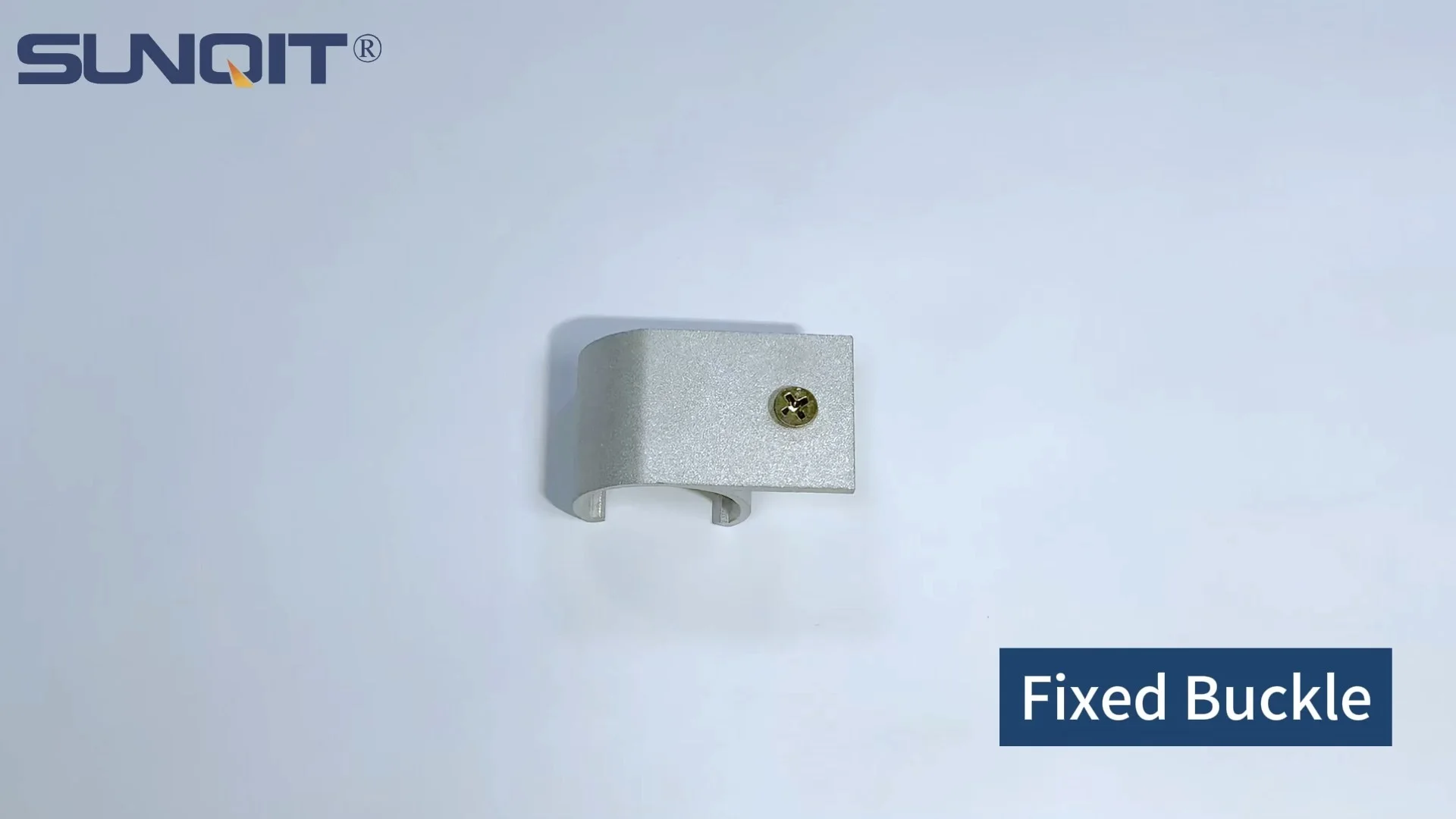
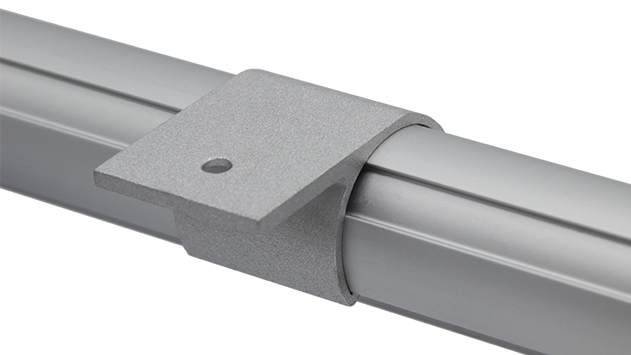
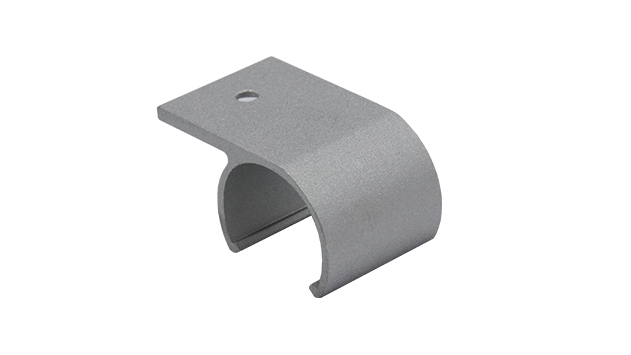
Aluminum pipe side clamp used for 28mm aluminum pipe connect with table top, or other accessories.
Picture this: It's a Tuesday morning in a small electronics assembly workshop. Maria, the production manager, is staring at a bottleneck. The new batch of circuit boards needs to move from the soldering station to the testing area, but the fixed steel workbench is too heavy to reposition. The team is wasting precious minutes carrying components back and forth, and frustration is mounting. "If only we could rearrange this setup in 10 minutes instead of 2 hours," she mutters. Sound familiar? For anyone running a workshop, factory, or even a garage-based startup, the struggle to balance stability, flexibility, and portability in workstations is all too real. Enter aluminum pipe clamps—the unsung heroes that are quietly revolutionizing how we build, adjust, and move workspaces.
The Evolution of Workstation Design: From Rigid to Responsive
Not long ago, workstations were built to last a lifetime—literally. Heavy wooden tables bolted to the floor, steel racks welded into place, and conveyor systems that required a construction crew to reconfigure. They were sturdy, sure, but they came with a big trade-off: adaptability. In a world where manufacturing lines shift overnight, where small businesses scale from 5 employees to 50 in a year, and where lean principles demand "just-in-time" efficiency, rigid workstations are a liability.
Then came modular systems—think Lego for grown-ups. Suddenly, workbenches, material racks, and trolleys could be assembled, disassembled, and reimagined without power tools or welding certifications. But early modular systems often relied on steel pipes and clunky connectors, which defeated the purpose of "portability." A steel pipe workstation might be adjustable, but try moving it across the shop floor by yourself. That's where aluminum stepped in, and at the heart of this shift? Aluminum pipe clamps.
Why Aluminum? The Core Advantage That Changes Everything
Aluminum isn't just a lighter alternative to steel—it's a material engineered for the demands of modern workspaces. Let's break it down: Steel is strong, no doubt, but it's heavy (about 7.8 grams per cubic centimeter, compared to aluminum's 2.7 g/cm³). That might not sound like much until you're assembling a workstation with 10 pipes and 20 joints. Suddenly, steel becomes a backbreaker, while aluminum feels almost featherlight by comparison. For a solo entrepreneur or a small team, that difference translates to hours saved on setup and reconfiguration.
But weight is just the start. Aluminum is naturally corrosion-resistant, thanks to its oxide layer that forms instantly when exposed to air. In humid workshops or warehouses near the coast, steel rusts; aluminum stays bright and functional. It's also recyclable, which matters more than ever as businesses prioritize sustainability. And let's not forget strength-to-weight ratio: aluminum might be lighter, but it's plenty tough for most tasks—think assembling laptops, packing orders, or even light automotive work. When paired with the right aluminum pipe clamps, it holds up to daily wear and tear without flexing or bending.
Aluminum Pipe Clamps: More Than Just a Fastener
So, what exactly are aluminum pipe clamps? At first glance, they look like simple connectors—small, often silver or black, with slots or screws that grip aluminum pipes. But their magic lies in their design: they turn basic aluminum lean pipe into a building block for almost anything. Unlike traditional clamps that require tools or brute force, modern aluminum pipe clamps (sometimes called "joints" or "fittings") are engineered for quick, tool-free assembly. Twist a lever, slide a pipe into place, tighten a knob—and you're done. Disassembly is just as easy: loosen the clamp, pull the pipe out, and rearrange.
But their versatility goes deeper. Aluminum pipe clamps come in dozens of configurations to suit every need: 90-degree elbows for right-angle joints, T-joints for branching off a main pipe, swivel joints that let sections rotate, and parallel clamps that hold two pipes side by side. Some even have built-in slots for attaching accessories like workbench tops or tool hooks. This variety means you're not stuck with a one-size-fits-all solution. Need a tall material rack today? Use straight clamps and long aluminum lean pipes. Tomorrow, disassemble it and build a low-profile packing station with swivel joints for angled shelves. The clamps adapt to your workflow, not the other way around.
And let's talk about compatibility. Aluminum pipe clamps aren't picky—they work seamlessly with aluminum lean pipe (the hollow, lightweight pipes that form the frame), aluminum profile accessories (like guide rails or panel mounts), and even add-ons like caster wheels. That means you can build a basic workstation today, then add wheels tomorrow to make it mobile, or attach a roller track next month to create a gravity-fed material flow. It's modularity on steroids, all centered around the humble clamp.
Building with Aluminum Pipe Clamps: Components That Work as a Team
To truly appreciate aluminum pipe clamps, you need to see them in action with their partners in crime: aluminum lean pipe, caster wheels, and aluminum profile accessories. Let's break down the dream team:
- Aluminum Lean Pipe: The backbone of the system. Typically 28mm or 40mm in diameter, these pipes are lightweight but rigid, with a smooth surface that resists scratches. They come in lengths from 1 meter to 6 meters, so you can cut them to size (with a simple hacksaw) for custom builds.
- Aluminum Pipe Clamps: The connectors that hold it all together. As we mentioned, they come in shapes like 90-degree, T-joint, and swivel, with most made from die-cast aluminum for durability.
- Caster Wheels: Add these to the bottom of your frame, and suddenly your workstation becomes a mobile cart. Look for swivel casters with brakes for stability when you need it, and smooth-rolling wheels for easy maneuvering over concrete or tile.
- Aluminum Profile Accessories: The finishing touches. Think workbench tops (plywood, MDF, or aluminum honeycomb panels for extra strength), guide rails to keep materials from sliding off, and tool hooks that clip into the T-slots of aluminum profiles.
To help you choose the right clamps for your project, here's a quick comparison of common types:
| Clamp Type | Best For | Load Capacity | Adjustability |
|---|---|---|---|
| 90° Fixed Aluminum Joint | Right-angle connections (e.g., workbench legs to frame) | Up to 50kg per joint | Fixed angle, no rotation |
| Swivel Aluminum Joint | Tilting shelves or adjustable work surfaces | Up to 30kg per joint | 360° rotation, locks in place |
| Parallel Aluminum Clamp | Two parallel pipes (e.g., sides of a trolley) | Up to 80kg per pair | Fixed distance, high stability |
| T-Joint Aluminum Clamp | Branching off a main pipe (e.g., adding a shelf to a rack) | Up to 40kg per joint | Fixed T-shape, no rotation |

Real-World Applications: How Businesses Are Winning with Aluminum Pipe Clamps
Still skeptical? Let's dive into three stories of businesses that swapped rigid setups for aluminum pipe clamp systems—and never looked back.
Case Study 1: The Small Electronics Repair Shop
Jake runs a phone repair shop with 3 employees. His old setup? A single fixed wooden workbench that forced everyone to crowd around. "We were tripping over each other, and tools kept getting mixed up," he says. Then he discovered aluminum pipe clamps. In an afternoon, he built three portable workstations: each with aluminum lean pipe frames, caster wheels, and a small shelf for tools. "Now, if someone needs to work on a big order, they roll their station to the back. If we get a rush, we line up the stations in a production line. Best of all, when we moved to a bigger space last month, we disassembled everything in 2 hours and reassembled it the next day. No movers, no headaches."
Case Study 2: The E-Commerce Fulfillment Center
A mid-sized online retailer was struggling with seasonal spikes. During the holidays, they needed 10 extra packing stations; in slow months, those stations took up valuable floor space. Their solution? Aluminum pipe clamp workbenches with caster wheels. "We store the extra frames in the warehouse when we don't need them," says logistics manager Priya. "When orders pick up, two people can assemble a workstation in 15 minutes—just snap the aluminum pipes into the clamps, add the plywood top, and roll it to the packing area. We've cut setup time by 80% and saved thousands on temporary storage."
Case Study 3: The Automotive Parts Manufacturer
A factory making brake components needed to switch between producing parts for sedans and SUVs weekly. Their old steel conveyor system took 2 days to reconfigure. Now, they use aluminum pipe clamps to build modular roller tracks. "The roller tracks connect to aluminum frames with these simple clamps," explains plant manager Raj. "We can adjust the height, angle, and length in hours instead of days. And because aluminum is lightweight, the team can move sections by hand—no forklift needed. It's cut our changeover time from 48 hours to 4, which means we can take on more orders without adding shifts."
Aluminum vs. Steel: When to Choose Which (and Why Aluminum Often Wins)
We've sung aluminum's praises, but let's be fair: steel still has its place. If you're building a workstation that needs to support 500kg of machinery, steel is the way to go. But for most small to medium-duty tasks, aluminum pipe clamps and aluminum lean pipe offer a better balance of strength, weight, and cost. Let's compare them head-to-head:
| Factor | Aluminum Pipe System | Steel Pipe System |
|---|---|---|
| Weight (per meter of 40mm pipe) | ~0.8kg | ~2.5kg |
| Corrosion Resistance | Excellent (no rust) | Poor (needs painting or coating) |
| Assembly Time | Tool-free (15-30 mins for a basic workstation) | Requires wrenches or welding (1-2 hours) |
| Portability | Easily moved by 1-2 people | Often requires a dolly or forklift |
| Cost (pipe + clamps) | Slightly higher upfront, but lower long-term (no replacement from rust) | Lower upfront, but higher maintenance (painting, replacing rusted parts) |
The verdict? If your workstation needs to be moved, adjusted frequently, or used in a humid environment, aluminum is the smarter choice. For stationary, ultra-heavy-duty setups, steel might still be necessary—but even then, many businesses are mixing systems: aluminum frames for portability with steel shelves for heavy loads.
Maintenance Tips: Keeping Your Aluminum Pipe Clamps (and Workstation) in Top Shape
Aluminum pipe systems are low-maintenance, but a little care goes a long way. Here's how to keep them working like new:
- Clean Regularly: Wipe down aluminum pipes and clamps with a damp cloth to remove dust and grease. For stubborn grime, use mild soap and water—avoid harsh chemicals that can damage the finish.
- Check Clamp Tightness: Over time, clamps can loosen with vibration. Every month or so, give each knob a gentle twist to ensure it's snug (but don't overtighten—you could strip the threads).
- replace Worn Casters: Caster wheels take the most abuse. If they start squeaking or rolling unevenly, swap them out. Most aluminum systems use standard caster sizes, so replacements are easy to find.
- Protect Against Scratches: Aluminum's finish is durable, but deep scratches can lead to corrosion (though it's rare). Use felt pads under heavy objects, and avoid dragging metal tools across the pipes.
- Store Smart: If you disassemble a workstation, store the aluminum pipes and clamps in a dry area. Stack pipes horizontally to prevent bending, and keep clamps in a bin to avoid losing small parts.
Future Trends: Where Aluminum Pipe Systems Are Headed Next
The future of workstations is all about flexibility and sustainability, and aluminum pipe clamps are leading the charge. Here's what to watch for in the next few years:
Smarter Accessories: Imagine aluminum profiles with built-in T-slots for sensors that track how often a workstation is used, or LED lights that clip into clamps to illuminate work surfaces. Companies are already experimenting with 3D-printed custom accessories (like phone holders or tool organizers) that snap onto aluminum pipes—perfect for niche industries.
Greener Materials: As businesses aim for net-zero, we'll see more recycled aluminum in pipe systems and biodegradable plastics in clamp components. Some suppliers are even offering take-back programs for old aluminum frames, melting them down to make new pipes.
AI-Designed Workstations: Apps that let you input your space, tools, and tasks, then generate a 3D model of the perfect aluminum pipe setup—complete with a list of clamps, pipes, and accessories needed. It's like having a virtual designer in your pocket.
Final Thoughts: Your Workspace Deserves to Keep Up with You
Workstations shouldn't be obstacles—they should be enablers. Whether you're a solo inventor in a garage, a team leader in a busy workshop, or a manager in a sprawling factory, aluminum pipe clamps and aluminum lean pipe offer a way to build workspaces that adapt as fast as your business does. They're lightweight enough to move, strong enough to rely on, and simple enough to assemble without a degree in engineering. And in a world where time is money, and flexibility is everything, that's not just an advantage—it's a game-changer.
So, the next time you're staring at a rigid, heavy workstation and wishing it could keep up, remember: aluminum pipe clamps aren't just connectors. They're the key to building a workspace that works for you—today, tomorrow, and every busy day after.