- Company Articles
- Products and Technology
- Procurement Guidelines
- Aluminum Pipe Clamps: Long-Term Cost Analysis vs. Short-Term Investment

Aluminum Pipe Clamps: Long-Term Cost Analysis vs. Short-Term Investment
Related Product
Aluminum Pipe Clamp
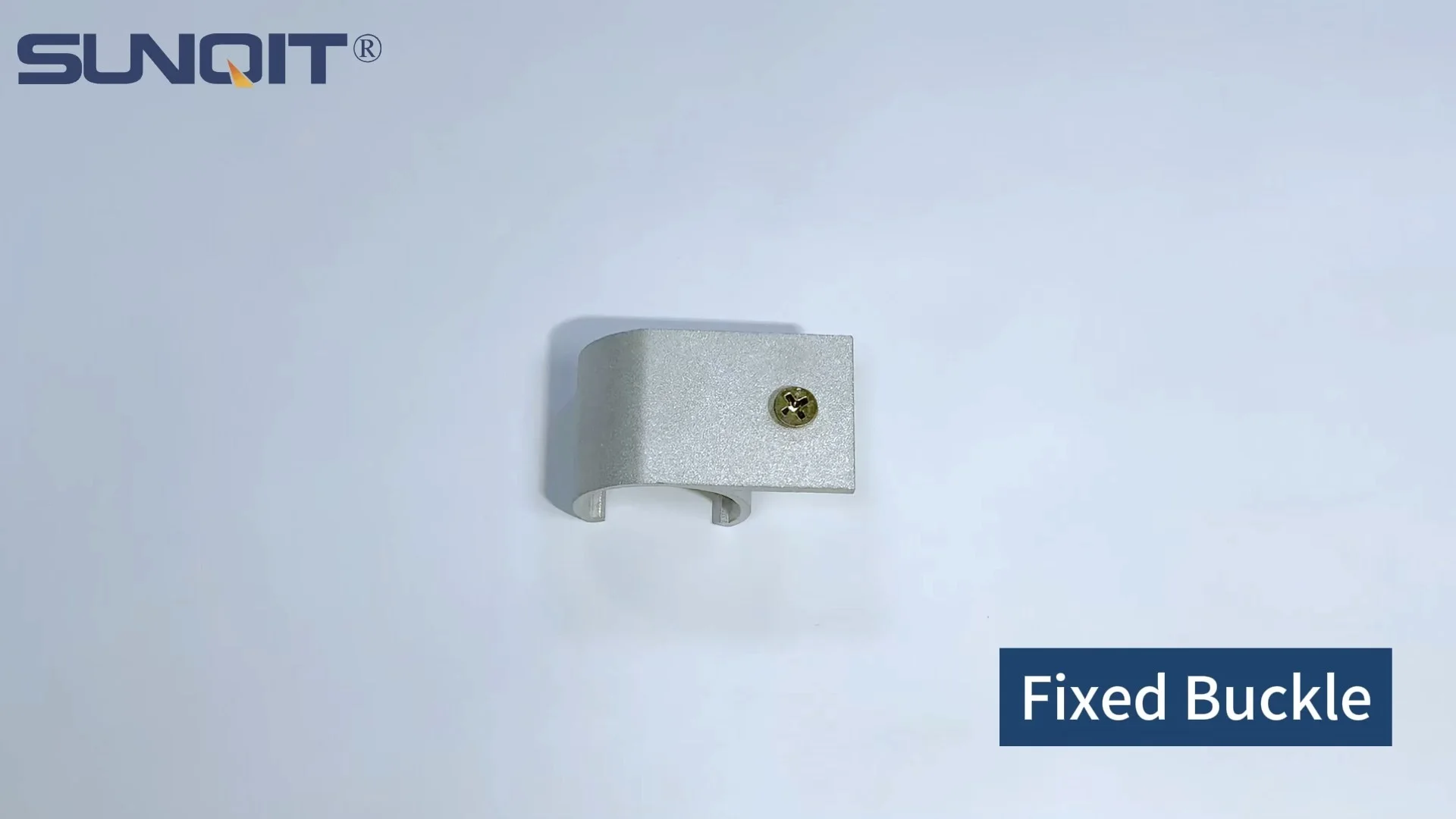
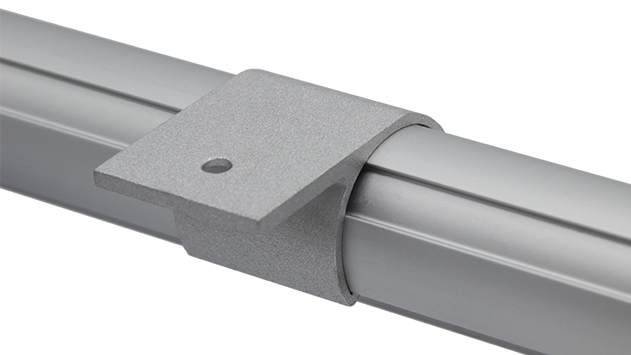
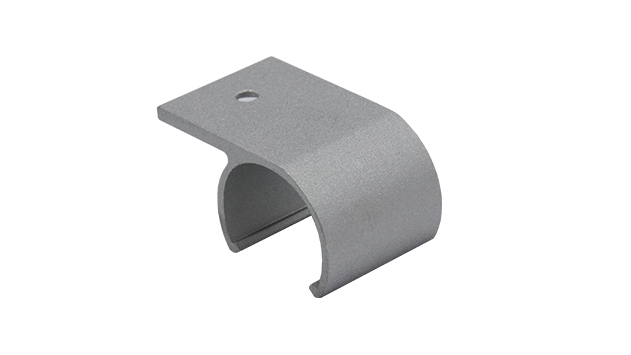
Aluminum pipe side clamp used for 28mm aluminum pipe connect with table top, or other accessories.
In the fast-paced world of manufacturing and production, every decision feels urgent. Budgets are tight, deadlines loom, and the pressure to cut costs today can overshadow the question of what those choices might cost tomorrow. This is especially true when it comes to the tools and components that form the backbone of your workspace—things like the clamps that hold together your workbenches, material racks, and conveyor systems. Among these, aluminum pipe clamps have emerged as a popular option, but their higher upfront price tag often leaves teams wondering: Are they worth the short-term investment, or are cheaper alternatives a better bet for the bottom line?
This article dives into that very question. We'll explore what aluminum pipe clamps are, why they matter in lean system setups, and how their costs stack up when you look beyond the initial purchase. By the end, you'll have a clearer picture of whether these unassuming components are a smart long-term investment or just another expense to avoid.
What Are Aluminum Pipe Clamps, Anyway?
Before we get into costs, let's make sure we're all on the same page. Aluminum pipe clamps are exactly what they sound like: specialized fasteners designed to connect and secure aluminum pipes, profiles, and tubing. They're part of a broader category of aluminum profile accessories—those small but critical parts that turn basic aluminum tubes into functional structures like workbenches, flow racks, or turnover trolleys. Think of them as the "glue" that holds your workspace infrastructure together, but with the added benefit of being adjustable, reusable, and surprisingly durable.
Unlike generic clamps, aluminum pipe clamps are engineered to work specifically with aluminum's unique properties—its lightweight nature, resistance to corrosion, and smooth surface. They come in various designs: some clamp onto the outside of pipes, others slot into T-grooves (hello, T-slot aluminum pipe), and still others pivot or rotate to accommodate angled connections. This versatility is why they're a staple in lean manufacturing environments, where adaptability and efficiency are king.
The Short-Term Investment: Why Cheap Clamps Tempt Us
Let's start with the elephant in the room: cost. Walk into any hardware store or browse an industrial supply site, and you'll find no shortage of clamps priced significantly lower than aluminum options. Plastic clamps, basic steel clamps, even repurposed hose clamps—these alternatives can cost half, or even a third, of what aluminum pipe clamps do. For a small business just starting out, or a team facing a sudden budget crunch, that price difference is hard to ignore. "Why spend more now when we can get the job done with something cheaper?" it's easy to ask.
The Appeal of Immediate Savings
Short-term thinking often centers on cash flow. If you're setting up a new workbench or replacing a broken clamp on a material rack, buying a $5 plastic clamp instead of a $15 aluminum one feels like a win. Multiply that by dozens of clamps across your facility, and the savings can add up to hundreds of dollars upfront. For teams operating on tight margins, that extra cash can go toward other pressing needs: raw materials, payroll, or emergency repairs. It's a tangible, immediate benefit—and in the chaos of daily operations, tangible wins matter.
Ease of Access and Quick Setup
Cheaper clamps also tend to be more widely available. You can grab them at a local hardware store without waiting for a specialty order, which is a lifesaver when a production line is down and every minute counts. They're often simpler in design, too—no need to read complex instructions or buy matching aluminum profile accessories. Just tighten a screw, and you're back to work. In a world where downtime costs money, that speed and convenience are powerful incentives.
The Long-Term Cost: When "Cheap" Becomes Expensive
Here's the thing about short-term savings, though: they rarely tell the whole story. Over weeks, months, and years, those "budget-friendly" clamps can quietly erode your bottom line in ways that aren't obvious on day one. Let's break down the long-term costs of choosing cheap over aluminum.
Durability: The Cost of Constant Replacement
Plastic clamps, for example, might hold up fine in a climate-controlled office, but in a busy manufacturing environment? They crack under stress, warp when exposed to heat or chemicals, and degrade over time from regular use. A plastic clamp that costs $5 today might need to be replaced every 3–6 months if it's holding up a heavy shelf or being adjusted frequently. Steel clamps, while stronger, rust—especially in humid or dusty environments—weakening their grip and leaving unsightly stains on your aluminum pipes. Even "stainless steel" budget clamps often contain low-quality alloys that corrode faster than advertised.
Aluminum pipe clamps, on the other hand, are built to last. Aluminum's natural resistance to corrosion means they won't rust, even in damp or dusty settings. They're designed to withstand repeated tightening, loosening, and repositioning without cracking or warping. A well-made aluminum clamp can last 5–10 years or more with minimal maintenance. Let's do the math: A $5 plastic clamp replaced twice a year costs $10 annually. Over 5 years, that's $50—more than three times the cost of a $15 aluminum clamp that lasts the entire period. Suddenly, the "cheap" option isn't so cheap anymore.
Maintenance: Time Is Money, Too
Beyond replacement costs, there's the hidden expense of maintenance. A rusted steel clamp doesn't just need to be replaced—it can seize up, making it impossible to adjust without tools (or even damaging the pipe it's attached to). A cracked plastic clamp might fail suddenly, causing a shelf to collapse and potentially damaging materials or injuring a worker. Each time a clamp fails, someone has to stop what they're doing, track down a replacement, and fix the problem. In a lean system, where efficiency is measured in seconds, that downtime adds up.
Aluminum pipe clamps, by contrast, require almost no maintenance. Wipe them down occasionally to remove dust, and they'll keep working like new. Their smooth, corrosion-resistant surface doesn't trap grime, and their precision design ensures a secure grip without slipping or seizing. That means fewer interruptions, fewer repairs, and more time spent on actual production.
Flexibility: Adapting to Change
Lean manufacturing thrives on adaptability. Production lines change, product sizes shift, and workspaces need to evolve to keep up. Cheap clamps often lock you into a fixed setup. If you need to reconfigure a workbench or adjust the height of a material rack, a plastic clamp might crack when you try to loosen it, or a rusted steel clamp might strip its threads. You end up replacing not just the clamp, but possibly the entire structure around it.
Aluminum pipe clamps, however, are designed for flexibility. Many models feature rotating joints or T-slot compatibility, allowing you to adjust angles, heights, and positions with minimal effort. They work seamlessly with other aluminum profile accessories, like aluminum guide rails or roller track connectors, making it easy to modify your setup as needs change. Instead of rebuilding a workbench from scratch, you can simply loosen a few clamps, reposition the pipes, and tighten them again. That adaptability is priceless in a dynamic manufacturing environment—saving you time, labor, and the cost of new materials.
Aluminum Pipe Clamps vs. Alternatives: A Cost Comparison
To put this in concrete terms, let's compare the long-term costs of aluminum pipe clamps with two common alternatives: plastic clamps and basic steel clamps. We'll assume a typical scenario: a small manufacturing facility using 50 clamps across workbenches, material racks, and conveyor systems over a 5-year period.
| Factor | Plastic Clamps | Basic Steel Clamps | Aluminum Pipe Clamps |
|---|---|---|---|
| Initial Cost per Clamp | $5 | $8 | $15 |
| Total Initial Cost (50 clamps) | $250 | $400 | $750 |
| Average Lifespan | 6 months | 1 year | 5+ years |
| Number of Replacements Needed (5 years) | 10 replacements | 5 replacements | 0 replacements |
| Total Replacement Cost (5 years) | $2,500 ($5 x 50 clamps x 10 replacements) | $1,600 ($8 x 50 clamps x 4 replacements) | $0 |
| Estimated Maintenance/Downtime Cost (5 years)* | $1,200 (frequent failures, replacements) | $800 (rust, seized clamps) | $100 (occasional cleaning) |
| Total 5-Year Cost | $3,950 | $2,800 | $850 |
*Estimated maintenance/downtime costs based on industry averages for small manufacturing facilities, including labor for replacements and lost productivity during downtime.
The numbers speak for themselves. Over five years, the "cheap" plastic clamps end up costing nearly five times more than aluminum pipe clamps. Even steel clamps, which have a longer lifespan than plastic, cost over three times as much as aluminum when you factor in replacements and maintenance. What seemed like a smart short-term saving becomes a long-term drain on your budget.

Real-World Impact: How Aluminum Clamps Improve Lean Systems
Beyond the numbers, aluminum pipe clamps deliver tangible benefits that improve your lean system's overall efficiency—benefits that translate directly to the bottom line. Let's look at a few real-world examples.
Case Study: A Small Electronics Manufacturer
A small electronics company was using plastic clamps to build workbenches for assembling circuit boards. Initially, the $5 clamps seemed like a good deal, but within six months, they started noticing problems. The plastic would crack when workers adjusted the bench height, and clamps near the soldering stations warped from the heat. Each failure took a workstation offline for 30–60 minutes while someone tracked down a replacement. Over a year, the company spent $600 on replacement clamps and lost an estimated 20 hours of production time—costing them over $1,500 in labor and missed deadlines.
Frustrated, they switched to aluminum pipe clamps. The initial cost was higher—$750 for 50 clamps—but over the next four years, they didn't replace a single clamp. The workbenches were easier to adjust, downtime dropped to nearly zero, and the team could reconfigure stations quickly to accommodate new product lines. The total savings? Over $4,000 in replacement clamps and lost productivity.
Material Racks in a Automotive Parts Plant
An automotive parts plant was using basic steel clamps to build material racks for storing heavy components. Within two years, the clamps began to rust in the humid facility, weakening their grip. One rack collapsed, damaging $2,000 worth of parts and requiring a full day of cleanup. The plant switched to aluminum pipe clamps, which resisted corrosion and provided a more secure hold. Over five years, they avoided three similar incidents, saving tens of thousands of dollars in damaged inventory and downtime.
Making the Switch: When to Invest in Aluminum Pipe Clamps
So, when is the right time to invest in aluminum pipe clamps? If you're setting up a new facility or replacing a large number of clamps, it's worth biting the bullet upfront. The initial cost will be offset by long-term savings. If you're dealing with a tight budget, consider a phased approach: start with high-use areas (like production lines or frequently adjusted workbenches) and replace clamps as the cheaper ones fail. Over time, you'll transition to a more durable, cost-effective setup without breaking the bank all at once.
It's also important to choose the right aluminum pipe clamps for your needs. Look for reputable suppliers that offer a range of styles, from basic clamps to those compatible with T-slot aluminum pipe or roller track accessories. Investing in quality clamps from the start ensures they'll stand up to years of use and work seamlessly with other components in your lean system.
Conclusion: The Smart Long-Term Bet
At the end of the day, aluminum pipe clamps aren't just a purchase—they're an investment. The higher upfront cost might sting a little, but when you factor in durability, maintenance, flexibility, and the hidden costs of downtime and replacements, they're far cheaper than any "budget" alternative. In a lean system, where efficiency and adaptability are key, they're not just a smart choice—they're essential.
So the next time you're faced with the choice between "cheap" and "quality," remember: the true cost of a clamp isn't just what you pay today. It's what you'll pay tomorrow, next month, and five years from now. Aluminum pipe clamps might cost more upfront, but they'll save you money, time, and headaches in the long run—letting you focus on what really matters: growing your business.