- Company Articles
- Products and Technology
- Product knowledge
- Aluminum Pipe Clamps: Thermal Resistance & Performance in High Temperatures

Aluminum Pipe Clamps: Thermal Resistance & Performance in High Temperatures
Related Product
Aluminum Pipe Clamp
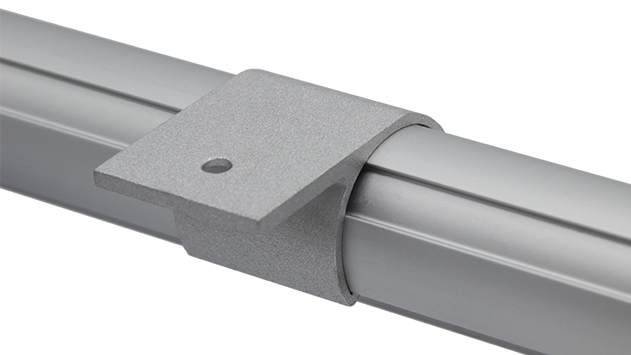
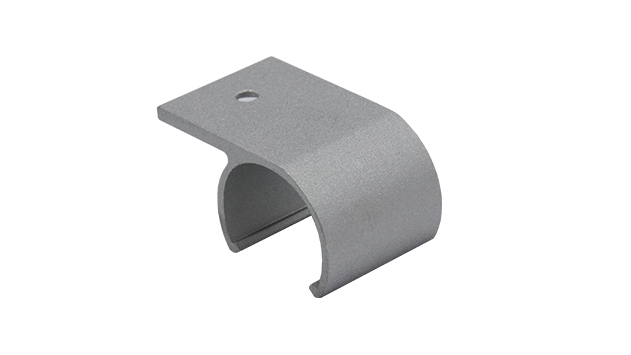
Aluminum pipe side clamp used for 28mm aluminum pipe connect with table top, or other accessories.

Introduction: The Unsung Heroes of Industrial Stability
In the bustling world of manufacturing, construction, and industrial operations, it's often the smallest components that keep the entire system running smoothly. Take, for example, the aluminum pipe clamp—a humble yet critical tool that secures pipes, maintains workflow, and ensures safety in environments where precision and reliability are non-negotiable. While they might not grab headlines like high-tech machinery or cutting-edge robotics, these clamps play a pivotal role in everything from automotive assembly lines to food processing plants. And when temperatures rise—whether from industrial ovens, engine heat, or chemical processes—their ability to withstand thermal stress becomes a make-or-break factor for operational success.
In this article, we'll dive deep into the world of aluminum pipe clamps, focusing on their thermal resistance and performance in high-temperature environments. We'll explore why aluminum has become the material of choice for these applications, how manufacturing processes like aluminum extrusion profile shaping enhance their durability, and the crucial role that aluminum pipe accessories play in creating a cohesive, heat-resistant system. By the end, you'll understand why these unassuming components are indispensable in industries where heat and reliability go hand in hand.
What Are Aluminum Pipe Clamps, and Why Do They Matter?
At their core, aluminum pipe clamps are mechanical devices designed to secure pipes, tubes, or hoses to a fixed structure—think walls, frames, or aluminum profiles. They come in various shapes and sizes, from simple U-bolts to adjustable band clamps, each tailored to specific pipe diameters and load requirements. But what sets aluminum pipe clamps apart from their steel or plastic counterparts is their unique combination of strength, lightweight design, and resistance to corrosion—qualities that become even more critical when exposed to high temperatures.
Imagine a scenario in a automotive manufacturing plant: a conveyor system transporting hot engine components, with pipes carrying coolant or hydraulic fluid running parallel to the line. The clamps holding these pipes must not only support the weight of the fluid but also endure the radiant heat from the engines and the occasional spikes in ambient temperature. A plastic clamp here would quickly warp or melt; a steel clamp might rust over time, weakening its grip. Aluminum, however, stands firm—retaining its shape, strength, and structural integrity even when the mercury climbs.
But aluminum pipe clamps aren't just standalone heroes. They're part of a larger ecosystem of industrial components, often working in tandem with aluminum profiles, joints, and accessories to create stable, customizable systems. Whether it's a lean workbench in a factory or a material rack in a warehouse, the clamps ensure that pipes (and the materials they carry) stay exactly where they're needed—no slippage, no leaks, no costly downtime.
Thermal Resistance 101: Why It Matters for Pipe Clamps
Thermal resistance, in simple terms, is a material's ability to withstand changes in temperature without degrading or losing functionality. For pipe clamps, this translates to maintaining their grip, shape, and mechanical strength even when exposed to extreme heat or rapid temperature fluctuations. Why is this so important? Because in high-temperature environments—like industrial ovens, chemical processing plants, or engine bays—failure of a single clamp can have cascading consequences: pipes loosen, fluids leak, production halts, and safety risks escalate.
Aluminum's natural properties make it uniquely suited for thermal resistance. Unlike plastic, which softens or melts at relatively low temperatures (typically between 100°C and 200°C for common plastics like PVC), aluminum has a melting point of approximately 660°C. This means it can handle sustained temperatures well above what most industrial processes throw at it—often up to 300°C or more, depending on the alloy. Additionally, aluminum conducts heat efficiently, which helps dissipate thermal energy rather than trapping it, reducing the risk of localized overheating that could weaken the material over time.
But thermal resistance isn't just about withstanding high heat—it's also about stability during temperature cycles. Many industrial operations involve repeated heating and cooling: a food processing plant might sterilize equipment with hot water, then cool it down for cleaning; an automotive factory might paint parts in high-temperature ovens, then move them to a cooling zone. In these cases, materials expand and contract, and clamps must adapt without losing their grip. Aluminum's coefficient of thermal expansion (the rate at which it expands when heated) is moderate—higher than steel but lower than plastic—striking a balance that allows it to flex with temperature changes without becoming brittle or overly loose.
Aluminum vs. Steel vs. Plastic: A Thermal Performance Showdown
To truly appreciate aluminum's thermal resistance, it helps to compare it to other common materials used for pipe clamps: steel and plastic. Let's break down their key thermal properties side by side:
| Material | Thermal Conductivity (W/m·K) | Melting Point (°C) | Weight (g/cm³) | Corrosion Resistance | Thermal Expansion (10⁻⁶/°C) |
|---|---|---|---|---|---|
| Aluminum (6061 Alloy) | 167 | 660 | 2.7 | High (naturally forms oxide layer) | 23.6 |
| Steel (Carbon Steel) | 45 | 1370-1530 | 7.85 | Low (prone to rust without coating) | 11.7 |
| Plastic (PVC) | 0.14 | 100-260 | 1.3-1.45 | High (resistant to many chemicals) | 50-80 |
Starting with thermal conductivity: Aluminum's high conductivity (167 W/m·K) means it quickly transfers heat away from the clamp, preventing hotspots that could weaken the material. Steel, with a lower conductivity (45 W/m·K), retains heat longer, which can lead to thermal fatigue over time. Plastic, on the other hand, is a poor conductor (0.14 W/m·K), trapping heat and making it prone to warping or melting at relatively low temperatures.
Melting point is another critical factor. While steel has a higher melting point than aluminum, its weight (7.85 g/cm³ vs. aluminum's 2.7 g/cm³) makes it less ideal for applications where weight savings matter—like aerospace or mobile equipment. Plastic's melting point is far too low for most high-temperature industrial use, limiting it to cold or ambient environments.
Corrosion resistance is where aluminum truly shines. Unlike steel, which rusts without protective coatings, aluminum forms a thin, invisible oxide layer when exposed to air, shielding it from further corrosion. This is a game-changer in environments with moisture, chemicals, or high humidity—common in food processing, marine, or chemical plants. Plastic is also corrosion-resistant, but again, its thermal limitations make it irrelevant for high-heat tasks.
Finally, thermal expansion: Aluminum expands more than steel but far less than plastic. This means in temperature cycles, aluminum clamps will adjust slightly but not enough to lose their grip on pipes (which also expand). Plastic, with its high expansion rate, can loosen or crack when heated, while steel's low expansion can lead to stress if pipes expand more than the clamp.
In short, aluminum strikes the perfect balance: strong enough to handle high temperatures, lightweight enough for versatile use, and corrosion-resistant enough to thrive in harsh environments. It's no wonder it's the go-to material for pipe clamps in heat-intensive industries.

The Role of Manufacturing: How Aluminum Extrusion Profile Shaping Boosts Thermal Performance
Aluminum's inherent properties are impressive, but its performance in pipe clamps is further enhanced by the manufacturing process used to create them: aluminum extrusion. Extrusion is a method where heated aluminum billets are forced through a die (a specialized mold) to create complex cross-sectional shapes—like the curved bands of a pipe clamp or the grooves that grip the pipe. This process isn't just efficient; it directly improves the material's thermal resistance and structural integrity.
Here's why extrusion matters: When aluminum is extruded, the metal grains align in the direction of the extrusion, creating a uniform, dense structure. This alignment strengthens the material, making it more resistant to deformation under heat and pressure. Unlike casting, which can introduce voids or inconsistencies in the metal, extrusion ensures that every part of the clamp has the same mechanical properties—no weak spots that could fail when temperatures rise.
Extrusion also allows for precise control over the clamp's design. Manufacturers can add ribs, flanges, or reinforced edges to specific areas, tailoring the clamp to handle thermal stress more effectively. For example, a clamp used in a high-heat environment might have thicker walls around the bolt holes (where stress is concentrated) or a curved design that distributes heat evenly across the clamp's surface. This level of customization is hard to achieve with other manufacturing methods, giving extruded aluminum clamps a distinct advantage.
Another benefit of extrusion is the ability to work with specialized aluminum alloys. Most pipe clamps are made from 6061 or 6063 aluminum alloys, which contain magnesium and silicon for added strength. During extrusion, these alloys can be heat-treated to further enhance their mechanical properties—like increasing their yield strength (the point at which they start to deform) from around 55 MPa to over 200 MPa. This heat treatment makes the clamps even more resilient to high temperatures, ensuring they maintain their shape and grip even under sustained thermal stress.
Aluminum Pipe Accessories: Completing the Heat-Resistant System
Aluminum pipe clamps don't work alone. To create a truly heat-resistant system, they rely on a range of aluminum pipe accessories—joints, brackets, fasteners, and mounts—that are designed to complement their thermal performance. These accessories are often made from the same high-quality aluminum alloys as the clamps, ensuring consistency in heat resistance and durability across the entire setup.
Take internal rotatary aluminum joints, for example. These components allow pipes to pivot or rotate slightly, accommodating thermal expansion without putting stress on the clamps. Made from extruded aluminum, they share the same thermal properties as the clamps, expanding and contracting at the same rate to maintain a tight, secure connection. Similarly, aluminum guide rails and roller tracks (used in conveyor systems) work with clamps to keep pipes aligned, even when heated. Their smooth, extruded surfaces reduce friction, preventing heat buildup from rubbing or jamming.
Fasteners are another critical accessory. Bolts, nuts, and washers used with aluminum pipe clamps must also withstand high temperatures. Many are made from stainless steel or heat-treated aluminum, ensuring they don't loosen or corrode when exposed to heat and moisture. For example, a stainless steel bolt with an aluminum clamp creates a corrosion-resistant, heat-stable connection that can last for years in industrial environments.
Even something as simple as an aluminum profile end cap plays a role in thermal resistance. These caps fit over the ends of aluminum profiles (used to mount clamps), preventing dust, debris, or moisture from entering and weakening the structure. In high-heat environments, moisture can turn to steam, causing internal pressure—end caps seal off the profile, maintaining its integrity.
The key takeaway? A heat-resistant system is only as strong as its weakest link. By pairing aluminum pipe clamps with compatible aluminum pipe accessories, industries can create a cohesive setup that stands up to extreme temperatures, reducing maintenance, downtime, and safety risks.
Real-World Applications: Where Aluminum Pipe Clamps Shine in High Heat
To understand the practical impact of aluminum pipe clamps' thermal resistance, let's look at some real-world industries where they're indispensable:
Automotive Manufacturing
Automotive plants are hotbeds of high-temperature activity. From engine testing bays (where temperatures can exceed 200°C) to paint curing ovens (reaching 180°C), pipes carrying coolant, lubricants, and compressed air must be securely clamped. Aluminum pipe clamps here are preferred for their ability to withstand radiant heat from engines and ovens, as well as their corrosion resistance—important in environments with oil, grease, and water.
One example: a leading automotive manufacturer switched from steel to aluminum clamps in their engine assembly line. The result? A 30% reduction in clamp failures due to corrosion and thermal fatigue, cutting maintenance costs and improving line uptime by 15%.
Food Processing
Food processing plants rely on high temperatures for cooking, sterilization, and drying. Ovens, steamers, and pasteurizers often reach 150°C or more, with pipes carrying hot water, steam, or food-grade oils. Aluminum pipe clamps are ideal here because they're corrosion-resistant (preventing rust from contaminating food) and heat-stable (withstanding steam and oven heat without warping). Plus, their lightweight design makes them easy to install and adjust on production lines that are frequently reconfigured.
Aerospace Engineering
In aerospace, every gram counts. Aluminum pipe clamps are used in aircraft engine compartments, where temperatures can soar to 300°C, to secure fuel lines, hydraulic tubes, and coolant pipes. Their lightweight design reduces overall aircraft weight (improving fuel efficiency), while their thermal resistance ensures they don't fail during flight. Even in space applications—where temperatures swing from extreme heat (sunlight) to extreme cold (shade)—aluminum clamps maintain their structural integrity, thanks to their low thermal expansion and high conductivity.
Industrial Ovens and Furnaces
Industrial ovens used for curing coatings, drying materials, or heat-treating metals can reach temperatures up to 500°C. The pipes carrying gas, electricity, or cooling water to these ovens must be clamped securely, often in tight spaces with limited airflow. Aluminum clamps here dissipate heat quickly, preventing localized hotspots, and their corrosion resistance stands up to the chemicals and fumes often present in these environments.
Conclusion: The Heat Is On—And Aluminum Pipe Clamps Deliver
In the world of industrial components, aluminum pipe clamps are the quiet workhorses, ensuring stability, safety, and efficiency even when temperatures rise. Their thermal resistance, born from aluminum's inherent properties and enhanced by extrusion manufacturing, makes them indispensable in high-heat environments where other materials fail. Paired with compatible aluminum pipe accessories, they form a cohesive system that stands up to the toughest industrial challenges—from automotive engine bays to aerospace engine compartments.
As industries continue to push the boundaries of temperature and efficiency, the demand for reliable, heat-resistant components will only grow. Aluminum pipe clamps, with their unique blend of strength, lightweight design, and corrosion resistance, are poised to meet this demand head-on. They may not be the flashiest parts in the factory, but they're certainly among the most critical—proving that sometimes, the smallest components make the biggest difference.
So the next time you walk through a manufacturing plant, a food processing facility, or an aerospace hangar, take a moment to appreciate the aluminum pipe clamps holding everything together. In the heat of the moment, they're the ones keeping the system running—cool, calm, and collected.