- Company Articles
- Products and Technology
- Product knowledge
- Aluminum Pipe Clamps vs. Stainless Steel: Cost-Effectiveness Analysis

Aluminum Pipe Clamps vs. Stainless Steel: Cost-Effectiveness Analysis
Related Product
Aluminum Pipe Clamp
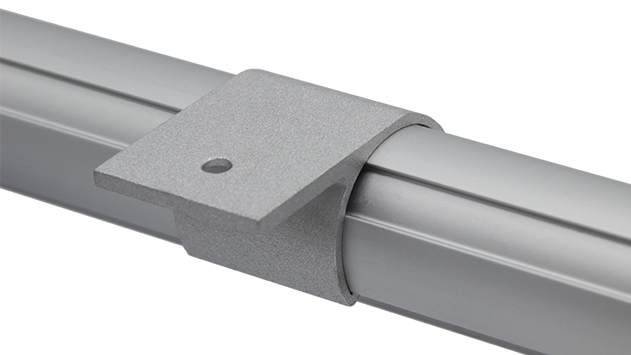
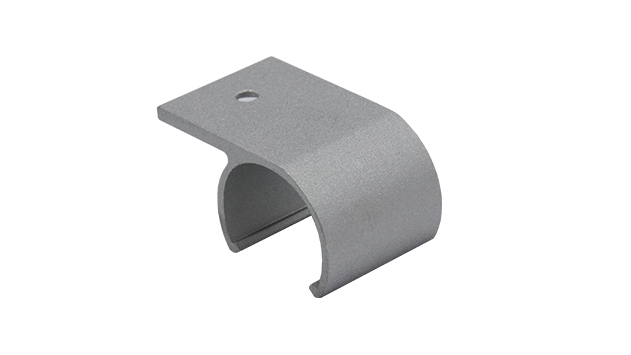
Aluminum pipe side clamp used for 28mm aluminum pipe connect with table top, or other accessories.

Introduction: The Silent Backbone of Manufacturing
Walk through any bustling factory, warehouse, or workshop, and you'll notice a hidden network holding everything together. It's not the flashy machinery or high-tech robots that steal the spotlight—instead, it's the unassuming components like pipe clamps that form the backbone of efficient operations. These small but critical parts turn ordinary pipes into functional systems: workbenches where products take shape, flow racks that keep materials moving, and conveyor lines that connect every step of production. But when it comes to choosing between aluminum and stainless steel pipe clamps, the decision can feel more complicated than it seems. Is saving money upfront with aluminum worth potential trade-offs later? Does stainless steel's reputation for durability justify its higher cost? This analysis breaks down the real-world costs and benefits, helping you decide which material aligns with your goals—whether you're scaling a startup or optimizing an established facility.
At first glance, pipe clamps might seem like a trivial purchase. After all, they're just "holders," right? Anyone who's dealt with a bent clamp slowing down production, a rusted joint in a humid warehouse, or a rack that's too heavy to reposition knows better. The choice between aluminum and stainless steel ripples through every part of your operation: how quickly you can set up new lines, how much you spend on maintenance, how easily you adapt to changing needs, and even how safely your team works. To make a smart choice, we need to look beyond price tags and dive into the details that impact your bottom line over time.
Material Deep Dive: What Makes Them Different?
Before comparing costs, let's get clear on what makes aluminum and stainless steel pipe clamps unique. Their inherent properties—strength, weight, resistance to wear—shape how they perform in real-world settings, and understanding these differences is key to evaluating their true value.
Aluminum Pipe Clamps: Lightweight and Adaptive
Aluminum pipe clamps are typically crafted from alloys like 6061 or 6063, blends of aluminum, magnesium, and silicon that strike a balance between strength and lightness. This composition gives them a distinct advantage: weight. An aluminum clamp weighs roughly 40-50% less than a stainless steel clamp of the same size, making them easy to handle, transport, and install. Imagine carrying a box of 50 aluminum clamps versus stainless steel—your back (and your team) will notice the difference immediately.
Another standout feature is aluminum's natural resistance to corrosion. When exposed to air, it forms a thin, protective oxide layer that shields the metal from moisture and everyday wear. This makes it ideal for indoor environments like dry warehouses, electronics assembly plants, or automotive workshops. Plus, aluminum is highly malleable, which means manufacturers can shape it into versatile designs that work seamlessly with aluminum profile accessories. Whether you're connecting pipes at odd angles or attaching brackets for tool holders, aluminum clamps adapt without fuss.
Stainless Steel Pipe Series: Built to Last
Stainless steel pipe clamps, part of the broader stainless steel pipe series, are forged from an alloy of iron, chromium, and nickel—ingredients that deliver exceptional strength and durability. Unlike aluminum, stainless steel is rigid and tough, able to withstand heavy loads, impacts, and even accidental bumps from forklifts without bending or breaking. This makes it the go-to choice for heavy-duty applications, like supporting stacked pallets in a warehouse or securing pipes in high-vibration environments.
The real superpower of stainless steel is its corrosion resistance, especially in harsh conditions. While aluminum's oxide layer can be compromised by salt, chemicals, or prolonged moisture, stainless steel's chromium content creates a self-healing oxide layer. Scratch it, and the metal simply forms a new protective barrier, ensuring long life even in damp or corrosive settings. Think coastal warehouses, food processing plants where equipment is regularly hosed down, or chemical facilities—places where aluminum might struggle, stainless steel thrives. But this toughness comes with a catch: weight. Stainless steel clamps are dense and heavy, which can make installation slower and reconfiguration a chore.
Upfront Costs: The First Impression
For many businesses, especially small teams or startups, upfront cost is the first factor on the list. Let's break down how aluminum and stainless steel stack up when you're writing the initial check.
Aluminum Pipe Clamps: Easy on the Budget
Aluminum pipe clamps are generally more budget-friendly, with prices ranging from $3 to $8 per clamp, depending on size and design. Stainless steel, on the other hand, typically costs $7 to $15 per clamp—nearly double in some cases. For a small operation needing 100 clamps, that's a difference of $400 to $700 upfront. For startups or teams watching every dollar, that savings can fund other critical tools or inventory.
Another cost-saver? Compatibility. Aluminum clamps play well with aluminum profile accessories, like brackets, hinges, and even caster accessories for mobile carts. This means you won't need to buy special adapters or tools to build your system. If you already use aluminum workbenches or flow racks, adding aluminum clamps ensures a perfect fit, avoiding the need to replace existing gear.
Stainless Steel: Paying More Now to Pay Less Later?
Stainless steel's higher upfront cost stems from its manufacturing process. Mining and refining the raw materials, blending in chromium and nickel, and shaping the metal into precise clamps requires more energy and labor than aluminum production. For that 100-clamp example, you might pay $900 to $1,500 upfront—significantly more than aluminum. And if your existing setup uses aluminum pipes or accessories, you may need to buy new stainless steel-compatible parts, driving costs even higher.
But here's the catch: stainless steel is built to outlast aluminum in tough environments. If your operation involves heavy loads, frequent moisture, or harsh chemicals, that higher initial investment might translate to fewer replacements and repairs down the line. It's a classic trade-off: pay more now, or pay (and hassle) more later.
Installation and Flexibility: Time Is Money
Upfront costs only tell part of the story. How much time and labor does each material require to install? And can your system adapt when your needs change? These factors have a direct impact on your bottom line, especially in fast-paced industries where downtime equals lost revenue.
Aluminum: Fast Setup, Easy Changes
Aluminum's lightweight design makes installation a breeze. A single worker can carry, position, and secure aluminum clamps without extra help, cutting labor time in half compared to stainless steel. For example, setting up a 20-foot flow rack with 50 aluminum clamps might take two workers 4 hours. With stainless steel, the same job could take 8 hours or more—doubling labor costs.
Flexibility is another win for aluminum. Pair aluminum pipe clamps with lean pipe joints, and you get a modular system that reconfigures in minutes. Need to raise a workbench by 6 inches? Loosen the clamps, adjust the pipes, and tighten—no welding, cutting, or special tools required. This is a game-changer for businesses that pivot often, like electronics manufacturers rolling out new product lines or e-commerce warehouses scaling for seasonal demand. With aluminum, you adapt without halting production.
And let's not forget mobility. When combined with caster accessories, aluminum systems become lightweight carts that glide across factory floors. Try moving a stainless steel cart loaded with materials—it's clunky, requires more effort, and increases the risk of worker strain. Aluminum keeps things moving, literally and figuratively.
Stainless Steel: Slow to Build, Hard to Change
Stainless steel's weight makes installation a slog. Lifting and positioning heavy clamps often requires two workers or even a forklift, driving up labor costs. In tight spaces—like narrow warehouse aisles or elevated platforms—maneuvering stainless steel clamps becomes even more challenging, increasing the risk of delays or accidents.
Reconfiguration is equally tough. While you can loosen and adjust stainless steel clamps, their rigidity and weight make it a two-person job. Want to resize a storage rack to fit new inventory? Plan for a half-day project instead of an hour. In industries where agility matters, this inflexibility can feel like a bottleneck.

Maintenance and Longevity: The Hidden Costs
Over time, every material needs upkeep. How much will you spend on cleaning, repairs, or replacements? Let's break down the long-term maintenance costs of aluminum and stainless steel.
Aluminum: Low Maintenance, but Not Indestructible
Aluminum pipe clamps are low-maintenance in dry, indoor environments. A quick wipe with a damp cloth,., painting or coating to prevent corrosion. In fact, the biggest maintenance task might be tightening a loose clamp after months of use.
But aluminum isn't invincible. In humid or coastal areas, it can develop pitting or discoloration over time, especially if not anodized (a process that thickens its protective oxide layer). And while it's strong enough for most loads, heavy impacts or overloading can bend aluminum clamps, requiring replacement. For example, a careless forklift driver bumping into an aluminum-supported rack might warp the clamps, whereas stainless steel would likely shrug it off.
Stainless Steel: Tough, but Not Maintenance-Free
Stainless steel pipe clamps laugh off heavy use and harsh conditions. In food processing plants, where daily washdowns with chemicals are the norm, stainless steel resists corrosion and bacterial growth—critical for compliance with safety regulations. In outdoor warehouses exposed to rain and salt air, it outlasts aluminum by years, if not decades.
That said, stainless steel isn't maintenance-free. It can develop "tea staining"—brownish spots from mineral deposits—in humid environments, which requires regular cleaning with specialized stainless steel cleaners. And while it's strong, the weight of stainless steel systems can strain supporting structures like caster wheels or floor joists over time, leading to indirect maintenance costs.
Total Cost of Ownership: The 5-Year Breakdown
To truly compare value, we need to look at total cost of ownership (TCO)—the sum of upfront costs, installation labor, maintenance, and replacements over time. Let's create a hypothetical scenario: a mid-sized electronics manufacturer using 200 pipe clamps in a dry, indoor facility with moderate loads and annual reconfigurations. Here's how aluminum and stainless steel stack up over 5 years.
| Cost Category | Aluminum Pipe Clamps | Stainless Steel Pipe Clamps |
|---|---|---|
| Upfront Material Cost (200 clamps) | $1,000 (avg. $5/clamp) | $1,800 (avg. $9/clamp) |
| Installation Labor (2 workers x $50/hour) | $600 (6 hours total) | $1,200 (12 hours total) |
| Annual Maintenance (cleaning, tightening) | $150 ($30/year) | $300 ($60/year, including specialty cleaners) |
| Replacement Clamps (due to wear/bending) | $300 (30 clamps over 5 years) | $180 (10 clamps over 5 years) |
| Reconfiguration Labor (3 reconfigs x 2 workers) | $450 (3 reconfigs x 3 hours x $50/hour) | $900 (3 reconfigs x 6 hours x $50/hour) |
| Total 5-Year TCO | $2,500 | $4,380 |
In this scenario, aluminum offers a 43% lower TCO. But if we change the environment—say, a coastal seafood processing plant with high moisture and daily washdowns—the numbers shift. Aluminum clamps might need replacement every 1-2 years, driving TCO up to $4,000, while stainless steel's TCO remains around $4,500. Suddenly, the gap narrows, and stainless steel becomes the more cost-effective choice long-term.
Which Material Is Right for You?
The answer depends on your specific needs. Here are common scenarios where one material outshines the other:
Choose Aluminum If…
- You work in a dry, indoor environment (e.g., electronics, automotive assembly).
- You need to reconfigure systems frequently (e.g., seasonal product lines).
- Budget is a priority, and you want to minimize upfront costs.
- Your team needs to move or install systems without heavy equipment.
Choose Stainless Steel If…
- You operate in a harsh environment (e.g., food processing, chemical plants, outdoor warehouses).
- Your systems support heavy loads or face frequent impacts.
- You prioritize longevity and minimal replacements over upfront savings.
- Regulations require corrosion resistance or easy sanitization (e.g., medical device manufacturing).
Conclusion: Align Material with Mission
Aluminum pipe clamps and stainless steel pipe clamps each have their strengths—one offers affordability and flexibility, the other durability and resilience. The "better" choice depends on your unique environment, goals, and constraints. For most indoor, moderate-use facilities, aluminum delivers lower TCO and greater agility, especially when paired with aluminum profile accessories and lean pipe joints. But in harsh or heavy-duty settings, stainless steel's longevity justifies its higher cost.
The key is to look beyond the price tag and consider how each material will perform over the long haul. Will aluminum's lower upfront cost save you money, or will frequent replacements eat into those savings? Can stainless steel's durability keep your operations running smoothly, even when conditions get tough? By weighing these factors, you'll choose a pipe clamp that doesn't just hold your system together—but holds the line on costs, too.