- Company Articles
- Products and Technology
- Product knowledge
- Aluminum Pipe Clamps: Why They're Preferred for Lean Material Handling

Aluminum Pipe Clamps: Why They're Preferred for Lean Material Handling
Related Product
Aluminum Pipe Clamp
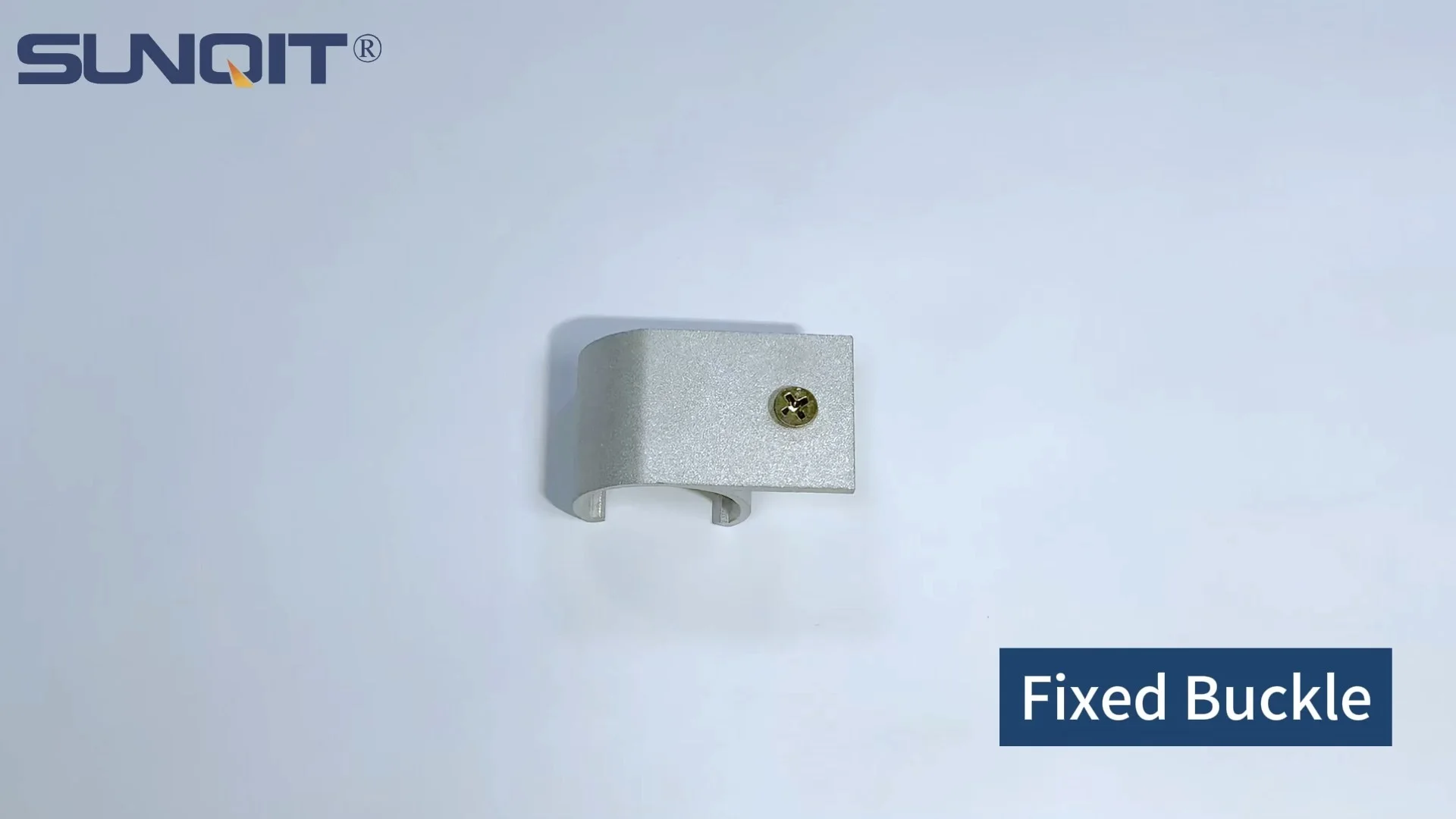
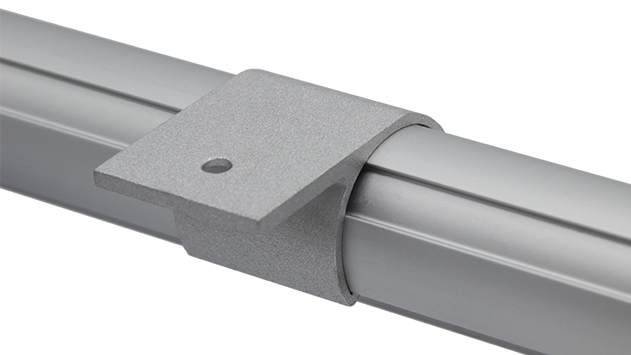
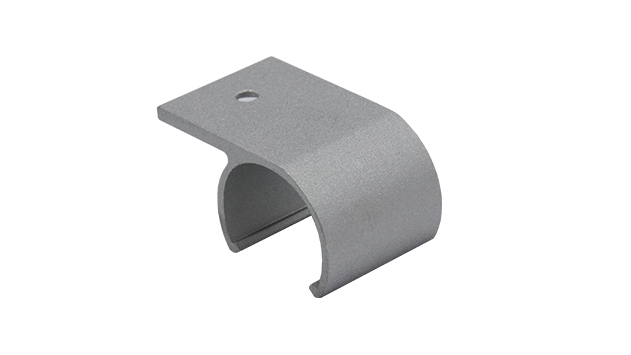
Aluminum pipe side clamp used for 28mm aluminum pipe connect with table top, or other accessories.
Walk into any modern factory, warehouse, or assembly line, and you'll notice a quiet revolution happening on the floor. The clunky, rigid workbenches of the past are being replaced by sleek, adaptable structures. Carts that once required two people to move now glide effortlessly. Material racks that took days to reconfigure now shift shape in hours. At the heart of this transformation? Aluminum pipe clamps —small, unassuming connectors that are quietly redefining how we build and manage lean material handling systems.
Lean material handling isn't just about cutting costs; it's about creating systems that breathe . Systems that adapt to new products, scale with demand, and reduce waste at every turn. And in this world of flexibility and efficiency, aluminum pipe clamps have emerged as unsung heroes. Let's unpack why these simple tools have become indispensable for teams striving to master lean principles.
What Are Aluminum Pipe Clamps, Anyway?
At first glance, aluminum pipe clamps might look like just another piece of hardware—small, metallic, and easy to overlook. But their design tells a different story. These clamps are engineered to connect aluminum pipes, aluminum profiles , and accessories (like joints, casters, or roller tracks) into sturdy, modular structures. Think of them as the "glue" that holds a lean system together—without the mess, permanence, or hassle of actual glue.
Unlike traditional steel clamps, which are heavy and prone to rust, or plastic clamps that crack under pressure, aluminum pipe clamps strike a rare balance: they're lightweight enough for one person to handle, strong enough to support heavy loads, and resistant to corrosion. Most are designed with a simple (twist) mechanism—no welding, no drilling, no special tools. Just align the pipe, slide the clamp into place, tighten the bolt, and you're done. It's this simplicity that makes them a favorite for lean teams.
A Quick Example: The Assembly Line Shift
Imagine a small electronics manufacturer that suddenly lands a rush order for a new gadget. Their old steel workbench is bolted to the floor, with fixed shelves that can't be adjusted. To fit the new product's assembly steps, they'd need to call a contractor, drill new holes, and possibly shut down production for a day. With aluminum pipe clamps? They loosen the clamps, reposition the aluminum pipes, add a few extra shelves using aluminum pipe accessories , and have the new setup ready in under two hours. No downtime, no extra costs—just lean adaptability.
The Lean Connection: Why Clamps Matter for Lean Systems
Lean manufacturing thrives on three principles: eliminate waste , optimize flow , and empower people . Aluminum pipe clamps check all three boxes. Let's break it down:
1. Eliminating Waste (Muda, in Lean Terms)
Waste comes in many forms—time, materials, space, even employee energy. Traditional rigid systems (think welded steel racks or fixed workbenches) are breeding grounds for waste. If your production line changes, that old rack becomes scrap metal. If a cart breaks, you toss it and buy a new one. Aluminum pipe clamps flip the script. Since they're modular, you can reuse pipes and clamps for new projects. A workbench that's no longer needed? Disassemble it and build a material rack. A roller track that's too short? Add more sections with clamps. This reusability slashes material waste and keeps costs low.
2. Optimizing Flow (The Heart of Lean Material Handling)
In lean, "flow" means getting materials, tools, and products from point A to point B with zero friction. Aluminum pipe clamps make this easier by enabling smooth, customizable roller tracks and workbenches. For example, a food packaging plant might use clamps to attach roller tracks to an aluminum profile frame, creating a gravity-fed system where packages glide from the filling station to the sealing station—no need for employees to lift or carry heavy boxes. The result? Faster throughput, fewer errors, and less physical strain on the team.
3. Empowering People (Because Lean Isn't Just About Tools)
Ever watched a team struggle with a heavy steel cart or a workbench that's just an inch too low? Frustration builds, productivity drops, and morale suffers. Aluminum pipe clamps solve this by making systems adjustable —and adjustable by anyone . A line worker can tweak the height of their workbench in two minutes using a wrench, no supervisor approval needed. A warehouse team can rearrange a flow rack to fit a new pallet size during a lunch break. When employees can shape their workspace to their needs, they feel valued—and that's when lean truly clicks.
Aluminum Pipe Clamps vs. The Alternatives: A Clear Winner
You might be thinking, "Why not just use steel clamps or plastic connectors?" The answer lies in how aluminum pipe clamps stack up against the competition. Let's take a closer look:
| Feature | Aluminum Pipe Clamps | Steel Clamps | Plastic Connectors |
|---|---|---|---|
| Weight | Lightweight (easy for one person to handle) | Heavy (often requires two people to move) | Very light (but prone to bending under load) |
| Durability | High (resists dents and corrosion; lasts 10+ years) | High (but rusts in humid environments) | Low (cracks in cold temps; warps in heat) |
| Reconfigurability | Excellent (loosen/tighten bolts in minutes) | Poor (often welded or permanently bolted) | Good (but weakens after repeated adjustments) |
| Cost Over Time | Low (reusable; minimal replacement needed) | High (rusted parts need frequent replacement) | Medium (cheap upfront, but short lifespan) |
| ESD Compatibility | Yes (can be coated for static control) | Yes (but heavy and hard to ground) | No (conducts static; risky for electronics) |
The standout here? Aluminum's ability to balance strength, flexibility, and cost. For lean systems that need to evolve, this balance is non-negotiable.
Beyond the Clamp: Building a Complete Lean Ecosystem
Aluminum pipe clamps don't work alone. They're part of a larger ecosystem of aluminum profiles , pipes, and accessories that turn simple components into powerful tools. Let's explore how these pieces come together:
Aluminum Profiles: The Backbone of Structure
Aluminum profiles are the "bones" of lean systems. These extruded aluminum beams have T-slots that let clamps, shelves, and accessories lock into place securely. For example, a workbench might use 40x40mm aluminum profiles for the frame, with clamps attaching a plywood top and side shelves. The T-slots mean you can add hooks for tools, or mount a roller track along the edge—all without drilling new holes.
Roller Tracks: Making Flow Effortless
Roller tracks are a game-changer for material flow. When secured to aluminum profiles with pipe clamps, they turn static racks into dynamic pathways for boxes, bins, or components. Imagine a automotive parts warehouse where bins of screws and bolts used to require manual lifting. With a roller track system clamped to an aluminum frame, those bins now slide gently from the storage area to the assembly line—saving time and reducing employee strain.
Aluminum Pipe Accessories: The Finishing Touches
It's the little things that make a lean system sing. Aluminum pipe accessories like swivel casters (for mobile carts), ESD-safe joints (for electronics manufacturing), or adjustable feet (to level workbenches on uneven floors) add versatility. For instance, a medical device manufacturer might use ESD workbench components clamped to aluminum pipes to prevent static damage to sensitive circuits. A furniture factory could add locking casters to a roller track cart, making it easy to move materials between stations.
From Clamps to System: The Material Rack Transformation
A clothing manufacturer was drowning in inefficiency. Their fabric rolls were stored on heavy wooden shelves that were hard to reach and impossible to adjust. Workers wasted 30 minutes daily searching for the right roll. Using aluminum pipe clamps, they built a 3-row, 3-floor material rack with aluminum profiles. They added roller tracks on each shelf so rolls could glide forward when needed, and mounted the entire rack on casters for easy movement. The result? Search time dropped to 5 minutes, and the rack could be reconfigured seasonally to fit different fabric sizes. All thanks to clamps holding it all together.

Choosing the Right Aluminum Pipe Clamps for Your Lean System
Not all aluminum pipe clamps are created equal. To get the most out of your lean system, you'll need to pick the right ones for your needs. Here's what to consider:
1. Load Capacity: Know What You're Lifting
Clamps come in different strengths. A light-duty clamp might handle 50kg per connection, while a heavy-duty one can manage 200kg+. If you're building a workbench for small electronics, light-duty is fine. For a roller track carrying metal parts, go heavy-duty. Always check the manufacturer's specs—overloading clamps is a safety risk and a lean waste (you'll end up replacing broken parts).
2. Environment: Where Will It Live?
Humid warehouses, cleanrooms, and outdoor yards have different needs. For damp areas, look for clamps with anodized or powder-coated finishes to resist corrosion. In ESD-sensitive environments (like electronics assembly), choose clamps with anti-static coatings. If you're working with food or pharmaceuticals, opt for stainless steel-reinforced aluminum clamps that are easy to sanitize.
3. Compatibility: Mix and Match Wisely
Aluminum pipes and profiles come in standard sizes (16mm, 28mm, 40mm, etc.). Make sure your clamps fit your existing pipes—mismatched sizes lead to wobbly structures and wasted time. Most suppliers list compatible pipe diameters, but when in doubt, ask for samples. It's better to test a clamp with your pipe than to order 100 and find they don't fit.
4. Adjustability: Fixed vs. Swivel
Some clamps lock pipes at a fixed angle (like 90 degrees for workbench corners), while others swivel for flexible connections (great for roller tracks that need to curve). If your system rarely changes, fixed clamps are sturdy and cost-effective. If you anticipate frequent reconfigurations, swivel clamps save time and reduce the need for extra parts.
The Future of Lean Material Handling: Why Aluminum Pipe Clamps Are Here to Stay
As manufacturing and warehousing grow more fast-paced and customer demands more unpredictable, lean systems will only become more critical. Aluminum pipe clamps fit perfectly into this future because they're not just tools—they're enablers . They let small teams compete with big corporations by keeping costs low and flexibility high. They let established companies pivot quickly when markets shift. And they let employees take ownership of their workspace, turning "this is how we've always done it" into "let's try something better."
In the end, lean material handling is about more than efficiency—it's about building systems that respect people, resources, and the planet. Aluminum pipe clamps do all three. They reduce waste, empower workers, and create adaptable spaces that grow with your business. So the next time you walk through a factory floor and see a sleek, mobile workbench or a smooth-flowing roller track, take a closer look. Chances are, there's an aluminum pipe clamp holding it all together—quietly, reliably, and leanly.
Whether you're just starting your lean journey or upgrading an existing system, don't overlook these small but mighty connectors. They might not make the headlines, but they'll make your production line hum.