- Company Articles
- Products and Technology
- Product knowledge
- Aluminum Pipe Clamps with Adjustable Tension: Versatile Applications

Aluminum Pipe Clamps with Adjustable Tension: Versatile Applications
Related Product
Aluminum Pipe Clamp
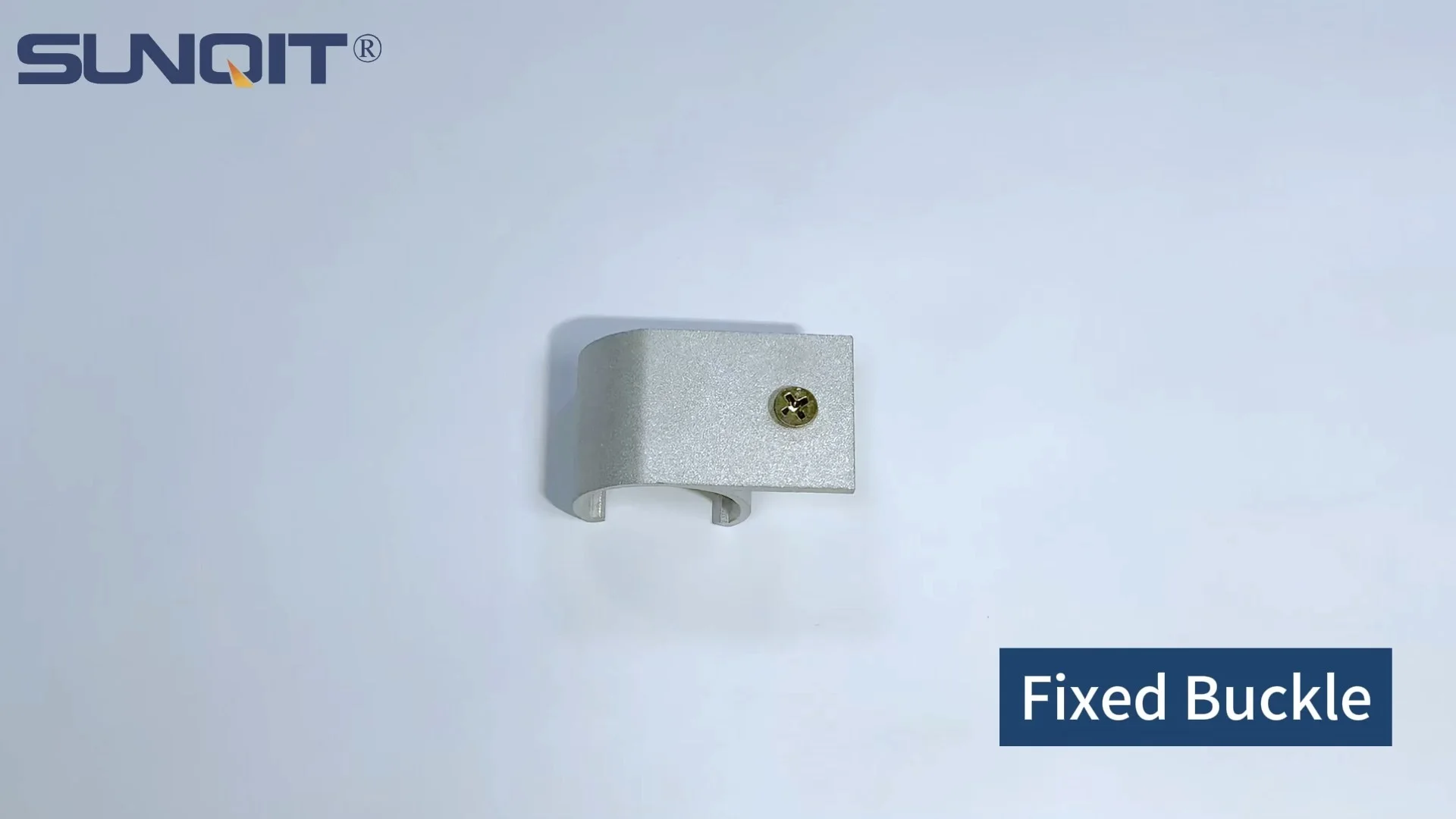
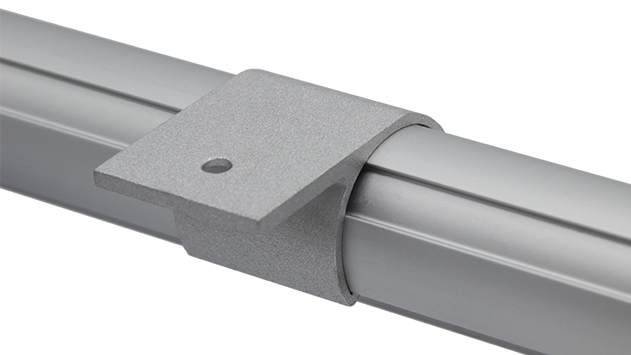
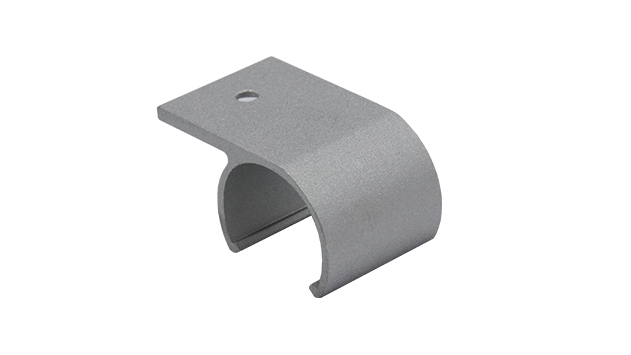
Aluminum pipe side clamp used for 28mm aluminum pipe connect with table top, or other accessories.
Walk into any modern workshop, warehouse, or manufacturing floor these days, and you'll likely spot a common thread: aluminum pipes and profiles forming everything from workbenches to flow racks. But what holds these setups together? More often than not, it's the unsung hero of modular design: aluminum pipe clamps with adjustable tension. These small but mighty components are the reason teams can build, reconfigure, and scale their setups with minimal hassle. Let's dive into why they're so essential, how they work, and where they shine brightest.
What Are Aluminum Pipe Clamps with Adjustable Tension?
At their core, aluminum pipe clamps are devices designed to secure two or more pipes (or pipes to other components like brackets or joints) together. What sets the "adjustable tension" variety apart is their ability to tweak how tightly they grip. Unlike fixed clamps that lock into place permanently, these let you loosen or tighten the connection using a simple mechanism—usually a screw, lever, or nut. This might sound minor, but in fast-paced environments where flexibility is key, it's a game-changer.
Aluminum is the material of choice here for good reason. It's lightweight, so it doesn't add unnecessary bulk to setups. It's also naturally resistant to rust and corrosion, making it suitable for both indoor workshops and slightly damp warehouses. And because it's malleable yet strong, manufacturers can shape it into clamps that balance durability with ease of use.
How Adjustable Tension Works (And Why It Matters)
Let's break down the mechanics. Most adjustable tension clamps use a threaded screw or bolt that, when turned, either tightens or loosens a clamping jaw. Imagine a simple C-shaped clamp: as you twist the screw, the jaw moves closer to the base, squeezing the pipe between them. The "adjustable" part means you can dial in the exact pressure needed—tight enough to hold heavy tools on a workbench, but loose enough to unscrew and reposition when your project changes.
Why does this matter? Think about a small electronics shop that builds custom circuit boards. One week, they might need a workbench with a narrow shelf for small components; the next, they might need to add a wider surface for testing larger devices. With fixed clamps, they'd have to unscrew everything, possibly damaging the pipes or accessories in the process. With adjustable tension? A quick twist of a screwdriver, and the clamps release, letting them rearrange the setup in minutes.
Another big plus: adjustable tension prevents the "too tight/too loose" problem. Over-tightening fixed clamps can warp aluminum pipes or strip threads; under-tightening leads to wobbly, unsafe setups. Adjustable clamps let you find that sweet spot, ensuring stability without strain.
Key Features to Look For
Not all adjustable tension clamps are created equal. When shopping, keep an eye out for these features to ensure you're getting a tool that works as hard as you do:
- Smooth Adjustment Mechanism: The screw or lever should turn easily without sticking. Look for clamps with ergonomic knobs or hex-head screws that work with standard tools—no specialty equipment needed.
- Durable Grip Pads: Many clamps have rubber or plastic pads on the clamping jaws. These prevent scratches on aluminum pipes and add friction, keeping connections even more secure.
- Compatibility: Check that the clamp fits your pipe size (common diameters are 20mm, 30mm, or 40mm for aluminum profiles). Some clamps are "universal," but it's safer to match them to your specific setup.
- Load Capacity: If you're using the clamp to hold heavy items (like a material rack stacked with parts), check the manufacturer's specs for maximum weight. A good rule of thumb: opt for clamps rated for 20-30% more than your typical load to be safe.
Versatile Applications: Where These Clamps Shine
The real magic of aluminum pipe clamps with adjustable tension is their versatility. They're not just for one industry or one type of project—they adapt to wherever they're needed. Let's explore some of the most common (and impactful) uses.
1. Workbenches: The Heart of Any Workshop
Whether you're assembling electronics, woodworking, or packaging products, a sturdy workbench is non-negotiable. But rigid, fixed workbenches quickly become obsolete when your needs change. That's where adjustable clamps come in. They let you build modular workbenches that grow with you.
Real-World Example:
Maria runs a small jewelry-making studio. Her workbench needs to hold tools, display materials, and sometimes even a small kiln. With aluminum pipes and adjustable clamps, she started with a basic 4-foot table. When she hired an assistant, she added a second tier using clamps to attach shelf brackets—no drilling or welding required. A few months later, she needed a narrower bench to fit a new polishing machine; she simply loosened the clamps, repositioned the pipes, and tightened them back up. Total time? 20 minutes, and the bench was as sturdy as before.
ESD workstations (used in electronics to prevent static damage) are another area where these clamps excel. Aluminum's natural conductivity, paired with adjustable tension, ensures that all parts of the workstation are grounded properly. Loose connections can create static buildup, but with clamps that stay tight, you avoid costly mistakes.
2. Flow Racks and Conveyor Systems: Keeping Products Moving
Warehouses and distribution centers live and die by how smoothly products flow from storage to shipping. Flow racks—those sloped racks with roller tracks that let boxes glide down—are a staple here. But if the roller tracks aren't secured tightly, boxes can jam, slow down, or even fall off.
Adjustable clamps solve this by holding roller tracks firmly to the aluminum profile frame of the rack. When you switch from small, lightweight packages to heavier boxes, you can tighten the clamps to ensure the tracks don't shift under pressure. And if you need to adjust the slope of the rack (to speed up or slow down product flow), a quick tweak of the clamps lets you reangle the tracks without rebuilding the entire rack.
3. Material Handling Trolleys: Mobility Without Compromise
Turnover trolleys and carts are workhorses in factories and warehouses, shuttling parts, tools, and finished goods between stations. But all that movement can loosen connections over time—especially if the trolley hits a bump or is loaded unevenly. Adjustable tension clamps keep the trolley's frame rigid, preventing wobbles that could damage products or cause accidents.
For example, a bakery using a trolley to move trays of dough might need to adjust the height of the shelves seasonally (taller shelves for holiday batches, shorter for daily orders). With fixed clamps, they'd need a whole new trolley. With adjustable ones? They just loosen the clamps, slide the shelves up or down, and tighten again. Done.
4. Lean Manufacturing Systems: Efficiency in Motion
Lean manufacturing is all about minimizing waste—whether that's time, materials, or space. Adjustable clamps align perfectly with this philosophy because they let teams reconfigure workstations and systems on the fly. Instead of waiting weeks for a custom-built setup, you can build, test, and adjust in days (or even hours).
A car parts manufacturer implementing 5S (a lean methodology for organizing workspaces) might use adjustable clamps to set up "visual management" boards. These boards hold tools, checklists, and workflow charts—and they need to be moved or resized as processes improve. Clamps make it easy to add hooks, shelves, or new sections without disrupting the entire line.

Aluminum Pipe Clamps vs. the Competition: A Quick Comparison
Aluminum isn't the only material used for pipe clamps, and adjustable tension isn't the only option. How do aluminum adjustable clamps stack up against stainless steel, plastic, or fixed clamps? Let's break it down in the table below:
| Clamp Type | Key Features | Best For | Pros | Cons |
|---|---|---|---|---|
| Aluminum Adjustable Tension | Lightweight, corrosion-resistant, adjustable grip | Modular setups, workbenches, flow racks, lean systems | Easy to reconfigure, compatible with aluminum profiles, affordable | Not ideal for extreme heat (over 200°F) or heavy loads over 500 lbs |
| Stainless Steel Fixed | Heavy-duty, high corrosion resistance, fixed grip | Outdoor use, chemical environments, heavy machinery | Extremely durable, high load capacity | Heavy, hard to reconfigure, expensive |
| Plastic Adjustable | Lightweight, low cost, adjustable grip | Light-duty use, temporary setups, home workshops | Cheapest option, easy to install | Not durable for heavy loads, prone to cracking in cold temperatures |
Tips for Getting the Most Out of Your Clamps
To make sure your aluminum pipe clamps with adjustable tension last and perform well, keep these tips in mind:
- Clean Them Regularly: Dust, grease, and debris can gunk up the adjustment mechanism. Wipe clamps with a damp cloth every few weeks, and use a small brush to clean out threads if they get sticky.
- Don't Over-Tighten: It's tempting to crank the screw until it won't turn, but this can strip threads or warp the clamp. Stop when the pipe feels secure—you should be able to wiggle it slightly, but not enough to shift out of place.
- Pair with Quality Accessories: A great clamp won't perform if the pipe or joint it's attached to is flimsy. Invest in compatible aluminum profiles and accessories from a reputable lean pipe supplier to ensure everything works together seamlessly.
- Label Configurations: If you reconfigure setups often, take a photo or jot down how tight the clamps were for each setup. This saves time when you need to revert back later.
Wrapping Up: The Small Tool That Makes a Big Difference
Aluminum pipe clamps with adjustable tension might not be the flashiest tools in your workshop, but they're undoubtedly some of the most useful. They turn rigid, one-use setups into flexible, adaptable systems that grow with your business. Whether you're building a simple workbench, optimizing a flow rack, or setting up a lean manufacturing line, these clamps let you work smarter—not harder.
So the next time you're planning a new setup or troubleshooting a wobbly workstation, remember: the solution might just be a few well-placed, adjustable clamps away. And when you're ready to buy, look for a supplier that specializes in lean system components—they'll have the expertise to help you pick the right clamps for your unique needs.
After all, in a world where change is constant, flexibility isn't just a nice-to-have—it's essential. And aluminum pipe clamps with adjustable tension? They're the quiet enablers of that flexibility.