- Company Articles
- Products and Technology
- Product knowledge
- Aluminum Pipe Clamps with Inner Rotary Joints: Flexible Connection Guide

Aluminum Pipe Clamps with Inner Rotary Joints: Flexible Connection Guide
Related Product
Aluminum Pipe Clamp
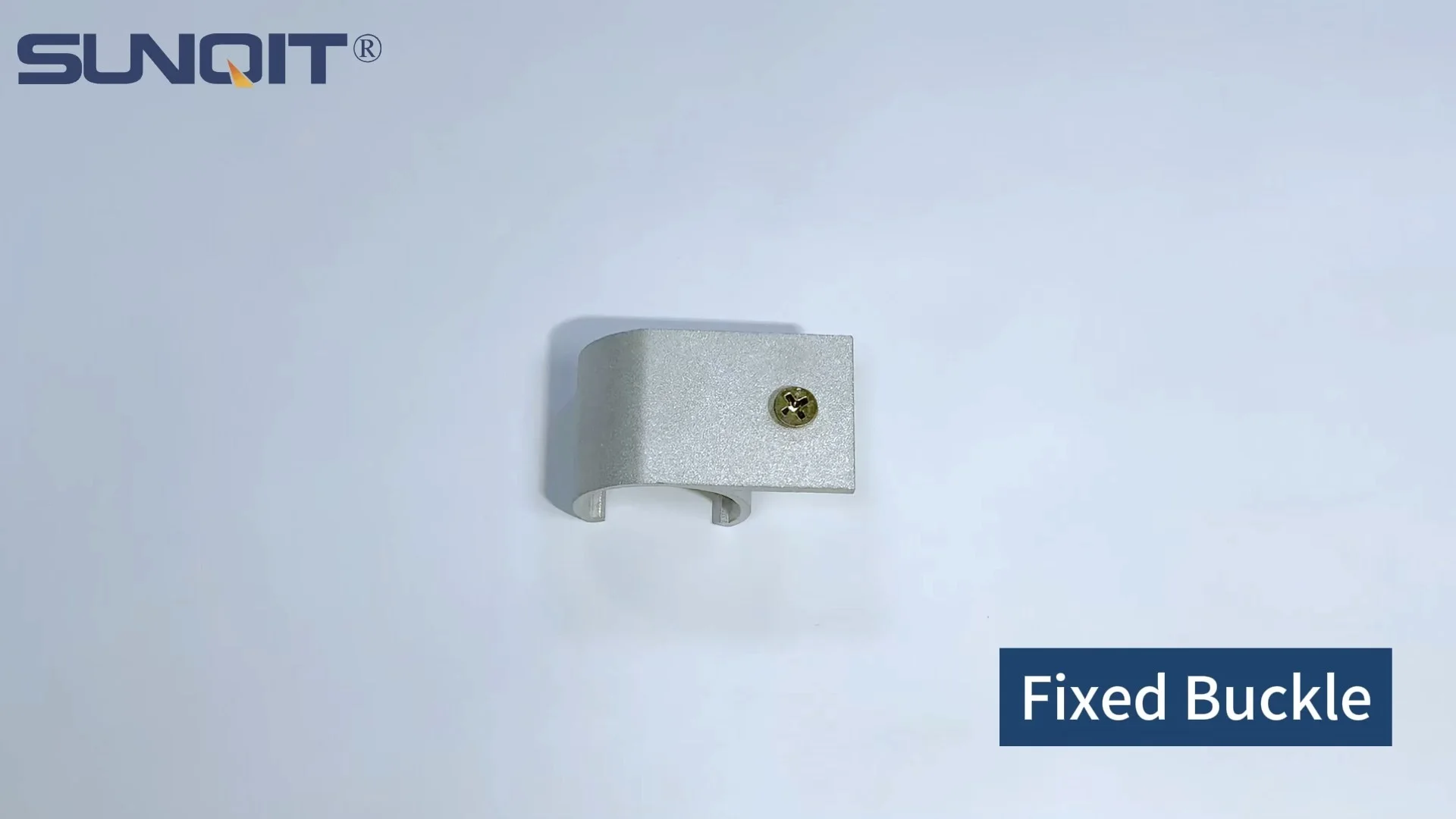
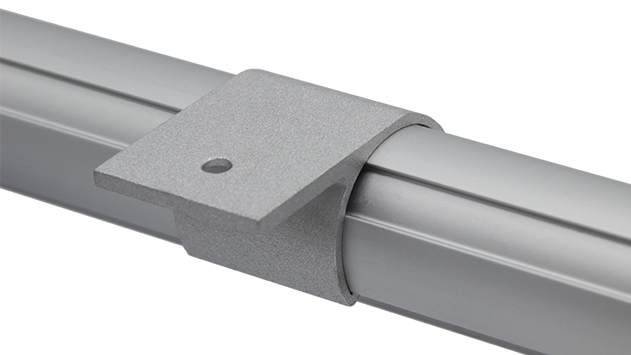
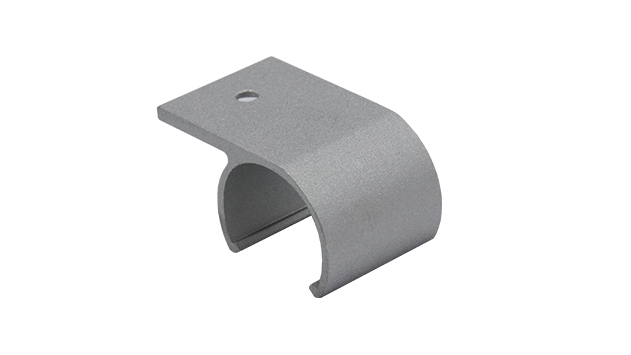
Aluminum pipe side clamp used for 28mm aluminum pipe connect with table top, or other accessories.
In the fast-paced world of manufacturing and production, adaptability isn't just a buzzword—it's the difference between falling behind and staying ahead. Imagine a workshop where rearranging a workstation takes hours of unscrewing bolts, cutting pipes, and re-welding joints. Now picture the opposite: a system where a single worker can reconfigure a material rack or adjust a workbench in minutes, using nothing more than basic tools. That's the power of flexibility—and it all starts with the right components. Today, we're diving into one of the most game-changing innovations in industrial setup: aluminum pipe clamps paired with inner rotary joints. These unassuming parts are the backbone of modular, adaptable workspaces, and by the end of this guide, you'll understand why they're becoming indispensable for businesses of all sizes.
The Problem with Rigidity: Why Traditional Systems Fall Short
For decades, production floors relied on fixed, heavy-duty systems. Steel pipes welded into place, wooden workbenches bolted to the floor, and material racks that stayed in one spot for years. While these setups were sturdy, they came with a hidden cost: inflexibility. As consumer demands shift, product lines evolve, and batch sizes shrink, rigidity becomes a liability. A manufacturer producing smartphones one month might need to switch to smartwatch components the next, requiring narrower workbenches or repositioned flow racks. With traditional systems, this meant halting production, hiring contractors, and incurring downtime—all while competitors with more agile setups kept moving.
Even in larger facilities, rigidity leads to inefficiencies. A fixed conveyor system might work perfectly for one product but create bottlenecks when a new part with different dimensions comes down the line. A workbench that's too tall for one operator and too short for another leads to ergonomic issues and reduced productivity. The message is clear: in today's manufacturing landscape, "set it and forget it" is no longer viable. What's needed is a system that can bend without breaking—literally and figuratively.
Enter Aluminum Lean Pipes: The Foundation of Flexibility
If rigidity is the problem, aluminum lean pipes are the first step toward the solution. Unlike traditional steel pipes, which are heavy, prone to rust, and difficult to modify, aluminum lean pipes are lightweight, corrosion-resistant, and designed for quick assembly. Made from high-grade aluminum alloy, they strike the perfect balance between strength and maneuverability—strong enough to support tools, materials, and workbenches, yet light enough that a single person can carry and position them without heavy machinery.
But what really sets aluminum lean pipes apart is their modularity. Unlike welded steel, these pipes aren't permanent. They're designed to be connected, disconnected, and reconnected using specialized accessories—no welding, no cutting, no hassle. This modularity is why they've become the go-to choice for lean manufacturing, where the goal is to eliminate waste (including wasted time spent on reconfigurations) and optimize workflow. Whether you're building a simple shelving unit or a complex assembly line, aluminum lean pipes provide the flexibility to start small and scale up, or pivot quickly when needs change.
Another key advantage? Aluminum's natural resistance to corrosion. In environments where moisture, chemicals, or humidity are present—like food processing plants or electronics manufacturing facilities—steel pipes would rust and degrade over time, compromising structural integrity. Aluminum lean pipes, on the other hand, hold up to these conditions, ensuring longevity and reducing maintenance costs. They're also easy to clean, making them ideal for industries with strict hygiene standards, such as pharmaceuticals or medical device production.
Internal Rotary Aluminum Joints: The "Flex" in Flexible Connections
If aluminum lean pipes are the bones of a modular system, internal rotary aluminum joints are the joints that let those bones move. These small but mighty components are what transform a static structure into one that can adapt on the fly. So, what exactly is an internal rotary aluminum joint? At its core, it's a connector that joins two aluminum lean pipes while allowing one or both pipes to rotate relative to each other. Think of it like a wrist joint: it connects your forearm (one pipe) to your hand (another pipe) and lets you rotate your hand to grasp objects from different angles.
The design of internal rotary joints is deceptively simple. Most feature a hollow cylindrical body with internal threading or a clamping mechanism that secures the aluminum lean pipes in place. Inside, a bearing or friction-reducing sleeve allows the joint to rotate smoothly—some models offer 360-degree rotation, while others are limited to specific angles (like 90 degrees or 180 degrees) for stability. The outer housing is typically made from the same aluminum alloy as the pipes, ensuring compatibility and a uniform look, while the internal components might be made from hardened steel or plastic to reduce wear and tear.
What makes these joints so valuable is their ability to enable "on-the-fly" adjustments. Let's say you have a flow rack used to transport components from one workstation to another. With fixed joints, the angle of the rack is set—if you need to lower one end to speed up material flow or raise it to reduce jams, you'd have to disassemble the entire rack. With an internal rotary joint, you can simply loosen the clamp, rotate the pipe to the desired angle, and retighten. No disassembly, no downtime, no frustration. It's this level of adaptability that makes internal rotary joints a game-changer for lean manufacturing principles, where continuous improvement and quick adjustments are key.
Fixed Joints vs. Internal Rotary Joints: A Quick Comparison
| Feature | Fixed Joints | Internal Rotary Joints |
|---|---|---|
| Adjustability | None—angle is permanent once installed | 360° rotation or multi-angle adjustment |
| Reconfiguration Time | 1–2 hours (requires disassembly/reassembly) | 5–10 minutes (no disassembly needed) |
| Wear and Tear | High—repeated disassembly weakens connections | Low—rotation mechanism reduces stress on joints |
| Best For | Static setups with no need for changes | Dynamic environments with frequent workflow shifts |
Aluminum Pipe Accessories: The Unsung Heroes of Modularity
Internal rotary joints are powerful on their own, but their true potential is unlocked when paired with the right aluminum pipe accessories. These small components—clamps, brackets, casters, and more—turn a collection of pipes and joints into a fully functional, adaptable system. Let's take a closer look at some of the most essential accessories and how they enhance flexibility.
First up: aluminum pipe clamps. These are the workhorses that hold everything together. Unlike generic clamps, which might slip or damage the pipes, aluminum pipe clamps are designed specifically for use with aluminum lean pipes. They feature a soft, non-marring interior that grips the pipe securely without scratching it, and an easy-to-use lever or screw mechanism that allows for quick tightening and loosening. This is crucial for internal rotary joints, as it means you can adjust the rotation angle without struggling with stubborn fasteners.
Next, casters and caster accessories. Even the most flexible stationary system is limited by its inability to move. Adding casters to a workbench or turnover trolley transforms it into a mobile unit that can be rolled to wherever it's needed. When paired with internal rotary joints, this mobility becomes even more powerful. For example, a mobile workbench with a rotating top (thanks to internal rotary joints) can be positioned next to an assembly line, then rotated to face a different operator without moving the entire trolley. Caster accessories like brake levers add stability when the unit is in use, ensuring safety during operation.
Roller tracks and accessories are another key component, especially for flow racks and conveyor systems. These tracks, which can be mounted to aluminum lean pipes using specialized brackets, allow materials to glide smoothly from one point to another. When combined with internal rotary joints, roller tracks can be angled to optimize flow speed—steeper for heavier items, shallower for delicate components. Accessories like plastic roller track guide rails (available in yellow or grey for visibility and organization) keep materials aligned, preventing jams and ensuring a steady flow.
Finally, end caps and covers might seem like minor details, but they play an important role in safety and durability. Aluminum lean pipes have open ends, which can be sharp or collect dust and debris. End caps snap into place, covering these ends to prevent cuts and keep the pipes clean. Plastic pipe sleeves and covers add an extra layer of protection, reducing noise when pipes are moved and preventing scratches on finished products that might come into contact with the system.

Real-World Applications: How Businesses Are Using These Systems
To truly understand the impact of aluminum lean pipes, internal rotary joints, and aluminum pipe accessories, let's look at some real-world examples of businesses that have embraced these systems—and the results they've seen.
Case Study 1: Electronics Manufacturer Reduces Changeover Time by 75%
A mid-sized electronics company producing circuit boards was struggling with frequent product changes. Each new board model required different tooling and workstation configurations, and with traditional steel workbenches and fixed racks, changeovers took 4–6 hours. This led to production delays and missed deadlines.
The solution? They replaced their steel systems with aluminum lean pipe workbenches equipped with internal rotary joints and adjustable roller tracks. Now, when switching between board models, operators can adjust the height and angle of the workbench top using the rotary joints, reposition roller tracks to accommodate different board sizes, and swap out tool holders in minutes. Changeover time dropped from 6 hours to just 1.5 hours—a 75% reduction. The company also reported a 20% increase in operator satisfaction, as the ergonomic adjustments reduced strain and fatigue.
Case Study 2: Automotive Supplier Improves Material Flow with Mobile Racks
A supplier to major automotive manufacturers needed a way to transport heavy engine components from the warehouse to the assembly line. Their existing fixed material racks were bulky and difficult to move, leading to bottlenecks when components were needed in different areas of the plant.
They invested in aluminum lean pipe turnover trolleys with internal rotary joints and heavy-duty casters. The trolleys were designed with rotating shelves (using internal rotary joints) that could be adjusted to hold different component sizes. Now, instead of having separate racks for each component, a single trolley can be reconfigured to carry anything from small gaskets to large engine blocks. The casters allow the trolleys to be rolled directly to the assembly line, reducing the need for forklifts and cutting material transport time by 40%. The internal rotary joints also make loading and unloading easier, as shelves can be rotated to face the operator, eliminating awkward bending and reaching.
Case Study 3: Small Bakery Optimizes Space with Modular Shelving
A family-owned bakery with limited floor space was struggling to store ingredients and finished products. Their static wooden shelves couldn't be adjusted to fit different-sized containers, leading to wasted space and disorganization.
They installed aluminum lean pipe shelving units with internal rotary joints and adjustable brackets. The shelves, which could be rotated and repositioned, allowed them to customize the height between shelves based on what they were storing—taller for mixing bowls, shorter for ingredient bins. During peak baking times, they could even rotate sections of the shelving to face the prep area, making ingredients easier to access. The result? They increased storage capacity by 30% without expanding their footprint, and reduced the time spent searching for ingredients by 50%.
Installing Aluminum Lean Pipes with Internal Rotary Joints: A Step-by-Step Guide
Now that you understand the benefits of aluminum lean pipes, internal rotary joints, and aluminum pipe accessories, let's walk through how to install a basic system. While specific setups will vary, these general steps apply to most modular configurations, from workbenches to flow racks.
Tools You'll Need
- Measuring tape and pencil (for marking pipe lengths)
- Hacksaw or pipe cutter (for cutting aluminum lean pipes to size—always wear safety glasses!)
- Deburring tool (to smooth rough edges after cutting)
- Allen wrench or screwdriver (depending on the joint's fastening mechanism)
- Level (to ensure the system is straight and stable)
- Rubber mallet (for gently tapping joints into place, if needed)
Step 1: Plan Your Design
Before you start cutting pipes, take time to plan your design. Sketch out the dimensions of your desired structure (e.g., a workbench that's 120cm long, 60cm wide, and 80cm tall) and note where internal rotary joints will be placed. Consider how the system will be used—will it need to rotate? Move? Support heavy loads? This planning phase will save you time and reduce mistakes later.
Step 2: Cut Pipes to Size
Using your measuring tape and pencil, mark the aluminum lean pipes to the required lengths. Double-check your measurements to avoid errors! Then, use a hacksaw or pipe cutter to cut the pipes. Aluminum is soft, so cutting should be relatively easy, but take your time to ensure straight cuts. After cutting, use a deburring tool to remove any sharp edges—this prevents injuries and ensures a snug fit with joints.
Step 3: Assemble the Frame
Start by assembling the base frame. insert one end of a cut pipe into an internal rotary joint, then tighten the clamp just enough to hold it in place (you'll want to adjust later). Repeat with the other pipes, connecting them using joints (fixed or rotary, depending on your design). As you assemble, use a level to ensure the frame is square and upright—this prevents wobbling once the system is complete. Once the frame is assembled, go back and fully tighten all joints, including the internal rotary ones, to ensure stability.
Step 4: Add Accessories
Now it's time to add aluminum pipe accessories. Attach casters to the base of mobile units using caster installation bases, ensuring the brakes work properly. Mount roller tracks to the frame using brackets, adjusting the angle with internal rotary joints as needed. Snap end caps onto open pipe ends to cover sharp edges. If you're building a workbench, add a top (like a plywood or aluminum honeycomb panel) using brackets or clamps.
Step 5: Test and Adjust
Once everything is assembled, test the system. If you have internal rotary joints, loosen the clamps and rotate the pipes to ensure smooth movement. Check that shelves or roller tracks are level and that casters roll freely (and lock securely). If something feels wobbly or doesn't rotate smoothly, tighten or adjust the joints as needed. This testing phase is crucial—taking the time to fine-tune now will prevent issues later.
Maintaining Your Aluminum Lean Pipe System: Tips for Longevity
Like any tool or equipment, your aluminum lean pipe system will perform best with regular maintenance. The good news is that aluminum is low-maintenance by nature, and with a little care, your system can last for years. Here are some tips to keep it in top shape:
Regular Cleaning
Aluminum lean pipes are resistant to corrosion, but they can still collect dust, grease, and debris—especially in industrial environments. Wipe down the pipes and joints with a damp cloth or mild detergent every few weeks to prevent buildup. For stubborn grime, use a soft-bristled brush (avoid abrasive cleaners, which can scratch the aluminum). Pay special attention to internal rotary joints, as dirt in the rotation mechanism can cause sticking or uneven movement.
Lubricate Rotary Joints
Internal rotary joints rely on smooth movement, so occasional lubrication is key. Use a light machine oil or silicone spray on the joint's rotation mechanism every 3–6 months (more often if the system is used heavily). Apply a small amount, then rotate the joint several times to distribute the lubricant evenly. Wipe away any excess to prevent attracting dust.
Check for Loose Connections
Vibration from daily use can cause joints and clamps to loosen over time. Inspect all connections monthly, tightening any loose clamps or screws. This is especially important for casters and roller tracks, as loose components can lead to instability or jams. If a clamp or joint is damaged (e.g., stripped threads), replace it immediately—don't try to "make do" with a faulty part, as this can compromise safety.
Protect from Extreme Conditions
While aluminum is durable, extreme temperatures or chemicals can damage it. Avoid exposing your system to temperatures above 120°C (248°F) or below -20°C (-4°F), as this can weaken the aluminum or cause joints to seize. In environments with harsh chemicals (like cleaning agents or oils), wipe down the pipes immediately if they come into contact with these substances. If you're using the system outdoors, consider adding a protective coating or moving it indoors during inclement weather.
replace Worn Accessories
Accessories like casters, roller tracks, and end caps will wear out over time. Inspect these components regularly for signs of damage: cracked roller wheels, worn caster bearings, or loose end caps. replace them as needed to ensure safety and functionality. Many suppliers offer replacement parts, so keeping a few spares on hand can minimize downtime.
Conclusion: Flexibility as a Competitive Advantage
In a world where change is the only constant, flexibility isn't just nice to have—it's essential. Aluminum lean pipe systems, with their internal rotary joints and versatile accessories, offer a level of adaptability that traditional fixed systems can't match. They empower businesses to respond quickly to shifting demands, optimize workflows, and reduce downtime—all while keeping costs in check.
Whether you're a small manufacturer looking to streamline your assembly line, a warehouse aiming to improve material flow, or a bakery needing to maximize storage space, the principles are the same: modularity, adaptability, and simplicity. Internal rotary aluminum joints are the quiet heroes of this revolution, turning rigid structures into dynamic, responsive systems that grow and evolve with your business.
So, if you're still relying on welded steel pipes, fixed workbenches, and inflexible racks, it might be time to make the switch. Invest in aluminum lean pipes, equip them with internal rotary joints and quality accessories, and discover the freedom of a workspace that bends to your needs—not the other way around. The future of manufacturing is flexible, and it starts with the right connections.