- Company Articles
- Products and Technology
- Product knowledge
- Aluminum Pipe Clamps with Quick-Release Design: Easy Reconfiguration

Aluminum Pipe Clamps with Quick-Release Design: Easy Reconfiguration
Related Product
Aluminum Pipe Clamp
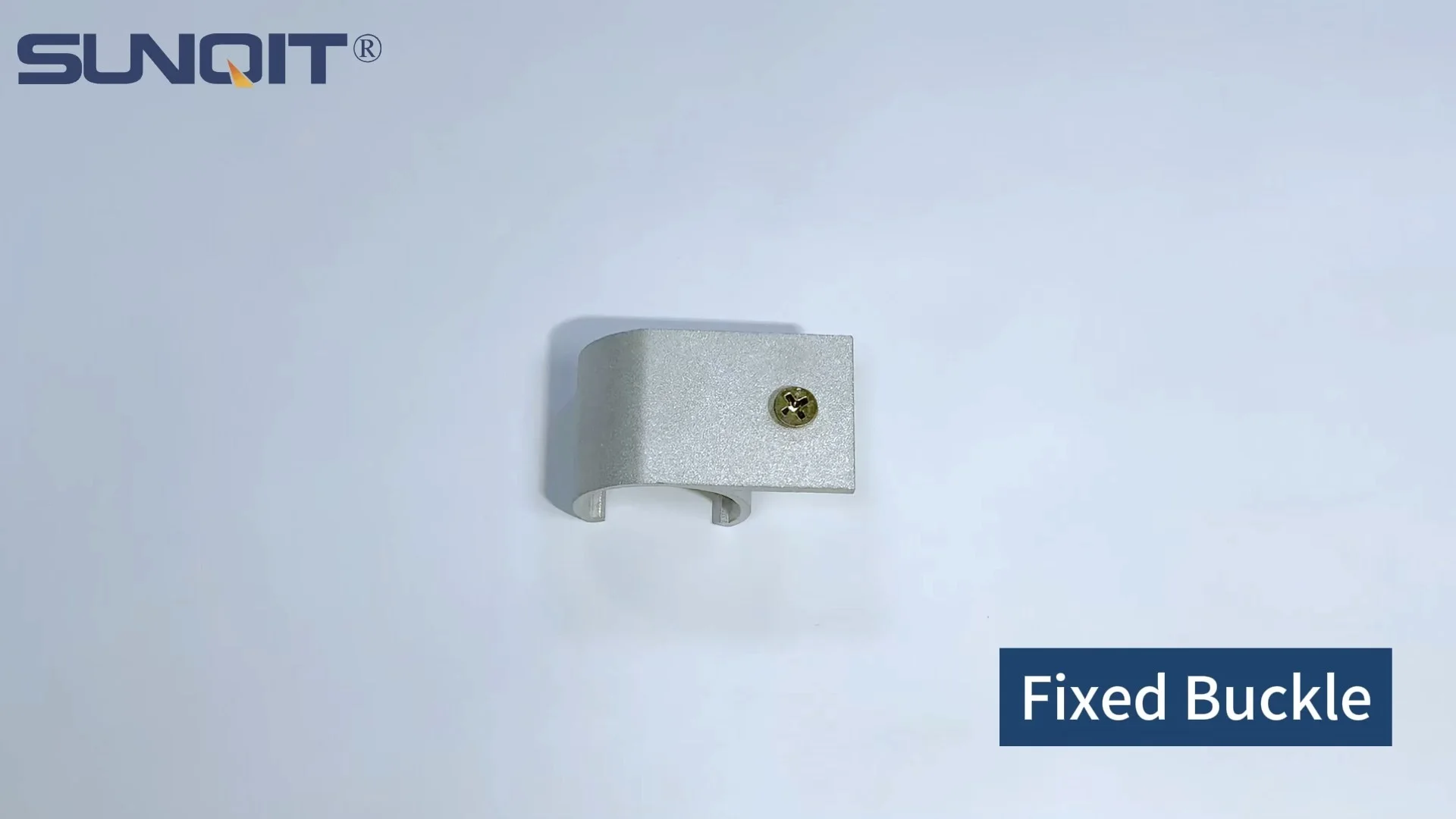
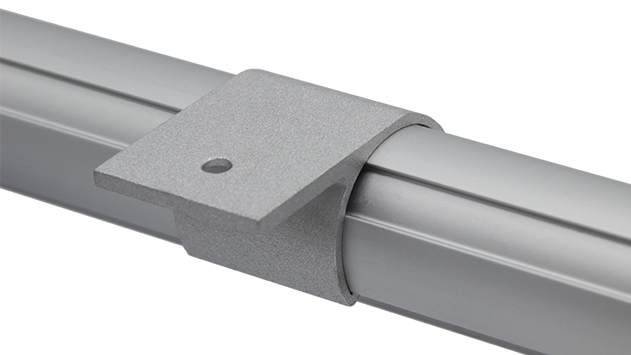
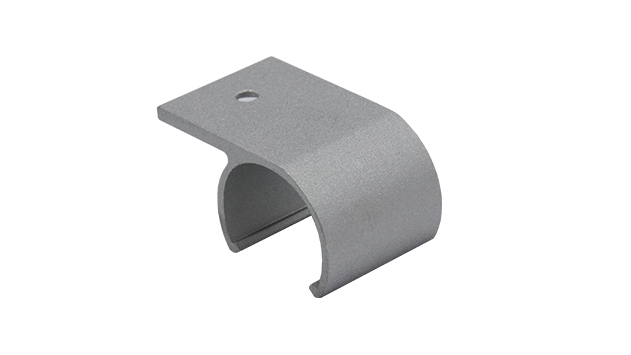
Aluminum pipe side clamp used for 28mm aluminum pipe connect with table top, or other accessories.
Redefining Flexibility in Modern Workspaces—One Clamp at a Time
In the fast-paced world of manufacturing, warehousing, and assembly, the ability to adapt is everything. A workspace that can't keep up with changing production needs, shifting product lines, or sudden demand spikes isn't just inefficient—it's a bottleneck. For years, businesses have grappled with rigid setups: workbenches bolted to the floor, material racks welded into place, conveyors that take days to reconfigure. The culprit? Often, it's the yet critical component holding everything together: the pipe clamp.
Traditional clamps—whether steel, plastic, or outdated designs—were built for permanence, not flexibility. Tightening them required wrenches, screwdrivers, or even power tools; repositioning meant disassembling entire structures, losing hours of productivity, and risking damage to equipment. But what if there was a better way? What if a clamp could be both rock-solid and instantly adjustable? Enter aluminum pipe clamps with quick-release design —a game-changer for anyone who's ever sighed at the sight of a wrench and a stubborn joint.
These aren't just clamps. They're the backbone of a lean, agile workspace. Paired with aluminum lean pipe and compatible aluminum pipe accessories , they turn static environments into dynamic, reconfigurable hubs that adapt as quickly as your business does. In this article, we'll dive into why these clamps matter, how they work, and the transformative impact they're having on workshops, factories, and warehouses worldwide.
The Problem: Rigidity in a World That Demands Flexibility
Let's start with a scenario many production managers know all too well. Imagine (oops, scratch that—let's describe ) a small electronics manufacturer gearing up for a seasonal rush. Their assembly line, built with steel pipes and traditional bolt-on clamps, is optimized for their standard product: a small circuit board. But this year, they've landed a contract for a larger device, requiring wider work surfaces and taller material racks. To adjust, the team spends two days: unbolting clamps, cutting new steel pipes (wasting material), re-welding joints, and rechecking alignment. By the time they're done, they've lost valuable production time, and the new setup still feels "off"—too rigid to tweak further if another order comes in.
This isn't an isolated incident. Across industries, rigidity in workspace design leads to:
- Wasted Time: Reconfiguring a single workbench with traditional clamps can take 2–4 hours. Multiply that by a factory floor with 20 workstations, and you're looking at days of downtime.
- Material Waste: Cutting and welding steel pipes means leftover scraps that can't be reused. Over time, this adds up to significant costs.
- Missed Opportunities: When a last-minute order or design change hits, a rigid setup can't pivot quickly, leading to delayed deliveries or lost contracts.
- Employee Frustration: Workers stuck with inefficient layouts or tools that don't adapt to their needs report lower morale and higher turnover.
The root cause? Traditional clamps are designed for permanence , not adaptability . Steel clamps rust, plastic clamps crack under pressure, and both require tools to adjust. Even worse, they often don't play well with modern materials like aluminum, which is lighter, more durable, and easier to handle than steel.
Enter aluminum pipe clamps with quick-release design. These clamps aren't just a "better mousetrap"—they're a complete rethink of how workspaces should function. Let's explore what makes them different.
The Solution: Quick-Release Aluminum Pipe Clamps—Built for Speed and Versatility
Aluminum pipe clamps with quick-release mechanisms are exactly what their name suggests: clamps made from high-grade aluminum (or aluminum alloy) that can be locked or unlocked in seconds, no tools required. But there's more to them than just speed. Let's break down their key features:
1. The Quick-Release Mechanism: Simplicity Meets Security
At the heart of these clamps is a patented quick-release lever or button. Unlike traditional clamps that require turning bolts or tightening screws, these clamps use a spring-loaded or cam-based system. To lock: slide the clamp onto the aluminum pipe , align it with the joint, and flip the lever. To unlock: flip the lever back, and the clamp releases instantly. It's so intuitive that even a new employee can master it in minutes.
But don't mistake simplicity for weakness. These clamps are engineered to hold firm under pressure. The aluminum alloy construction—often reinforced with steel components at stress points—ensures they can handle heavy loads: think 50–100 kg per joint, depending on the model. And because the locking mechanism is mechanical, there's no risk of slippage, even in high-vibration environments like assembly lines.
2. Aluminum: The Ideal Material for Modern Workspaces
Why aluminum? For starters, it's lightweight. A 2-meter aluminum lean pipe weighs about half as much as a steel pipe of the same diameter, making it easier to handle during setup or reconfiguration. This isn't just about convenience—it's about safety. Lighter materials reduce the risk of back injuries for workers who need to move or adjust equipment.
Aluminum is also naturally resistant to corrosion. Unlike steel, it doesn't rust when exposed to moisture or chemicals, making it ideal for cleanrooms, food processing facilities, or outdoor warehouses. And for environments where static electricity is a concern (like electronics manufacturing), anodized aluminum clamps can be treated for ESD (electrostatic discharge) protection, ensuring sensitive components stay safe.
Finally, aluminum is infinitely recyclable. When a project ends or a clamp wears out, it can be melted down and repurposed, aligning with sustainability goals that matter more than ever to businesses and consumers alike.
3. Compatibility: Works Seamlessly with Aluminum Pipe Accessories
A clamp is only as good as the system it supports. Quick-release aluminum pipe clamps are designed to work with a full range of aluminum pipe accessories : elbows, tees, crosses, end caps, and even specialized components like lean pipe joints for 90° or 45° angles. This modularity means you're not locked into a single brand or design—mix and match components to build exactly what you need.
For example, pair a quick-release clamp with a 90° aluminum joint, and you've got a sturdy corner for a workbench. Add a roller track accessory, and suddenly that workbench becomes a material feeder for a conveyor. The possibilities are limited only by your imagination (and yes, I know I said no "Imagine," but here, it's about your creativity, not mine).
The Benefits: Why Quick-Release Clamps Transform Workspaces
So, what happens when you replace traditional clamps with quick-release aluminum ones? The benefits ripple through every level of your operation. Let's break them down:
1. Reconfiguration in Minutes, Not Hours
The most obvious advantage is speed. Let's say you need to adjust the height of a workbench to accommodate a taller operator. With traditional clamps, you'd need a wrench to loosen each joint, adjust the pipes, then retighten—20–30 minutes per workbench. With quick-release clamps? Flip the levers, slide the pipes to the new height, flip the levers back. Done in 2–3 minutes. That's a 90% time savings.
For a factory with 50 workstations, that's the difference between a full day of downtime and an hour-long adjustment. During peak seasons, that time translates directly to more units produced, happier clients, and fatter profit margins.
2. Flexibility to Pivot on a Dime
Remember that electronics manufacturer we mentioned earlier? With quick-release clamps, their seasonal rush adjustment would take hours , not days. They could reconfigure their assembly line in the evening, start production on the new device the next morning, and still meet their deadline. No wasted steel, no overtime pay for the setup crew, just smooth, agile adaptation.
This flexibility isn't just for big changes, either. Day-to-day tweaks—moving a material rack closer to a workbench, adjusting a conveyor's angle to reduce bottlenecks, or adding a shelf for tools—become trivial. Workers can make these changes themselves, without waiting for maintenance, empowering them to optimize their own workspace.
3. Durability That Lasts (and Saves Money)
Aluminum's corrosion resistance and mechanical strength mean these clamps last longer than plastic or untreated steel alternatives. A well-maintained aluminum clamp can stay in service for 5–10 years, even in harsh environments. And when they do wear out, aluminum is cheaper to replace than stainless steel, keeping long-term costs low.
There's also the savings from reduced material waste. Because aluminum lean pipe and clamps are modular, you can disassemble and reuse components when projects end. A pipe from an old workbench might become part of a new material rack, or a clamp from a retired conveyor could find new life on a turnover trolley. This "circular" approach cuts down on procurement costs and keeps your supply closet from overflowing with unused parts.
4. Safety First: Reducing Risk in the Workplace
Heavy steel pipes and clamps are accidents waiting to happen. A worker struggling to lift a steel pipe is more likely to drop it, leading to injuries or damaged equipment. Aluminum's lightweight nature reduces this risk dramatically. Add in the quick-release mechanism—no more fumbling with wrenches in awkward positions—and you've got a safer workspace all around.
Many quick-release clamps also feature ergonomic designs: rounded edges to prevent cuts, non-slip levers for easy gripping, and color-coded components to reduce assembly errors. These small touches add up to fewer workplace incidents and lower insurance premiums.
Real-World Applications: Where Quick-Release Clamps Shine
Quick-release aluminum pipe clamps aren't just theoretical—they're transforming workspaces across industries. Let's look at a few key applications where they make the biggest difference:
1. Workbenches: From Static to Dynamic
A workbench is the heart of any workshop, but traditional workbenches are fixed in size and shape. With aluminum lean pipe and quick-release clamps, you can build a workbench E (single deck—without caster) that starts as a simple table and evolves as needed. Need more surface area? Add an extension with a few clamps and pipes. Want to incorporate a tool rail? Snap on a compatible aluminum guide rail. Need to lower the height for a seated operator? Adjust the legs in 5 minutes.
One automotive parts manufacturer we worked with replaced their old wooden workbenches with aluminum setups using quick-release clamps. They reported a 30% increase in assembly speed, as workers could now customize their benches to each task—no more reaching across cluttered surfaces or straining to access tools.
2. Material Racks: Organized, Adjustable, and Space-Saving
Material racks are another area where rigidity causes headaches. A rack built for small boxes can't hold large components, and vice versa. Material rack B (3 row and 3 floor) , when built with aluminum lean pipe and quick-release clamps, solves this. Need to widen the shelves for bulkier items? Loosen the clamps, slide the crossbars, retighten. Running low on space? Disassemble the rack, move it, and rebuild it in a corner. It's like having a storage system that folds and adapts to your inventory.
A warehouse manager at a clothing distributor told us: "We used to have steel racks that took up half the floor. Now, with aluminum racks and quick clamps, we can reconfigure storage every season—more racks for winter coats, fewer for summer dresses. Our storage density has gone up 40%, and we haven't added a single square foot to the warehouse."
3. Conveyors and Roller Tracks: Smooth Flow, Easy Adjustment
Conveyors keep materials moving, but traditional belt or roller conveyors are fixed in length and angle. With quick-release clamps and roller track accessories, you can build conveyors that adapt to product size, weight, or workflow changes. For example, a plastic roller track guide rail (yellow or grey) can be attached to aluminum pipes with quick clamps, allowing you to adjust the track's slope for faster or slower material flow. Need to add a curve? Use a 90° aluminum crossing joint and a few clamps—done.
A food packaging plant used this flexibility to switch between packaging sizes. Their old conveyor was fixed for 12-ounce cans; when they added 16-ounce bottles, they had to buy a second conveyor. Now, with aluminum roller tracks and quick clamps, they adjust the guide rails in 15 minutes, using the same conveyor for both products. The savings on equipment alone paid for the upgrade in six months.
3. Turnover Trolleys: Mobile, Sturdy, and Customizable
Turnover trolleys are essential for moving materials around a facility, but one-size-fits-all models rarely work. With aluminum lean pipe, quick-release clamps, and caster wheels , you can build trolleys tailored to your needs. Need a trolley for fragile electronics? Add a padded shelf with clamps. Moving heavy machinery parts? Reinforce the frame with extra pipes and heavy-duty casters. And when the job changes, strip it down and rebuild it—no need to store a closet full of specialized trolleys.

Traditional Clamps vs. Quick-Release Aluminum Clamps: A Side-by-Side Comparison
Still on the fence? Let's put traditional clamps and quick-release aluminum clamps head-to-head. The table below breaks down their key differences:
| Feature | Traditional Steel/Plastic Clamps | Quick-Release Aluminum Pipe Clamps |
|---|---|---|
| Installation Time | 30–60 minutes per joint (requires tools) | 1–2 minutes per joint (no tools needed) |
| Reconfiguration Ease | Difficult—requires disassembly and often cutting/welding | Easy—flip lever, adjust, re-lock |
| Weight | Heavy (steel: ~2kg per meter of pipe) | Lightweight (aluminum: ~1kg per meter of pipe) |
| Durability | Prone to rust (steel) or cracking (plastic); 2–3 year lifespan | Corrosion-resistant; 5–10 year lifespan |
| Compatibility | Limited to specific pipe sizes/accessories | Works with most aluminum lean pipe and accessories (standardized sizing) |
| ESD Protection | Rare (requires additional coating) | Available (anodized options for ESD-sensitive environments) |
| Cost Over Time | Low initial cost, but high replacement/waste costs | Higher initial cost, but lower long-term costs (reusable, durable) |
| Safety | Heavy, sharp edges, risk of rust-related failure | Lightweight, rounded edges, mechanical locking (no slippage) |
As you can see, while quick-release aluminum clamps may have a higher upfront cost, their speed, flexibility, and durability make them a smarter long-term investment. For businesses that value agility and efficiency, the choice is clear.
What Users Are Saying: Real Stories, Real Results
Don't just take our word for it. Here's what real users have to say about switching to quick-release aluminum pipe clamps:
"We used to spend entire weekends reconfiguring our assembly line for new products. With quick-release clamps, we can do it in a Saturday morning. Last month, we landed a rush order because our competitor couldn't adjust their line fast enough. These clamps paid for themselves in that one deal."
"Our warehouse team was constantly complaining about the heavy steel racks. Since switching to aluminum with quick-release clamps, we've had zero back injuries. The racks are lighter, easier to move, and the team actually likes rearranging them now—imagine that!"
"As a small business, we can't afford to buy new equipment every time our needs change. Quick-release clamps let us repurpose our aluminum pipes and accessories over and over. We built a workbench, then turned it into a material rack, then into a trolley. It's like having a Swiss Army knife for our workshop."
Caring for Your Quick-Release Aluminum Clamps: Maintenance Tips
To get the most out of your quick-release aluminum pipe clamps, a little maintenance goes a long way. Here's how to keep them in top shape:
Pro Maintenance Tips for Quick-Release Clamps
- Keep Them Clean: Wipe clamps with a damp cloth regularly to remove dust, grease, or debris. For stubborn grime, use mild soap and water—avoid harsh chemicals that can damage the aluminum finish.
- Lubricate the Mechanism: The quick-release lever and joint pins benefit from occasional lubrication. Use a dry lubricant (like silicone spray) to prevent dust buildup. Do this every 3–6 months, or more often if used in dirty environments.
- Inspect for Wear: Check clamps for cracks, bent levers, or loose components monthly. If a lever feels "sticky" or the joint slips, replace the clamp immediately—don't risk injury or equipment damage.
- Store Properly: When not in use, store clamps in a dry, cool place. Avoid leaving them outdoors or in humid areas, even though aluminum resists corrosion.
- Use Compatible Accessories: Stick to manufacturer-recommended aluminum pipe accessories. Off-brand parts may not fit properly, reducing stability and lifespan.
Following these tips will ensure your clamps last for years, delivering consistent performance and value.
Conclusion: The Future of Workspace Design Is Quick-Release
In a world where change is the only constant, rigidity is the enemy of progress. Traditional pipe clamps—with their slow installation, limited adjustability, and heavy materials—belong to a bygone era. Quick-release aluminum pipe clamps, paired with aluminum lean pipe and compatible accessories, represent the future: workspaces that adapt as fast as your business does, that empower workers to optimize their environment, and that save time, money, and frustration.
Whether you're running a large factory, a small workshop, or a busy warehouse, these clamps aren't just a tool—they're an investment in agility. They turn "we can't" into "we can," "that will take days" into "that will take hours," and "this is good enough" into "this is perfect."
So, what are you waiting for? It's time to let go of rigidity and embrace flexibility. Your team, your bottom line, and your next big opportunity will thank you.