- Company Articles
- Products and Technology
- Product knowledge
- Aluminum Pipe with Board Holder: Corrosion Resistance in Humidity

Aluminum Pipe with Board Holder: Corrosion Resistance in Humidity
Related Product
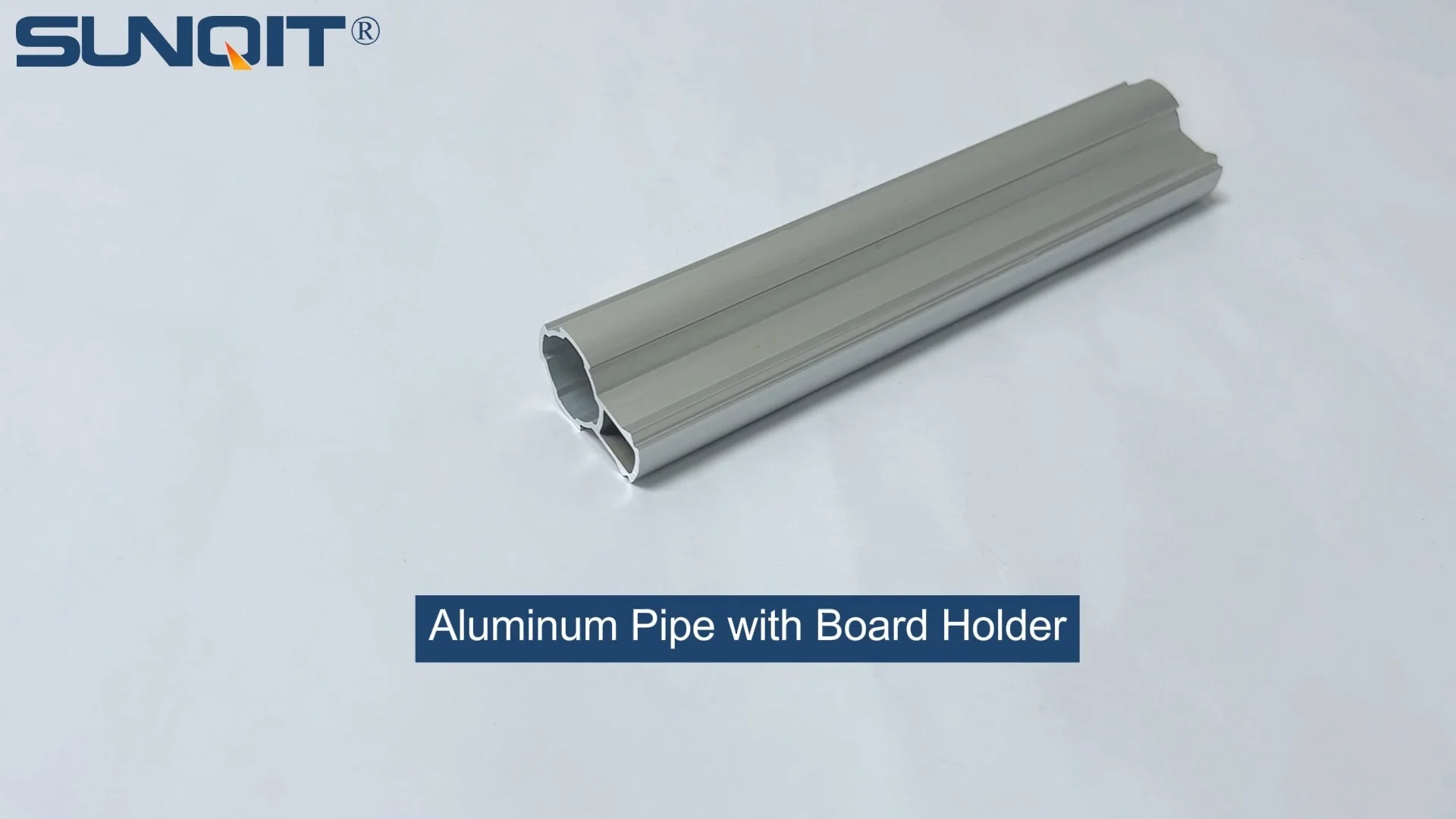
Aluminum Pipe with Board Holder
The linear rolling assembly can be arbitrarily connected in the protruding part of the card slot to increase the rigidity of the track.
The Silent Threat of Humidity in Industrial Spaces
Walk into any busy workshop, manufacturing plant, or warehouse, and you'll likely notice rows of equipment, workbenches, and material racks working tirelessly to keep operations running. What you might not see—at first—is the invisible enemy lingering in the air: humidity. It's a silent saboteur, creeping into the smallest crevices of metal structures, accelerating wear and tear, and quietly undermining the reliability of tools and infrastructure. In coastal areas, food processing facilities, or tropical climates, where moisture levels often soar above 70%, this threat becomes even more pronounced. Rust forms on steel surfaces, joints seize up, and once-sturdy racks start to weaken, leading to costly downtime, safety risks, and the need for frequent replacements. For businesses, the question isn't just how to manage humidity—it's how to build systems that can stand up to it, day in and day out.
Enter the aluminum pipe with board holder: a solution designed to turn the tables on humidity. Unlike traditional steel or even some plastic alternatives, aluminum brings a unique set of properties that make it naturally resistant to the corrosive effects of moisture. When paired with a board holder—a simple yet ingenious accessory that secures panels, shelves, or work surfaces to the pipe frame—it becomes a versatile, durable foundation for everything from assembly lines to storage racks. In this article, we'll explore why aluminum has become the go-to material for humid environments, how the aluminum pipe with board holder is engineered to thrive where other materials fail, and why it's quickly becoming a staple in forward-thinking industrial spaces.
Why Aluminum? The Science Behind Its Corrosion Resistance
To understand why aluminum stands out in humid conditions, we need to start at the molecular level. Aluminum is a reactive metal, but unlike iron (which forms flaky, porous rust when exposed to moisture and oxygen), aluminum undergoes a different process: passivation. When aluminum comes into contact with air, it rapidly forms a thin, invisible layer of aluminum oxide (Al₂O₃) on its surface. This layer is just 0.00001 millimeters thick—thinner than a human hair—but it's incredibly dense and tightly bonded to the metal beneath. It acts as a barrier, preventing oxygen and moisture from reaching the underlying aluminum and causing further corrosion. What's more, if this layer is scratched or damaged, it self-heals: the exposed aluminum reacts with oxygen in the air to reform the protective oxide coating, ensuring long-term resilience.
This natural defense mechanism gives aluminum a significant edge over steel. Steel, for example, relies on external coatings like paint or zinc plating to resist rust, but these coatings can chip, crack, or wear off over time—especially in high-traffic industrial settings. Once the coating is compromised, rust takes hold, spreading quickly and weakening the metal. Stainless steel, while more corrosion-resistant than regular steel, is heavier, more expensive, and still prone to pitting in extremely humid or salty environments (like coastal workshops). Aluminum, by contrast, requires no additional coatings to stay protected. Its passivation layer is part of its inherent chemistry, making it low-maintenance and reliable even in the wettest conditions.
But corrosion resistance isn't the only feather in aluminum's cap. It's also remarkably lightweight—about one-third the weight of steel—making it easier to handle, install, and reconfigure. This is a game-changer for businesses that need flexible workspaces; aluminum pipe frames can be disassembled, moved, and reassembled with minimal effort, adapting to changing production needs without the hassle of heavy lifting. And despite its light weight, aluminum offers impressive strength, especially when used in extruded profiles (like the aluminum profile commonly used in industrial systems). Extrusion—where molten aluminum is forced through a die to create uniform shapes—enhances the metal's structural integrity, allowing it to support heavy loads without bending or warping. When you combine this strength with corrosion resistance, you get a material that's not just durable, but also versatile enough to meet the demands of modern manufacturing.

Aluminum Pipe with Board Holder: Design That Thrives in Humidity
The aluminum pipe with board holder isn't just a random pairing of components; it's a thoughtfully engineered system designed to address the specific challenges of humid environments. Let's break down its key features and how they work together to resist moisture and maintain performance over time.
First, the aluminum pipe itself. Most industrial-grade aluminum pipes are made from 6000-series aluminum alloys, which blend aluminum with magnesium and silicon for added strength and corrosion resistance. These alloys are specifically chosen for their ability to withstand harsh conditions, including high humidity and even exposure to mild chemicals (common in food processing or cleaning environments). The pipes are typically extruded into a T-slot profile—a design where a long, narrow groove runs along the length of the pipe. This slot isn't just for looks; it allows for easy attachment of accessories like the board holder, clamps, or brackets without the need for welding or drilling. In humid environments, this matters because drilling or welding can damage the protective oxide layer on aluminum, creating weak points for corrosion. With T-slot profiles, connections are secure, non-invasive, and moisture-resistant.
Then there's the board holder: a simple but critical accessory that transforms the aluminum pipe into a functional workspace. Board holders are usually made from the same corrosion-resistant aluminum or high-quality plastic, ensuring they won't rust or degrade when exposed to moisture. They slide into the T-slot of the pipe, locking into place with a set screw or spring-loaded mechanism, and feature a flat surface or lip to hold panels, shelves, or workbenches. Whether you're mounting a wooden worktop, a plastic bin, or a metal tool board, the board holder creates a tight, stable connection that leaves no gaps for moisture to collect. Unlike traditional bolt-on brackets, which can trap water between the bracket and the pipe, the T-slot design allows for drainage, preventing pooling and the subsequent risk of corrosion. This attention to detail—ensuring every part of the system is either moisture-resistant or designed to shed water—sets the aluminum pipe with board holder apart from less specialized solutions.
Another design advantage is modularity. Aluminum pipe systems are built with standardized components, meaning you can mix and match pipes, board holders, and other aluminum pipe accessories (like joints, casters, or end caps) to create custom configurations. Need a workbench with a shelf for tools? Add a board holder at waist height. Want a material rack with multiple levels? Space board holders vertically along the pipe. This flexibility isn't just convenient for workflow—it also helps with humidity resistance. By designing the system to fit your exact needs, you avoid overcrowding, which can trap moisture, and ensure air circulates freely around components, reducing the risk of mold or mildew growth. In a world where one-size-fits-all solutions often fail in humid environments, modularity is key to long-term performance.

Real-World Performance: Case Studies in Humidity Resistance
Talk of corrosion resistance and modular design is one thing, but how does the aluminum pipe with board holder hold up in real-world conditions? Let's look at two case studies that highlight its performance in some of the most humidity-challenged environments.
Case Study 1: Coastal Food Processing Plant
A seafood processing plant in Florida faced a constant battle with humidity. Located just miles from the ocean, the facility's air was thick with saltwater mist, and daily washdowns with high-pressure hoses left equipment soaked. The plant's original steel workbenches and material racks were rusting within months, with rust flakes occasionally contaminating products—a serious food safety risk. Maintenance crews were spending hours each week sanding and repainting steel surfaces, and racks had to be replaced every 18–24 months, costing tens of thousands of dollars in downtime and materials.
In 2022, the plant switched to aluminum pipe with board holder systems for its assembly lines and storage areas. The results were striking. After two years of daily washdowns and exposure to salt air, the aluminum pipes showed no signs of corrosion. The board holders, made from reinforced plastic, remained secure, and the T-slot connections stayed tight, with no rust or seizing. Maintenance costs dropped by 70%, and there were zero product contamination incidents linked to rust. "We used to dread hurricane season, when humidity spiked even higher," said the plant manager. "Now, the aluminum systems just keep working. We haven't replaced a single rack or workbench since installation."
Case Study 2: Tropical Greenhouse Nursery
A commercial greenhouse in Thailand grows tropical plants, requiring constant humidity levels of 80–90% to mimic the plants' native habitat. The nursery previously used wooden shelving to hold potted plants, but the wood warped and rotted within a year, and metal brackets rusted, leaving unsightly stains on the plant pots. The nursery needed a solution that could withstand constant moisture without leaching chemicals into the soil or damaging the plants.
They turned to aluminum pipe with board holder systems, using corrosion-resistant aluminum pipes and plastic board holders to create multi-tiered shelving. The result? After three years of use, the shelves remain stable and rust-free. The aluminum's light weight made it easy to install overhead racks (reducing floor space usage), and the T-slot design allowed for adjustable shelf heights as plants grew. "Wood was a constant headache—we were replacing shelves every few months," said the nursery owner. "Aluminum has been a revelation. It doesn't warp, it doesn't rust, and it's easy to clean with a hose. Our plants are healthier, and our maintenance team can focus on growing, not fixing shelves."
These case studies underscore a simple truth: in humid environments, the right materials make all the difference. The aluminum pipe with board holder doesn't just resist corrosion—it thrives in conditions that would cripple other systems, delivering long-term value and peace of mind.
How Aluminum Stacks Up: A Material Comparison
To truly appreciate the benefits of aluminum pipe with board holder, it helps to see how it compares to other common materials used in industrial settings. Below is a breakdown of key factors like corrosion resistance, weight, cost, and maintenance, so you can make an informed decision for your workspace.
| Factor | Aluminum Pipe with Board Holder | Steel Pipe with Wood/Metal Shelves | Stainless Steel Pipe Systems |
|---|---|---|---|
| Corrosion Resistance in Humidity | Excellent: Natural oxide layer prevents rust; no coatings needed. | Poor: Prone to rust without frequent painting/coating; wood shelves warp. | Good: Resists rust but can pit in salty/highly humid environments. |
| Weight | Lightweight (1/3 the weight of steel); easy to install/reconfigure. | Heavy; difficult to move; requires more labor for installation. | Heavy (similar to steel); adds structural load to floors. |
| Cost | Moderate upfront cost; low long-term maintenance = better ROI. | Low upfront cost; high maintenance/replacement costs over time. | High upfront cost; lower maintenance than steel but still pricier than aluminum. |
| Maintenance Needs | Minimal: Occasional cleaning with soap and water; no repainting. | High: Regular sanding, painting, and shelf replacement; rust removal. | Moderate: Occasional cleaning; may require specialized cleaners for pitting. |
| Best For | Humid environments (coastal, food processing, greenhouses), flexible workspaces. | Dry, low-moisture areas with infrequent use; temporary setups. | Extremely harsh environments (chemical exposure); high-temperature settings. |
As the table shows, aluminum pipe with board holder strikes a balance between performance, cost, and convenience that's hard to beat—especially in humid conditions. While steel may seem cheaper upfront, its high maintenance and short lifespan make it a costly choice in the long run. Stainless steel, though durable, is heavy and expensive, overkill for many everyday industrial needs. Aluminum, with its natural corrosion resistance, lightweight design, and modular flexibility, offers the best of all worlds: reliability in humidity, ease of use, and value that grows over time.
Beyond the Basics: Expanding Applications of Aluminum Pipe Systems
While we've focused on workshops, food processing plants, and greenhouses, the aluminum pipe with board holder's humidity resistance makes it useful in a wide range of other settings. Let's explore a few unexpected applications where aluminum is making a difference.
Marine and Coastal Construction: Boat yards, docks, and coastal warehouses face some of the harshest humidity conditions on Earth, with saltwater spray accelerating corrosion. Aluminum pipe systems are increasingly used here for storage racks, workbenches, and even temporary structures. Unlike steel, which rusts quickly in salt air, aluminum remains stable, and its lightweight design makes it ideal for use on boats or docks where weight is a concern.
Laboratories and Clean Rooms: Many labs maintain high humidity to protect sensitive equipment or samples, and they require surfaces that are easy to sanitize. Aluminum pipe with board holder fits the bill: its smooth, non-porous surface resists bacterial growth, and it can be quickly wiped down with disinfectants. The modular design also allows for custom shelving to hold lab equipment, with T-slot connections that don't trap dust or moisture.
Outdoor Events and Agriculture: Temporary event structures (like market stalls or exhibition booths) often need to withstand rain and humidity. Aluminum pipe frames with board holders can be assembled quickly, resist weathering, and disassembled for reuse. In agriculture, they're used for irrigation system supports, plant trellises, and equipment storage—all places where moisture is constant but durability is non-negotiable.
Healthcare Facilities: Hospitals and clinics require sterile, moisture-resistant environments, especially in areas like operating rooms or laundry facilities. Aluminum pipe workbenches with board holders are used to store medical supplies, with the added benefit of being easy to clean and corrosion-resistant (important for frequent exposure to cleaning chemicals and steam).
In each of these applications, the common thread is humidity—and aluminum's ability to rise above it. By adapting the basic aluminum pipe with board holder system to specific needs, businesses and organizations are finding new ways to build spaces that are not just functional, but resilient.
Tips for Getting the Most Out of Your Aluminum Pipe System
Investing in an aluminum pipe with board holder system is a smart move for humid environments, but like any tool, it performs best when used correctly. Here are a few tips to ensure your system stays strong, functional, and corrosion-resistant for years to come.
Choose the Right Aluminum Alloy: Not all aluminum is created equal. For humid or coastal environments, opt for 6061 or 6063 aluminum alloys, which are known for their excellent corrosion resistance and strength. These alloys are commonly used in industrial aluminum profile systems and are readily available from reputable suppliers.
Use Genuine Accessories: When adding board holders, joints, or other components, stick to aluminum pipe accessories designed for use with your specific pipe system. Generic or low-quality accessories may not fit properly, leaving gaps for moisture to enter or failing to support heavy loads. Reputable suppliers will offer accessories made from the same corrosion-resistant materials as the pipes themselves.
Properly Secure Connections: While T-slot connections are designed to be secure, it's important to tighten set screws or locking mechanisms fully. Loose connections can allow water to seep into the T-slot or create friction that wears down the oxide layer over time. A quick check with a hex key during installation (and periodic inspections) will keep everything tight.
Clean Regularly (But Gently): Aluminum is low-maintenance, but it still benefits from occasional cleaning. Use a soft cloth or sponge with mild soap and water to wipe down pipes and board holders, removing dust, grime, or salt (in coastal areas). Avoid abrasive cleaners or steel wool, which can scratch the oxide layer. For stubborn stains, a solution of vinegar and water works well—just rinse thoroughly afterward.
Plan for Drainage: When designing your system, ensure that shelves, workbenches, or racks are sloped slightly (if possible) to allow water to drain off. This is especially important in areas prone to spills or washdowns. For example, a workbench with a 1–2° slope toward the edge will prevent water from pooling on the surface, reducing the risk of mold or mildew.
Inspect for Damage (Rare as It May Be): While aluminum is durable, extreme impacts or misuse can damage the oxide layer. Inspect pipes and accessories periodically for dents, scratches, or bent components. Minor scratches will self-heal, but deep dents may require replacement to maintain structural integrity.
By following these simple steps, you'll ensure your aluminum pipe with board holder system continues to resist humidity and perform at its best, delivering value and reliability for years to come.
The Future of Humidity-Resistant Industrial Systems
As industries evolve and environmental concerns become more pressing, the demand for sustainable, durable, and low-maintenance solutions like aluminum pipe with board holder is only growing. Manufacturers are already exploring new ways to enhance aluminum's performance, from developing advanced alloys with even better corrosion resistance to integrating smart technologies (like sensors that monitor moisture levels in the air) into pipe systems. These innovations will make aluminum an even more powerful tool for combating humidity in the years ahead.
Sustainability is another key driver. Aluminum is 100% recyclable, with recycled aluminum requiring just 5% of the energy needed to produce new aluminum. As businesses strive to reduce their carbon footprints, aluminum systems offer an eco-friendly alternative to steel (which is also recyclable but more energy-intensive to process) and plastic (which often ends up in landfills). By choosing aluminum, companies can not only protect their equipment from humidity but also contribute to a greener future.
Perhaps most importantly, the modularity of aluminum pipe systems aligns with the trend toward flexible, agile manufacturing. In a world where production lines need to adapt quickly to new products or market demands, the ability to reconfigure workspaces on the fly is invaluable. Aluminum's lightweight, easy-to-assemble design makes this flexibility possible, even in humid environments where other materials would falter. As more businesses embrace lean manufacturing and just-in-time production, aluminum pipe with board holder will play an increasingly central role in building the factories of the future.
Conclusion: Building a Humidity-Resistant Future
Humidity may be an invisible threat, but its impact on industrial equipment and infrastructure is all too visible. Rust, warping, downtime, and safety risks—these are the costs of choosing materials that can't stand up to moisture. The aluminum pipe with board holder offers a better way: a system built on the natural corrosion resistance of aluminum, designed with modularity and durability in mind, and proven to thrive in the wettest, most challenging environments.
From coastal food processing plants to tropical greenhouses, from laboratories to healthcare facilities, aluminum pipe systems are transforming how businesses think about their workspaces. They're not just resisting humidity—they're ignoring it, continuing to perform day after day with minimal maintenance and maximum reliability. And with the added benefits of lightweight design, flexibility, and sustainability, they're not just a solution for today, but an investment in tomorrow.
So if you're tired of fighting rust, replacing warped shelves, or watching your hard-earned money go toward constant maintenance, it's time to consider aluminum. The aluminum pipe with board holder isn't just a piece of equipment—it's a promise: that your workspace can be strong, adaptable, and humidity-resistant, no matter what the weather throws at it. In the battle against moisture, aluminum isn't just a participant. It's the winner.