- Company Articles
- Products and Technology
- Solution
- Aluminum Pipe with Board Holder: Custom Solutions Guide

Aluminum Pipe with Board Holder: Custom Solutions Guide
Related Product
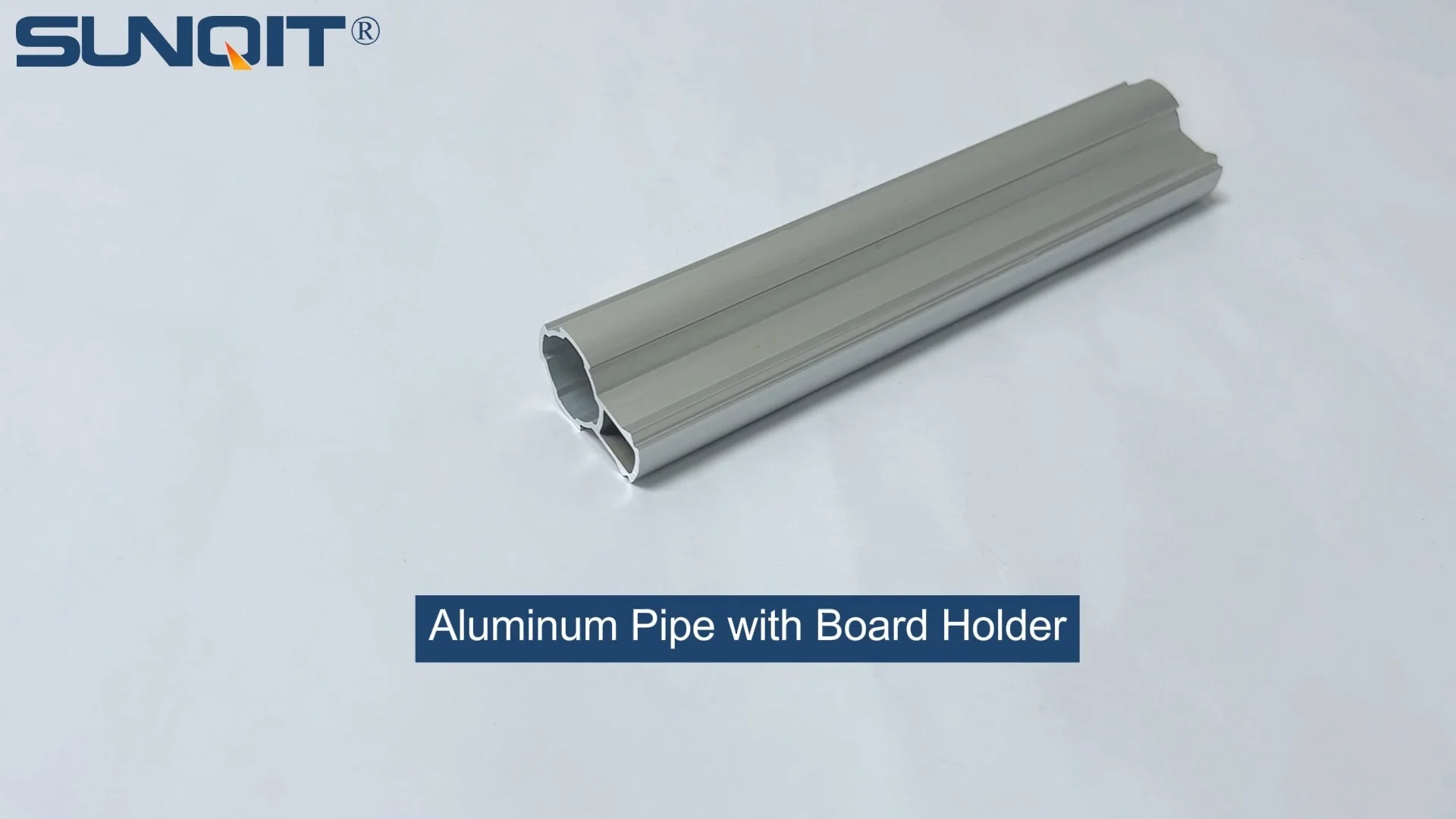
Aluminum Pipe with Board Holder
The linear rolling assembly can be arbitrarily connected in the protruding part of the card slot to increase the rigidity of the track.
Let's start with a familiar scene: It's Monday morning at a mid-sized electronics assembly plant. Maria, the production floor manager, is walking through the workshop, clipboard in hand. She pauses at Station 4, where two assemblers are fumbling to reach a box of capacitors stacked on a wobbly wooden shelf. To their left, a loose cable dangles from a rusted steel workbench, and a half-finished circuit board teeters on the edge. "We need to fix this," Maria mutters. "These disorganized setups are killing our efficiency—and morale." Sound familiar? If you've ever managed a workspace, whether it's a factory floor, a lab, or a warehouse, you know the struggle: generic furniture that doesn't fit your team's needs, tools scattered across surfaces, and workflows that feel more like obstacle courses than streamlined processes. The good news? There's a solution that's been quietly transforming workspaces like Maria's for years: the aluminum pipe with board holder system. In this guide, we'll dive into how this versatile, customizable setup can turn chaos into order, boost productivity, and make your workspace work for your team—not against them.
What Is an Aluminum Pipe with Board Holder System?
At its core, an aluminum pipe with board holder system is exactly what it sounds like: a framework built from lightweight, durable aluminum pipes, paired with specialized holders that attach shelves, panels, toolboards, or work surfaces (the "boards") to the frame. But to call it just a "framework" is underselling it. Think of it as a modular building kit for your workspace—one that lets you design, build, and rebuild exactly what you need, when you need it. Let's break it down:
The Aluminum Pipe: The backbone of the system. Aluminum is chosen for its winning combo of strength and lightness—strong enough to support heavy tools or materials, but light enough to move around if needed. Unlike steel, it won't rust, making it ideal for humid environments or cleanrooms. And because it's extruded (shaped by forcing molten metal through a die), aluminum pipes come in consistent, precise profiles—often with T-slots or grooves that make attaching accessories a breeze.
The Board Holders: These are the connectors that bridge the pipes and the "boards." They might be simple clamps that grip a wooden shelf, brackets that secure a metal tool panel, or sliding mounts that let you adjust the height of a work surface. The beauty? They're designed to work seamlessly with the aluminum pipe's profile, so you don't need to drill holes or weld anything. Just slide, clamp, or twist into place.
The Accessories: This is where the magic happens. "Aluminum pipe accessories" include everything from joints and connectors (to angle pipes at 45°, 90°, or 135°) to casters (for mobility), hooks (for hanging tools), and even LED light mounts. These small parts turn a basic frame into a fully functional workstation, material rack, or assembly line.
Together, these components create a system that's as flexible as it is robust. Need a workbench that's 6 feet long with a shelf halfway up and a pegboard on the side? Done. Want a mobile cart to transport parts between stations, with a fold-down writing surface? No problem. The aluminum pipe with board holder system adapts to your needs—not the other way around.
Why Aluminum? Why Board Holders? The Benefits That Matter
You might be thinking: "We've used steel shelves for years—why switch to aluminum?" Or "Can't we just build something with wood?" The short answer: aluminum and board holders solve problems that traditional materials and fixed furniture can't. Let's unpack the key benefits:
Durability Without the Bulk
Aluminum is surprisingly tough. A 1.5mm-thick aluminum pipe can support up to 50kg per linear meter, depending on the design—more than enough for most workshop tools, parts bins, or even small machinery. And unlike steel, it doesn't corrode. Maria's electronics plant, for example, uses alcohol-based cleaners to sanitize work surfaces; with steel, that would mean constant rust checks. With aluminum? Wipe it down, and it's good as new. Plus, aluminum is lightweight—about a third the weight of steel—so even a large workstation can be moved by two people without a forklift.
Flexibility to Grow and Change
The average manufacturing or lab environment doesn't stay the same for long. New projects start, team sizes grow, or workflows get redesigned. Fixed furniture—like a welded steel workbench—becomes a liability when you need to reconfigure. With aluminum pipes and board holders? Disassemble, rearrange, and rebuild in hours. A few years back, Maria's team shifted from assembling smartphones to larger tablets; suddenly, their workbenches needed more surface area. Instead of buying new benches, they added two extra aluminum pipes to each frame and attached longer board holders. Total cost? A fraction of new furniture. Total time? An afternoon.
Streamlined Workflows (Hello, Lean System!)
At its heart, the aluminum pipe with board holder system is a tool for "lean system" principles—reducing waste, improving flow, and maximizing value. By customizing where tools, materials, and work surfaces are placed, you cut down on unnecessary movement. For example, a welder who used to walk 10 steps to grab a wrench can now have that wrench hanging from a hook attached to their aluminum pipe workstation, right at eye level. A study by the Lean Enterprise Institute found that such small adjustments can reduce "motion waste" by up to 30%—which adds up to hours of saved time each week.
Cost-Effective in the Long Run
Yes, aluminum pipes might cost more upfront than wood or basic steel. But consider the lifespan: wood warps, steel rusts, and plastic cracks. Aluminum? It lasts decades. And because it's modular, you rarely need to replace the entire system—just swap out a damaged pipe or a worn board holder. Maria's plant has had the same core aluminum frames for five years; they've only replaced a few casters and added new board holders for larger projects. Compare that to wooden shelves, which need replacing every 2–3 years, and the savings become clear.

Customization 101: Designing Your Perfect Setup
The real power of aluminum pipe with board holders lies in customization. No two workspaces are identical, and your system shouldn't be either. Let's walk through the key choices you'll make, with examples to spark ideas.
Step 1: Choose Your Pipe Profile
Aluminum pipes come in different sizes and shapes, but the most common are round or square (called "aluminum profile" or "aluminum extrusion profile"). Round pipes are great for simple frames or mobile carts, while square or rectangular profiles (with T-slots) are better for attaching accessories—since the slots let you slide in bolts, brackets, or board holders without drilling. For most workbenches or material racks, a 20x20mm or 30x30mm square aluminum profile works best; it's sturdy, and the T-slots accept standard accessories.
Step 2: Pick Your Board Holder Style
Board holders are where function meets form. Here are the most popular types, and when to use them:
- Fixed Clamp Holders: Simple, sturdy, and affordable. These clamp tightly to the pipe and hold the board in place with screws or bolts. Best for heavy boards (like thick plywood) or when you don't need to adjust the height often.
- Sliding T-Slot Holders: These slide along the T-slots of square aluminum profiles, letting you adjust the board's height in seconds. Perfect for workbenches where team members of different heights need to use the same station, or for material racks where you need to fit taller items.
- Swivel Holders: Let the board tilt or rotate—great for toolboards that need to be angled for visibility, or for writing surfaces that fold down when not in use.
- Magnetic Holders: For metal boards (like steel tool panels), magnetic holders make setup a snap—no clamping required. Ideal for quick changes, like swapping out a toolboard for a whiteboard during a team huddle.
Step 3: Add the Extras (Aluminum Pipe Accessories That Make a Difference)
This is where you turn a frame into a workspace . Here are the accessories Maria's team found most useful:
Step 4: Choose Your Board Material
The "board" part of the system can be almost anything: plywood (affordable and easy to cut), steel (for heavy-duty use), laminate (water-resistant and easy to clean), or even aluminum honeycomb panels (ultra-light but strong). For Maria's electronics assembly line, they chose anti-static laminate boards to protect sensitive components—paired with aluminum pipe frames to keep the entire setup grounded. In a woodworking shop, you might opt for hardwood plywood to withstand sawdust and glue. The board holders don't care what material you use, as long as it fits the holder's clamp or bracket.

From Idea to Installation: Real-World Applications
Enough theory—let's look at how this system works in practice. Here are three scenarios where aluminum pipe with board holders transformed workflows:
Case 1: The Assembly Line Workbench (Production Assemble Redefined)
A car parts manufacturer was struggling with their old assembly line: fixed steel workbenches that were too low for tall workers, no storage for tools, and parts bins stacked haphazardly on the floor. They switched to a custom system built with 30x30mm aluminum profiles, sliding T-slot board holders, and anti-fatigue matting on the work surface. Here's the breakdown:
- Height-Adjustable Boards: Using sliding holders, each station can be raised or lowered by 15cm—so a 6'5" assembler and a 5'3" assembler can work comfortably side by side.
- Under-Shelf Bins: Board holders mounted to the bottom of the work surface hold plastic bins for screws, washers, and small parts—within arm's reach, not on the floor.
- Tool Pegboards: Swivel holders attach pegboards to the back of the frame, angled 10° toward the user for easy access to wrenches and sockets.
Result? Assembly time per unit dropped by 12%, and worker complaints about back pain decreased by 40%. All from a reconfigured workspace.
Case 2: The Lab Workstation (ESD Workbench Meets Customization)
A medical device lab needed workstations that could handle sensitive equipment, store samples, and comply with strict cleanroom standards. They chose aluminum pipes with ESD (electrostatic discharge) board holders and stainless steel work surfaces. Key features:
- ESD-Safe Construction: Aluminum pipes grounded to the lab's electrical system, paired with ESD laminate boards to prevent static damage to microchips.
- Modular Shelving: Fixed clamp holders support glass shelves (for visibility) at 12-inch intervals, holding sample vials and testing kits.
- Mobile Carts: Smaller frames with locking casters, used to transport equipment between benches—no more carrying heavy microscopes by hand.
The lab manager reported that setup time for new experiments dropped by 30%, since they could reconfigure the workstation layout in minutes instead of days.
Case 3: The Warehouse Material Rack (Flow Rack Meets Aluminum)
A e-commerce fulfillment center needed a way to organize small parts (screws, batteries, cables) so pickers could grab items quickly. They replaced static steel racks with aluminum pipe frames, sliding board holders, and roller tracks (another "aluminum pipe accessory") for easy part retrieval. The system included:
- Tiered Shelves: Board holders angled slightly downward, with roller tracks on each shelf—parts bins slide forward as the front bin is removed, so pickers never have to reach to the back.
- Color-Coded Sections: Different colored boards (red for batteries, blue for cables) to reduce picking errors.
- Adjustable Depth: Sliding holders let them shorten or lengthen shelves based on bin size—no more wasted space.
Result? Picking accuracy improved by 95%, and the warehouse could store 20% more parts in the same floor space.
How to Design Your Own System: A Step-by-Step Guide
Ready to build your own aluminum pipe with board holder setup? It's easier than you think. Follow these steps to avoid common mistakes and ensure your system works for your space.
Step 1: Map Your Workflow (and Pain Points)
Before you buy a single pipe, grab a sketchpad (or use a digital tool like SketchUp) and map your current workflow. Where do bottlenecks happen? Are tools stored too far from the workbench? Do materials pile up because there's no shelf space? Maria's team, for example, noticed that assemblers were spending 15 minutes per shift walking to the toolroom to grab specialty screwdrivers. That became their first priority: adding a toolboard to each workstation.
Pro tip: Involve your team! The people using the workspace every day will have the best insights. Ask: "What's one thing that would make your job easier?" Their answers will guide your design.
Step 2: Calculate Load Capacity
Aluminum pipes are strong, but they're not indestructible. A shelf that needs to hold 100kg of tools will require thicker pipes (2.0mm wall thickness) and more support joints than a shelf for lightweight office supplies. Most aluminum pipe suppliers provide load capacity charts—use them! As a rule of thumb: 1.2mm pipes work for light loads (up to 20kg per shelf), 1.5mm for medium loads (20–50kg), and 2.0mm for heavy loads (50kg+).
Step 3: Choose Your Pipe and Accessory Supplier
Not all aluminum pipe suppliers are created equal. Look for one that offers a full range of accessories (joints, holders, casters) to avoid mismatched parts. Ask if they provide cut-to-length services—many will cut pipes to your exact measurements, saving you time and tools. And check reviews: A supplier with fast shipping and responsive customer service can make a big difference if you need help troubleshooting.
Step 4: Build, Test, and Tweak
The best part of modular systems? You don't have to get it perfect on the first try. Start with a small prototype—a single workbench or shelf—and test it for a week. Notice what works and what doesn't. Maybe the board holders are too loose, or the casters don't roll smoothly on your floor. Adjust, replace parts if needed, and then scale up. Maria's team built one test workstation first, realized the tool hooks were too small for their largest wrenches, and swapped them out before building the other 10 stations. Problem solved, no wasted money.
Maintenance: Keeping Your System in Top Shape
Aluminum pipe systems are low-maintenance, but a little care goes a long way. Here's how to keep them working like new:
- Clean Regularly: Wipe down pipes and boards with a damp cloth to remove dust, oil, or chemicals. For sticky residues, use mild soap and water—avoid abrasive cleaners that scratch the aluminum.
- Check Joints Monthly: Tighten any loose joints with a hex key (most come with a tool). Over time, vibration from heavy use can loosen connections, so a quick once-over prevents wobbles.
- Lubricate Moving Parts: Casters and sliding board holders benefit from a drop of silicone lubricant every 3–6 months to keep them rolling smoothly.
- replace Worn Parts: If a board holder cracks or a caster wheel wears down, replace it immediately. Most suppliers sell replacement parts individually, so you don't need to rebuild the entire frame.
Final Thoughts: Your Workspace, Reimagined
Back to Maria and her electronics plant. Six months after installing aluminum pipe with board holder workstations, she walked through Station 4 again. The wobbly wooden shelf was gone, replaced by a sleek aluminum frame with a sliding toolboard and labeled bins. The assemblers were focused, not fumbling. And that loose cable? Tucked neatly into a wire management tray under the workbench. "I didn't realize how much time we were wasting until we fixed it," she said. "Now, the team talks about how 'easy' their jobs feel—and that's a game-changer."
The aluminum pipe with board holder system isn't just about furniture. It's about giving you control over your workspace—turning chaos into order, inefficiency into productivity, and frustration into pride. Whether you're running a factory, a lab, a warehouse, or a small workshop, this system adapts to your needs. It's lean, it's flexible, and it's built to grow with you.
So, what will you build first? A workbench that finally fits your team? A mobile cart to streamline material transport? Whatever it is, remember: the best workspace isn't one-size-fits-all. It's one that you design—one aluminum pipe, one board holder, one better workflow at a time.