- Company Articles
- Products and Technology
- Solution
- Aluminum Pipe with Board Holder: Ergonomic Workplace Design

Aluminum Pipe with Board Holder: Ergonomic Workplace Design
Related Product
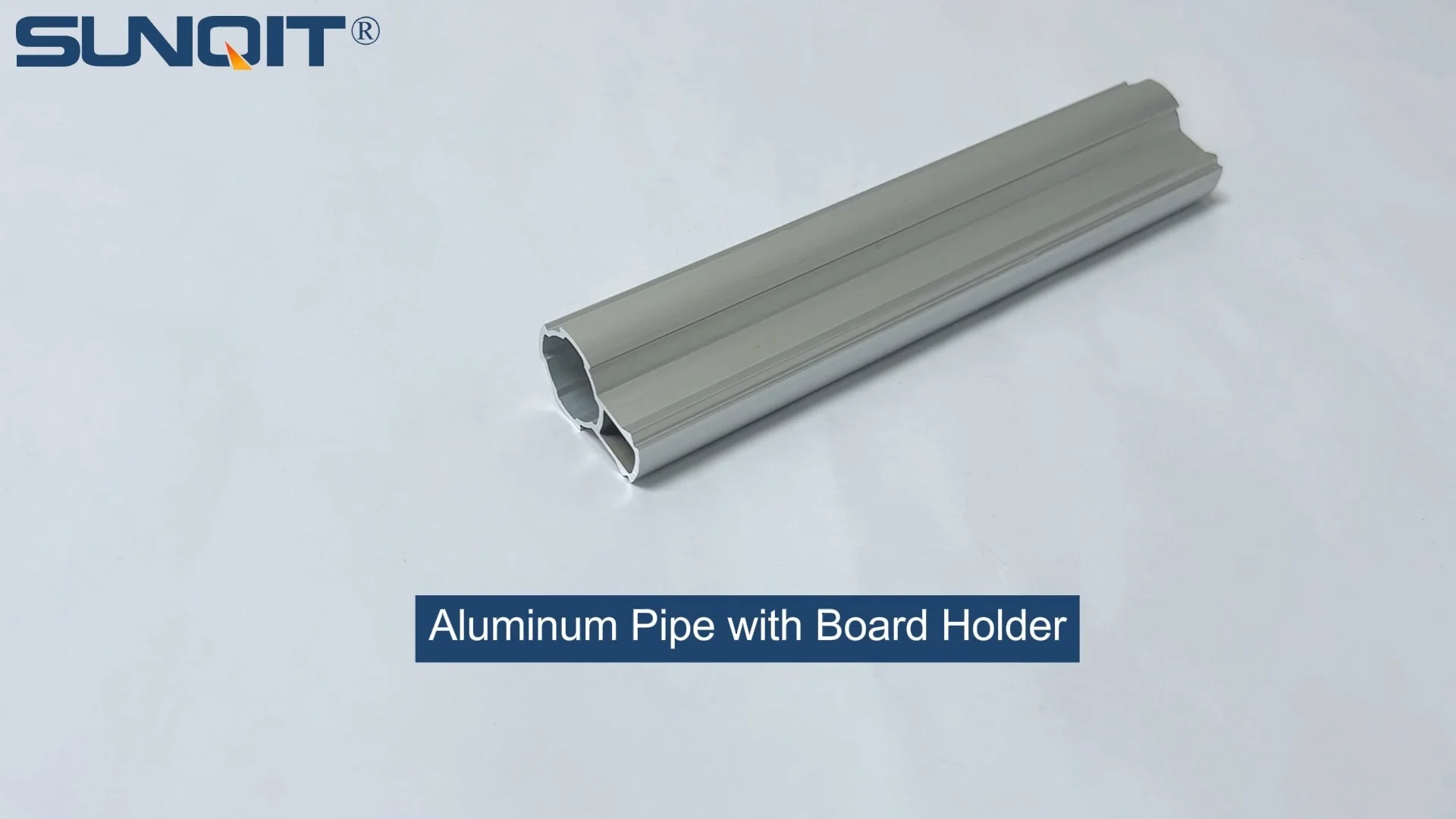
Aluminum Pipe with Board Holder
The linear rolling assembly can be arbitrarily connected in the protruding part of the card slot to increase the rigidity of the track.
Let's start with a familiar scene: It's 2 PM on a Tuesday, and you're midway through your shift at the assembly line. Your back aches from leaning over a cluttered workbench, your shoulders are tight from stretching to grab tools stashed on a shelf just out of reach, and your wrists feel strained from typing on a keyboard that's too low. Sound familiar? For millions of workers worldwide, this isn't just a bad day—it's a daily reality. But what if there was a way to transform that frustrating, exhausting workspace into one that feels like an extension of your own body, supporting you instead of fighting against you? Enter the aluminum pipe with board holder —a quiet revolution in ergonomic workplace design that's changing how we think about productivity, comfort, and long-term well-being.
Why Ergonomics Matters More Than You Think
Ergonomics often gets tossed around as a buzzword, but let's break it down: It's the science of designing work environments to fit the people who use them, not the other way around. And here's the thing—poor ergonomics doesn't just make you uncomfortable. It costs businesses billions each year in lost productivity, worker's compensation claims, and high turnover. According to the Bureau of Labor Statistics, musculoskeletal disorders (MSDs) like carpal tunnel syndrome and lower back pain account for nearly 30% of all workplace injuries. These aren't just numbers on a spreadsheet; they're real people missing work, struggling with chronic pain, or feeling burnt out long before the workday ends.
So why hasn't every workplace fixed this? For years, the barrier was cost and inflexibility. Traditional workstations—heavy wooden benches, rigid metal frames, one-size-fits-all designs—were expensive to customize and even harder to adjust as needs changed. A factory might invest in a set of workbenches, only to realize six months later that a new product line requires a different layout. By then, replacing or modifying those stations would mean more time and money down the drain. But what if your workspace could adapt as quickly as your to-do list? That's where aluminum pipe with board holder comes in.
Aluminum Pipe with Board Holder: The Basics
At first glance, you might think, "It's just a pipe and a board—how revolutionary can that be?" But let's dig deeper. The magic lies in its simplicity and flexibility. Imagine a frame built from lightweight yet sturdy aluminum pipe , connected by sleek, easy-to-adjust joints. On top of that frame sits a "board holder"—a flat, durable surface (think laminate, wood, or even anti-static materials for sensitive work) that holds tools, materials, or equipment. But here's the kicker: Nothing is permanent. Need to raise the board by 6 inches to reduce shoulder strain? Loosen a few joints, adjust the pipes, and tighten them back up. Want to add a side shelf for extra storage? Snap on a few more pipes and a board holder extension. It's like building with oversized Tinkertoys, but for grown-ups who need their workspace to keep up with them.
What makes aluminum the star of the show? Unlike steel, it's lightweight—so you won't need a team of people to rearrange your workstation. But don't let its lightness fool you: Aluminum is surprisingly strong, capable of supporting heavy tools, machinery, or stacks of materials without bending or warping. It's also resistant to rust and corrosion, which means it holds up in dusty warehouses, humid labs, or even outdoor workshops. And because it's a metal, it pairs perfectly with aluminum profile accessories—think tool hooks, cup holders, or cable organizers—that slide into pre-built slots on the pipes, no drilling required. This isn't just furniture; it's a modular system designed to grow, change, and adapt with your needs.

The Building Blocks: Aluminum Pipe, Profile, and Accessories
To really appreciate how aluminum pipe with board holder works, let's zoom in on its key components. At the core is the aluminum pipe itself—typically hollow, with a smooth finish and standardized diameters (common sizes range from 20mm to 40mm) that make mixing and matching accessories a breeze. These pipes aren't just plain tubes, though; many come with aluminum profile features, like T-slots or grooves running along their length. These slots are game-changers because they let you attach accessories without drilling holes or using adhesives. Need a place to hang your tape measure? Slide a hook into the T-slot and tighten a screw. Want to add a monitor arm? Clip it on and adjust as needed. It's customization without the commitment.
Then there are the aluminum pipe accessories —the unsung heroes that turn a simple frame into a fully functional workstation. Joints, for example, are available in every angle imaginable: 90-degree elbows for corners, 45-degree bends for sloped surfaces, and even rotating joints that let you swivel the board holder up or down. Casters (wheels) can be added to the base, turning a stationary workbench into a mobile cart that follows you around the shop. End caps snap onto pipe ends to prevent snags, and leveling feet ensure your workstation stays stable even on uneven floors. The best part? These accessories are universal, so you can mix and match brands or repurpose parts from old setups—no need to start from scratch when you want to upgrade.
And let's not forget the board holder itself. This is where the "ergonomic" in "ergonomic design" really shines. Unlike rigid wooden tops, board holders made for aluminum pipe systems are often adjustable in height, tilt, and even depth. For example, a assembly line worker might tilt the board 15 degrees to reduce wrist strain while screwing parts together. A lab technician could lower it to knee height for standing work, then raise it back up when they need to sit. Some board holders even come with built-in dividers or compartments, so small parts like screws or washers stay organized and within arm's reach—no more fumbling through drawers or bending to pick up dropped items.

Lean Systems and Aluminum Pipe: A Match Made in Productivity Heaven
If you've spent any time in manufacturing or operations, you've probably heard of "lean systems"—the philosophy of eliminating waste (time, materials, motion) to make processes as efficient as possible. Aluminum pipe with board holder isn't just ergonomic; it's a lean dream come true. Let's break down why:
First, lean system principles emphasize "just-in-time" organization—having the right tools and materials in the right place at the right time. With a customizable board holder, you can arrange your workspace to mirror your workflow. For example, if you assemble products in three steps, you can divide the board into three zones: tools on the left, materials in the middle, and finished parts on the right. No more walking to a separate shelf for supplies or searching through a jumbled toolbox—everything you need is right in front of you. This cuts down on "motion waste," one of the biggest hidden drains on productivity.
Second, lean systems hate downtime. Traditional workstations often require professional installers or specialized tools to modify, which means when your process changes, your workspace can't keep up. With aluminum pipe, though, reconfiguring takes minutes, not days. Suppose your team switches from assembling small electronics to larger machinery. Instead of buying a new workbench, you can extend the aluminum frame, swap out the board holder for a larger one, and add extra support pipes—all during a lunch break. This flexibility means you're never stuck with a workstation that's "almost right" for the job.
Third, lean is about continuous improvement. Aluminum pipe systems let you test, tweak, and refine your workspace without big investments. Maybe you notice workers are still stretching for tools on the far end of the board holder—so you add a small extension. Or perhaps the board is too low for taller team members—so you raise the frame by 4 inches. These small adjustments add up to big gains in efficiency and morale, and because they're so easy to make, you can keep improving over time.
From Workbenches to Warehouses: Real-World Applications
Aluminum pipe with board holder isn't a one-trick pony. Its versatility means it works in almost any setting, from busy factories to quiet home workshops. Let's take a look at some of the most common (and creative) ways it's being used:
The Ergonomic Workbench
The classic application—and for good reason. A standard workbench with an aluminum pipe frame and adjustable board holder solves so many everyday problems. For example, in a auto repair shop, mechanics often need to work at different heights: lower for undercarriage tasks, higher for engine work. With a traditional wooden bench, they'd have to hunch or stand on tiptoes. With an aluminum pipe bench, they can adjust the board holder in seconds, saving their backs and knees. In a tech lab, where static electricity is a risk, the board holder can be made from anti-static materials, while the aluminum frame grounds the setup, protecting sensitive electronics. Even in offices, these workbenches double as standing desks—adjust the height to sit or stand, add a keyboard tray, and suddenly your 9-to-5 feels a lot less like a marathon.
Mobile Material Carts
Add casters to the base of an aluminum pipe frame, and you've got a mobile material cart that follows you around the shop. Imagine working on a large project—say, building a piece of furniture—and needing to haul tools, lumber, and hardware from one end of the workshop to the other. Instead of making multiple trips or straining to carry heavy loads, you load everything onto the cart, wheel it to your workspace, and adjust the board holder to the perfect height. In warehouses, these carts are lifesavers for order pickers: They can organize items by zone on the board holder, reduce bending and reaching, and move quickly between aisles. And because the carts are lightweight, even smaller team members can maneuver them with ease.
Assembly Line Stations
In manufacturing, assembly lines thrive on consistency—but that doesn't mean workstations have to be identical. Aluminum pipe with board holder lets each worker customize their station to their body type and task. For example, a taller worker might raise their board holder by 8 inches, while a shorter colleague lowers theirs by 4 inches. Tools can be mounted on the aluminum profile slots at eye level, reducing neck strain, and materials can slide down gentle slopes (built with angled pipes) right into the worker's hand. This level of personalization doesn't just boost comfort—it cuts down on errors, too. When everything is where it should be, workers are less likely to mix up parts or miss steps in the process.
Traditional vs. Aluminum Pipe Workstations: A Side-by-Side Comparison
| Feature | Traditional Workstations (Wood/Steel) | Aluminum Pipe with Board Holder |
|---|---|---|
| Customization | Limited—requires cutting, drilling, or permanent modifications. | Unlimited—adjust height, tilt, and layout in minutes with modular accessories. |
| Durability | Wood warps; steel rusts; hard to repair if damaged. | Aluminum resists rust/corrosion; parts are replaceable individually. |
| Ergonomic Adjustability | Fixed height/angle; one-size-fits-all design. | Adjustable board holder height, tilt, and depth to fit any worker. |
| Portability | Heavy and bulky; often requires multiple people to move. | Lightweight; add casters for easy mobility (even one person can move it). |
| Cost Over Time | High—need to replace entire workstation if needs change. | Low—reuse/repurpose parts; only replace what's needed. |
The Human Impact: More Than Just Numbers
At the end of the day, workplace design is about people. Let's meet Maria, a 38-year-old assembly line worker at a small electronics factory. Before her company switched to aluminum pipe workstations with board holders, her day was filled with small, cumulative frustrations: The workbench was too low, so her back ached by noon. Her tools were scattered across a shelf above her head, so she strained her shoulders reaching for them. And when the factory introduced a new, larger circuit board, the old workstation couldn't fit it—so she had to balance the board on her lap, leading to wrist pain and occasional errors.
Six months after the switch, Maria's story is different. Her new workstation's board holder is adjustable, so she raises it to elbow height, keeping her back straight. Her tools hang from hooks on the aluminum profile, right at eye level. And when the new circuit boards arrived, her team simply added a pipe extension to the board holder, giving her extra space to work. "I used to go home exhausted, like I'd run a marathon," she says. "Now? I feel like I can actually enjoy my evening. My back doesn't ache, and I'm not making silly mistakes because I'm rushing to finish before the pain gets too bad." That's the real power of ergonomic design—it turns "just getting through the day" into "thriving at work."
Or take Raj, a warehouse manager who struggled with inefficient order picking. His team was spending too much time walking back and forth to retrieve tools and materials, and the static wooden shelves made it hard to rearrange items for faster access. After installing aluminum pipe material racks with adjustable board holders, Raj's team reorganized the warehouse in a weekend. They angled the board holders to let materials slide forward as items were picked, added labels to the aluminum profile slots, and even mounted small screens (attached via profile accessories) to display order lists. The result? Order picking time dropped by 30%, and team morale skyrocketed. "It's not just about speed," Raj says. "It's about respecting your team enough to give them tools that make their jobs easier. When they see that, they care more, work harder, and stay longer."
Why Invest in Aluminum Pipe with Board Holder?
If you're still on the fence, let's boil it down to three simple reasons:
1. It's an Investment in Your Team
Happy, healthy workers are productive workers. By reducing injuries, fatigue, and frustration, aluminum pipe with board holder doesn't just improve morale—it boosts your bottom line. Lower absenteeism, fewer workers' comp claims, and higher retention all add up to savings that far outweigh the initial cost of the system.
2. It Grows with Your Business
Businesses change—new products, new processes, new team members. Traditional workstations get left behind, but aluminum pipe systems evolve with you. Add a pipe here, swap out a board holder there, and suddenly you're ready for whatever comes next. This flexibility means you'll never again have to scrap a perfectly good workstation because it "no longer fits."
3. It's Surprisingly Affordable
You might assume a modular, customizable system would cost more than a basic wooden bench, but that's not the case. Aluminum pipe and accessories are mass-produced, so they're affordable to buy. And because you can reuse parts and avoid replacing entire workstations, the long-term cost is actually lower. Think of it as buying a wardrobe with mix-and-match pieces instead of a single, expensive outfit that goes out of style next year.
Wrapping Up: Workspaces That Work for You
At the end of the day, aluminum pipe with board holder isn't just about pipes and boards. It's about reimagining work as a place that supports us, not drains us. It's about recognizing that productivity and comfort don't have to be enemies—that in fact, they're partners. When your workspace fits your body, your tools are where you need them, and you can adjust on the fly, work stops feeling like a chore and starts feeling like a collaboration between you and your environment.
So whether you're running a factory, a workshop, or just a home office, consider this: What would change if your workspace worked with you? If you could adjust, rearrange, and customize it to fit your day, not the other way around? With aluminum pipe with board holder, that future isn't some distant dream—it's a toolkit waiting to be assembled. And the best part? It's not just for "big businesses" or "tech startups." It's for anyone who wants to work smarter, feel better, and get more done—without sacrificing their health or happiness.
Here's to workspaces that adapt, support, and inspire. Your back, your team, and your bottom line will thank you.