- Company Articles
- Products and Technology
- Application Cases
- Aluminum Pipe with Board Holder for 3C Assembly Lines: Applications

Aluminum Pipe with Board Holder for 3C Assembly Lines: Applications
Related Product
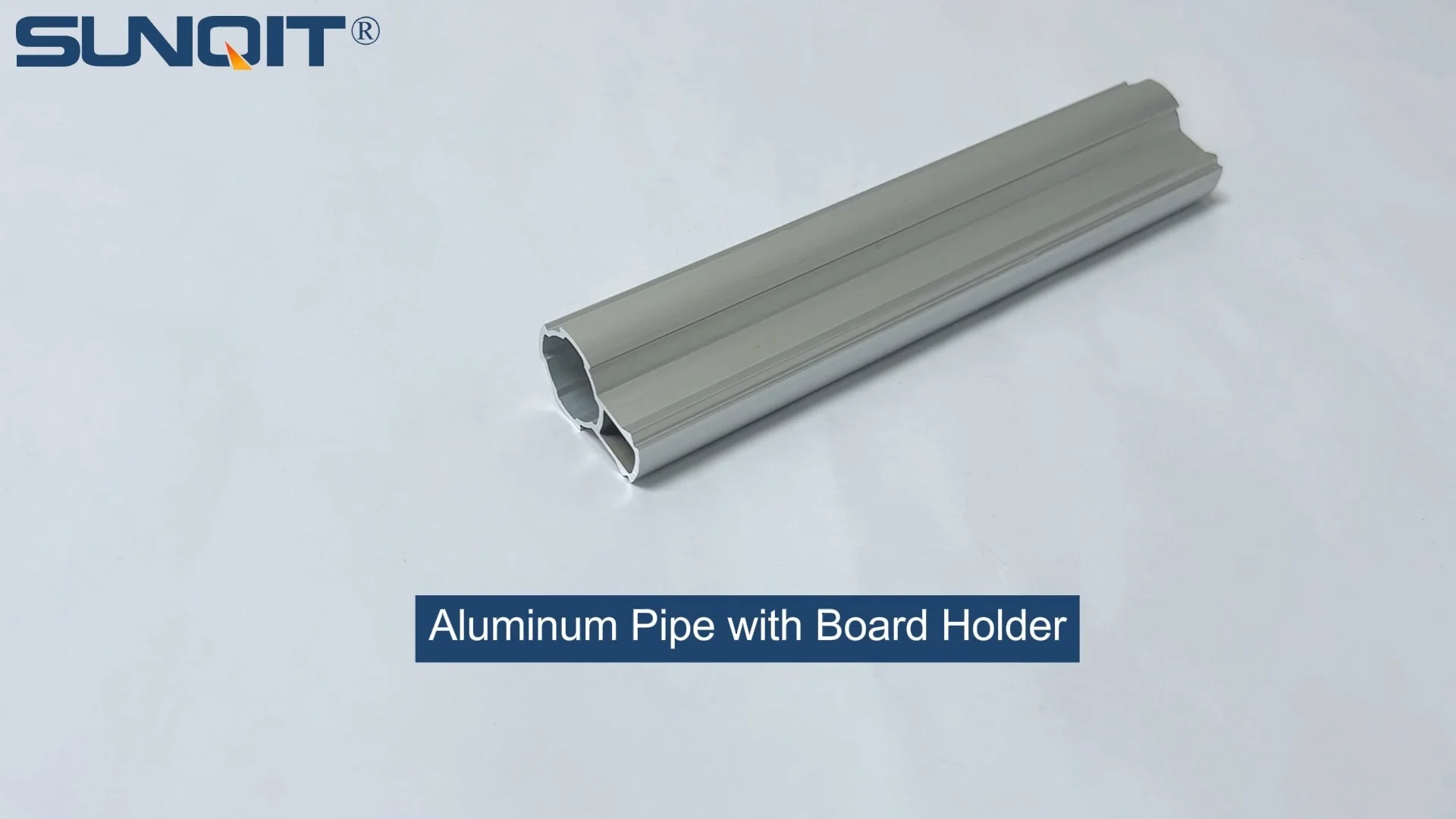
Aluminum Pipe with Board Holder
The linear rolling assembly can be arbitrarily connected in the protruding part of the card slot to increase the rigidity of the track.
In the fast-paced world of 3C manufacturing—where smartphones, laptops, and tablets evolve by the month—efficiency isn't just a buzzword; it's the difference between meeting a product launch deadline and falling behind. Assembly lines here face unique challenges: tight workspaces crammed with delicate components, frequent reconfigurations to adapt to new models, and the constant pressure to reduce errors while keeping workers comfortable. Over the years, manufacturers have tested countless solutions, but few have stuck like the humble yet versatile aluminum lean pipe with board holder. More than just a tool, it's a quiet workhorse that transforms chaotic lines into streamlined, adaptable ecosystems. Let's dive into how this unassuming system is reshaping 3C assembly floors, one joint and bracket at a time.
What Is Aluminum Pipe with Board Holder, Anyway?
At its core, an aluminum pipe with board holder is a modular system built from lightweight aluminum lean pipe, a range of aluminum pipe accessories (think joints, brackets, and clamps), and a sturdy board holder designed to keep tools, instructions, or small parts within arm's reach. Unlike traditional steel pipes or wooden workbenches, aluminum lean pipe strikes a rare balance: it's strong enough to support heavy components yet light enough for a single worker to reposition. The board holder, often made of durable plastic or metal, attaches seamlessly to the pipe structure, creating a customized workstation that grows with your needs.
What really sets it apart, though, is its simplicity. No welding, no complex tools—just slide a joint onto the pipe, tighten a screw, and you're ready to add a shelf, a board holder, or even a wheel. This modularity is a game-changer for 3C lines, where a single product update can require shifting workbench heights, adding extra storage, or reconfiguring material flow overnight. And because aluminum resists corrosion and dents, it holds up to the daily wear of assembly work, from accidental scrapes with tools to spills of cleaning solvents.
Why It Works: Key Features for 3C Assembly Lines
Before we jump into applications, let's break down the features that make aluminum pipe with board holder a staple in 3C factories. These aren't just specs on a datasheet—they're solutions to real, on-the-ground problems.
Modularity That Keeps Up with Change
3C products don't stand still, and neither should assembly lines. Last month's smartphone might have required a 12-inch workbench depth; this month's foldable model could need 18 inches to accommodate larger screens. With aluminum pipe accessories like swivel joints and quick-release clamps, workers can disassemble a section of the line, add a few extra pipes, and reattach the board holder in under 30 minutes. No waiting for maintenance crews, no downtime stretching into hours—just a quick tweak to keep production rolling.
Ergonomics That Protect Workers (and Productivity)
Ask any 3C assembly worker what slows them down, and you'll likely hear the same complaints: "I have to bend over to grab screws," or "The instruction manual is always sliding off the table." Aluminum pipe with board holder solves this by putting control in the worker's hands. Need the board holder at eye level to read a wiring diagram? Adjust the pipe height. Prefer your torque wrench within arm's reach instead of on a distant shelf? Reposition the holder. Over time, these small adjustments add up: less strain on backs and shoulders, fewer mistakes from squinting at misplaced instructions, and a team that feels valued—all of which boost productivity more than any fancy machine ever could.
Durability That Survives the Factory Floor
3C assembly lines are messy places. There's the constant hum of machinery, occasional drops of lubricant, and the inevitable bump from a material trolley. Aluminum profile, the backbone of these systems, laughs off most of this. Unlike steel, it won't rust when exposed to moisture. Unlike wood, it won't warp if a spill goes unmopped. Even the board holder, often made of high-impact plastic, resists cracks from dropped tools. This durability means fewer replacements, lower long-term costs, and a system that looks as good in year five as it did on day one.
| Feature | Traditional Workstations (Steel/Wood) | Aluminum Pipe with Board Holder |
|---|---|---|
| Reconfiguration Time | 4+ hours (requires tools/welding) | 30–60 minutes (hand tools only) |
| Worker Adjustability | Fixed height/position | Fully adjustable (height, angle, depth) |
| Durability | Prone to rust/warping | Corrosion-resistant, dent-resistant |
| Weight | Heavy (requires 2+ workers to move) | Lightweight (single-worker setup) |

Applications: Where It Shines on the 3C Floor
Now, let's get specific. How exactly do manufacturers use aluminum pipe with board holder in their day-to-day operations? From the moment components arrive on the floor to the final quality check, this system weaves itself into nearly every step of the process.
1. Assembly Workstations: The Heart of the Line
Walk into any 3C assembly area, and you'll spot these workstations first. They're the command centers where workers attach screens, solder circuits, or test buttons. A typical setup starts with a basic aluminum frame—built from aluminum lean pipe and joints—supporting a flat workbench surface. Above it, a board holder juts out at a slight angle, holding a digital tablet (for step-by-step guides) and a small bin of screws sorted by size. To the side, another holder keeps precision tools like tweezers and anti-static brushes within easy reach. What makes this setup genius is its adaptability: if a worker prefers the board holder on the left instead of the right, or needs it tilted up for better visibility, a few twists of a joint are all it takes.
Take smartphone camera assembly, for example. The lens modules are tiny—about the size of a dime—and require steady hands. A workstation with an adjustable board holder ensures the worker doesn't have to crane their neck to read the alignment instructions. The holder can even be fitted with a magnifying strip, turning it into a mini inspection station. And when the next model comes in with a larger camera array? Swap out the holder for a wider one, add an extra shelf below for spare modules, and you're good to go.
2. Material Handling: From Storage to Station
Getting components from the warehouse to the assembly line without delays or damage is half the battle in 3C manufacturing. Here, aluminum pipe with board holder steps in as more than just a workstation—it becomes a mobile material rack. Trolleys built from aluminum lean pipe, fitted with casters and a board holder on the front, glide smoothly between storage areas and lines. The holder acts as a label: a printed sheet lists the part number, quantity, and destination workstation, so workers never grab the wrong batch. On the trolley itself, shelves made from aluminum profile keep components organized—no more digging through messy bins.
Consider a laptop battery line. Batteries are heavy but fragile; drop one, and it's ruined. A custom trolley with padded shelves and a board holder that displays "Fragile: Handle with Care" reduces accidents. When the trolley reaches the assembly station, the worker can even slide it right up to their workstation—the aluminum pipe frame is light enough to maneuver in tight spaces—and use the board holder to check off which batteries have been installed. It's a small change, but it cuts down on back-and-forth trips and keeps the line moving.
3. Quality Control: Catching Mistakes Before They Ship
In 3C, a single faulty component can lead to hundreds of returned products. That's why quality control (QC) stations are non-negotiable—and aluminum pipe with board holder makes them more effective. A typical QC setup includes a workbench with a built-in light, a magnifying glass, and a board holder loaded with checklists: "Screen scratches?," "Button responsiveness?," "Camera lens alignment?" The holder keeps the list visible at all times, reducing the chance of skipping a step. Below the workbench, shelves built from aluminum pipe accessories hold test equipment, like pressure gauges for button presses or lint-free cloths for cleaning screens.
One factory I visited had taken this a step further: they added a second, smaller board holder just for rejected items. When a device failed a check, the worker placed it in a bin on the holder, with a sticky note noting the issue. By the end of the shift, the QC team could glance at the holder and see exactly how many units had problems—and why. It turned a vague "we had some rejects today" into actionable data, helping engineers pinpoint issues faster.
4. Rapid Line Reconfiguration: Keeping Up with Launches
3C product cycles are brutal. A manufacturer might spend six months ramping up production for a new smartphone, only to shift to a mid-cycle refresh three months later. Traditional steel workstations would need to be torn down and rebuilt, costing time and money. With aluminum pipe with board holder, though, reconfiguration is almost fun. Workers become architects: they disassemble the old line, sort the pipes and joints into bins, and rebuild the new layout using a digital blueprint. The board holders are reused, too—simply moved to new positions or swapped for larger/smaller ones as needed.
I once watched a team reconfigure a tablet assembly line in under two hours. The old line had been set up for 10-inch screens; the new model was 12 inches, requiring wider workbenches. Using aluminum pipe accessories like T-joints and extension brackets, they extended each workstation by 6 inches, repositioned the board holders to accommodate the larger screens, and added extra storage for the bigger batteries. By lunchtime, the line was running again—no contractors, no power tools, just a crew with Allen wrenches and a plan.
Case Study: A Day in the Life of a 3C Worker
Meet Mei, who assembles camera modules for a leading smartphone brand. Her shift starts at 8 a.m., and the first thing she does is adjust her workstation. She loosens a joint on her aluminum pipe frame, raises the board holder by 2 inches (her back was a little sore yesterday), and tightens it back up. The holder now sits at eye level, displaying a digital checklist: "Step 1: Clean lens with alcohol wipe. Step 2: Align with sensor module…"
At 9:30 a.m., the material trolley arrives. It's built from aluminum lean pipe, with a board holder on the front that reads "Batch #782: 500 Front Camera Modules." Mei grabs a tray, slides it onto her workstation, and starts assembling. The holder keeps her tweezers and adhesive strips within reach, so she never has to pause to rummage through a toolbox. By 11 a.m., she's halfway done—and hasn't had to bend or stretch once.
After lunch, the line switches to a new module with a different connector. Mei and her team spend 20 minutes reconfiguring their workstations: they add a small shelf to the left of the board holder for the new connectors, swap out the holder's bin for a shallower one, and adjust the height of the magnifying strip. By 1:30 p.m., they're back to assembling, no time wasted.
At the end of her shift, Mei logs her output: 480 modules, zero defects. "The old steel workstation was like working at a rock," she says. "This one? It moves with me. I don't think about the tools anymore—I just get the job done."

Beyond the Line: Why Lean System Suppliers Love It
It's not just manufacturers who benefit—lean system suppliers and aluminum pipe suppliers are quick to sing the praises of aluminum pipe with board holder. For them, it's a product that sells itself because it solves so many problems at once. Suppliers can offer endless customizations: different pipe lengths, holder sizes, even colors (though most factories stick with neutral tones to avoid distractions). And because the components are standardized—aluminum pipe, joints, and holders all fit together across brands—suppliers don't have to stock dozens of unique parts. It's a win-win: manufacturers get a system tailored to their needs, and suppliers keep inventory simple.
Sustainability is another selling point. Aluminum is 100% recyclable, and since the system is modular, parts can be reused for years. A pipe that once held a board holder on a smartphone line might end up as part of a laptop battery trolley five years later. For factories aiming to reduce their carbon footprint, this is a huge plus—no more sending old steel workbenches to the scrapyard every time a line is updated.
The Bottom Line: More Than Pipes and Holders
At the end of the day, aluminum pipe with board holder isn't just about tools or efficiency. It's about people. It's about giving workers the flexibility to do their jobs better, reducing the little frustrations that add up to big delays, and creating lines that adapt as quickly as the products they build. In 3C manufacturing, where change is the only constant, that's invaluable.
So the next time you unbox a new phone or laptop, take a moment to appreciate the unseen heroes behind it. The aluminum lean pipe, the board holder, the worker who adjusted them both to make sure your device works perfectly. They might not get the spotlight, but they're the reason your new gadget arrived on time—and works like a charm.