- Company Articles
- Products and Technology
- Product knowledge
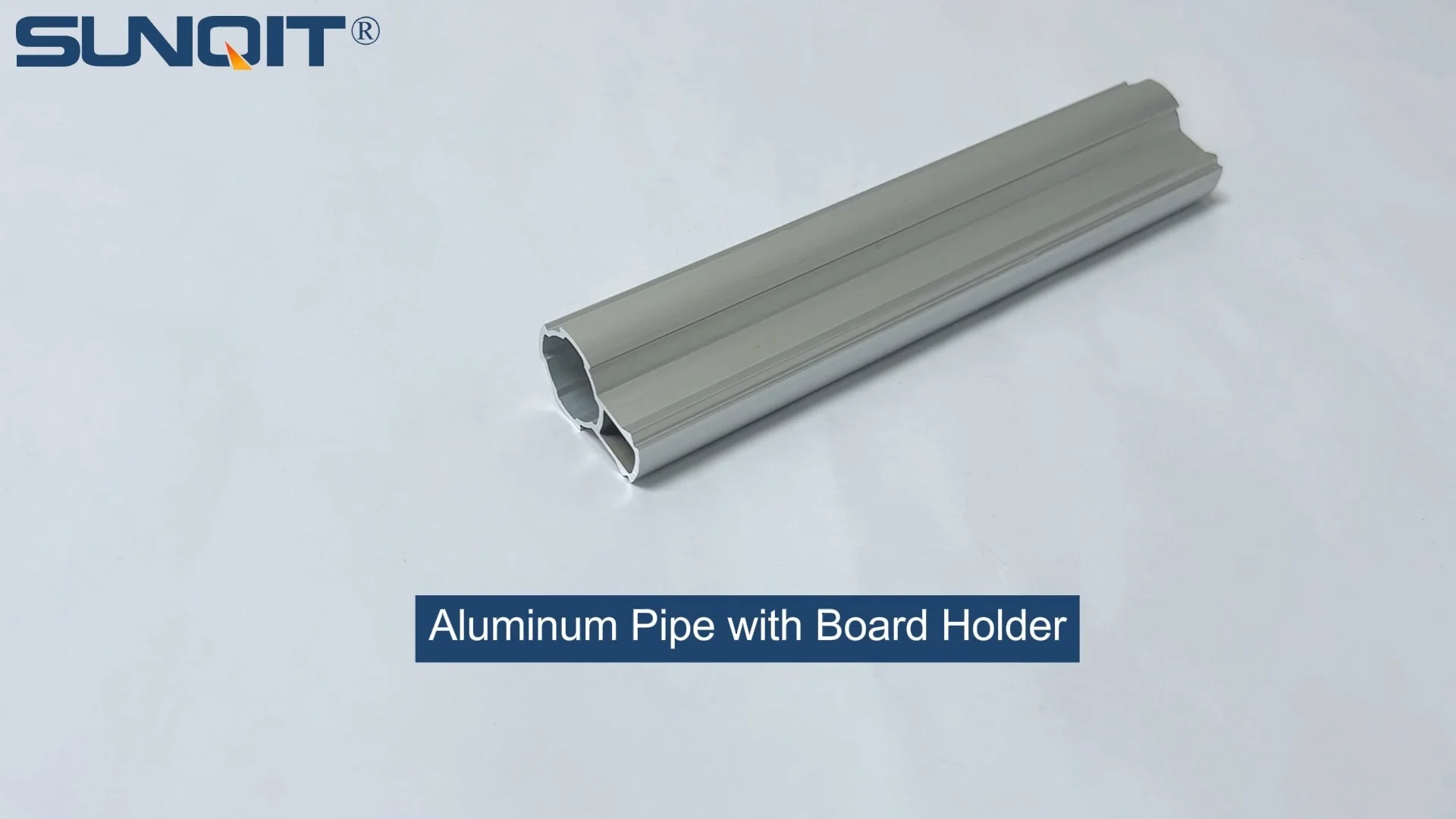
- Aluminum Pipe with Board Holder for Mobile Workstations

Aluminum Pipe with Board Holder for Mobile Workstations
Related Product
Aluminum Pipe with Board Holder
The linear rolling assembly can be arbitrarily connected in the protruding part of the card slot to increase the rigidity of the track.
It's 8:15 on a Tuesday morning, and Raj is already frustrated. As the production floor manager at a mid-sized electronics assembly plant, his day usually starts with a checklist—but today, the first item is already a problem. The team needs to reconfigure Line 3 to handle a rush order for smart thermostats, but the workbenches are bolted to the floor. By the time the maintenance crew unbolts, moves, and resecures them, an hour of production time will be gone. "Why can't these things just… move?" he mutters, staring at the heavy steel workbenches that have anchored the floor for years.
If Raj's story sounds familiar, you're not alone. Countless workshops, labs, and warehouses are stuck with rigid, one-size-fits-nobody workspaces that fight against the way real work happens. But what if there was a solution that let you build, adapt, and roll your workspace exactly where it's needed—without tools, without hassle, and without breaking the bank? Enter: aluminum pipe with board holder, the unsung hero of mobile workstations.
This isn't just about pipes and brackets. It's about giving teams the freedom to work how they work best. It's about turning static, frustrating spaces into dynamic, productivity-boosting hubs. Let's dive into how this simple yet powerful combination is changing the game for everyone from small-scale makers to large manufacturers.
What Even Is Aluminum Pipe with Board Holder?
Let's start with the basics. At its core, aluminum pipe with board holder is a modular system built from lightweight aluminum tubes (think: strong, sleek, and surprisingly sturdy) and specialized brackets that secure work surfaces—wood, plastic, metal, you name it—to create mobile workstations. But "modular" is the magic word here. Unlike fixed workbenches, these systems are designed to be taken apart, reconfigured, and rolled to new locations in minutes. No welding, no permanent installation, no regrets when your needs change next month.
Imagine the aluminum pipes as the skeleton: thin-walled but rigid, they come in standard lengths (but can be cut to size) and slot into a universe of aluminum profile accessories —joints, clamps, and connectors that let you build everything from a simple table to a multi-tiered cart. Then there's the board holder: a clever bracket that locks your work surface (the "board") onto the aluminum frame, keeping it stable even when you're rolling the workstation across the floor. Add a set of caster wheels (preferably lockable, for when you need it to stay put), and suddenly you've got a workspace that moves with you, not against you.
But why aluminum? Why not steel, or plastic, or good old wood? Let's break that down.
Aluminum: The Secret Sauce Behind Mobile Workstations
Steel is strong, sure—but have you ever tried moving a steel workbench by yourself? It's like wrestling a refrigerator. Plastic is lightweight, but it flexes under heavy tools, and don't even get us started on how it scratches. Wood is classic, but it warps, stains, and isn't exactly "roll across a concrete floor" durable. Aluminum? It's the Goldilocks of materials for mobile workstations: strong enough to hold your tools, light enough to push with one hand, and tough enough to handle the chaos of daily work.
Let's put this into numbers. A 10-foot length of 1.5-inch aluminum pipe weighs about 5 pounds—compare that to steel pipe of the same size, which clocks in at 15 pounds. That might not sound like much, but when you're building a workstation with four pipes, a board, and tools, every pound adds up. With aluminum, even a fully loaded mobile bench can be moved by one person, which means no more waiting for a coworker to help reposition your setup. That's time saved—time you can spend actually getting work done.
Then there's corrosion resistance. If your workspace is in a garage, a warehouse with humidity, or a lab where you're wiping down surfaces with disinfectant, steel would rust, and wood would soak up moisture. Aluminum? It forms a natural oxide layer that protects it from rust and corrosion, so your workstation will look (and work) like new for years. And if you do scratch it? The oxide layer reforms, self-healing like a superhero of materials.
But maybe the best part? Aluminum is infinitely customizable. Unlike steel, which requires special tools to cut or bend, aluminum pipes can be trimmed with a hacksaw or a pipe cutter in seconds. And because the aluminum profile system uses standardized accessories, you can swap out parts on a whim: add a shelf, lower the work surface, or even turn a single workstation into two smaller ones if a new project comes in. It's like building with giant, grown-up Legos—except these Legos help you make a living.
Still not convinced? Let's stack aluminum up against the competition:
| Material | Weight (per 10ft pipe) | Corrosion Resistance | Customization Ease | Durability | Cost (Relative) |
|---|---|---|---|---|---|
| Aluminum | 5 lbs | Excellent (oxide layer) | Easy (cut with basic tools, modular accessories) | High (resists dents, scratches) | Moderate (more than plastic, less than stainless steel) |
| Steel | 15 lbs | Poor (rusts without coating) | Hard (requires welding, heavy tools) | Very High (but heavy to move) | Low (but hidden costs in installation/moving) |
| Plastic | 3 lbs | Excellent | Limited (prone to bending, few accessory options) | Low (scratches, flexes under weight) | Low (but needs replacement often) |
| Wood | 8 lbs | Poor (warps, stains) | Moderate (easy to cut, but permanent joints) | Moderate (depends on wood type) | Moderate (but high maintenance) |
See the pattern? Aluminum hits the sweet spot for mobile workstations: light enough to move, tough enough to last, and flexible enough to grow with your needs. But the real star here isn't just the pipe—it's the board holder. Let's talk about that.

The Board Holder: Your Work Surface, Perfectly Secured
At first glance, the board holder might seem like an afterthought—a simple bracket to hold a piece of plywood. But anyone who's ever tried to work on a wobbly table knows: the work surface makes or breaks the workstation. The board holder turns a basic plank into a stable, functional, and even customizable workspace.
Here's what makes it special: it's adjustable. Most board holders let you tweak the height of the work surface, so whether you're sitting on a stool or standing (pro tip: standing workstations reduce back pain!), you can set it to the perfect level. Some even tilt—handy if you're working on a drawing, soldering circuit boards, or filling out paperwork without hunching over. And because it locks the board tightly to the aluminum frame, there's zero wobble. No more tools sliding off, no more coffee spills because the table shifted when you leaned on it.
But the board holder isn't picky about what "board" you use. Want a smooth, easy-to-clean surface for a lab? Grab a sheet of acrylic or stainless steel. Need something tough for a garage workshop? Plywood or MDF works great. Even a pegboard can be mounted, turning your workstation into a tool organizer. The holder's clamps are designed to grip different thicknesses, so you're not stuck with a one-size-fits-all surface. And if you need to swap surfaces later? Just loosen the clamps, pull out the old board, and pop in the new one. Done.
Let's circle back to Raj, our production manager. With aluminum pipe and a board holder, he could build a workstation that holds the thermostat components on one level, tools on a shelf below, and a tilted surface for instructions on top. And because it's on casters, he could roll it right up to Line 3 when needed, then tuck it away when the rush order is done. No more waiting for maintenance. No more wasted time. Just a workspace that adapts to his schedule.

Mobile Workstations in the Wild: Where They Shine
Aluminum pipe with board holder isn't just for big factories. It's for anyone who needs a workspace that moves, adapts, or just makes life easier. Let's take a tour of where these workstations are already making a difference.
1. Manufacturing and Assembly Lines
In manufacturing, change is constant. One week you're assembling smartphones, the next you're switching to tablets. Fixed workbenches slow this down—you either waste space keeping extra benches around or spend hours reconfiguring. Mobile workstations? They're like Swiss Army knives. A team at a small appliance factory in Ohio told us they use aluminum pipe workstations to build custom control panels. Each workstation is loaded with the parts for a specific order, rolled to the assembly station, and then sanitized and repurposed for the next job. They estimate it's cut their setup time by 40%.
2. Warehouses and Logistics
Warehouse workers walk miles every day—why make them carry heavy tools or boxes back and forth? Mobile workstations on casters let them bring the workspace to the inventory. A distribution center in Texas uses them for order picking: each cart has a barcode scanner, a sorting bin, and a small work surface for packing slips. Workers roll the cart through the aisles, pick items, and pack them on the spot. No more trips back to a fixed packing station. Productivity? Up 25% in the first month.
3. Labs and Clean Rooms
Labs need sterile, controlled environments—and they hate clutter. Aluminum's smooth surface is easy to wipe down with disinfectant, and since the workstations are modular, you can build exactly what you need (no extra nooks for dust to hide). A medical device lab in California uses them for testing equipment: each workstation holds a microscope, test tubes, and a laptop, and when the lab needs to deep-clean, they roll all the stations out, sanitize the floor, and roll them back. No more moving heavy equipment by hand.
4. Home Workshops and Makerspaces
Not all heroes work in factories. Hobbyists, woodworkers, and DIYers love aluminum mobile workstations because they solve a common problem: limited space. A woodworker in Oregon built a workstation that doubles as a cutting table and a tool cart. When he's not using it, he rolls it into the garage corner. A jewelry maker uses one with a pegboard for tools and a small vice—perfect for her apartment balcony workshop. It's affordable, customizable, and doesn't require a permanent spot.
5. Schools and Training Centers
Classrooms and training labs need to teach different skills to different groups—and that means changing setups fast. A technical school in Michigan uses aluminum workstations for their automotive program: one day, students use them to rebuild engines (with the workbench at standing height), the next day, they're lowered for electronics classes (with stools). The casters let teachers rearrange the room in minutes, from rows to circles to one big collaborative space.
The Team Behind the Scenes: Accessories That Make It Work
A workstation is only as good as its parts. Aluminum pipe and a board holder are the stars, but they couldn't do it alone. Let's meet the supporting cast that turns a pile of pipes into a powerhouse workspace.
Caster Wheels: The "Mobile" in Mobile Workstation
You can have the fanciest aluminum frame, but without good casters, your workstation is just a heavy table. Look for lockable casters—they let you roll the workstation into place, then flip a lever to lock the wheels, so it doesn't slide around while you work. Heavy-duty casters (rated for 200+ pounds) are worth the investment if you'll be loading the workstation with tools or materials. And if you're rolling over rough floors (like a warehouse with cracks), go for casters with rubber wheels—they absorb shocks and won't mark the floor.
Aluminum Profile Accessories: The Building Blocks
Remember those "aluminum profile accessories" we mentioned earlier? They're the glue that holds the system together. Joints let you connect pipes at 90°, 45°, or even 135° angles—no measuring, just snap them into place. Clamps secure the board holder to the frame, and shelf brackets let you add extra tiers for storage (think: a lower shelf for toolboxes, an upper shelf for supplies). There are even cable management clips to keep cords from tangling—a lifesaver for anyone with power tools or laptops on their workstation.
End Caps and Rubber Strips: The Finishing Touches
Aluminum pipes have open ends, which can be sharp or collect dust. End caps snap into place, covering the openings and adding a polished look. Rubber strips (like t-slot rubber seal cover ) fit into the grooves of the aluminum profiles, hiding sharp edges and giving the workstation a smoother feel. They also reduce noise when you're rolling the workstation—no more clanging metal on metal.
Leveling Feet: For Wobbly Floors
Not every floor is perfect. If your workspace has uneven concrete or a sloped garage, leveling feet (screwed into the bottom of the aluminum frame) let you adjust each corner to keep the workstation stable. Some even have rubber bottoms to prevent slipping—handy if you're working with liquids or greasy tools.
From Frustration to Flow: A Real-Life Success Story
Let's meet Lisa, the owner of a small custom furniture shop in Colorado. Her team builds everything from dining tables to bookshelves, and for years, they worked at fixed workbenches along the walls. The problem? Big projects (like a 10-foot conference table) had to be built on the floor, since the workbenches were too small. Small projects got lost in the clutter, and tools were always scattered between benches.
"We were wasting so much time moving tools back and forth," Lisa told us. "And building on the floor killed our backs. I knew we needed something better, but I didn't want to spend $10,000 on custom workbenches that might not even work."
Then she found aluminum pipe with board holder. She started small: a basic workstation with a 4x8-foot plywood top, lockable casters, and a lower shelf for tools. The first project? A custom bookshelf. The team rolled the workstation into the center of the shop, built the shelf on the surface, and then rolled it to the painting area when it was done. No more bending over the floor. No more tool hunts.
Encouraged, Lisa added more workstations—each dedicated to a step in the process: cutting, sanding, assembly, and finishing. Now, a project flows from one station to the next, like a mini assembly line. "We used to take 2 weeks to build a dining set," she said. "Now it's 10 days. And the team is happier—no more back pain, no more frustration."
Best of all, when a client orders a giant conference table, Lisa just combines two workstations into one big surface. When the rush is over, she splits them apart again. "It's like having a workspace that grows and shrinks with our projects," she laughed. "I wish I'd found this years ago."
Ready to Build Your Own? Here's How to Start
So, you're sold. You want an aluminum pipe with board holder workstation. Now what? Here's a quick guide to getting started—no engineering degree required.
Step 1: Figure Out Your Needs
Ask yourself: What will you use the workstation for? (Assembly? Cutting? Packing?) How much weight will it need to hold? (Tools? Materials? Both?) Do you need it to fit through doorways? (Measure your door width before buying pipe lengths!) Will you use it sitting or standing? (This determines the height of the work surface.)
Step 2: Choose Your Pipe Size
Aluminum pipes come in different diameters—common sizes are 1.25 inches, 1.5 inches, and 2 inches. For most workstations, 1.5 inches is a good middle ground: strong enough for tools and materials, but not too heavy. If you're building something extra-large (like Lisa's conference table surface), go up to 2 inches for added stability.
Step 3: Pick Your Accessories
Start with the basics: 4 pipes for the legs, 4 corner joints, a board holder, and 4 lockable casters. Add shelf brackets if you need storage, and cable clips if you'll have electronics. Most suppliers sell starter kits with these parts, which is cheaper than buying everything separately.
Step 4: Build It (Yes, You Can Do This)
Assembly is shockingly easy. Slide the joints onto the pipes, tighten the set screws with a hex key, attach the casters to the bottom of the legs, and lock the board holder onto the frame. It's like building with giant erector sets—no tools beyond a hex key (which usually comes with the joints). If you can put together a bookshelf from IKEA, you can build this.
Step 5: Adapt and Improve
The best part? If you hate something, change it. Too short? Add longer pipes. Need more shelves? Buy more brackets. Mobile workstations are meant to evolve with you. So don't stress about getting it perfect the first time—you can tweak it later.
Workspaces That Work With You
At the end of the day, aluminum pipe with board holder isn't just about pipes and brackets. It's about respect—for your time, your body, and your need to adapt. It's about replacing frustration with flow, and rigid spaces with workstations that say, "Tell me what you need today."
Raj, Lisa, and countless others have already discovered this. They've stopped fighting their workspaces and started working with them. And the result? More done, less stress, and a little more joy in the daily grind.
So, what's your workspace missing? Flexibility? Mobility? A surface that actually stays put? Aluminum pipe with board holder might just be the solution you've been looking for. Build it, roll it, adapt it—and watch your work get easier, one caster wheel at a time.