- Company Articles
- Products and Technology
- Product knowledge
- Aluminum Pipe with Board Holder for Small Workshops: Space-Saving

Aluminum Pipe with Board Holder for Small Workshops: Space-Saving
Related Product
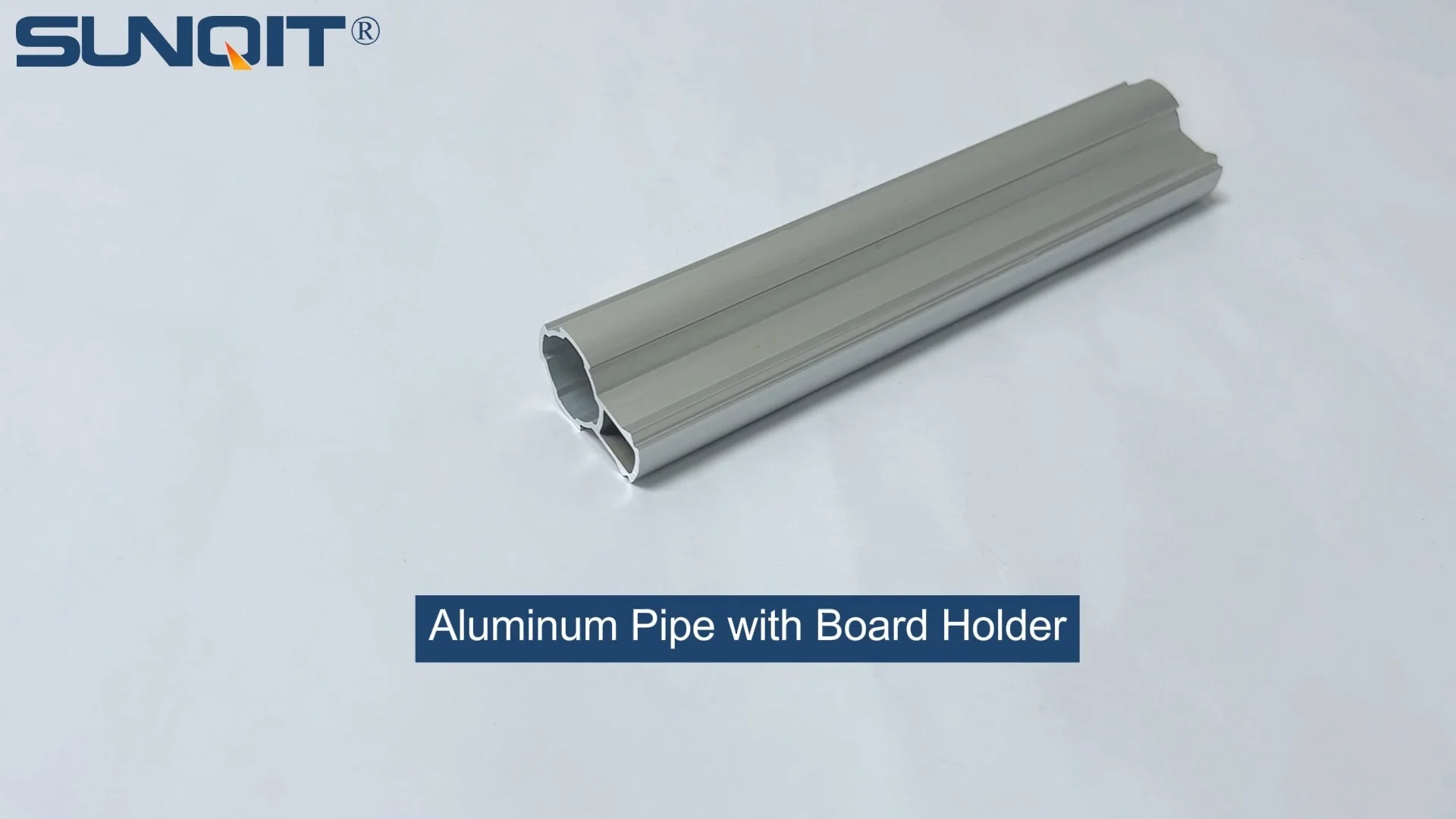
Aluminum Pipe with Board Holder
The linear rolling assembly can be arbitrarily connected in the protruding part of the card slot to increase the rigidity of the track.
Walk into any small workshop—whether it's a local electronics repair shop, a custom woodworking studio, or a startup's assembly line—and you'll likely find the same challenge: space. Tools pile up on cluttered benches, materials overflow from shelves, and every square foot feels like it's working against you instead of for you. When your workspace is cramped, efficiency plummets, stress rises, and growth stalls. But what if there was a way to reclaim that space without tearing down walls or investing in expensive renovations? Enter the aluminum pipe with board holder —a simple, modular solution designed to turn chaos into order, one customizable setup at a time.
The Small Workshop Struggle: Why Space Feels Like Your Biggest Enemy
Small workshops thrive on creativity and agility, but their size often holds them back. Let's break down the daily battles: fixed wooden workbenches that take up permanent floor space, rigid metal shelves that can't adapt when your projects change, and tools scattered across surfaces because there's no dedicated spot for them. It's not just about "having enough room"—it's about how that room works for you. When you spend 10 minutes hunting for a screwdriver under a pile of parts, or when a bulky table blocks the path between stations, you're not just losing time—you're losing momentum.
And let's not forget about growth. A workshop that's maxed out on space can't take on new projects or expand its team. You might turn down a big order because you can't fit the materials, or delay hiring an extra pair of hands because there's nowhere for them to work. For small businesses, space isn't just a physical limitation—it's a business limitation.
What Is an Aluminum Pipe with Board Holder, Anyway?
At first glance, it sounds simple: aluminum pipes and a board holder. But simplicity is where its power lies. Imagine a frame built from lightweight, durable aluminum pipe —think of it as a grown-up version of tinker toys, but industrial-strength. These pipes connect with clever joints (like internal rotatary aluminum joints ) that let you build, adjust, and rebuild the structure as needed. Then, the "board holder" part: a bracket or rail system that securely attaches a work surface (wood, plastic, or metal) to the frame. The result? A workbench, a shelving unit, a material rack, or even a mobile cart—all from the same basic components.
What makes this different from a standard workbench? It's modular. You're not stuck with a 6-foot-long table that can only ever be a 6-foot-long table. Need a taller shelf for storage? Swap out shorter pipes for longer ones. Want to add a second tier for tools? Attach more board holders. Move to a new location? Disassemble it in 20 minutes and rebuild it in your new space. It's workspace that bends to your needs, not the other way around.

5 Space-Saving Features That Make This a Game-Changer
Let's dive into why aluminum pipe with board holder setups are revolutionizing small workshops. These aren't just "nice-to-have" features—they're problem-solvers.
1. Lightweight but Mighty: No More Bulky Furniture
Aluminum is strong, but it's also surprisingly light. A typical aluminum pipe frame weighs a fraction of a wooden or steel bench, which means you can move it around without needing a forklift (or a team of helpers). Need to reconfigure your layout for a big project? Two people can lift the entire setup and shift it in minutes. And because it's light, you can build upward—adding shelves or overhead racks without worrying about the frame collapsing. Suddenly, that vertical space above your workbench isn't wasted air anymore; it's storage.
2. Modular by Design: Build Only What You Need (For Now)
Traditional workbenches are "all or nothing." You buy a 4x8 foot table, even if you only need 3x3 feet today, because that's the size they come in. With aluminum pipe systems, you start small. Build a compact workbench with a single board holder and a few pipes. Then, when you take on a bigger project, add more pipes, extend the frame, or attach extra board holders for additional surface area. It's like building with Legos—you can always add more pieces later. This means you never waste space on features you don't need yet, and you never feel stuck with a setup that's too big (or too small).
3. Tool-Free Assembly: No Welding, No Drama
You don't need to be a DIY expert to set this up. Most aluminum pipe systems use simple joints—like the internal rotatary aluminum joint —that twist or clamp into place. No welding, no drilling, no calling a handyman. Unpack the pipes, slide the joints on, attach the board holder, and you're ready to work. This is a game-changer for small workshops where time is money. You can assemble a basic workbench in under an hour, and reconfigure it just as quickly when your needs change.
4. Compatibility with Aluminum Profile Accessories : Customize Like a Pro
The magic isn't just in the pipes and board holder—it's in the accessories. Need a place to hang tools? Add hooks that clip onto the aluminum pipes. Want to organize small parts? Attach bins to the frame using profile brackets. Need to roll materials from one station to another? Add casters (wheels) to the base. Aluminum pipe systems play well with a huge range of aluminum profile accessories , from LED light strips for better visibility to cable management clips to keep cords from tangling. It's not just a workbench—it's a customizable ecosystem.
5. Durable Enough for the Long Haul (But Easy to replace If Needed)
Aluminum doesn't rust, warp, or rot like wood, and it's lighter than steel, so it won't dent floors or wear out quickly. A well-built aluminum pipe setup can last for years, even in busy workshops. And if a pipe gets bent or a joint wears out? You don't have to replace the entire system—just swap out that one part. Compare that to a wooden workbench that cracks or a metal shelf that rusts: you'd have to buy a whole new unit. With aluminum, repairs are cheap and easy, so your workspace keeps working as hard as you do.

From Chaos to Lean: How It Fits Into Your Lean System
You've probably heard of "lean manufacturing" or "lean principles"—the idea of cutting waste and focusing on value. For small workshops, lean isn't just a buzzword; it's survival. An aluminum pipe with board holder is like a lean system in physical form. Here's how:
- Waste Reduction: No more wasted space, wasted time, or wasted materials. Everything has a place, so you stop losing tools or overbuying supplies because you can't see what you already have.
- Flexibility: Lean systems thrive on adaptability. When a new order comes in with different specs, you reconfigure your aluminum setup in minutes, instead of waiting for a custom bench to be built.
- Visual Management: A clean, organized workspace lets you see at a glance what's missing, what's in stock, and where bottlenecks are. With tools hanging on hooks and materials on labeled shelves (attached to your aluminum frame, of course), you can spot issues before they become problems.
Small workshops often think "lean" is only for big factories with fancy software and consultants. But lean starts with the basics: how your workspace flows. An aluminum pipe setup is lean in its purest form—simple, efficient, and focused on making your work easier.
Aluminum Pipe with Board Holder vs. Traditional Workspaces: The Numbers Speak
Still not convinced? Let's put it head-to-head with the most common workshop setups. The table below compares a basic aluminum pipe with board holder setup to a traditional wooden workbench and a fixed metal shelf unit, based on real small workshop scenarios.
| Feature | Aluminum Pipe with Board Holder | Traditional Wooden Workbench | Fixed Metal Shelving |
|---|---|---|---|
| Space Efficiency | Customizable size; build only what you need. Can be extended upward to use vertical space. | Fixed size (often larger than needed). Hard to adjust; takes up permanent floor space. | Fixed height and width. Can't be reconfigured if storage needs change. |
| Setup Time | 30–60 minutes (tool-free assembly with joints). | 2–4 hours (requires tools, possibly professional help). | 1–2 hours (bolting to walls/floor; heavy lifting needed). |
| Cost (Initial Investment) | $150–$300 (for a basic setup with pipes, joints, and board holder). | $200–$500 (premium wood; plus delivery). | $100–$300 (but limited to storage, not work surfaces). |
| Adaptability | Easily reconfigured (add pipes, extend frame, swap board holders). | Fixed; can't change size or shape without cutting/damaging the wood. | Fixed; shelves can't be moved or removed without tools. |
| Durability | Weather-resistant, rust-proof aluminum. Joints wear slowly; parts replaceable. | Prone to warping, staining, and scratches. Hard to repair if damaged. | Durable but heavy; can rust if not coated. Difficult to replace individual parts. |
| Portability | Lightweight; can be disassembled or moved by 1–2 people. | Heavy; requires 2+ people and risk of damage during moves. | Permanent installation; not designed to be moved. |
The verdict? Aluminum pipe systems win on flexibility, cost, and space efficiency—exactly what small workshops need most.
Real Workshops, Real Results: How This Setup Changed Their Game
Let's get concrete. Here are two stories from small workshops that swapped chaos for aluminum pipe systems—and never looked back.
Case Study 1: The Electronics Repair Shop That Doubled Capacity
Maria runs a smartphone repair shop in a 200-square-foot storefront. Before aluminum pipe, she had one bulky wooden workbench that took up half the space. Tools, screens, and spare parts covered every inch, and she could only work on one phone at a time. "I'd have customers waiting, but I couldn't start their repairs because there was no room to lay out the parts," she says. Then, she installed a small aluminum pipe workbench with a board holder, plus two overhead shelves made from the same pipes. "Now, I have a dedicated area for screen replacements, another for battery swaps, and tools hanging on hooks from the frame. I can work on two phones at once, and I even added a small shelf for customers to wait—all without expanding the shop. Last month, my revenue went up 40% because I'm not wasting time juggling space anymore."
Case Study 2: The Woodworking Studio That Got Unstuck
Jake's custom woodworking studio was bursting at the seams. He built custom furniture, but his fixed workbench and rigid shelves left no room for larger projects. "I had to turn down a order for a dining table because I couldn't fit the wood planks in the shop," he recalls. He replaced his wooden bench with an aluminum pipe frame and a large board holder, then added rolling casters to the base. "Now, when I need space for a big project, I roll the entire workbench to the side. The aluminum frame is strong enough to hold heavy slabs of wood, and I added extra board holders for tools and clamps. Last week, I built that dining table—and I still had room to work on a side table for another client. It's not just about space; it's about feeling like I can grow again."
How to Choose the Right Aluminum Pipe with Board Holder for Your Workshop
Ready to take the plunge? Here's how to pick the perfect setup for your space:
1. Start with Your "Must-Haves"
What do you need most? A work surface? Storage shelves? A mobile cart? List your top 3 priorities (e.g., "I need a 3-foot workbench and 2 shelves for tools"). This will help you avoid overbuying pipes or accessories you don't need.
2. Measure Twice, Buy Once
Grab a tape measure and map out your available space. How much floor space can you dedicate to the setup? How tall can it be (check ceiling height if you're building upward)? Write down the dimensions, then look for pipe lengths and board holder sizes that fit. Most suppliers offer pipes in standard lengths (1 foot, 2 feet, 4 feet), so you can mix and match to get the exact size you need.
3. Don't Skimp on Joints
Joints are the backbone of your setup. Look for high-quality internal rotatary aluminum joints —they're sturdy, easy to adjust, and won't slip over time. Cheaper plastic joints might save money upfront, but they'll wear out quickly under heavy use. Invest in metal joints; they're worth the extra few dollars.
4. Think About Mobility
Do you need your setup to move? Add casters (wheels) to the base. Look for locking casters if you want it to stay put during use, then unlock and roll when you need space. Most aluminum pipe systems are compatible with caster accessories, so you can add them later if you change your mind.
Final Thought: Space Isn't Just a Place—It's Potential
Small workshops are the heartbeat of innovation. They're where ideas turn into products, and where local businesses grow into community staples. But they shouldn't have to fight their own space to succeed. An aluminum pipe with board holder isn't just a piece of furniture—it's a tool for unlocking potential. It turns cramped corners into functional workspaces, disorganized chaos into streamlined efficiency, and "I can't" into "I can."
So, if you're tired of wrestling with your workshop instead of working in it, consider this: the space you need might already be there. You just need a better way to use it. With aluminum pipe, a board holder, and a little creativity, you'll wonder how you ever worked without it.