- Company Articles
- Products and Technology
- Product knowledge
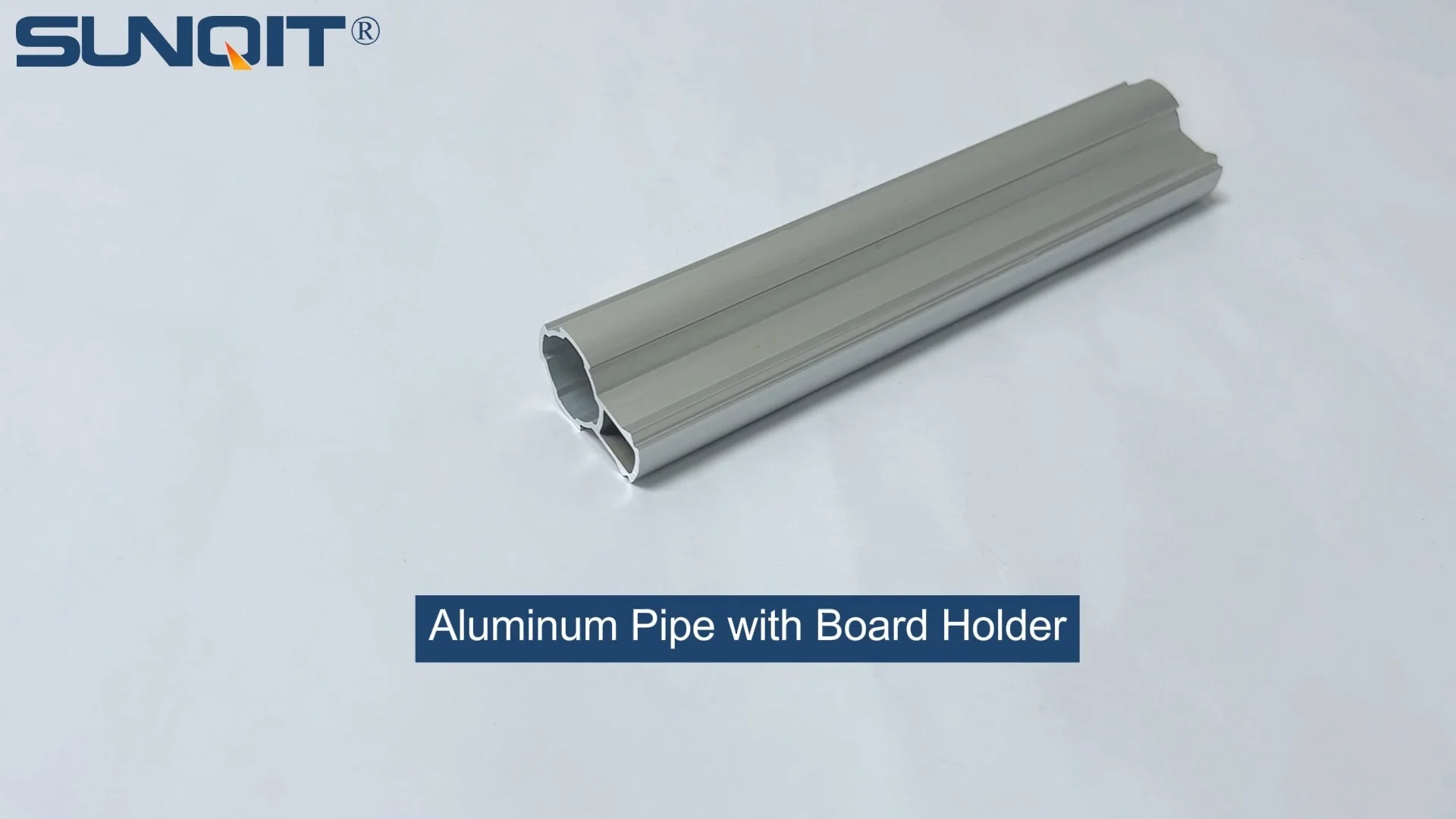
- Aluminum Pipe with Board Holder for Temporary Workstations

Aluminum Pipe with Board Holder for Temporary Workstations
Related Product
Aluminum Pipe with Board Holder
The linear rolling assembly can be arbitrarily connected in the protruding part of the card slot to increase the rigidity of the track.
The Rise of Temporary Workstations: Why Flexibility Matters More Than Ever
Walk into any modern workplace, manufacturing floor, or even community event, and you'll notice a quiet revolution: workspaces that adapt, change, and evolve on demand. Gone are the days when a "workstation" meant a fixed desk bolted to the floor or a heavy wooden table that required a team of people to move. Today, temporary workstations are the unsung heroes of efficiency—whether it's a pop-up lab for a weekend workshop, a seasonal packaging station in a warehouse, or a mobile registration desk at a conference. The problem? Traditional setups often fail to keep up. They're either too expensive to customize, too rigid to reconfigure, or too flimsy to last more than a few uses.
This is where aluminum pipe with board holders steps in. Imagine (oops, scratch that—let's talk about what real teams are actually doing) a small electronics manufacturer that needs to shift production lines overnight to meet a sudden order. Or a school district setting up temporary classrooms during renovation. Or a startup renting a co-working space but needing a dedicated area for prototyping. These scenarios demand a solution that's lightweight enough to move, strong enough to handle daily use, and flexible enough to reshape whenever needs change. Aluminum pipe, paired with a simple board holder, checks all these boxes—and more.
What Makes Aluminum Pipe the Backbone of Flexible Workspaces?
Aluminum has long been a favorite in industries where strength and weight matter—think aerospace, automotive, and construction. But when it comes to temporary workstations, its unique properties shine even brighter. Let's break it down: aluminum is naturally corrosion-resistant, so unlike steel, it won't rust if you spill a drink on it or use it in a humid garage. It's lightweight, too—most aluminum pipes weigh a fraction of their steel counterparts, which means one person can carry, cut, and assemble them without straining their back. And despite its lightness, aluminum is surprisingly strong; a well-designed aluminum frame can easily support tools, materials, or even heavy equipment, depending on the pipe thickness.
But what really sets aluminum pipe apart in the world of temporary workstations is its compatibility with modular systems. Enter aluminum lean pipe —a specialized version of aluminum pipe designed with lean manufacturing principles in mind. Lean pipe systems prioritize efficiency, minimal waste, and adaptability, making them perfect for temporary setups. Unlike traditional fixed workbenches, aluminum lean pipe can be assembled, disassembled, and reassembled in different configurations with minimal effort. Add a board holder to the mix, and you've got a surface that can hold anything from laptops to power tools, all while staying secure and stable.

The Board Holder: Small Accessory, Big Impact
If aluminum pipe is the skeleton of your temporary workstation, the board holder is the muscle that holds everything together. At first glance, it might seem like a simple piece of hardware—and in many ways, it is—but that simplicity is its greatest strength. A board holder is exactly what it sounds like: a bracket or clamp that attaches to aluminum pipe and secures a work surface (like plywood, MDF, or even a plastic board) in place. No screws, no glue, no permanent modifications—just a tight, reliable grip that can be adjusted or removed in seconds.
What makes board holders so versatile? They come in all shapes and sizes to fit different pipe diameters and board thicknesses. Some are fixed, keeping the board at a steady height, while others are adjustable, letting you raise or lower the surface to match ergonomic needs. And because they're part of the broader ecosystem of aluminum profile accessories , they play well with other components. Need to add a shelf above your workstation? Just attach another board holder higher up on the aluminum pipe. Want to angle the board for better visibility? Look for a tilting board holder. The possibilities are nearly endless, and it all starts with this small but mighty accessory.

Building Your Temporary Workstation: A Step-by-Step Guide
You don't need to be a DIY expert to assemble an aluminum pipe workstation with a board holder—in fact, most setups take less than an hour, even if you're new to modular systems. Let's walk through the process, using a basic workbench as an example. Here's what you'll need: aluminum pipes (we recommend 28mm or 30mm diameter for most workbenches), aluminum profile accessories (joints, connectors, and a board holder), a work surface (plywood or MDF works great), a hex wrench, a measuring tape, and a rubber mallet (optional, for tapping joints into place).
Step 1: Plan your layout. Measure the space where you'll use the workstation and sketch a rough design. Will it be a simple table (four legs, one surface), or do you need shelves? For a basic workbench, you'll need four vertical pipes (legs) and four horizontal pipes (to frame the top). Add extra pipes if you want lower shelves for storage.
Step 2: Cut pipes to length (if needed). Most suppliers sell aluminum pipes in standard lengths (1m, 2m, etc.), but if you need custom sizes, a hacksaw or pipe cutter will do the job. Sand the edges afterward to avoid sharp corners.
Step 3: Assemble the frame. Use aluminum profile accessories like 90-degree joints to connect the vertical and horizontal pipes. Slide the joints onto the pipe ends, then tighten the set screws with a hex wrench—snug, but not so tight that you strip the threads. For extra stability, add diagonal braces (using 45-degree joints) between the legs.
Step 4: Attach the board holder. Slide the board holder onto the horizontal top frame. Most holders have adjustable clamps; loosen them, position the holder where you want it, then tighten to secure. Repeat for all four sides of the top frame (or two sides for a simpler setup).
Step 5: Add the work surface. Place your board (plywood, MDF, etc.) on top of the board holders. Some holders have lips or grooves to keep the board from sliding, but if not, a few strips of double-sided tape can add extra security (just make sure it's removable!).
That's it! In under an hour, you've built a sturdy, temporary workbench that can be taken apart and rebuilt elsewhere when needed. And if you want to expand later—say, add a second tier or wheels for mobility—just grab more aluminum pipes and aluminum profile accessories. It's that easy.
Beyond the Workbench: Other Uses for Aluminum Pipe and Board Holders
While workbenches are the most common use for aluminum pipe and board holders, their versatility doesn't stop there. Let's explore a few creative ways teams and individuals are using these components to solve everyday challenges:
- Turnover trolley and rack: Add casters (another type of aluminum profile accessory) to the bottom of an aluminum frame, and you've got a mobile trolley for moving materials around a warehouse or workshop. Pair it with a board holder and a slotted board, and it becomes a turnover rack for storing tools or small parts.
- Event displays: Event planners love aluminum pipe for pop-up booths or registration desks. A lightweight frame with a board holder and a printed banner makes for a professional setup that can be transported in a car and assembled in minutes.
- Plant stands or garden worktables: Outdoor spaces benefit from aluminum's rust resistance. Build a raised plant stand with a board holder to keep pots off the ground, or a worktable for potting plants—just make sure to use weather-resistant aluminum profile accessories.
- Kids' activity stations: Parents and teachers are using aluminum pipe workstations to create adjustable-height tables for art projects, Lego builds, or homework. When the kids outgrow the height, just reconfigure the pipes!
Aluminum Pipe vs. Alternatives: Which Material is Right for You?
Aluminum pipe isn't the only option for temporary workstations, so how do you know it's the best choice? Let's compare it to three common alternatives—wood, steel, and plastic—in a side-by-side breakdown:
| Feature | Aluminum Pipe | Wood | Steel Pipe | Plastic Pipe |
|---|---|---|---|---|
| Weight | Light (easy to carry solo) | Heavy (requires 2+ people to move) | Very heavy (needs tools or equipment to transport) | Light (but less sturdy) |
| Durability | High (resists dents, corrosion, and warping) | Moderate (prone to scratches, water damage, and warping) | High (but rusts without coating; dents are hard to fix) | Low (bends or cracks under heavy weight) |
| Flexibility | High (easily disassembled and reconfigured) | Low (permanent assembly; hard to modify) | Moderate (can be reconfigured but heavy to move) | Moderate (light but limited load capacity limits uses) |
| Assembly Time | Short (1-2 hours for a workbench; no power tools needed) | Long (requires cutting, sanding, and screwing; power tools helpful) | Long (heavy to maneuver; needs wrenches or welding for some joints) | Short (but joints may loosen over time) |
| Cost (Initial) | Moderate (more than plastic, less than steel) | Low to moderate (depends on wood type) | High (steel pipes and are pricey) | Low (but needs frequent replacement) |
| Best For | Frequently changing setups, temporary workspaces, indoor/outdoor use | Permanent or rarely moved workstations, aesthetic-focused projects | Heavy-duty industrial use (e.g., manufacturing lines that stay put) | Lightweight, short-term use (e.g., kids' crafts, party decor) |
As the table shows, aluminum pipe strikes the perfect balance between weight, durability, and flexibility—making it ideal for temporary workstations that need to keep up with changing needs.
Maintaining Your Aluminum Workstation: Tips for Longevity
One of the best things about aluminum pipe workstations is how little maintenance they require. With just a few simple steps, you can keep your setup looking and functioning like new for years:
- Clean regularly with mild soap and water. Aluminum resists stains, but dust and grime can build up over time. Wipe down pipes and board holders with a damp cloth and a drop of dish soap, then dry thoroughly to prevent water spots.
- Tighten joints occasionally. If you move or reconfigure your workstation often, the set screws on aluminum profile accessories may loosen. A quick turn with a hex wrench every few months will keep everything stable.
- replace worn parts promptly. Board holders, casters, or connectors may wear out over time, especially with heavy use. The good news? Aluminum profile accessories are affordable and easy to swap out—no need to replace the entire workstation.
- Store disassembled parts properly. If you're not using the workstation for a while, take it apart and store the pipes and accessories in a dry, cool place. Wrap sharp edges (like cut pipe ends) in tape to prevent scratches.
Choosing the Right Aluminum Pipe and Board Holder: Key Considerations
Not all aluminum pipes and board holders are created equal, so it's important to choose components that match your needs. Here are a few factors to keep in mind:
- Pipe diameter and thickness: Thicker pipes (e.g., 30mm) support more weight than thinner ones (e.g., 20mm). For a basic workbench, 28-30mm diameter with 1.5mm wall thickness is usually sufficient. For heavier loads (like power tools), opt for 30mm with 2.0mm thickness.
- Board holder type: Fixed board holders are great for stable surfaces, while adjustable holders let you change heights. If you need to angle the board (e.g., for drafting), look for tilting models. Make sure the holder fits your pipe diameter and board thickness!
- Load capacity: Check the manufacturer's specs for both the pipe and the board holder. A typical aluminum pipe workbench can hold 50-100kg, but this varies by design. If you're unsure, ask the supplier for guidance.
- Compatibility: Stick to aluminum profile accessories from the same brand or system to ensure a tight fit. Mixing and matching may lead to loose joints or unstable setups.
Real-World Stories: How Teams Are Thriving with Aluminum Pipe Workstations
Still on the fence? Let's hear from real people who've swapped rigid setups for aluminum pipe workstations:
Maria, a small-batch candle maker: "I used to work on my kitchen table, but when orders picked up, I needed a dedicated space. I built a 4-foot aluminum pipe workbench with a board holder and shelves for supplies. It's lightweight enough to move out of the way when I'm not using it, and I can take it apart if I move apartments. Best of all, it cost a third of what a custom wooden workbench would have!"
Jake, a high school shop teacher: "Our classroom has limited space, so we needed worktables that could be reconfigured for different projects—sometimes we're building birdhouses, other times we're assembling robots. Aluminum pipe workstations with adjustable board holders let us change heights for students of different sizes, and we can break them down completely during summer storage. The kids even help assemble them—it's a great lesson in engineering!"
Raj, a warehouse manager: "We used to buy expensive steel workbenches that took days to install. Now, we use aluminum lean pipe and board holders to build temporary stations for seasonal workers. When the season ends, we disassemble them and store the parts. It's saved us thousands in equipment costs, and the team loves how easy they are to adjust."
Conclusion: Embrace Flexibility with Aluminum Pipe Workstations
Temporary workstations aren't just a trend—they're a necessity in a world where spaces and needs change fast. Whether you're a small business owner, a teacher, a DIY enthusiast, or an event planner, aluminum pipe with a board holder offers a solution that's affordable, adaptable, and built to last. It's lightweight enough to move, strong enough to work on, and flexible enough to grow with you. And with the right aluminum profile accessories, the only limit is your imagination.
So why wait? Start small—a basic workbench, a turnover trolley, or a display rack—and see how aluminum pipe can transform your temporary workspace. Before long, you'll wonder how you ever worked without it.