- Company Articles
- Products and Technology
- Application Cases
- Aluminum Pipe with Board Holder in Automotive Manufacturing: Top Uses

Aluminum Pipe with Board Holder in Automotive Manufacturing: Top Uses
Related Product
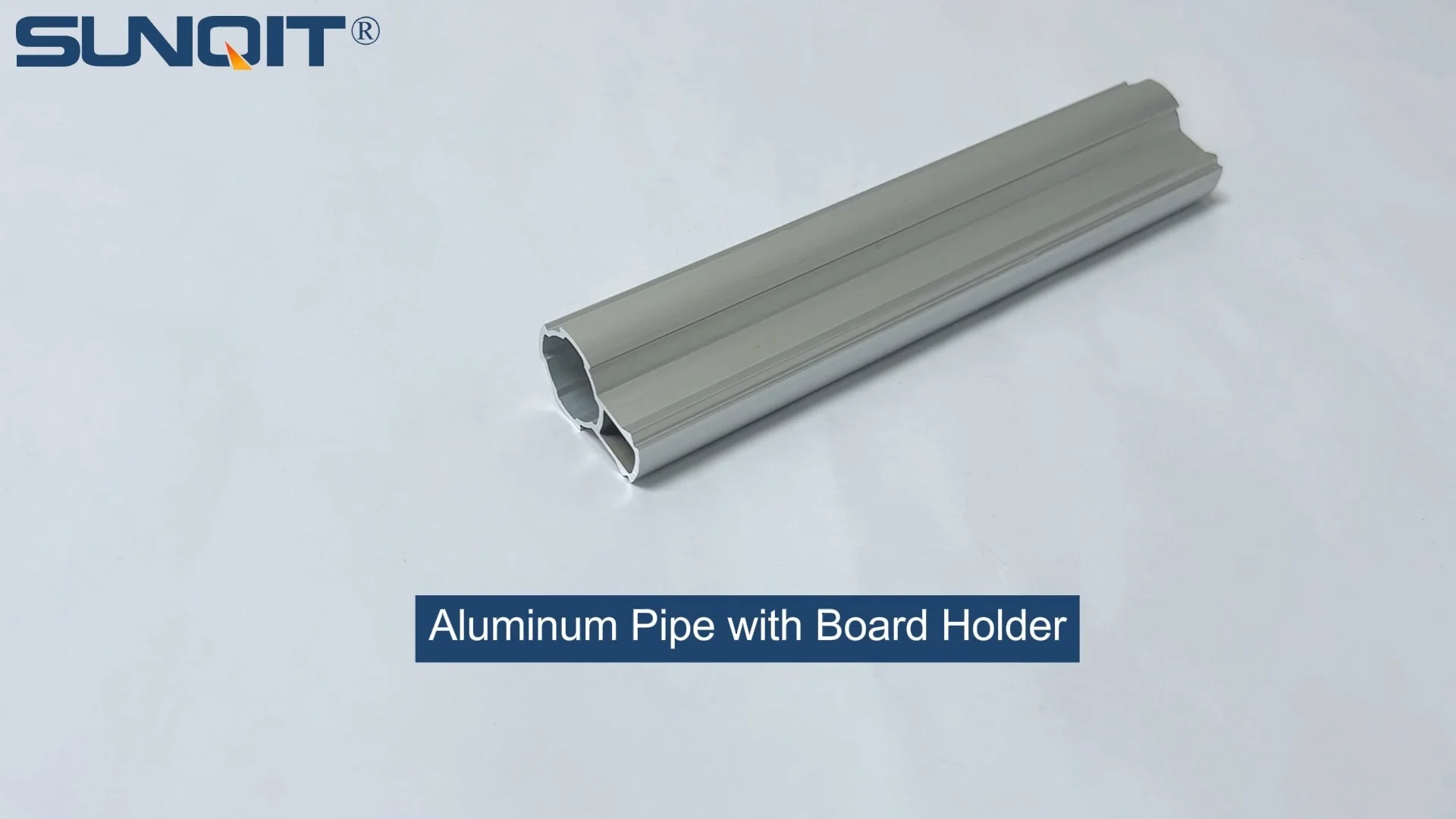
Aluminum Pipe with Board Holder
The linear rolling assembly can be arbitrarily connected in the protruding part of the card slot to increase the rigidity of the track.
In the fast-paced world of automotive manufacturing, where precision, efficiency, and adaptability can make or break production targets, the tools and systems that keep workflows running smoothly are more critical than ever. Every component on the factory floor, from the smallest fastener to the largest assembly station, plays a role in ensuring that vehicles roll off the line with consistency and quality. Among these unsung heroes is a versatile solution that has quietly transformed how teams organize, build, and maintain their workspaces: the aluminum pipe with board holder. Far more than just a simple combination of metal and a surface, this tool has become a cornerstone of lean manufacturing principles, offering a blend of flexibility, durability, and functionality that aligns perfectly with the demands of modern automotive plants. In this article, we'll explore the top uses of aluminum pipe with board holder in automotive manufacturing, diving into how it enhances assembly lines, streamlines material handling, supports quality control, and integrates seamlessly with lean system goals—all while keeping workers comfortable, organized, and focused on what matters most: building better vehicles.
1. Assembly Line Workstations: Where Precision Meets Organization
Walk through any automotive assembly plant, and you'll notice a symphony of movement: robots welding frames, technicians installing wiring harnesses, and teams collaborating to fit everything from dashboards to door panels. At the heart of this chaos are the workstations where human hands and machines come together to turn parts into finished components. Here, the aluminum pipe with board holder shines as a foundational element, transforming generic workspaces into tailored hubs of productivity.
Consider the typical assembly line for vehicle interiors—a process that requires technicians to access dozens of small parts (screws, clips, trim pieces) while referencing complex diagrams or digital work instructions. A standard workbench might leave tools scattered, blueprints crumpled, and parts rolling off the edge, leading to delays and errors. But with an aluminum pipe with board holder setup, the scene changes dramatically. The aluminum pipe, often paired with aluminum profile accessories, forms a lightweight yet sturdy frame that can be customized to the exact height and width needed for the task. The board holder, mounted to this frame, serves as a dedicated space for digital tablets (loaded with step-by-step guides) or printed schematics, keeping critical information at eye level and protected from grease or debris.
What makes this setup so valuable is its adaptability. Automotive models change frequently—new features, updated designs, or specialized editions require assembly lines to reconfigure quickly. Unlike fixed steel workbenches, which are expensive and time-consuming to modify, aluminum pipe systems use simple joints and connectors, allowing teams to adjust the height of the board holder, add side shelves for extra parts, or even reposition the entire workstation in minutes. For example, when a plant shifts from assembling a compact car to an SUV, the same aluminum pipe frame can be extended to accommodate larger interior panels, with the board holder adjusted to display new diagrams without needing to replace the entire setup.
Ergonomics also play a key role here. Automotive technicians spend hours at their workstations, and discomfort can lead to fatigue and reduced precision. Aluminum pipe with board holder systems are designed to be height-adjustable, ensuring that the board (and thus the instructions) are at a comfortable viewing angle, whether the technician is standing or sitting. Some setups even include swivel mechanisms for the board holder, allowing workers to rotate it slightly to avoid glare from overhead lights—a small detail that reduces eye strain and keeps focus sharp during long shifts.
Perhaps most importantly, these workstations support the "5S" methodology (Sort, Set in Order, Shine, Standardize, Sustain) that's central to lean system practices. By providing a designated place for tools (hung from the aluminum pipe frame), parts (on shelves below the board holder), and instructions (on the board itself), the system eliminates waste—no more searching for a misplaced screw or hunting down a missing blueprint. Everything has a home, and everything stays in its home, leading to cleaner workspaces, faster task completion, and fewer mistakes. In one case study, a mid-sized automotive plant reported a 15% reduction in assembly time for door panels after upgrading to aluminum pipe with board holder workstations, citing improved organization and easier access to instructions as the primary drivers.
2. Material Handling: Bridging the Gap Between Storage and Production
In automotive manufacturing, material handling is a logistical puzzle: parts must move from warehouses to assembly lines quickly, safely, and in the right order to avoid bottlenecks. Delays here can ripple through the entire plant, slowing down production and increasing costs. Aluminum pipe with board holder systems, often integrated with roller track setups, have emerged as a simple yet effective solution to this challenge, creating a seamless flow between storage racks and workstations.
Imagine a scenario where a batch of brake calipers needs to be transported from the warehouse to the front axle assembly line. Traditionally, this might involve workers pushing heavy carts, stopping to check part numbers against a list, and then manually unloading the calipers onto a nearby table—steps that waste time and risk damaging parts. With an aluminum pipe with board holder and roller track system, the process becomes automated and error-proof. The roller track, a series of small wheels mounted on a frame, allows lightweight carts (or even the parts themselves, on trays) to glide smoothly from storage to the assembly line with minimal effort. The aluminum pipe frame supports the roller track, while the board holder, positioned at the end of the track, displays a digital checklist or barcode scanner. As parts arrive, the technician scans each caliper, confirms it matches the order on the board, and moves it directly to the workstation—no more stopping to fumble with paper lists or search for missing items.
But the benefits go beyond speed. Aluminum pipe with board holder systems are designed to work with the "kanban" principle, a cornerstone of lean system thinking that emphasizes just-in-time production. Kanban relies on visual signals to trigger material replenishment—for example, when a bin of screws on the assembly line is empty, a card is sent to the warehouse to request more. With a board holder, these signals can be digitized or made more visible: the board might display a digital kanban board showing real-time stock levels, or a physical slot where empty bins are placed to alert the warehouse team. This reduces communication delays and ensures that parts arrive exactly when they're needed, not a minute earlier (wasting space) or later (causing downtime).
Durability is another key advantage. Automotive plants are tough environments: constant foot traffic, spills, and heavy machinery mean equipment must withstand daily wear and tear. Aluminum pipe, known for its resistance to corrosion and dents, holds up far better than plastic or wood alternatives. The board holder, often made from the same aluminum profile as the frame, resists scratches from tools and can be wiped clean easily, ensuring that instructions remain legible even in greasy or dusty conditions. Roller track components, like plastic or steel wheels, are designed to handle repeated use without jamming, keeping the material flow consistent shift after shift.
One plant in Michigan, which produces electric vehicle batteries, recently shared how they reduced material handling errors by 22% after implementing aluminum pipe with board holder and roller track systems. By mounting barcode scanners and digital kanban displays on the board holders, they eliminated mix-ups between battery cell types (a critical issue, as using the wrong cell can cause safety hazards). Workers now scan each cell as it arrives on the roller track, and the board holder instantly confirms if it's the correct part for the current production run. If not, an alert sounds, preventing the mistake before it reaches the assembly line.

3. Quality Control Stations: Ensuring Perfection in Every Detail
In automotive manufacturing, quality control is non-negotiable. A single loose bolt or misaligned part can compromise safety, leading to recalls, damaged reputations, and, most importantly, risks to drivers. That's why quality control (QC) stations are among the most critical areas in any plant—spaces where inspectors meticulously check components and finished assemblies for defects. Here, the aluminum pipe with board holder system transforms from a tool for efficiency into a guardian of quality, providing inspectors with the organization and clarity they need to catch even the smallest issues.
Consider the inspection of a vehicle's braking system, a component where precision is life-saving. Inspectors must measure rotor thickness, check for cracks in calipers, and verify that brake pads meet exact specifications—all while documenting their findings. A cluttered QC station, with tools scattered and checklists lost, can lead to missed defects. But with an aluminum pipe with board holder setup, the station becomes a model of order. The aluminum pipe frame, lightweight but rigid, holds the braking components at a comfortable angle for inspection, while the board holder displays a digital checklist (linked to the plant's quality management system) and high-resolution images of "good" vs. "bad" parts. For example, a photo of a properly aligned caliper is shown next to one with a hairline crack, giving inspectors a clear visual reference. Tools like micrometers and torque wrenches hang from hooks on the aluminum pipe frame, within easy reach but not in the way, reducing time spent searching for equipment.
The board holder also serves as a documentation hub. In automotive manufacturing, QC records are legally required, and audits are frequent. With a dedicated board holder, inspectors can attach digital tablets or barcode scanners to log results in real time, ensuring data is never lost or delayed. Some setups even include a small shelf (mounted to the aluminum pipe frame) for storing physical samples—like a defective brake pad that inspectors can reference when training new team members. This blend of digital and physical organization makes audits smoother: instead of sifting through piles of paper, auditors can simply pull up the records from the board holder's tablet or review the stored samples.
What sets aluminum pipe with board holder apart from other QC station setups is its ability to adapt to different inspection tasks. Automotive parts vary drastically in size and shape—from tiny sensors to large engine blocks—and each requires a unique inspection approach. The aluminum pipe system, with its modular design, can be reconfigured in minutes: adjust the height for a transmission inspection, add side extensions for a door panel, or mount the board holder horizontally to display full-vehicle diagrams for final assembly checks. This flexibility is especially valuable in plants that produce multiple vehicle models or offer customization options (e.g., luxury trims vs. standard packages), where QC requirements change frequently.
A European automotive plant specializing in electric vehicle motors recently upgraded its QC stations with aluminum pipe with board holder systems and reported a 30% reduction in missed defects. Inspectors noted that having clear, visible references on the board holder reduced "decision fatigue"—the mental strain of judging whether a part is acceptable. The aluminum profile frame also made the station easier to clean, an important factor in electric motor production, where even small dust particles can cause performance issues. By keeping the area organized and the tools accessible, the inspectors could focus entirely on the task at hand, leading to more accurate assessments and safer vehicles.

4. Customization for Specialized Tasks: Adapting to Automotive Manufacturing's Unique Needs
Automotive manufacturing isn't a one-size-fits-all industry. From luxury sedans to heavy-duty trucks, from electric vehicles to hybrid models, each product line has unique requirements—different parts, different assembly processes, and different tools. This diversity demands workspaces that can adapt quickly, and aluminum pipe with board holder systems excel here, offering a level of customization that fixed equipment simply can't match. Whether it's building specialized workbenches for engine assembly or creating mobile stations for off-line repairs, these systems prove their worth by bending to the plant's needs, not the other way around.
Take engine assembly, for example—a task that requires handling heavy, intricate components like crankshafts and camshafts. A standard workbench might not be strong enough to support the weight, or tall enough for technicians to work comfortably. But with an aluminum pipe with board holder system, the solution is straightforward: use thicker aluminum profile pipes (or double pipes for extra strength) to create a frame that can support the engine block, with the board holder positioned at chest height to display torque specifications and assembly sequences. Add a set of casters (mounted to the aluminum pipe base) and the workstation becomes mobile, allowing technicians to roll the engine block to different stations for additional work—like adding the cylinder heads or oil pan—without lifting. The board holder, now on wheels, goes wherever the work goes, ensuring critical information is always nearby.
Another example is off-line repairs, where vehicles with minor defects are taken off the main assembly line for fixes. These repairs are often unpredictable—one day it might be a loose wiring harness, the next a scratched bumper. A fixed repair station would struggle to handle such variety, but an aluminum pipe with board holder system can be reconfigured in minutes. Need to lift a bumper for painting? Add an extension to the aluminum pipe frame and adjust the board holder to display paint color codes. Working on a wiring issue? Lower the frame, remove the side shelves, and use the board holder to spread out a wiring diagram. The aluminum pipe's modular design, with simple joints that twist or snap into place, makes these changes possible without tools, saving valuable time.
Customization also extends to accessories, many of which are designed specifically for aluminum pipe systems. For example, tool hooks can be added to the frame to hold wire strippers or paint guns, while small bins (hung from the aluminum pipe) store zip ties or touch-up paint. The board holder itself can be customized: some models swivel 360 degrees, allowing technicians to share diagrams with colleagues across the workstation, while others have built-in LED lights to illuminate dark corners of complex parts (like engine internals). These small but thoughtful additions turn a basic setup into a fully personalized workspace.
A U.S.-based automotive plant that produces both pickup trucks and SUVs recently shared how aluminum pipe with board holder systems helped them reduce setup time for specialized tasks by 45%. When switching from truck to SUV production, the plant used to spend hours replacing fixed workbenches with larger ones. Now, they simply reconfigure the aluminum pipe frames and adjust the board holders to display SUV-specific instructions, cutting changeover time from 8 hours to just 3. This agility has allowed the plant to take on more custom orders, increasing revenue without expanding their physical footprint.
5. Integration with Lean System Goals: Reducing Waste, Boosting Efficiency
At its core, automotive manufacturing is a battle against waste—waste of time, materials, space, and effort. Lean system principles, pioneered by Toyota, aim to eliminate these wastes, focusing on creating value for the customer while minimizing everything else. Aluminum pipe with board holder systems align perfectly with this philosophy, serving as a physical embodiment of lean ideals like "just-in-time" production, visual management, and continuous improvement. Let's explore how these systems help automotive plants reduce waste and move closer to their lean goals.
First, consider "motion waste"—the unnecessary movement of workers, tools, or materials that slows down production. In a typical plant, a technician might walk 10 extra steps to grab a tool, or bend awkwardly to read a blueprint on the floor—small movements that add up to hours of lost time each week. Aluminum pipe with board holder systems attack this waste by bringing everything the worker needs to their fingertips. The aluminum pipe frame positions tools, parts, and instructions (via the board holder) within arm's reach, reducing walking and bending. For example, a technician assembling a steering column can have wrenches hanging from the aluminum pipe frame, the column itself clamped to the frame at waist height, and the assembly instructions on the board holder at eye level. No more walking to a tool chest or kneeling to pick up a dropped part—every motion adds value, not waste.
Next is "inventory waste"—holding onto more parts, tools, or supplies than needed, which ties up capital and takes up valuable space. Lean systems emphasize keeping only what's needed for the current production run, and aluminum pipe with board holder setups support this by providing controlled, visible storage. The board holder can display a "min/max" inventory list for the workstation (e.g., "keep 50 screws on hand; reorder when down to 10"), while small bins (mounted to the aluminum pipe frame) hold exactly that number of screws. When the bin hits the "reorder" level, the technician places an empty bin in the board holder's designated slot, triggering a signal to the warehouse. This visual system prevents overstocking and ensures parts arrive just as they're needed, freeing up floor space and reducing inventory costs.
"Defect waste"—products that don't meet quality standards and must be reworked or scrapped—is another target of lean systems. As we explored earlier, aluminum pipe with board holder systems reduce defects by keeping instructions visible and tools organized, but they also support "poka-yoke" (mistake-proofing) techniques. For example, the board holder might have a template showing exactly where each part should go on the workstation—if a technician tries to place a part outside the template, it's immediately obvious, preventing assembly errors. Or the aluminum pipe frame could include a physical guide (like a slot) that only allows the correct part to fit, eliminating the risk of using the wrong component. These simple design features turn the workstation itself into a quality control tool, catching mistakes before they become defects.
Finally, "overprocessing waste"—doing more work than necessary, like polishing a part beyond customer requirements—is addressed through the adaptability of aluminum pipe with board holder systems. Because the setup can be customized to each task, technicians only perform the steps needed for the current product. For example, a luxury vehicle might require extra polishing of interior trim, while a standard model does not. The board holder can display the specific steps for each, ensuring technicians don't waste time on unnecessary work. And because the aluminum pipe frame can be adjusted to hold specialized tools (like a buffer for luxury trims), there's no need to bring in separate equipment—everything is integrated into the workstation.
A Japanese automotive plant, long a leader in lean manufacturing, recently conducted a study comparing traditional workstations to those using aluminum pipe with board holder systems. The results were striking: the lean-aligned setups reduced overall waste by 28%, with motion waste down 35% and inventory waste down 22%. Perhaps most telling, worker satisfaction scores increased by 40%, as employees reported feeling more in control of their workspaces and less frustrated by disorganization. This underscores a key point: lean isn't just about efficiency—it's about creating a workplace that respects workers' time and effort, and aluminum pipe with board holder systems deliver on that promise.
Comparing Aluminum Pipe with Board Holder to Traditional Workbench Setups
To better understand the advantages of aluminum pipe with board holder in automotive manufacturing, let's compare it to traditional fixed workbenches—a common alternative in many plants. The table below highlights key differences in flexibility, cost, durability, and alignment with lean system goals.
| Feature | Traditional Fixed Workbench | Aluminum Pipe with Board Holder |
|---|---|---|
| Flexibility | Fixed height, width, and layout; difficult to reconfigure without tools or replacement. | Modular design with adjustable height/width; reconfigurable in minutes using simple joints and connectors. |
| Cost | High upfront cost; expensive to modify or replace when production needs change. | Lower upfront cost; affordable to adapt (only replace/ add pipes/joints, not entire setup). |
| Durability | Sturdy but prone to rust (if steel) or warping (if wood); heavy and hard to move. | Aluminum resists corrosion and dents; lightweight but strong; withstands factory wear/tear. |
| Lean System Alignment | Limited; fixed design leads to motion/inventory waste; hard to implement visual management. | High; supports visual management (board holder), just-in-time (adjustable storage), and continuous improvement (easy reconfiguration). |
| Ergonomics | One-size-fits-all height; may not accommodate workers of different sizes. | Adjustable height/angle; board holder positioned at eye level; reduces bending/straining. |
As the table shows, aluminum pipe with board holder systems outperform traditional workbenches in nearly every category that matters to modern automotive plants. They're not just a tool—they're an investment in efficiency, adaptability, and worker well-being.
Conclusion: The Future of Automotive Manufacturing Workspaces
In the ever-evolving world of automotive manufacturing, where innovation and efficiency are constants, the aluminum pipe with board holder has proven itself to be more than just a passing trend. It's a foundational tool that addresses the industry's most pressing challenges: adapting to changing production needs, reducing waste, supporting quality control, and keeping workers organized and comfortable. From assembly line workstations that adjust in minutes to QC stations that catch defects before they reach customers, these systems embody the lean system principles that drive modern manufacturing success.
As automotive plants continue to embrace automation, digitalization, and customization, the role of aluminum pipe with board holder will only grow. Imagine a future where these systems are integrated with smart sensors—alerting technicians when parts are running low, or adjusting the board holder's angle based on a worker's height (detected via camera). Or where the aluminum profile frame connects to the plant's IoT network, automatically logging how often the workstation is reconfigured to inform future design decisions. These possibilities are not far off, and they build on the core strength of aluminum pipe with board holder: flexibility. In a world where change is the only constant, having tools that can change with you is invaluable.
For plant managers, the message is clear: investing in aluminum pipe with board holder systems isn't just about upgrading workspaces—it's about future-proofing your operation. It's about empowering your team to work smarter, not harder. It's about turning the chaos of the assembly line into a symphony of efficiency. And in the end, it's about building better vehicles, faster, with fewer errors—because when your tools are aligned with your goals, success follows naturally.
So the next time you walk through an automotive plant, take a closer look at those workstations. The ones with the aluminum frames, the organized tools, and the board holders displaying crisp instructions—those are the ones driving the future of manufacturing. And they're just getting started.