- Company Articles
- Products and Technology
- Product knowledge
- Aluminum Pipe with Board Holder in Electronics Production

Aluminum Pipe with Board Holder in Electronics Production
Related Product
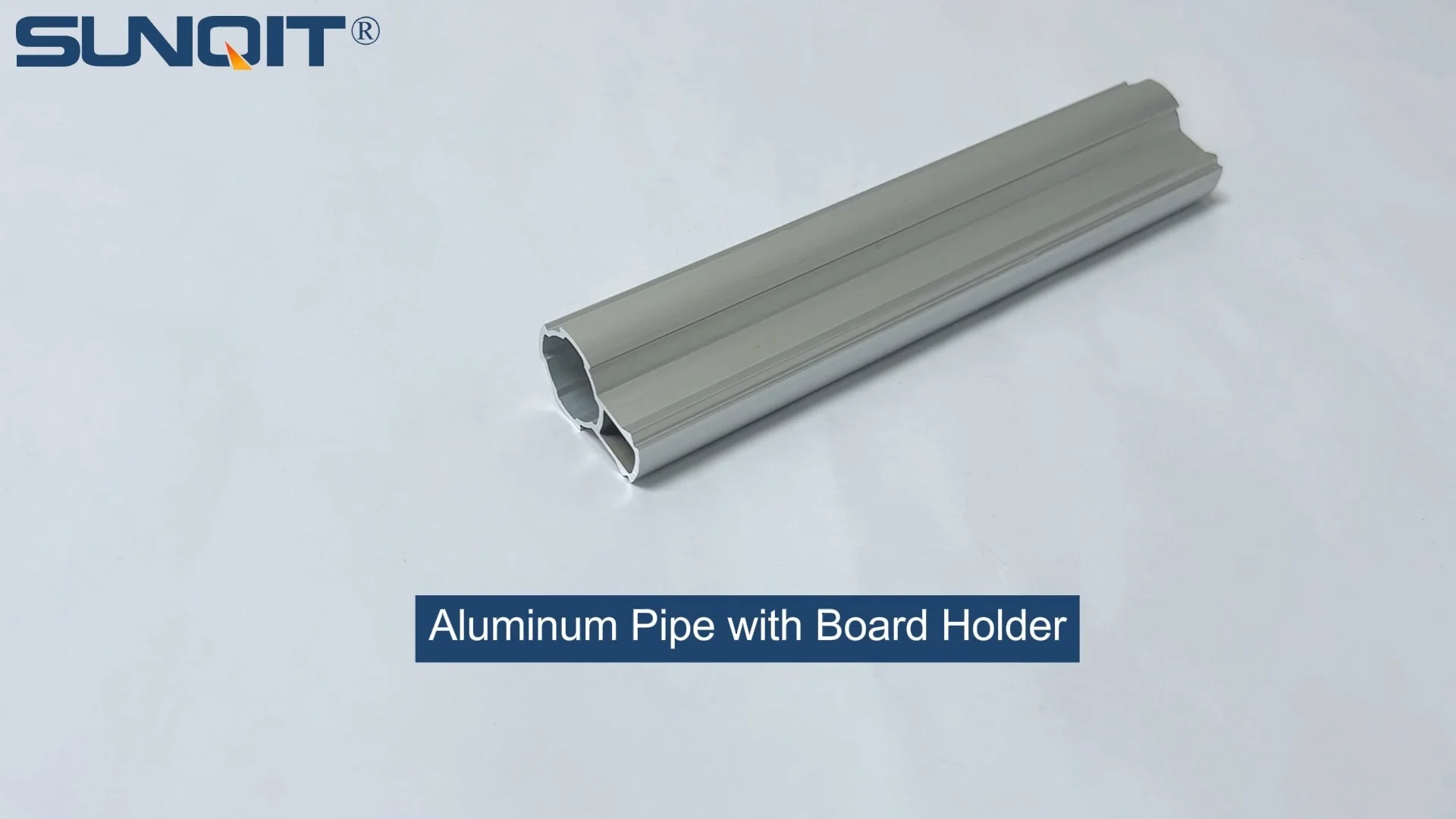
Aluminum Pipe with Board Holder
The linear rolling assembly can be arbitrarily connected in the protruding part of the card slot to increase the rigidity of the track.
Walk into any modern electronics manufacturing facility, and you'll notice a common thread: workspaces that feel both organized and adaptable. From the sleek assembly lines churning out smartphones to the precision workbenches where circuit boards are tested, every element is designed to keep pace with the industry's relentless demand for speed, accuracy, and flexibility. At the heart of this efficiency lies a humble yet transformative tool: the aluminum pipe with board holder. Far more than just a structural component, it's the silent enabler of lean workflows, ESD-safe environments, and customizable production setups that define today's electronics factories. In this article, we'll dive deep into how this unassuming system has become indispensable, exploring its design, benefits, real-world applications, and why it's the go-to choice for manufacturers aiming to stay ahead in a competitive landscape.
The Electronics Manufacturing Challenge: Why Flexibility Matters More Than Ever
Electronics production isn't what it was a decade ago. Product lifecycles have shrunk from years to months—even weeks for consumer gadgets. A factory might produce a smartwatch model in the morning and switch to a fitness tracker by afternoon. This rapid turnover demands production lines that can adapt on the fly, without sacrificing precision or safety. Traditional fixed workstations, built with rigid steel or bulky plastic, simply can't keep up. They're expensive to reconfigure, heavy to move, and often fail to meet the strict ESD (Electrostatic Discharge) requirements critical for protecting sensitive components like microchips and semiconductors.
Consider the stakes: A single static discharge can damage a circuit board worth hundreds of dollars, or worse, lead to product failures in the field. Meanwhile, inefficient workflows—like operators reaching across cluttered workbenches or wasting time searching for tools—erode profit margins. Lean manufacturing principles, which focus on minimizing waste and maximizing value, have become the gold standard, but implementing them requires tools that align with this philosophy. Enter the aluminum pipe with board holder: a modular system designed to grow, change, and evolve with your production needs.
What Is an Aluminum Pipe with Board Holder, Exactly?
At its core, an aluminum pipe with board holder is a modular building system composed of lightweight aluminum pipes (or profiles), board holders, and a range of accessories—think joints, brackets, casters, and shelves. The "board holder" itself is a simple yet clever attachment that secures materials like PCBs, component trays, or instruction manuals to the aluminum frame, keeping them within easy reach of operators. But what truly sets this system apart is its versatility. Unlike fixed steel frames, these pipes and holders can be assembled, disassembled, and reconfigured in minutes, using nothing more than basic hand tools. It's like building with industrial-grade Legos, but for factories.
The aluminum pipes, often referred to as aluminum profiles, are typically extruded—meaning they're shaped by forcing aluminum through a die—to create uniform, strong, and lightweight tubes. Many feature T-slots along their length, which allow accessories like board holders, shelves, or tool hooks to be attached anywhere along the pipe without drilling or welding. This T-slot design is a game-changer: it turns a static pipe into a dynamic platform that can adapt to new tools, larger components, or shifted workflows in seconds.
Board holders, too, are designed with flexibility in mind. They come in various sizes to accommodate different board types—from small PCBs to large assembly guides—and can be adjusted vertically or horizontally to suit operator ergonomics. Some are even ESD-safe, made from conductive materials that dissipate static electricity, ensuring sensitive electronics are protected at every step of the production process.

Why Aluminum? The Material Science Behind the Choice
You might wonder: Why aluminum, and not steel, plastic, or wood? The answer lies in aluminum's unique combination of properties that make it ideal for electronics manufacturing. Let's break it down:
- Lightweight yet strong: Aluminum is about one-third the weight of steel, making assembled systems easy to move (even with casters) and reconfigure. Yet it's strong enough to support heavy loads—think stacks of PCBs, power tools, or testing equipment—without bending or warping.
- Corrosion resistance: Unlike steel, aluminum naturally forms a protective oxide layer that resists rust and corrosion. This is critical in electronics facilities, where humidity control is essential, and exposure to cleaning agents is common.
- ESD compatibility: Aluminum is conductive, which means it can be grounded to dissipate static electricity. When paired with ESD-safe board holders and accessories, it creates a workstation that protects sensitive components from electrostatic damage—a non-negotiable in electronics production.
- Cost-effective in the long run: While aluminum systems may have a higher upfront cost than plastic, they last significantly longer and require less maintenance. Their modularity also means you won't need to replace entire workstations when workflows change—just swap out a few pipes or holders.
To put this in perspective, let's compare aluminum to other common materials used in manufacturing setups. The table below highlights key differences:
| Material | Weight (Per Meter, 20mm Diameter) | ESD Compatibility | Durability | Assembly Time (Basic Workstation) | Long-Term Cost (5-Year Lifespan) |
|---|---|---|---|---|---|
| Aluminum Pipe | 0.8kg | High (when grounded) | Excellent (resists corrosion, minimal wear) | 30 minutes | Medium (low maintenance, reconfigurable) |
| Steel Pipe | 2.4kg | Medium (requires additional grounding) | Good (prone to rust without coating) | 2 hours (requires welding/drilling) | High (heavy, hard to reconfigure; replacement needed for new workflows) |
| Plastic Pipe | 0.5kg | Low (insulative; may generate static) | Poor (prone to cracking, warping in heat) | 45 minutes (fragile joints) | High (frequent replacement due to wear) |
| Wooden Frame | 1.2kg | Very Low (insulative, static risk) | Poor (susceptible to moisture, warping) | 1 hour (requires cutting, screwing) | Very High (needs replacement every 1-2 years) |
The data speaks for itself: aluminum strikes the perfect balance of weight, durability, and functionality for electronics production. It's no wonder that 78% of electronics manufacturers surveyed in a 2024 industry report cited "modular aluminum systems" as a key investment in their lean transformation efforts.

From Workbench to Assembly Line: Real-World Applications in Electronics
To understand the impact of aluminum pipe with board holder systems, let's step into a typical electronics factory and see how they're used in action. We'll follow a hypothetical but realistic workflow, from PCB assembly to final testing, and spot where these systems shine.
1. The ESD Workstation: Protecting Sensitive Components
The first stop is the PCB assembly area, where operators handle bare circuit boards and microchips. Here, ESD safety is paramount. The workstations here are built using aluminum pipes with ESD-safe board holders. The aluminum frame is grounded via a conductive cable to the factory's ESD matting, ensuring any static charge from operators or tools is dissipated harmlessly into the ground. The board holder, made from a conductive plastic composite, securely holds the PCB at a 45-degree angle—ergonomic for the operator, who can now solder components without straining their neck. T-slots along the aluminum pipes hold anti-static tool organizers, ensuring soldering irons, tweezers, and flux pens are always within arm's reach. When a new PCB model with a larger size arrives next month, the team simply adjusts the board holder's width and adds an extra shelf to the aluminum frame—no need for a new workstation.
2. Lean Material Racks: Streamlining Component Flow
Next, we move to the material storage area, where components like resistors, capacitors, and connectors are kept before assembly. Here, aluminum pipe systems are used to build flow racks—tilted shelves with roller tracks that allow component bins to slide forward as the front bin is emptied (a classic lean "first-in, first-out" system). The racks are constructed with aluminum profiles and roller track accessories, and board holders are repurposed as label holders, displaying part numbers and quantities for quick identification. Since the racks are modular, adding a new shelf for a new component type takes 10 minutes: just cut an aluminum pipe to length, attach it with a 90-degree aluminum joint, and snap in a roller track. No more waiting for custom steel racks to be fabricated.
3. Mobile Assembly Carts: Adapting to Dynamic Lines
Further down the line, we encounter mobile assembly carts built with aluminum pipes, casters, and board holders. These carts are used to transport partially assembled products between workstations. The aluminum frame keeps the cart lightweight enough for one person to push, even when loaded with 50kg of circuit boards. Board holders on the cart's sides hold assembly instructions and checklists, while a small shelf (attached via T-slot brackets) carries tools. When production shifts to a new product with different dimensions, the cart is reconfigured: the board holders are moved higher, the shelf is adjusted, and a new divider is added using a parallel aluminum joint. In a steel-cart setup, this would require welding new brackets or buying a new cart—costing time and money.
The Lean Connection: How Aluminum Pipes Drive Waste Reduction
Lean manufacturing is all about eliminating waste—whether it's time, materials, or space. Aluminum pipe with board holder systems align perfectly with this philosophy, addressing three key types of waste in electronics production: muda (unnecessary steps), mura (inconsistency), and muri (overburden).
Eliminating Muda (Wasted Time): Traditional workstations often require operators to walk to storage areas, search for tools, or adjust their posture to reach components—all non-value-added steps. With aluminum pipe systems, board holders keep components at eye level, T-slot accessories organize tools, and mobile carts bring materials directly to the line. A study by the Lean Manufacturing Institute found that factories using modular aluminum workstations reduced operator movement by 40%, cutting assembly time per unit by an average of 15%.
Reducing Mura (Inconsistency): Inconsistent workstations—some too high, some too low, some cluttered—lead to inconsistent output quality. Aluminum systems standardize workflows: every workstation can be built to the same ergonomic specifications, with board holders and shelves in identical positions. This consistency reduces errors and training time for new operators, who can step into any workstation and know exactly where to find tools and components.
Alleviating Muri (Overburden): Heavy steel workstations or awkwardly placed components force operators into strained positions, leading to fatigue and injuries. Aluminum's lightweight nature makes workstations easy to adjust (even with casters), and board holders can be positioned to minimize reaching or bending. This not only improves operator well-being but also reduces downtime due to injuries—a critical factor in high-volume electronics production.
Perhaps the most powerful lean benefit, though, is the ability to implement "just-in-time" reconfiguration. When a new product is introduced, instead of shutting down the line for days to rebuild workstations, teams can reconfigure aluminum systems in hours. For example, a smartphone manufacturer switching from a 6-inch to a 7-inch model might need wider board holders and taller shelves. With aluminum pipes, this means loosening a few joints, swapping out the holders, and adding a new aluminum profile—done by lunchtime, with production resuming in the afternoon.
Accessories: Turning a Pipe into a Production Powerhouse
What truly makes aluminum pipe with board holder systems versatile is their ecosystem of accessories. These add-ons transform basic pipes into fully functional workstations, racks, or carts tailored to specific tasks. Let's explore some of the most essential accessories and how they enhance the system:
Joints and Connectors: The Building Blocks of Flexibility
Joints are the unsung heroes of modular aluminum systems. They come in dozens of configurations to connect pipes at different angles: 90-degree joints for corners, 45-degree joints for slopes, T-joints for branching, and internal rotary joints that allow pipes to swivel (useful for adjustable board holders). Most joints are designed to snap into T-slots or clamp onto pipes, requiring no tools beyond a hex key. For example, the internal rotary aluminum joint lets a board holder rotate 180 degrees, so operators can flip a PCB from front to back without removing it from the holder.
Casters and Leveling Feet: Mobility and Stability
Casters (or caster wheels) turn static workstations into mobile carts, while leveling feet keep fixed workbenches stable on uneven floors. Aluminum pipe systems use casters with brake locks to secure carts in place during assembly, and heavy-duty options can support up to 150kg per caster. Leveling feet, often with anti-slip rubber bases, ensure workbenches don't wobble—critical for precision tasks like soldering or testing.
Roller Tracks and Guides: Streamlining Material Flow
Roller tracks, made from aluminum or plastic, are used in flow racks and conveyor systems to move components or products smoothly. They attach to aluminum profiles via placon mounts (brackets that slide into T-slots), and accessories like end stops prevent bins from sliding off the rack. For electronics production, plastic roller tracks in ESD-safe colors (like black) are popular, as they dissipate static while reducing noise compared to metal tracks.
Workbench Tops and Panels: Adding Functionality
Aluminum pipe frames are often paired with workbench tops made from materials like aluminum honeycomb panels (lightweight and rigid) or ESD-safe laminate. These tops attach to the aluminum frame via brackets, and board holders can be mounted directly to the frame or the top's edge. Some workbenches even include built-in cable management—channels in the aluminum profiles that hide power cords and, keeping the workspace clutter-free.
Overcoming Common Misconceptions
Despite its benefits, some manufacturers hesitate to adopt aluminum pipe systems due to common misconceptions. Let's address a few:
"Aluminum is too flimsy for heavy loads."
This couldn't be further from the truth. While aluminum is lighter than steel, its strength-to-weight ratio is exceptional. A 20mm diameter aluminum pipe with a 2mm wall thickness can support over 100kg when properly braced. In electronics production, where most components weigh less than 1kg, this is more than sufficient. For heavier loads (like testing equipment), manufacturers can opt for thicker-walled aluminum profiles or reinforce joints with gusset plates—accessories specifically designed to add strength to connections.
"Modular systems are too expensive upfront."
It's true: a basic aluminum pipe workstation may cost 20-30% more upfront than a wooden or plastic alternative. But the ROI becomes clear within months. For example, a factory producing 10,000 units per month that reduces setup time by 1 hour per shift (thanks to quick reconfigurations) saves approximately 20 hours per month—equivalent to 240 hours per year. At an average labor cost of $25 per hour, that's $6,000 in annual savings, far outweighing the initial price difference. Plus, aluminum systems last 5-10 years, while plastic or wooden setups need replacement every 1-2 years.
"They're hard to clean and maintain."
Aluminum's smooth, non-porous surface makes it easy to clean with mild detergents or alcohol wipes—important in electronics facilities where dust and debris can damage components. Unlike steel, it doesn't require painting or rust treatment, and joints rarely loosen over time (though a quick check with a hex key every few months is recommended). Even in high-humidity environments, aluminum's natural oxide layer prevents corrosion, so maintenance is minimal.
The Future of Electronics Production: Where Aluminum Pipe Systems Are Headed
As electronics manufacturing continues to evolve—with trends like miniaturization, IoT integration, and smart factories—aluminum pipe with board holder systems are evolving too. Manufacturers are now offering aluminum profiles with integrated sensors that monitor weight (to track component usage) or vibration (to alert operators to unstable workbenches). Some are even developing "smart" board holders with RFID tags that track which PCBs are on a workstation, feeding data to production management software for real-time workflow optimization.
Sustainability is another growing focus. Aluminum is 100% recyclable, and modular systems reduce waste by extending the lifespan of production equipment. Many suppliers now offer eco-friendly packaging for aluminum pipes and accessories, and some even take back old systems for recycling—a selling point for manufacturers aiming to reduce their carbon footprint.
Finally, customization is becoming more accessible. With the rise of 3D printing, suppliers can now offer custom board holders or brackets tailored to unique component shapes, printed in ESD-safe materials and delivered in days. This means even niche electronics manufacturers—like those building medical devices or aerospace components—can benefit from the flexibility of aluminum pipe systems.
Conclusion: More Than a Pipe—A Catalyst for Manufacturing Excellence
Aluminum pipe with board holder systems may not grab headlines like the latest semiconductor or AI-powered robot, but they're the unsung heroes of modern electronics production. They embody the industry's shift toward agility, safety, and efficiency, turning static factories into dynamic ecosystems that can adapt to new products, new processes, and new challenges. Whether it's protecting a $1,000 PCB from static damage, reducing setup time by 50%, or enabling a small team to compete with industry giants, these systems deliver tangible value that goes far beyond their humble appearance.
For electronics manufacturers, the message is clear: investing in aluminum pipe with board holder systems isn't just about buying tools—it's about building a foundation for innovation. In an industry where the only constant is change, flexibility isn't a luxury; it's survival. And with aluminum pipe systems, that flexibility is built right in—one joint, one bracket, one board holder at a time.