- Company Articles
- Products and Technology
- Product knowledge
- Aluminum Pipe with Board Holder in Food Processing: Sanitary Design

Aluminum Pipe with Board Holder in Food Processing: Sanitary Design
Related Product
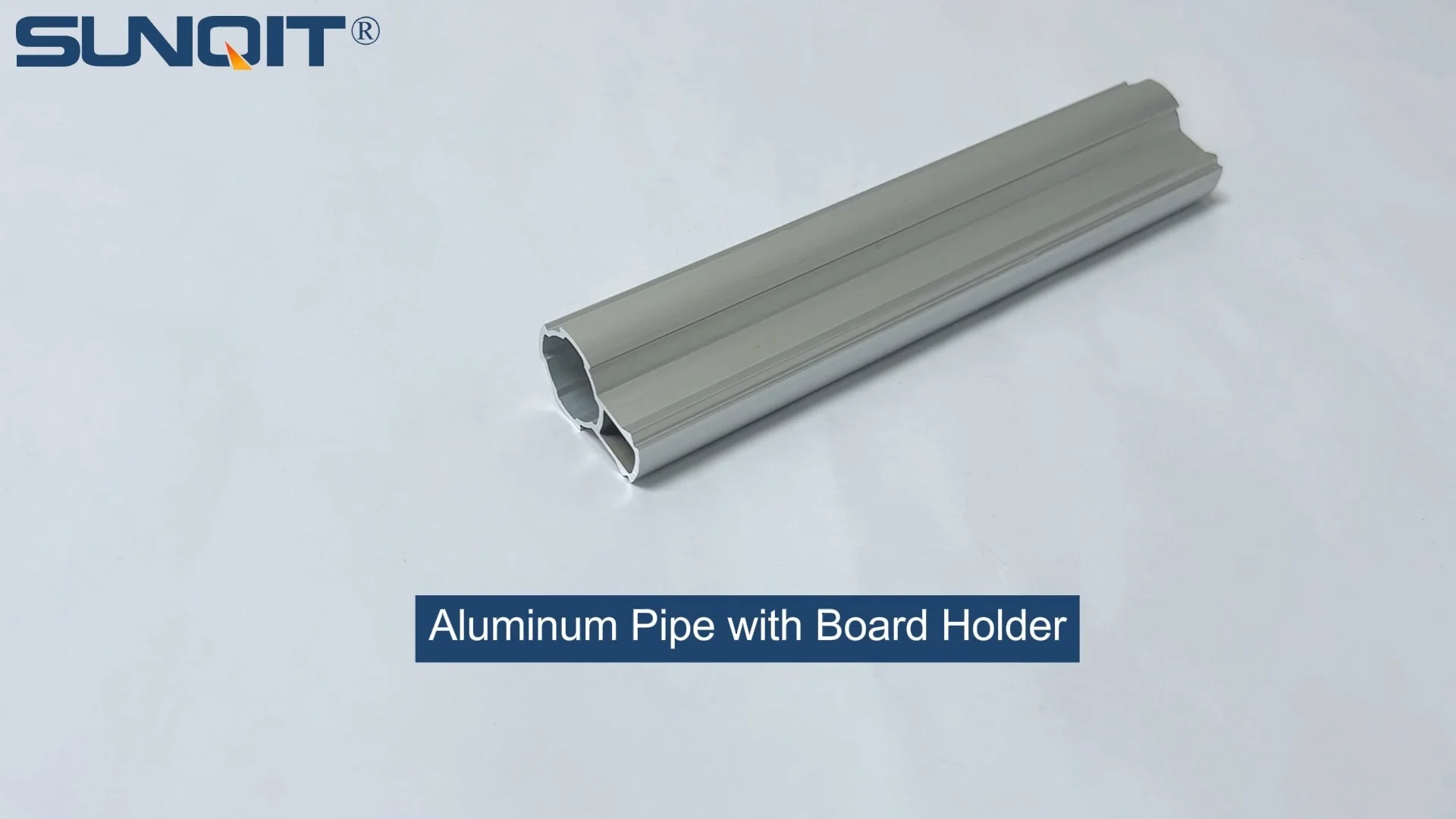
Aluminum Pipe with Board Holder
The linear rolling assembly can be arbitrarily connected in the protruding part of the card slot to increase the rigidity of the track.
How the right material and design choices transform daily operations in food manufacturing
The Hidden Challenge in Food Processing: Balancing Speed, Safety, and Sanitation
Walk into any food processing facility, and you'll immediately sense the rhythm: the hum of conveyors, the precise movements of workers assembling packages, the steady flow of ingredients from one station to the next. Every second counts here—margins are tight, and consumer demand for fresh, safe products is non-negotiable. But beneath that efficiency lies a silent pressure: keeping everything clean . Not just "wipe it down at the end of the day" clean, but "meet FDA, USDA, and HACCP standards" clean. The stakes are high: a single oversight in sanitation can lead to contamination, recalls, or worse, damaged trust with customers.
For years, many facilities relied on traditional materials like wood, plastic, or even standard steel for workbenches, material racks, and conveyor systems. But anyone who's scrubbed a wooden workbench knows the struggle: tiny cracks where bacteria hide, surfaces that warp with repeated washing, or metal that rusts when exposed to water and cleaning chemicals. These materials weren't designed for the relentless demands of food processing—where "washdown" isn't a occasional task but a daily ritual.
Enter aluminum lean pipe and its components, like board holders. In recent years, this material has quietly revolutionized how food processors approach both efficiency and sanitation. It's not just about swapping one pipe for another; it's about reimagining workspaces that work with cleaning protocols, not against them. Let's dive into why aluminum lean pipe with board holders has become a game-changer, and how it addresses the unique challenges of food processing environments.
Why Aluminum? The Material That Checks All the Sanitation Boxes
At first glance, aluminum might seem like an unlikely hero. It's lightweight, often associated with soda cans or window frames, not heavy-duty industrial use. But in food processing, its properties shine in ways other materials can't match. Let's break it down:
Non-porous and corrosion-resistant: Unlike wood, which absorbs liquids and harbors bacteria, or standard steel, which rusts when exposed to moisture, aluminum is naturally resistant to corrosion. Its smooth, non-porous surface leaves nowhere for food particles, oils, or bacteria to cling. Wipe it down with a sanitizing solution, and you're left with a surface that's truly clean—no hidden crevices, no stubborn stains.
Lightweight but surprisingly strong: Food processing workbenches and material racks need to hold heavy loads—bags of flour, cases of finished product, or bulky mixing equipment. Aluminum lean pipe, reinforced with high-quality aluminum profile accessories, strikes the perfect balance: it's light enough to reconfigure workstations on the fly (no need for heavy machinery to move a workbench) but strong enough to handle daily wear and tear. This flexibility is a lifesaver in facilities where production lines change seasonally or new products require layout tweaks.
Compatible with harsh cleaning agents: Ever noticed how some plastics become brittle after repeated exposure to bleach or industrial sanitizers? Aluminum laughs that off. It stands up to the toughest cleaning chemicals—from alkaline detergents to acidic degreasers—without fading, cracking, or degrading. For facilities that use high-pressure hoses or steam for deep cleaning, this durability is non-negotiable.
But aluminum alone isn't enough. The magic happens when it's paired with thoughtful design—specifically, components like board holders. These simple yet ingenious additions turn basic aluminum pipes into customized workspaces that prioritize both functionality and sanitation. Let's take a closer look at how they work.

Aluminum Pipe with Board Holder: Design That Thinks Like a Food Processor
Imagine a workbench where the surface isn't bolted down permanently, but instead sits securely on a frame of aluminum lean pipes, held in place by board holders. When it's time to clean, you can quickly remove the board, wipe down the frame, sanitize the board separately, and reassemble—all in minutes. No more kneeling under a fixed bench to scrub hard-to-reach corners. No more worrying about water pooling between the board and the frame. That's the difference aluminum pipe with board holder brings to the table.
Board holders are designed with simplicity in mind: they're typically clamp-style or slot-in attachments that secure wooden, plastic, or stainless steel boards to an aluminum frame. But their real genius lies in the details. Many are made from the same corrosion-resistant aluminum as the pipes, so they won't rust or harbor bacteria. The connections are tight but not permanent—just enough to keep the board stable during use, but easy to release when cleaning is needed. Some even feature rounded edges to prevent snags on gloves or packaging materials, a small touch that reduces daily frustrations for workers.
Take, for example, a bakery that produces artisanal bread. Their dough-prep workbenches need to be large enough to handle batches of dough, but also easy to sanitize between shifts. With aluminum lean pipe frames and removable wooden boards (sealed with food-grade finish), workers can quickly swap out boards if one gets too messy, or take the entire surface off to scrub the frame. The aluminum pipes themselves? A quick wipe with a sanitizing cloth, and they're ready for the next batch. No more waiting for a wooden bench to dry or worrying about water damage.
But customization doesn't stop at workbenches. Aluminum pipe with board holders can be adapted into material racks, too. A snack food facility might use them to create tiered racks for holding bags of chips before packaging—each tier's board can be removed to clean underneath, ensuring crumbs don't accumulate. Or a meat processing plant could use them to build temporary workstations during peak seasons, then disassemble and sanitize the components when not in use. The modularity of aluminum lean pipe means these systems grow and change with the facility's needs, without sacrificing sanitation.

Sanitary Design Elements: The Details That Make a Big Difference
When it comes to food safety, the smallest details matter. That's why aluminum lean pipe systems are engineered with "sanitary design" principles baked in—features that make cleaning easier, reduce contamination risks, and ensure compliance with regulations. Let's unpack the most critical ones:
Smooth, crevice-free surfaces: Traditional steel frames often have welded joints or threaded connections that create tiny gaps—perfect hiding spots for bacteria. Aluminum lean pipe systems, by contrast, use aluminum pipe accessories like friction-fit joints or smooth connectors that leave no room for debris to accumulate. Run your hand along an aluminum frame, and you'll feel nothing but continuous, even surfaces. This isn't just about aesthetics; it's about eliminating "microbiological niches"—the term food safety experts use for places where pathogens can survive and multiply.
Quick-disconnect components: In a busy facility, downtime for cleaning is costly. Aluminum pipe systems are built to be taken apart and reassembled quickly, without special tools. A worker can disconnect a board holder, remove a section of roller track , or detach a caster wheel in seconds, making deep cleaning faster and more thorough. For example, a conveyor system with aluminum roller tracks can have individual rollers removed to clean underneath, ensuring no food particles get trapped in the mechanism.
Compatibility with food-grade materials: Board holders aren't limited to wood. Many facilities opt for food-grade plastic or stainless steel boards, which can withstand high-temperature washing or even sanitization in industrial dishwashers. Aluminum frames pair seamlessly with these materials, creating a system where every component meets FDA standards for food contact.
Resistance to temperature and moisture: Food processing isn't just wet—it's often humid, with temperature fluctuations (think: cold storage for meat, warm drying rooms for baked goods). Aluminum handles these extremes without warping, cracking, or losing structural integrity. Unlike plastic, which can become brittle in cold environments, or wood, which swells in humidity, aluminum remains stable, ensuring the system stays safe and functional year-round.
Beyond Sanitation: The Unexpected Benefits of Aluminum Lean Pipe Systems
While sanitation is the star here, aluminum pipe with board holder systems offer perks that go beyond keeping facilities clean. For food processors, these benefits add up to real, bottom-line improvements:
Longevity that saves money: Aluminum might have a higher upfront cost than plastic or wood, but it lasts significantly longer. A well-maintained aluminum lean pipe frame can serve a facility for 10+ years, compared to 2-3 years for a wooden workbench or 3-5 years for plastic. When you factor in replacement costs and downtime for repairs, aluminum often comes out ahead financially.
Flexibility to adapt: Food trends change fast. One year, a facility might be producing gluten-free snacks; the next, plant-based meats. Aluminum systems are modular, meaning you can reconfigure workbenches, racks, or conveyor paths without buying entirely new equipment. Add a few extra pipes, swap out a board holder for a taller one, or adjust the height of a roller track—all in a day's work. This adaptability reduces the need for capital investments in new infrastructure.
Ergonomics that boost morale: Happy workers are efficient workers. Aluminum's lightweight nature makes it easy to adjust workbench heights or move material racks to reduce bending or reaching. A worker who doesn't have to strain to reach ingredients or bend awkwardly to clean under a bench is less likely to get injured and more likely to stay focused. Over time, this can lower turnover and reduce workers' compensation claims.
To put this in perspective, let's look at a case study: a mid-sized fruit processing facility in California. They switched from wooden workbenches and steel racks to aluminum lean pipe systems with board holders three years ago. Their sanitation manager reported a 30% reduction in time spent cleaning workstations, and the maintenance team noted zero rust-related repairs in that period. Perhaps most telling? The production line foreman mentioned that workers were "less frustrated" during cleaning shifts, leading to faster turnarounds between batches. All of these improvements translated to a 15% increase in daily output—proof that better design leads to better results.
Comparing Materials: Why Aluminum Lean Pipe Stands Out
Still wondering if aluminum is the right choice for your facility? Let's compare it to other common materials used in food processing. The table below breaks down key factors like sanitation, durability, cost, and flexibility:
| Material | Sanitation | Durability | Cost (Lifespan) | Flexibility |
|---|---|---|---|---|
| Aluminum Lean Pipe | Excellent: Non-porous, easy to clean, corrosion-resistant | High: 10+ years with minimal maintenance | Higher upfront, lower long-term (no frequent replacements) | High: Modular, easy to reconfigure |
| Wood (Sealed) | Poor: Cracks and pores trap bacteria; warps with water | Low: 2-3 years before replacement needed | Low upfront, high long-term (frequent replacements) | Low: Fixed design, hard to modify |
| Plastic | Good: Non-porous, but can scratch easily; some plastics degrade with harsh chemicals | Medium: 3-5 years; prone to cracking in cold or UV exposure | Medium upfront, medium long-term (occasional replacements) | Medium: Some modular options, but less sturdy than aluminum |
| Stainless Steel | Excellent: Similar to aluminum, but heavier | High: 15+ years, but prone to dents | Very high upfront, high long-term (expensive to modify) | Low: Heavy, hard to reconfigure without welding |
As the table shows, aluminum strikes a unique balance: it matches stainless steel's sanitation and durability but offers far more flexibility at a lower cost. For facilities that need to stay agile while meeting strict safety standards, it's hard to beat.
Practical Tips for Implementing Aluminum Pipe with Board Holder Systems
Ready to make the switch? Here are a few tips to ensure your aluminum lean pipe system works as hard as your team does:
Start small, then scale: You don't need to overhaul your entire facility at once. Begin with a high-traffic area, like a packaging workbench or a material rack near the production line. Use that as a test case to see how the system performs, then expand to other areas based on feedback.
Train your team on care: Aluminum is durable, but it still needs love. Teach workers to avoid using abrasive scrubbers (which can scratch the surface) and to dry the pipes after washing to prevent water spots. Simple habits like these will extend the life of your system.
Invest in quality accessories: Cheap board holders or connectors can undo the benefits of aluminum. Look for accessories made from food-grade aluminum or stainless steel, with smooth edges and secure clamping mechanisms. A few extra dollars upfront will save you from replacing flimsy parts later.
Work with a supplier who understands food processing: Not all aluminum lean pipe suppliers are created equal. Find one with experience in food manufacturing—they'll know which designs work best for washdown environments, which accessories are most durable, and how to customize systems to your specific needs.
Final Thoughts: Sanitation as a Foundation, Not an Afterthought
Food processing is a business of details. It's about the temperature of a oven, the timing of a conveyor belt, and yes, the cleanliness of a workbench. Aluminum pipe with board holder systems don't just check a box for sanitation—they redefine what's possible, turning a daily chore into a seamless part of operations. They let workers focus on what they do best: creating safe, high-quality food products, without being held back by outdated equipment.
At the end of the day, a facility's most valuable asset isn't its machinery or its ingredients—it's the trust of its customers. When you invest in systems that prioritize sanitation, you're investing in that trust. And in a world where consumers care more than ever about how their food is made, that's an investment that pays dividends for years to come.
So the next time you walk through a food processing facility, take a closer look at the workbenches and racks. Chances are, if they're made of aluminum, with those simple yet clever board holders, you're seeing a facility that's not just keeping up with standards—but setting them.