- Company Articles
- Products and Technology
- Product knowledge
- Aluminum Pipe with Board Holder in Medical Device Assembly

Aluminum Pipe with Board Holder in Medical Device Assembly
Related Product
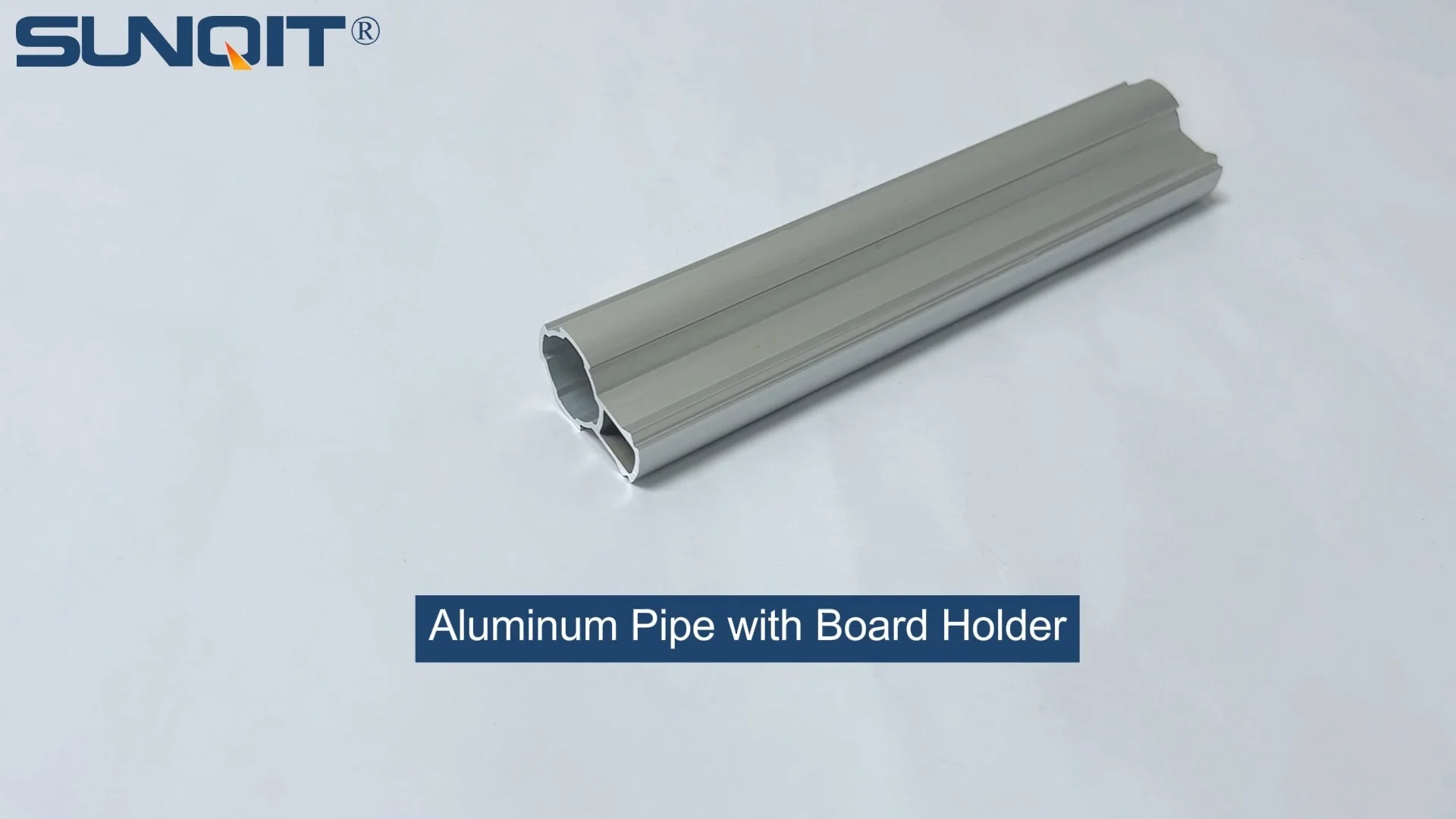
Aluminum Pipe with Board Holder
The linear rolling assembly can be arbitrarily connected in the protruding part of the card slot to increase the rigidity of the track.
In the world of medical device manufacturing, every detail matters. From the tiniest screw in a pacemaker to the casing of a surgical instrument, precision isn't just a goal—it's a requirement. Patients' lives depend on the reliability of these devices, and regulatory bodies like the FDA set rigorous standards that leave no room for error. But here's the thing: even the most skilled technicians can't perform at their best if their workspace isn't designed to support their needs. That's where tools like the aluminum pipe with board holder come in, quietly transforming assembly lines from rigid, frustrating setups into dynamic, efficient hubs of innovation.
The Hidden Challenges of Medical Assembly Lines
Walk into any medical device assembly facility, and you'll notice a few common themes: sterile environments, meticulous documentation, and teams focused on meeting tight deadlines. What you might not see, though, are the daily struggles that can slow down production or compromise quality. Traditional assembly lines often rely on fixed workstations—heavy, immovable structures that make it hard to adapt when product designs change or new devices are introduced. Add in the need for electrostatic discharge (ESD) protection to safeguard sensitive electronic components, and the challenge becomes even more complex. How do you balance flexibility, safety, and efficiency in a space where every square inch counts?
This is where lean manufacturing principles step in, emphasizing waste reduction, continuous improvement, and adaptability. But lean systems are only as effective as the tools that support them. Enter the aluminum pipe with board holder—a simple yet powerful solution that's redefining how medical device assembly lines are built and operated.
Aluminum Pipe with Board Holder: More Than Just a Workbench
At first glance, an aluminum pipe with a board holder might seem like a basic piece of equipment. It's essentially a frame made of lightweight aluminum pipes, connected by durable joints, with a flat board (often ESD-safe) mounted on top. But its simplicity is its strength. Unlike fixed steel workbenches or bulky plastic structures, this system is designed to be reconfigured in minutes, not days. Need to adjust the height of the work surface for a new device? Swap out a few pipes. Want to add a shelf for tools? Attach a board holder at the desired level. It's modularity at its finest, and in the fast-paced world of medical manufacturing, that flexibility is invaluable.
But why aluminum? Medical device assembly environments demand materials that can withstand frequent cleaning, resist corrosion, and maintain structural integrity over time. Aluminum checks all these boxes. It's lightweight enough to be moved (when needed) but strong enough to support heavy components like surgical instrument housings or diagnostic machine parts. Its natural resistance to rust makes it ideal for sterile environments, where harsh disinfectants are part of daily operations. And unlike steel, it doesn't require painting or coating to stay looking new—saving time and reducing maintenance costs in the long run.

Key Benefits: Why Medical Manufacturers Are Making the Switch
The shift toward aluminum pipe with board holder systems isn't just a trend—it's a response to real pain points in medical device assembly. Let's break down the benefits that are making it a staple in facilities worldwide:
- Flexibility Without Compromise: Medical device manufacturers rarely produce the same product line for years on end. New devices are developed, regulations change, and production volumes fluctuate. With aluminum pipe systems, reconfiguring a workstation takes hours, not weeks. A team assembling insulin pumps today can be repurposed to build wearable monitors tomorrow, with minimal downtime.
- ESD Protection for Sensitive Components: Many medical devices, from pacemakers to MRI machine sensors, contain delicate electronics that are vulnerable to electrostatic discharge. The board holders in these systems are often made from ESD-safe materials, dissipating static charges and protecting components from damage. This isn't just a convenience—it's a compliance requirement in many cases.
- Durability That Stands Up to Daily Use: In a busy assembly line, equipment takes a beating. Dropped tools, constant cleaning, and heavy loads can wear down lesser materials. Aluminum's strength-to-weight ratio ensures that these systems hold up, even in high-traffic areas. Many manufacturers report using the same aluminum pipe frames for a decade or more, with only minor part replacements.
- Cost-Effective in the Long Run: While the upfront cost of aluminum systems might be slightly higher than basic steel or plastic workbenches, the savings add up. Reduced maintenance, faster reconfiguration times, and longer lifespans mean lower total cost of ownership over time. For small to mid-sized manufacturers, this can free up budget for other critical areas like R&D or quality control.

Integration with Lean Systems and ESD Workstations
Lean manufacturing isn't just about cutting costs—it's about creating a workflow that empowers teams to do their best work. Aluminum pipe with board holder systems align perfectly with this philosophy. Take 5S, for example—a lean methodology focused on sorting, setting in order, shining, standardizing, and sustaining. These systems make "setting in order" effortless: tools can be mounted directly on the board holder, materials stored at eye level, and workspaces kept clutter-free. When everything has a place, employees spend less time searching and more time assembling.
ESD workstations are another critical component of medical device assembly, and aluminum pipe systems complement them seamlessly. Many suppliers offer ESD-safe board holders, conductive joints, and even anti-static casters (for mobile workstations) that integrate with existing ESD protocols. This means sensitive components like printed circuit boards (PCBs) can be assembled without the risk of static damage, reducing scrap rates and ensuring product reliability.
Practical Applications: From Workbenches to Material Racks
The versatility of aluminum pipe with board holder systems means they're used for more than just workstations. Here are a few common applications in medical device assembly:
- Assembly Workstations: The most obvious use, these setups include a flat board holder for assembling devices, with overhead racks for tools and under-shelf storage for components. Height-adjustable designs ensure ergonomic comfort for workers, reducing fatigue during long shifts.
- Material Racks: Storing raw materials like aluminum profiles, screws, or circuit boards efficiently is key to reducing waste. Aluminum pipe material racks with board holders can be customized with dividers, labels, and even roller tracks (another useful accessory) to create a "first in, first out" (FIFO) system, ensuring components are used before their expiration dates.
- Turnover Trolleys: Moving components between assembly stations can be a logistical headache. Aluminum pipe turnover trolleys, equipped with board holders and casters, are lightweight enough to be pushed by hand but sturdy enough to carry heavy loads. Many are designed to fit through standard doorways, making them ideal for tight facility layouts.
- Inspection Stations: After assembly, devices undergo rigorous inspection. Aluminum pipe systems can be configured with lighting, magnifying glasses, and ESD-safe mats, creating dedicated inspection workstations that meet ISO and FDA standards.
Consider a hypothetical case study: A mid-sized manufacturer of surgical robots was struggling with a rigid assembly line that couldn't keep up with new product iterations. Their fixed steel workstations took weeks to reconfigure, leading to production delays. After switching to aluminum pipe with board holder systems, they reduced reconfiguration time by 75%. The ESD-safe board holders also cut static-related component damage by 40%, saving thousands in scrap costs. Today, their assembly line adapts to new designs in hours, and employee satisfaction has improved—all because they invested in a system that works with their team, not against them.
Technical Specifications: Choosing the Right System for Your Needs
Not all aluminum pipe with board holder systems are created equal. To ensure you're getting the right setup for your medical device assembly needs, consider these key specifications:
| Feature | Typical Specification | Why It Matters |
|---|---|---|
| Aluminum Pipe Diameter | 28mm–40mm (common sizes) | Larger diameters support heavier loads; smaller diameters offer more flexibility for compact setups. |
| Board Holder Material | ESD-safe composite, plywood (coated), or aluminum | ESD-safe materials protect electronics; coated plywood is cost-effective for non-sensitive components. |
| Load Capacity | 50kg–200kg per linear meter | Ensure the system can support your heaviest components (e.g., metal device housings). |
| Joint Type | Internal rotary aluminum joint, 90° aluminum pipe joint | Joints determine stability and reconfigurability; internal rotary joints allow for 360° adjustments. |
| Caster Compatibility | Swivel casters with brakes (for mobile setups) | Brakes prevent movement during assembly; swivel casters improve maneuverability. |
Choosing a Supplier: What to Look For
With so many suppliers offering aluminum pipe systems, it's important to choose one that understands the unique needs of medical device manufacturing. Here are a few key factors to consider:
- Compliance Expertise: The supplier should be familiar with medical industry regulations, such as ISO 13485 and FDA QSR. Ask if their materials meet biocompatibility standards if the system will come into contact with patient-facing devices.
- Customization Options: Off-the-shelf systems might not fit your exact needs. Look for suppliers that offer custom lengths, board holder materials, and accessory packages (e.g., ESD kits, lighting).
- Technical Support: Reconfiguring a system for the first time can be intimidating. A good supplier will provide assembly guides, video tutorials, or even on-site training to help your team get up to speed.
- Lead Times: Medical device production can't wait for delayed shipments. Choose a supplier with a track record of on-time deliveries, especially for critical components like ESD board holders.
The Future of Aluminum Pipe Systems in Medical Manufacturing
As medical device technology advances—with smaller, more complex devices and stricter regulations—the demand for flexible, compliant assembly solutions will only grow. Aluminum pipe with board holder systems are poised to evolve alongside these changes. We're already seeing innovations like smart board holders with built-in sensors that track component usage, or aluminum profiles with integrated cable management to reduce clutter. Sustainability is also a focus: many suppliers now offer recycled aluminum options, aligning with the industry's push toward greener manufacturing practices.
But perhaps the most exciting development is the democratization of these systems. What was once seen as a "luxury" for large manufacturers is now accessible to smaller facilities, thanks to competitive pricing and modular designs. This means more medical device companies can prioritize efficiency, safety, and adaptability—ultimately leading to better products for patients.
Conclusion: Building a Better Assembly Line, One Pipe at a Time
In the high-stakes world of medical device assembly, every tool, every workstation, and every process plays a role in patient safety. Aluminum pipe with board holder systems might not be the most glamorous technology in the facility, but their impact is undeniable. They're flexible enough to keep up with innovation, durable enough to withstand daily use, and safe enough to protect the most sensitive components. For manufacturers looking to streamline operations, reduce waste, and build a lean, future-ready assembly line, they're not just a purchase—they're an investment in better care.
So, the next time you walk through a medical device assembly facility, take a closer look at those unassuming aluminum frames. Behind their simplicity lies a story of efficiency, adaptability, and a commitment to excellence—one that ultimately benefits patients, employees, and the future of healthcare.