- Company Articles
- Products and Technology
- Product knowledge
- Aluminum Pipe with Board Holder in Renewable Energy Plants

Aluminum Pipe with Board Holder in Renewable Energy Plants
Related Product
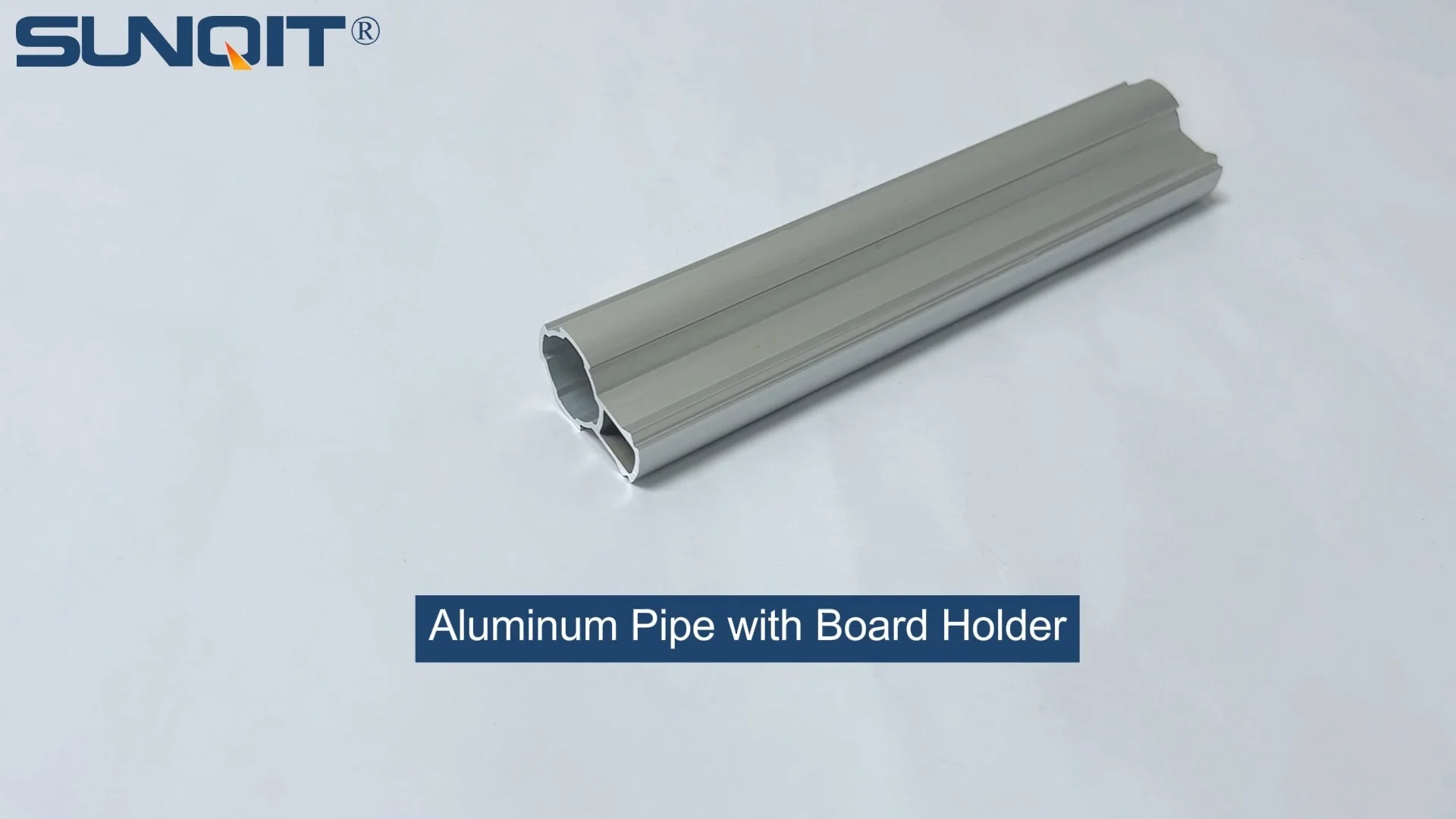
Aluminum Pipe with Board Holder
The linear rolling assembly can be arbitrarily connected in the protruding part of the card slot to increase the rigidity of the track.
How modular solutions are shaping the future of sustainable manufacturing
The Renewable Energy Boom: A Call for Smarter Manufacturing
Walk into any modern solar panel factory or wind turbine assembly plant, and you'll feel it immediately—the hum of purpose. Workers move with focus, components glide along conveyor belts, and every corner of the facility seems designed to turn raw materials into clean energy solutions as efficiently as possible. This isn't just manufacturing; it's a mission. As the world races to reduce carbon footprints, renewable energy production has become more than an industry—it's a global movement. But here's the thing: even the most innovative green technologies rely on something deceptively simple to reach their full potential: lean system principles that keep production lines agile, waste-free, and human-centered.
At the heart of these lean systems lie tools and components that often go unnoticed by the end consumer but are indispensable to the workers who build the future. One such component? The aluminum pipe with board holder . It sounds unassuming, right? A few aluminum pipes, some joints, and a flat surface for holding tools or parts. But in the high-stakes world of renewable energy manufacturing, where precision and speed can make or break a project, this modular setup is a game-changer. Let's dive into why.
Lean Systems: The Backbone of Efficient Renewable Production
Before we talk about aluminum pipes and board holders, let's step back and understand why lean systems matter here. Lean manufacturing isn't just about cutting costs—it's about respect for people and continuous improvement. In renewable energy, where margins can be tight and demand is skyrocketing, waste (whether time, materials, or effort) is the enemy. A lean system eliminates bottlenecks, ensures workers have what they need when they need it, and adapts quickly to changes—like shifting from standard solar panels to newer, more efficient models or adjusting turbine component sizes for offshore wind farms.
Imagine a technician assembling a solar inverter, a device that converts DC power from panels to usable AC electricity. If their workstation is cluttered, if tools are scattered, or if the surface they're working on is fixed and can't be adjusted for their height, mistakes happen. Time is wasted. Frustration builds. But with a lean setup—think modular workbenches, adjustable shelving, and yes, aluminum pipes with board holders—everything changes. The technician can customize their space, keep tools within arm's reach, and reconfigure the setup in minutes if the next day's task requires a different layout. That's the power of lean: it puts control back in the hands of the people doing the work.

Aluminum Pipe with Board Holder: More Than Just a Work Surface
So, what exactly is an aluminum pipe with board holder ? Let's break it down. The "aluminum pipe" part is straightforward: lightweight, corrosion-resistant aluminum tubes that come in various lengths. The "board holder" is typically a flat panel—often made of durable materials like plywood or composite—that attaches to the pipes via simple joints. But the magic is in the flexibility. These systems use aluminum profile accessories and joints that let you snap pipes together in seconds, no welding or heavy tools required. Need a higher surface? Add an extra pipe section. Want to angle the board for better visibility? Swap out a straight joint for a swivel one. It's like building with advanced Legos, but for grown-ups who build solar arrays and wind turbine nacelles.
Why aluminum? For starters, it's sustainable. Aluminum is 100% recyclable, which aligns perfectly with the renewable energy industry's commitment to eco-friendliness. Unlike steel, it won't rust in humid factory environments, so it lasts longer with minimal maintenance. And it's lightweight—so workers can rearrange their setups without straining their backs. Compare that to traditional wooden workbenches, which are heavy, prone to warping, and hard to modify, or steel frames that require specialized tools to adjust. The aluminum pipe system is a breath of fresh air (and fresh air is something we could all use more of, right?)

From Workbenches to Roller Tracks: How It All Connects
The beauty of the aluminum pipe with board holder is how it plays well with others. In a typical renewable energy plant, these systems don't exist in isolation—they're part of a larger ecosystem of lean tools. Take workbench setups, for example. A solar panel assembly line might have a row of workstations where technicians attach junction boxes to panel backsheets. Each workstation could feature an aluminum pipe frame with a board holder for holding screws, wire strippers, and thermal paste. But the board holder isn't just a flat surface; it can have slots for tool hooks, dividers for organizing small parts, or even integrated LED lights to illuminate the work area. And because the frame is modular, if the next shift needs to assemble larger panels, the entire setup can be widened or extended in under an hour.
Then there are roller track systems—those sleek lines of rotating wheels that move components from one station to the next. Aluminum pipe with board holders often serve as the "launch pad" for these tracks. A worker might place a partially assembled wind turbine hub on a board holder, attach it to a roller track, and send it gliding to the next team for final wiring. The pipe frame ensures the board is at the perfect height to align with the track, eliminating the need to lift heavy parts awkwardly. It's small touches like this that turn a good production line into a great one—reducing injury risks and keeping the workflow smooth as butter.
| Feature | Traditional Workstation | Aluminum Pipe with Board Holder |
|---|---|---|
| Flexibility | Fixed layout; hard to modify without tools | Reconfigurable in minutes with simple joints |
| Sustainability | Often made of non-recyclable materials | 100% recyclable aluminum; minimal waste |
| Worker Comfort | One-size-fits-all height; limited adjustability | Customizable height/angle to reduce fatigue |
| Cost Over Time | High replacement costs when needs change | Modular design reduces need for new equipment |
Real Impact: Stories from the Factory Floor
Let's ground this in real life. Meet Carlos, a lead technician at a solar inverter factory in Arizona. A few years ago, his workstation was a clunky wooden bench with a fixed shelf. "I'd spend 10 minutes a day just searching for my torque wrench because it kept sliding off the shelf," he recalls. "And when we switched to a new inverter model with a different layout, the bench was too narrow. We had to stack parts on the floor, which led to a few scratches—and a few frustrated coworkers." Then the plant invested in aluminum pipe with board holder systems. "Now, my wrench hangs on a hook right above the board, and I can slide the board out 6 inches when I need more space. Last month, we reconfigured three workstations in an hour to test a new assembly process. It used to take a day and a half with the old setup."
Over in Texas, a wind turbine blade factory uses aluminum pipe systems to support their roller track lines. The blades are massive—some over 100 feet long—but the components that go inside them, like shear webs and spar caps, need precise handling. "We used to have steel frames that weighed a ton," says Maria, the plant's operations manager. "If a blade design changed slightly, we'd have to weld new brackets, which meant downtime. Now, with aluminum pipes and board holders, we can adjust the track height and angle in 20 minutes. And because the pipes are lightweight, even our night shift team—smaller in size—can rearrange setups without calling maintenance. Productivity's up 15% since we switched, and worker satisfaction scores? Through the roof."
Looking Ahead: The Future of Lean in Renewable Energy
As renewable energy technology evolves—think perovskite solar cells, floating wind farms, and advanced energy storage—the factories that build these innovations will need to evolve too. The aluminum pipe with board holder system is more than a tool for today; it's a foundation for tomorrow. Imagine integrating smart sensors into the board holders to track tool usage, or adding wireless charging pads for power tools. Maybe even AI-driven apps that suggest optimal workstation layouts based on the day's production schedule. The modularity of these systems makes them ripe for innovation, ensuring they'll keep up with whatever the renewable energy industry throws their way.
At the end of the day, though, the most important "feature" of the aluminum pipe with board holder isn't the aluminum or the joints. It's the people it empowers. Every time a worker can adjust their workstation to fit their needs, every time a team can reconfigure a line in hours instead of days, every time a factory reduces waste and increases output—they're not just building solar panels or wind turbines. They're building a world that runs on clean energy. And that, in the end, is the leanest system of all: one that works for people, not against them.