- Company Articles
- Products and Technology
- Installation And Maintenance
- Aluminum Pipe with Board Holder Maintenance Mistakes to Avoid

Aluminum Pipe with Board Holder Maintenance Mistakes to Avoid
Related Product
Aluminum Pipe with Board Holder
The linear rolling assembly can be arbitrarily connected in the protruding part of the card slot to increase the rigidity of the track.
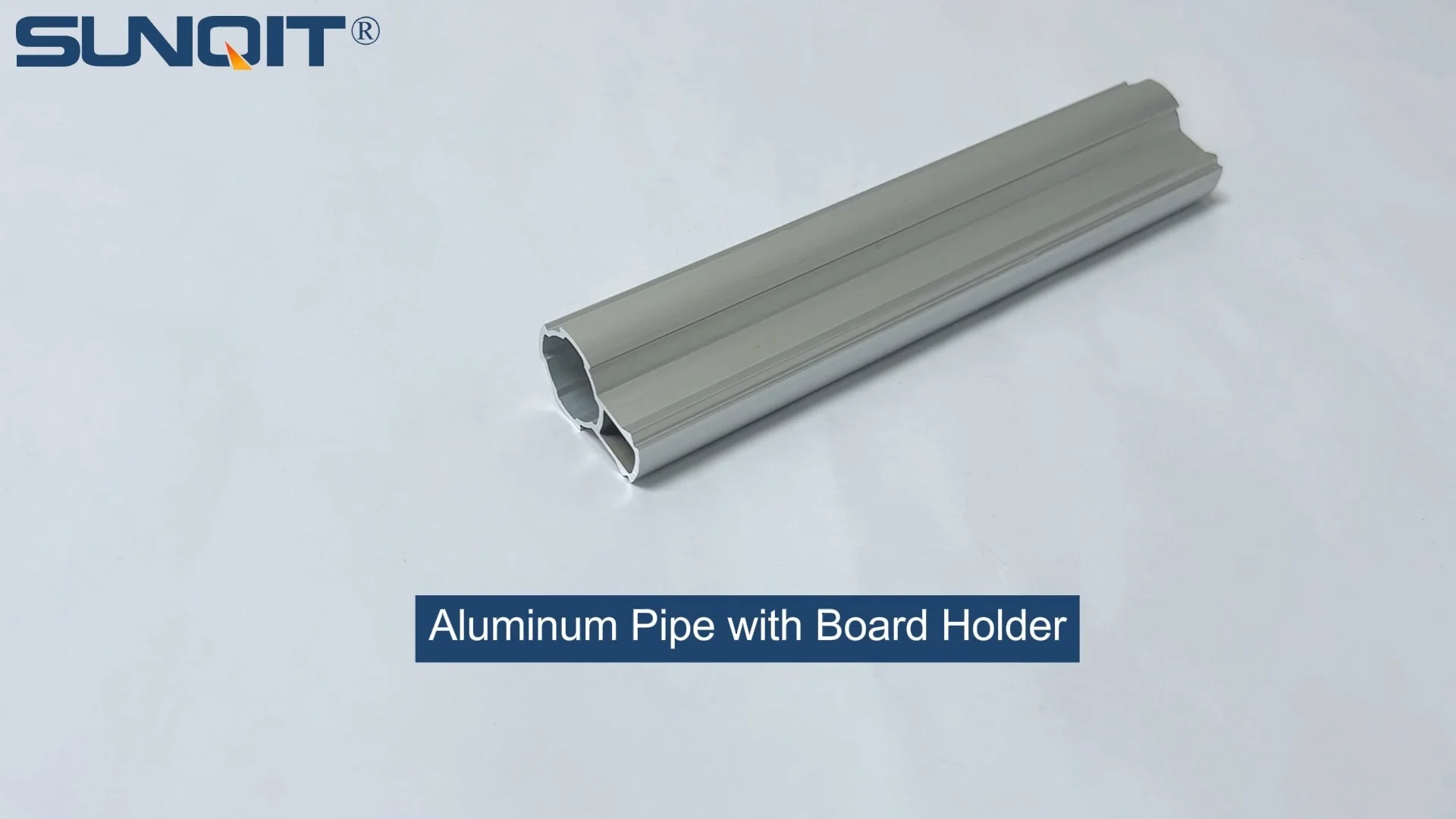
Walk into any modern manufacturing workshop or assembly line, and you'll likely spot aluminum pipe with board holders hard at work. These unassuming setups—often part of workbenches or material racks—are the unsung heroes of lean production, keeping tools, components, and finished goods organized and within arm's reach. Made from lightweight yet sturdy aluminum, they're designed to withstand daily wear and tear, but that doesn't make them invincible. I've visited countless facilities where teams rely on these systems to keep operations running smoothly, only to face frustrating downtime, safety hazards, or inefficiencies because of one simple oversight: neglecting maintenance.
Aluminum pipe with board holders might seem low-maintenance compared to heavy machinery, but their performance hinges on small, consistent care habits. Whether it's a loose clamp, a corroded joint, or misaligned rails, even minor issues can snowball into major problems. In this article, we'll dive into the most common maintenance mistakes that plague these systems, why they happen, and how to fix them—all with the goal of helping you extend their lifespan, boost productivity, and keep your workspace safe. Let's start by exploring why these mistakes matter in the first place.
Mistake 1: Ignoring Loose Aluminum Pipe Clamps and Joints
If there's one maintenance issue I see more than any other, it's loose aluminum pipe clamps and joints. Walk up to almost any workbench with a board holder, give the structure a gentle shake, and you'll probably hear a rattle. That's the sound of trouble brewing. But why do these connections come loose so often? Let's break it down.
Why It Happens
Aluminum pipe with board holders is typically assembled using clamps, joints, and bolts—components that hold the structure together. Over time, daily vibration from tools, the weight of materials stacked on the board, or even accidental bumps can gradually loosen these connections. Add in the fact that many teams rush setup or adjustments, tightening clamps "just enough" to hold things in place without using proper torque, and you've got a recipe for instability. I once worked with a electronics manufacturer where a technician admitted, "I just hand-tighten the clamps because I'm in a hurry to get back to assembly." Sound familiar?
The Hidden Consequences
A little looseness might not seem like a big deal, but it's a slippery slope. At first, you might notice the board holder wobbles slightly when you place heavy components on it. Then, over time, the movement strains other parts of the structure—like the aluminum guide rails or the base of the workbench—causing them to wear out faster. Worse, if a clamp fully gives way, the board could tilt or even collapse, sending tools or parts crashing to the floor. I've seen this lead to broken components, scratched surfaces, and in one case, a near-miss where an operator narrowly avoided being hit by falling materials. Loose joints also create uneven surfaces, making it harder to slide materials along the board—exactly the opposite of what a lean system is supposed to do.
How to Fix It: A 3-Step Tightening Routine
The good news is tightening loose clamps and joints is quick and straightforward—if you make it a habit. Here's a simple routine to follow:
Step 1: Inspect weekly. Set a calendar reminder to check all clamps and joints on your aluminum pipe with board holders every week. Focus on high-stress areas, like where the board attaches to the pipes or where the pipes connect to the workbench frame. Use a flashlight to spot any gaps between the clamp and the pipe—this is a telltale sign of looseness.
Step 2: Tighten with the right tool. Stop relying on your hands alone. Use a torque wrench or a socket set to tighten clamps to the manufacturer's recommended torque (usually printed on the clamp or in the product manual). For standard aluminum pipe clamps, this is often around 15-20 Nm—enough to hold firm without stripping the threads. If you don't have the manual, a general rule is to tighten until the clamp feels snug, then give it a quarter-turn more.
Step 3: replace worn parts. If a clamp is bent, cracked, or the threads are stripped, replace it immediately. Don't try to "make do" with a damaged clamp—aluminum profile accessories like these are inexpensive, and a new clamp is far cheaper than repairing a collapsed structure or replacing broken materials. Keep a small stock of spare clamps and joints in your tool cabinet to avoid delays.
Mistake 2: Overlooking Corrosion on Aluminum Surfaces
Aluminum is known for its corrosion resistance, thanks to the thin oxide layer that forms on its surface when exposed to air. But that layer isn't indestructible. I've seen plenty of aluminum pipe with board holders that look dull, pitted, or discolored—signs that corrosion is eating away at the material. The worst part? Most teams don't notice until it's too late.
Why Corrosion Sneaks In
Corrosion on aluminum typically starts in one of three ways: moisture, chemicals, or abrasive cleaners. In humid workshops, especially those near coastal areas, salt in the air can accelerate oxidation. Spills of oils, solvents, or even water from cleaning rags can also break down the oxide layer over time. I visited a food packaging plant once where a board holder had turned dark gray with corrosion—turns out, operators were wiping it down with vinegar-based cleaners (acidic!) to remove food residue. Big mistake. Even something as simple as leaving a wet cloth on the aluminum pipe overnight can create a damp spot that breeds corrosion.
Why It Matters: Corrosion Weakens More Than Just Looks
At first, corrosion might seem like a cosmetic issue, but it's far more dangerous. As the aluminum oxidizes, it becomes brittle. A corroded joint or pipe can snap under stress, even if it looks structurally sound from the outside. I worked with a automotive parts supplier where a corroded section of aluminum pipe gave way under the weight of a toolbox, causing the board holder to collapse. The result? A $2,000 tool damaged and two hours of downtime while the team cleaned up and repaired the structure. Beyond safety, corrosion also makes surfaces rough, which can scratch delicate components sliding across the board—bad news if you're handling electronics or polished parts.
Fighting Corrosion: Prevention and Treatment
The key to dealing with corrosion is to stop it before it starts. Here's how:
Keep it dry. Wipe down aluminum pipe with board holders daily, especially if they're exposed to moisture. Use a clean, dry microfiber cloth to remove water, oil, or chemicals immediately after spills. If your workshop is humid, consider installing a dehumidifier near workbenches to reduce moisture in the air.
Use the right cleaners. Avoid abrasive or acidic cleaners (like vinegar, bleach, or steel wool). Instead, clean aluminum surfaces with a mild detergent mixed with warm water. For tough grime, add a drop of dish soap to a sponge, gently scrub, then rinse and dry thoroughly. I've found that a 50/50 mix of water and isopropyl alcohol works well for removing oils without damaging the oxide layer.
Treat early signs of corrosion. If you spot small patches of white or gray oxidation, act fast. Mix a paste of baking soda and water, apply it to the corroded area with a soft cloth, and gently rub in a circular motion. The baking soda (a mild abrasive) will remove the oxidation without scratching the aluminum. Rinse with water and dry immediately. For more stubborn spots, use a specialized aluminum cleaner (available at hardware stores) and follow the instructions closely.
Apply a protective coating. For aluminum pipe with board holders in high-moisture environments, consider applying a thin layer of clear acrylic spray or aluminum wax. This adds an extra barrier against corrosion. Just be sure to clean the surface thoroughly before applying—any dirt or oil will trap under the coating and cause more problems later.

Mistake 3: Misaligning Aluminum Guide Rails and Board Holders
Aluminum guide rails are often part of board holder systems, helping to keep materials sliding smoothly or aligning components during assembly. But when these rails are misaligned—even by a few millimeters—the whole system suffers. I've watched operators struggle to push a bin along a misaligned rail, grunting and straining, when a quick adjustment would have made the task effortless. So why does misalignment happen, and how can you fix it?
The Root Causes of Misalignment
Misalignment usually starts with installation. If the aluminum guide rails aren't mounted level during setup, they'll never work right. I've seen teams skip using a level, eye-balling the rails instead, only to realize later that one end is higher than the other. Over time, floor settling, heavy impacts (like dropping a tool on the rail), or even loose mounting brackets can throw rails out of alignment. In one warehouse, a forklift bumped into a workbench, jostling the guide rail attached to it—for months, operators dealt with materials getting stuck halfway down the rail before someone finally checked the alignment.
The Cost of a "Little" Misalignment
You might think, "What's the big deal if the rail is off by a centimeter?" Plenty. Misaligned rails create friction, making it harder to move materials. This isn't just a hassle—it leads to operator fatigue, slower workflows, and even repetitive strain injuries. Worse, materials can get stuck on the rail, causing backups in production. I visited a furniture manufacturer where a misaligned rail on their board holder caused panels to tip as they slid, leading to chipped edges and wasted materials. The team was replacing 10% more panels than necessary, all because of a rail that was 3mm out of alignment.
Aligning Rails Like a Pro
Fixing misalignment doesn't require a professional—just a few tools and a little patience. Here's how:
Check alignment monthly. Use a spirit level to verify that the guide rails are level both horizontally and vertically. Place the level along the length of the rail to check for side-to-side tilt, and across the rail to check for up-and-down slope. You can also use a string line: tie a string to one end of the rail, stretch it to the other end, and see if the rail follows the string's path. Gaps between the string and rail mean misalignment.
Adjust mounting brackets. Most aluminum guide rails are mounted to the workbench or frame with brackets. If the rail is tilted, loosen the bracket bolts, adjust the position, then retighten. For rails that are sagging in the middle (common with long rails), add a center support bracket to keep it level. I always recommend using lock washers on bracket bolts to prevent them from loosening over time.
Test with a "slip test." After adjusting, test the rail by sliding a standard bin or material along it. It should move smoothly with minimal effort—you shouldn't need to push hard. If it catches, check for burrs or dents on the rail itself (these can also cause sticking). Use a file to gently smooth out any rough spots, then wipe the rail with a dry cloth.
Secure the base. Sometimes, the issue isn't the rail itself but the workbench or frame it's attached to. If the workbench is wobbly, the rail will never stay aligned. Tighten the workbench's feet or casters, and use shims under the legs if the floor is uneven. A stable base means stable rails.

Mistake 4: Using Incompatible or Low-Quality Aluminum Profile Accessories
Aluminum pipe with board holders rely on accessories—clamps, joints, brackets, and end caps—to function. But not all accessories are created equal. I've seen teams use generic plastic clamps on aluminum pipes, or mix and match parts from different suppliers, only to have the system fail. Using incompatible or low-quality accessories is like putting cheap tires on a sports car—you're undermining the entire system's performance.
Why Incompatibility Happens
Incompatibility often starts with cost-cutting. A team needs a replacement clamp, so they buy the cheapest option at the hardware store instead of ordering from their aluminum profile supplier. Or, they inherit a mishmash of parts from old systems, assuming "aluminum is aluminum." The problem? Aluminum pipes and accessories come in different sizes (like 28mm vs. 30mm diameter pipes) and designs (T-slot vs. round). A clamp made for a 28mm pipe won't grip a 30mm pipe properly, and a T-slot bracket won't fit a round pipe at all. I once saw a facility using steel clamps on aluminum pipes—the steel was harder than the aluminum, causing the pipe to dent and weaken over time.
The Risks of Cutting Corners
Low-quality or incompatible accessories fail faster and perform poorly. A cheap plastic clamp might crack under heat or stress, while a mismatched joint could slip, causing the board holder to collapse. Incompatible parts also create weak points in the structure, leading to uneven weight distribution. I worked with a team that used generic bolts to attach their board holder to the aluminum pipe—since the bolts were too long, they protruded through the pipe, scratching materials as they slid across. The team spent hours sanding down the bolts, time they could have saved by using the right-length bolts from the start.
Choosing the Right Accessories
The solution is simple: stick to compatible, high-quality accessories. Here's how:
Stick to the same supplier. If your aluminum pipe with board holder came from a specific supplier, order accessories from them too. They'll guarantee compatibility, and you'll avoid the guesswork of mixing parts. If you need to switch suppliers, ask for a compatibility chart or sample parts to test before buying in bulk.
Check size and specs. Aluminum pipes come in standard sizes (like 28mm, 30mm, or 40mm diameter). Always check the pipe's diameter and wall thickness before buying clamps or joints. Most suppliers list these specs on their websites or product labels. If you're unsure, measure the pipe with a caliper—investing in a $10 caliper will save you from buying the wrong parts.
Avoid plastic for heavy loads. While plastic accessories are fine for light-duty use, opt for aluminum or steel accessories if your board holder carries heavy materials. Aluminum clamps and joints are lightweight, corrosion-resistant, and strong enough for most industrial applications. For extreme loads, look for reinforced steel accessories (but ensure they're coated to prevent galvanic corrosion with aluminum).
Keep an inventory list. Maintain a spreadsheet of all the aluminum profile accessories used in your board holder systems, including part numbers, sizes, and suppliers. This way, when you need a replacement, you can order the exact part without guesswork. I've seen teams save hours of downtime by having this list handy.
Mistake 5: Neglecting Regular Cleaning of Moving Parts and Surfaces
Let's be honest: cleaning is rarely anyone's favorite task. But when it comes to aluminum pipe with board holders, a little cleaning goes a long way. Dust, grease, and debris build up on surfaces and in moving parts like roller tracks or hinges, turning a smooth system into a clunky, inefficient one. I've seen board holders caked in sawdust or oil, with operators ignoring the grime until the system stops working entirely. So why is cleaning so important, and how can you make it a habit?
What Happens When You Skip Cleaning
Dust and debris might seem harmless, but they're silent killers of aluminum systems. On board holders, dust can mix with oil or moisture to form a gritty paste that scratches surfaces and gums up moving parts. In roller tracks (common in flow racks attached to board holders), debris can get stuck between the rollers, causing them to jam. I visited a woodworking shop where sawdust had built up in the roller track of their board holder, making it impossible to slide bins along the rail. The team had to stop production for 45 minutes to disassemble and clean the track—time they could have saved with a weekly wipe-down.
Grease and oil spills are another culprit. While some lubrication is good for moving parts, excess oil attracts dust, creating a sticky mess. Over time, this buildup can corrode aluminum surfaces or make the board holder slippery, increasing the risk of materials sliding off unexpectedly.
A Simple Cleaning Routine Anyone Can Follow
Cleaning your aluminum pipe with board holder doesn't have to be time-consuming. Here's a 10-minute weekly routine that will keep things running smoothly:
Dust first. Use a soft-bristled brush or compressed air to blow dust and debris off the aluminum pipe, board holder, and any moving parts like roller tracks or hinges. Pay special attention to crevices, like where the board meets the pipe or between roller wheels. Compressed air is great for hard-to-reach spots—just wear safety glasses to protect your eyes from flying debris.
Wipe down surfaces. Mix warm water with a drop of mild dish soap, dampen a microfiber cloth, and wipe down all aluminum surfaces. This removes grease, oil, and any remaining dust. Avoid soaking the cloth—you want it damp, not dripping—to prevent water from seeping into joints and causing corrosion. For stubborn grease, use a cloth dampened with isopropyl alcohol, then wipe with a clean, damp cloth to remove residue.
Lubricate moving parts. After cleaning, apply a small amount of lubricant to moving parts like hinges, roller tracks, or adjustable joints. Use a dry lubricant (like silicone spray) or light machine oil—avoid heavy greases, which attract dust. A little goes a long way: one or two drops per roller axle or hinge pin is enough. Wipe off excess lubricant with a clean cloth to prevent buildup.
Inspect for damage. While you're cleaning, take a moment to check for signs of wear, like cracks, dents, or rust. Catching these issues early makes repairs faster and cheaper. For example, if you notice a roller wheel is cracked during cleaning, you can replace it before it jams and causes downtime.
| Maintenance Mistake | Common Cause | Consequence | Quick Fix |
|---|---|---|---|
| Loose aluminum pipe clamps/joints | Daily vibration, hand-tightening only | Wobbling board holders, material slippage | Tighten with torque wrench weekly; replace worn clamps |
| Corroded aluminum surfaces | Moisture, acidic cleaners, salt exposure | Brittle pipes, scratches on materials | Clean with mild soap/water; treat corrosion with baking soda paste |
| Misaligned aluminum guide rails | Poor installation, floor settling, impacts | Friction, stuck materials, operator fatigue | Level rails monthly; adjust mounting brackets; add support brackets |
| Incompatible/low-quality accessories | Cost-cutting, mixing parts from different suppliers | Weak joints, failed clamps, uneven weight distribution | Use supplier-recommended accessories; check size specs |
| Neglected cleaning of moving parts | Dust, grease buildup, lack of routine | Jammed rollers, scratched surfaces, corrosion | Weekly dusting, soap/water wipe-down, lubricate moving parts |
Aluminum pipe with board holders are the backbone of efficient, lean workspaces. They're durable, versatile, and designed to keep your team productive—but they can't do it alone. The maintenance mistakes we've covered here—loose clamps, corrosion, misalignment, incompatible accessories, and neglected cleaning—are all preventable with a little time and attention.
Think of it this way: proactive maintenance isn't just about fixing problems—it's about avoiding them. A 10-minute weekly check, a quick tightening of a clamp, or a wipe-down of a rail can save you hours of downtime, hundreds of dollars in repairs, and countless headaches. Your aluminum systems will last longer, your team will work more efficiently, and your workspace will be safer.
So, the next time you walk past your workbench or board holder, take a minute to inspect it. Give it a gentle shake, check the clamps, wipe down the rails. Your future self—and your bottom line—will thank you. After all, in lean production, every detail matters. And when it comes to aluminum pipe with board holders, the smallest maintenance habits make the biggest difference.