- Company Articles
- Products and Technology
- Product knowledge
- Aluminum Pipe with Board Holder: Reducing Workplace Injuries

Aluminum Pipe with Board Holder: Reducing Workplace Injuries
Related Product
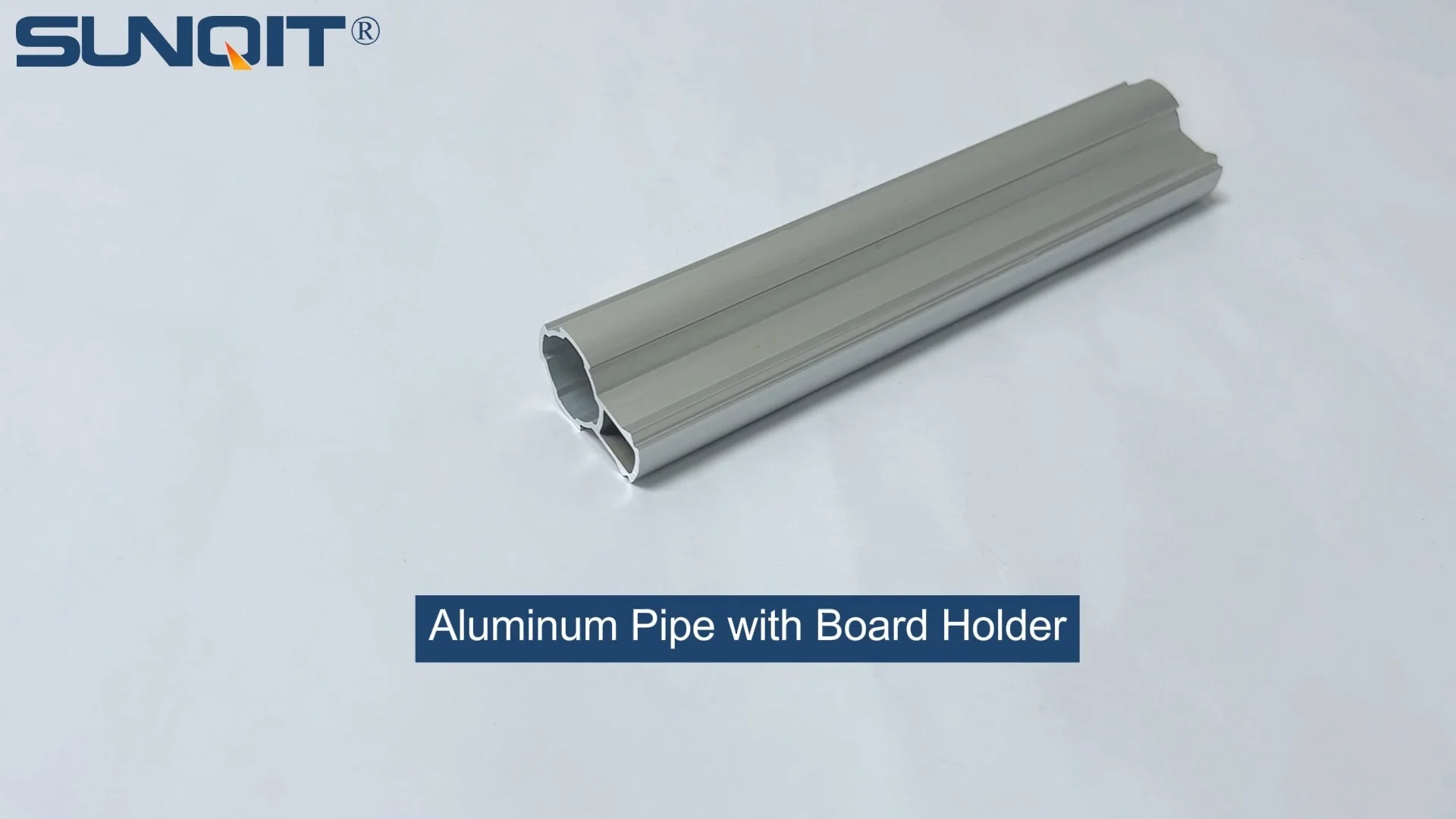
Aluminum Pipe with Board Holder
The linear rolling assembly can be arbitrarily connected in the protruding part of the card slot to increase the rigidity of the track.
It's 9 a.m. on a Tuesday at a bustling electronics assembly plant. Maria, a line worker, bends over her workstation to reach a heavy component bin stacked on the floor. Her back twinges—a familiar ache that's been getting worse lately. Across the shop, Raj strains to lift a tray of parts onto a high shelf, his shoulders burning. These small, repeated actions might seem harmless, but over time, they add up to something far more serious: workplace injuries that cost businesses billions in lost productivity and leave workers in chronic pain.
But what if there was a way to redesign these workspaces to protect workers while keeping operations efficient? Enter the Aluminum Pipe with Board Holder—a simple yet transformative tool that's quietly revolutionizing how factories, warehouses, and assembly lines approach safety and productivity. Paired with complementary solutions like Aluminum Profile Accessories and ergonomic Workbenches, this unassuming system is slashing injury rates and making workplaces safer for everyone. Let's dive into how it works.
The Hidden Cost of Poor Workplace Design
Workplace injuries aren't just "part of the job"—they're often a sign of outdated or thoughtless workspace design. In manufacturing and logistics, the most common culprits are strains from lifting heavy objects, sprains from awkward bending or twisting, and repetitive motion injuries from overreaching or hunching. These injuries don't just hurt workers; they disrupt production, increase insurance costs, and erode team morale.
Consider this: A study by a leading workplace safety organization found that 80% of back injuries in factories stem from tasks like bending to retrieve items, reaching for tools, or lifting materials that are poorly positioned. Similarly, shoulder and neck strains often result from workbenches that are too high or too low, forcing workers into unnatural postures for hours on end. The root cause? Fixed, one-size-fits-all setups that don't adapt to the people using them.
Traditional workspaces rely on rigid wooden shelves, heavy metal racks, and immovable workbenches. If a worker is shorter than average, they might struggle to reach tools on a high shelf; if they're taller, they'll hunch over a low bench. Bins end up on the floor because there's no easy way to mount them at waist height, and materials get stacked haphazardly because rearranging the space would require hours of disassembly and reconstruction. It's a recipe for injury—and it's completely avoidable.
What Is an Aluminum Pipe with Board Holder?
At first glance, an Aluminum Pipe with Board Holder might look like a simple collection of metal tubes and brackets. But its simplicity is its superpower. The system consists of lightweight, durable aluminum pipes (often paired with Aluminum Profile Accessories like joints, connectors, and clamps) and a board holder—a flat surface or frame that attaches to the pipes to hold tools, bins, or materials. What makes it game-changing is its modularity and adjustability.
Unlike traditional fixed furniture, these aluminum pipes can be cut to any length, connected with easy-to-use joints, and reconfigured in minutes. Need to raise a work surface by 6 inches to fit a taller worker? Loosen a few clamps, adjust the pipes, and you're done. Want to add a bin holder to the side of a bench for quick access to screws? Snap on a bracket and slide the holder into place. No welding, no heavy tools, no downtime.
The aluminum material is key, too. It's strong enough to support heavy bins of parts but light enough that even a single worker can rearrange the setup without straining. It's also resistant to rust and corrosion, making it ideal for factories where spills or humidity are common. And because the pipes are hollow, they're easy to transport and store when not in use—no more bulky, space-hogging equipment.

How Aluminum Pipe with Board Holder Cuts Injury Risk
1. Ergonomic Height Adjustment: No More Bending or Stooping
The average workplace has workers of all heights, but traditional workbenches and shelves are built to a "standard" that fits no one perfectly. An Aluminum Pipe with Board Holder eliminates this problem by letting you set the height of work surfaces, bins, and tool holders to match each worker's body. For example, a board holder mounted at waist height keeps frequently used tools within easy reach, so Maria no longer has to bend over to grab screws from a floor bin. A workbench built with aluminum pipes can be raised or lowered by inches, ensuring Raj doesn't hunch over his station—his elbows stay at a comfortable 90-degree angle, reducing strain on his shoulders and neck.
2. Organized Tool Placement: Minimizing Reaching and Stretching
Ever tried to assemble a product while constantly reaching across a cluttered bench for a screwdriver or a part? That repeated stretching is a major cause of shoulder and back strain. The board holder solves this by turning chaos into order. Tools can be mounted on the board with hooks or magnetic strips, parts bins can be clipped to the sides, and instructions can be propped up at eye level. Everything the worker needs is within arm's length, eliminating unnecessary movement.
For example, in an automotive parts assembly line, an Aluminum Pipe with Board Holder might be configured with small bins for washers, nuts, and bolts mounted directly above the workbench, each labeled and positioned where the worker's hand naturally falls. No more twisting to grab a bin from the left or leaning right to reach a tool—every motion is efficient and pain-free.
3. Lightweight Flexibility: Reducing Lifting Injuries
Rearranging a traditional workspace often means hauling heavy wooden shelves or metal racks, risking back injuries in the process. Aluminum Pipe systems, by contrast, are light enough that a single worker can disassemble and reconfigure them in minutes. Need to move a material rack from one side of the line to the other? Simply unclip the pipes, carry them (they weigh just a few pounds each), and reassemble. No need for a team lift or a forklift—reducing the risk of strains from heavy lifting.
4. Adaptable to Tasks: One System, Many Uses
A factory floor isn't static—tasks change, products evolve, and new workers join the team. An Aluminum Pipe with Board Holder adapts with it. One day, it might be a workstation for assembling small electronics; the next, with a few adjustments, it becomes a packing station for shipping. Add a Turnover Trolley (a wheeled cart built with the same aluminum pipes) and you've got a mobile setup that can follow workers to where they need it, eliminating the need to carry heavy trays across the shop.

Complementary Tools: Building a Safer Ecosystem
An Aluminum Pipe with Board Holder is powerful on its own, but when paired with other modular components, it becomes part of a comprehensive safety solution. Let's look at three key additions that enhance its injury-preventing abilities:
Aluminum Profile Accessories: The Glue That Holds It All Together
You can't build a flexible system without the right connectors. Aluminum Profile Accessories like 90-degree joints, T-shaped clamps, and adjustable brackets are what make the Aluminum Pipe system so versatile. These small, durable parts let you connect pipes at any angle, mount boards or bins securely, and adjust heights on the fly. For example, a swivel joint might let a board holder tilt downward slightly, making it easier to read instructions without craning your neck. A flat bracket could attach a bin to the side of a pipe, keeping it stable even when the workstation is moved.
Workbench E: A Foundation for Ergonomics
Many suppliers offer pre-configured workbenches built with aluminum pipes—like the aptly named Workbench E (single deck, without casters). These workbenches come with a sturdy tabletop, but their real value is in their compatibility with Aluminum Pipe with Board Holder systems. You can mount board holders, tool racks, or bin organizers directly to the bench's frame, creating a seamless workspace where everything is within reach. Workbench E is also height-adjustable, so it can grow with your team—no more buying a new bench every time you hire a taller worker.
Turnover Trolley and Rack: Moving Materials Safely
Even with tools and bins at waist height, moving heavy materials across the shop is a common injury risk. That's where Turnover Trolley and Rack systems come in. Built with the same lightweight aluminum pipes as the board holder, these wheeled carts let workers transport materials without lifting. A loaded bin can be slid onto the trolley (thanks to smooth-rolling casters) and pushed to the workstation, where it can be locked in place. No more straining to carry 50-pound boxes—just a gentle push.
| Aspect | Traditional Workspace (Rigid Shelves/Fixed Benches) | Aluminum Pipe with Board Holder System |
|---|---|---|
| Ergonomic Fit | One-size-fits-all; workers adapt to the space, often leading to hunched or strained postures. | Custom height and layout for each worker; space adapts to the person, reducing awkward movements. |
| Injury Risk | High: Frequent bending, reaching, and lifting heavy objects; repetitive strain from poor positioning. | Low: Tools and materials at waist/arm height; minimal lifting; neutral postures encouraged. |
| Flexibility | Hard to modify; requires disassembly/rebuilding to rearrange, leading to infrequent updates. | Modular and adjustable; reconfigured in minutes with basic tools, adapting to new tasks daily. |
| Durability & Maintenance | Wooden shelves warp; metal racks rust; repairs are costly and time-consuming. | Aluminum resists corrosion; parts are replaceable individually; low maintenance over time. |
| Worker Morale | Frustration from inefficient setups; pain from injuries leads to disengagement. | Empowering, comfortable workspaces; reduced pain leads to higher satisfaction and productivity. |
Real-World Impact: From Pain Points to Productivity
It's one thing to talk about the benefits of Aluminum Pipe with Board Holder systems—but what does their impact look like in practice? Let's take a hypothetical (but realistic) example of a small electronics manufacturer that made the switch.
Before the upgrade, the factory had 12 assembly workers using traditional wooden workbenches and metal shelving. Over six months, they reported 15 injuries: 8 back strains from bending to reach floor bins, 4 shoulder sprains from lifting heavy component trays, and 3 wrist injuries from hunching over low workbenches. Production slowed as workers took time off, and the team's morale was low.
The factory invested in Aluminum Pipe with Board Holder systems, pairing each workbench with adjustable tool holders, waist-height bin mounts, and Turnover Trolleys for material transport. They also added Aluminum Profile Accessories like swivel joints to tilt instruction manuals toward workers, reducing neck strain. Within three months, the results were staggering: zero new injuries, a 20% increase in daily production (since workers spent less time searching for tools or recovering from pain), and a noticeable boost in team spirit.
"I used to go home with a sore back every night," said one worker, "but now my bench is at the perfect height, and all my parts are right here in front of me. I can focus on my work instead of my pain." That's the human impact of good design—and it's why more and more facilities are making the switch.
Choosing the Right Supplier: Quality Matters
Not all Aluminum Pipe with Board Holder systems are created equal. To maximize safety and durability, it's important to choose a reputable Lean System Supplier—one that specializes in modular workspace solutions and understands the unique needs of manufacturing and logistics. Here's what to look for:
Quality Materials: The aluminum pipes should be thick enough to support heavy loads (look for at least 1.2mm wall thickness) but lightweight for easy handling. Aluminum Profile Accessories should be made from high-grade aluminum or steel to prevent bending or breaking under stress.
Range of Accessories: A good supplier will offer a wide variety of joints, clamps, brackets, and board holders to customize your setup. If you need a specific part (like a 45-degree joint or a extra-large bin holder), they should have it in stock or be able to fabricate it quickly.
Customer Support: Even the most modular system can be overwhelming to design. Look for suppliers that offer free consultation or design services to help you map out your workspace. They should also provide clear assembly instructions and responsive customer service if you run into issues.
Durability Guarantees: A confident supplier will stand behind their products with warranties on pipes, joints, and accessories. This ensures you're not stuck replacing parts six months down the line.
Conclusion: Safety Isn't a Luxury—It's a Design Choice
Workplace injuries don't have to be inevitable. With tools like the Aluminum Pipe with Board Holder, paired with Aluminum Profile Accessories, Workbench E, and Turnover Trolley systems, we can design spaces that protect workers while boosting productivity. These systems aren't just about "ergonomics"—they're about respecting the people who power our factories, warehouses, and assembly lines.
The next time you walk through a manufacturing plant, take a look at the workstations. Are the workers bending, reaching, or straining? Or are they moving smoothly, with tools and materials right where they need them? The difference often comes down to simple, thoughtful design—and it starts with a few aluminum pipes and a board holder.
Investing in these systems isn't just good for workers; it's good for business. Fewer injuries mean less downtime, lower insurance costs, and a happier, more productive team. And in the end, that's the real measure of a successful workplace: one where people can do their best work without sacrificing their health.