- Company Articles
- Products and Technology
- Product knowledge
- Aluminum Pipe with Tray Holder Compatibility: Works with Standard Lean Accessories

Aluminum Pipe with Tray Holder Compatibility: Works with Standard Lean Accessories
Related Product
Aluminum Pipe with Tray Holder
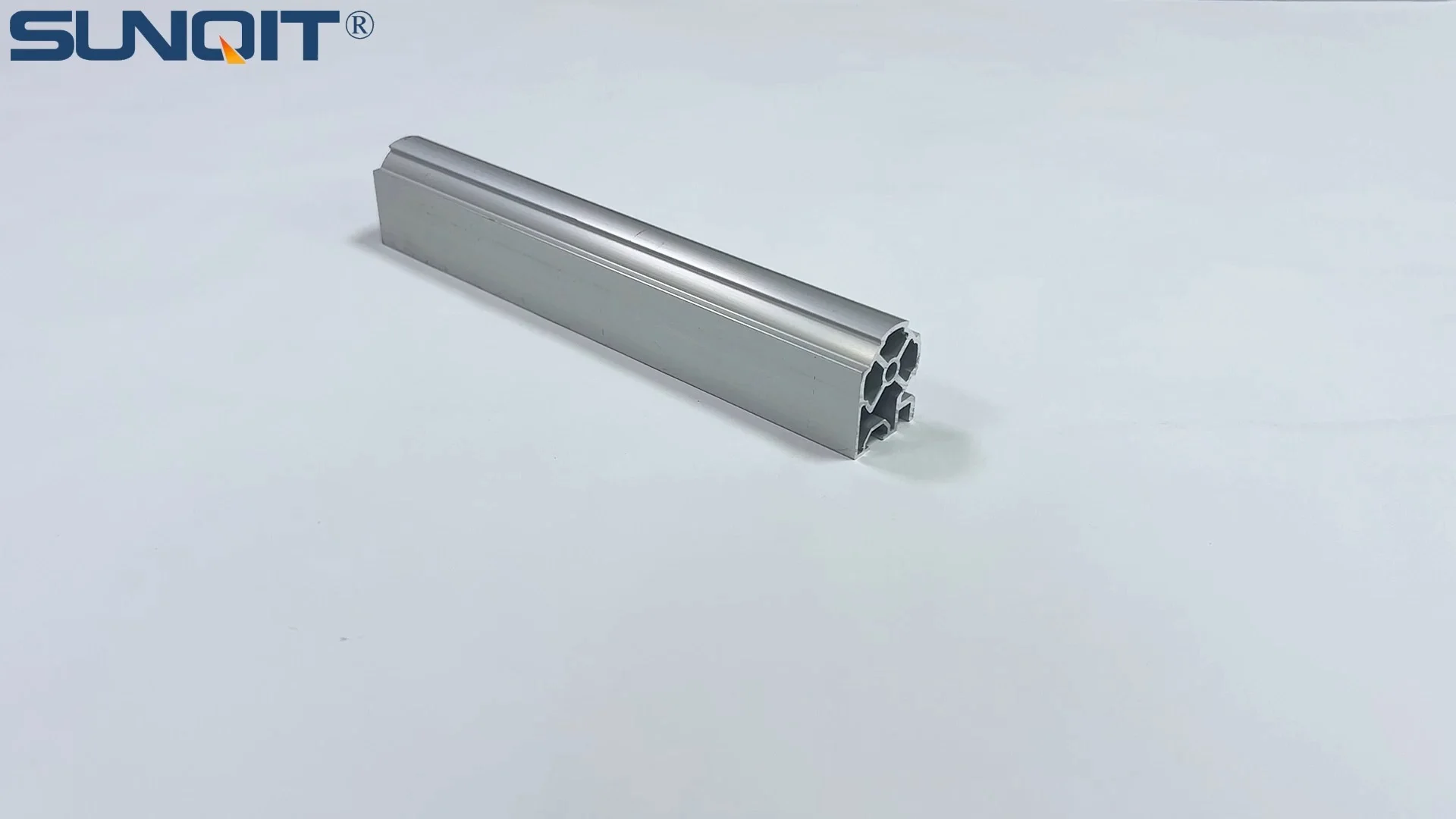
Aluminum pipe with tray holder,the pipe one side connected by a joint, the other side with a slot which can hold a tray or a aluminum pannel.
In the fast-paced world of manufacturing and assembly, every second counts. Floor managers, production supervisors, and lean coordinators know the struggle: rigid workstations that can't keep up with changing product lines, tools scattered across cluttered surfaces, and teams wasting time adjusting setups instead of focusing on what matters—building quality products. That's where flexible, adaptable tools come into play. Today, we're diving into a game-changer for lean operations: the aluminum pipe with tray holder. More than just a piece of equipment, it's a versatile partner that integrates seamlessly with standard lean accessories, turning chaotic workspaces into streamlined, efficient hubs. Let's explore why this combination is becoming a staple in factories, warehouses, and assembly lines worldwide.
What Makes Aluminum Pipe with Tray Holder Stand Out?
First, let's get to know the star of the show: the aluminum pipe with tray holder. At its core, it's a simple concept—an aluminum pipe frame paired with a sturdy, adjustable tray—but its design and material make it anything but basic. Aluminum, known for its lightweight yet durable nature, is the perfect choice here. Unlike heavy steel pipes that require multiple people to move, aluminum pipes are easy to handle, reducing the risk of workplace injuries and making reconfiguration a one-person job. This lightness doesn't compromise strength, though; high-quality aluminum lean pipe can support heavy loads, whether you're holding tools, components, or finished products.
The tray holder itself is a study in practicality. Most models feature adjustable heights and widths, so you can tailor it to fit everything from small screws to larger assemblies. The trays are often made from anti-slip materials or have raised edges, preventing items from sliding off during use—because no one has time to chase rolling nuts across the factory floor. Some even come with dividers, letting you organize parts by type, reducing the "hunt and search" time that eats into productivity.
Real Scenario: Imagine a small electronics assembly team switching between two product lines daily. With a traditional fixed workstation, they'd spend 20 minutes rearranging tools and parts each morning. Now, picture them using an aluminum pipe with tray holder: they simply adjust the tray height, swap out dividers, and lock the pipe joints into place—done in 5 minutes. That's 15 extra minutes per day of focused work, adding up to over 60 hours of productivity gains annually. Small changes, big results.
But what truly sets this tool apart is its compatibility with standard lean accessories. It doesn't exist in a vacuum; it's designed to play well with the components you already use (or might need in the future). Let's break down how this compatibility works and why it matters.
Compatibility with Standard Lean Accessories: A Closer Look
The magic of the aluminum pipe with tray holder lies in its ability to connect with a wide range of lean accessories, turning a basic structure into a fully customized workstation, material rack, or flow system. Whether you're building a workbench, a turnover trolley, or a roller track setup, the right accessories make it possible—no custom fabrication required. Let's explore the most common accessories and how they integrate.
1. Aluminum Pipe Accessories: The Building Blocks
At the heart of any aluminum pipe system are the joints, clamps, and connectors—the "glue" that holds everything together. Aluminum pipe accessories like internal rotatary aluminum joints, 90° aluminum pipe joints (both inside and outside connections), and parallel fixation aluminum pipe joints are engineered to fit standard aluminum pipe sizes seamlessly. This means you can extend your pipe frame upward, add side branches, or create angles without drilling holes or welding.
For example, if you need to add a second tray above the first, you'd use a 90° aluminum crossing joint to attach vertical pipes to the main frame, then secure the new tray holder with pipe clamps. The joints lock into place with a simple twist or bolt, ensuring stability but allowing for quick adjustments later. No special tools, no permanent modifications—just flexibility.
2. Workbench Integration: Creating a Unified Space
A standalone tray holder is useful, but when paired with a workbench, it becomes a central hub for assembly or packaging tasks. Many aluminum pipe with tray holder systems are designed to bolt directly onto standard workbenches, or you can build a custom workbench using aluminum profile and aluminum pipe accessories. For instance, the "Workbench E (single deck-without caster)" model, a popular choice in lean setups, can have a tray holder attached to its side or overhead, keeping tools and parts within arm's reach.
This integration eliminates the need for separate tool carts or shelves, reducing floor space usage and keeping the workstation organized. Imagine a mechanic assembling small engines: their tools are on the tray above the workbench, parts in divided sections below, and the workbench surface stays clear for the engine itself. Less movement, fewer distractions, more focus.
3. Lean System Components: From Flow Racks to Roller Tracks
The aluminum pipe with tray holder isn't just for static storage—it plays well with dynamic lean system components like roller tracks and flow racks. Roller tracks, such as the 38 aluminum roller track with side guides or the 40 steel roller track with yellow wheels, can be attached to the pipe frame, creating a gravity-fed system that moves parts from the tray holder to the assembly line effortlessly.
For example, a material rack (like "Material Rack B (3 row and 3 floor)") can be outfitted with aluminum pipe uprights and tray holders on the top level, with roller tracks feeding parts down to the workbench below. This "first in, first out" flow ensures that older inventory is used first, reducing waste and keeping production moving smoothly. The key here is compatibility: the pipe joints and roller track connectors (like roller track placon mount for aluminum profile flat) are designed to fit the same aluminum pipe sizes, so you don't have to mix and match incompatible parts.
4. Mobility with Casters: Taking Your Setup on the Go
Sometimes, your workstation needs to come to the work, not the other way around. That's where casters and accessories enter the picture. Adding caster wheels to the base of your aluminum pipe frame turns it into a mobile trolley, perfect for moving tools to different stations or transporting parts between departments. Look for swivel caster wheels with brakes—they let you position the trolley precisely and lock it in place, preventing unwanted movement during use.
Many caster accessories, like castor installation bases or castor fixed plates, are designed to attach directly to aluminum pipe joints, making installation a breeze. No need for welding or complex hardware—just bolt the caster base to the pipe, pop on the wheel, and you're ready to roll.
Compatibility Table: Aluminum Pipe with Tray Holder & Key Accessories
| Accessory Type | Example Product | Function | Compatibility Note |
|---|---|---|---|
| Aluminum Pipe Joints | Internal Rotary Aluminum Joint | Connects pipes at adjustable angles (0-180°) | Fits standard 28mm or 30mm aluminum lean pipe |
| Workbench Components | Workbench E (single deck-without caster) | Provides a stable work surface | Tray holder can be bolted to side or rear frames |
| Roller Tracks | 38 Aluminum Roller Track Yellow with Side Guide | Moves parts via gravity from tray to workstation | Attaches to aluminum pipe using roller track placon mount brackets |
| Casters | Flat Swivel Castor Wheel with Brake | Adds mobility to pipe frame | Compatible with castor installation bases for aluminum pipe |
| Tray Dividers | Plastic Tray Divider Set | Organizes small parts within the tray | Adjustable to fit most standard tray sizes (12"-24" width) |
| Aluminum Profile | 4040 EU Standard Aluminum Profile | Builds custom workbenches or frames | Works with aluminum pipe clamps for hybrid setups |

Why Compatibility Matters for Your Lean System
You might be thinking, "Why not just buy a cheap, all-in-one workstation?" Here's the truth: lean manufacturing thrives on adaptability. Your needs today might not be the same tomorrow. A product line could expand, a new regulation might require more space between workstations, or you might shift to a new production method. A system built with compatible, modular components grows with you.
For example, if your team starts producing a larger product, you can add extension pipes and a second tray holder instead of buying an entirely new workstation. If you move to a new facility, you can disassemble the aluminum pipe frame, transport it in a standard van, and reassemble it in the new space—no need for expensive movers or custom rigging. This flexibility saves money in the long run and reduces waste, aligning perfectly with lean principles of minimizing resource usage.
Compatibility also simplifies maintenance. When parts wear out—like a cracked tray or a sticky caster—you can replace just that component instead of the entire system. Most aluminum pipe suppliers stock a full range of accessories, so you won't be left waiting for a custom part. This "replace, don't replace everything" approach keeps downtime to a minimum.

Choosing the Right Supplier: More Than Just a Vendor
Now that you're sold on the benefits of aluminum pipe with tray holder and its compatible accessories, the next step is finding a reliable supplier. Not all suppliers are created equal, and the quality of your components directly impacts your system's performance and lifespan. Here's what to look for:
1. Range of Accessories:
A good supplier should offer more than just pipes and trays. Look for one that stocks a full lineup of aluminum pipe accessories—joints, clamps, casters, roller tracks, and even specialty items like swivel roller balls or anti-slip leveling feet. This ensures you can get everything you need from a single source, reducing lead times and compatibility issues.
2. Material Quality:
Aluminum lean pipe should be made from high-grade aluminum alloy (like 6063-T5) for strength and corrosion resistance. Ask about wall thickness—1.5mm to 2.0mm is standard for most industrial uses. Avoid suppliers who skimp on material; thin-walled pipes bend easily under load, leading to wobbly workstations and safety risks.
3. Customization Support:
Even with standard accessories, you might need a unique setup. Does the supplier offer design assistance? Can they modify tray sizes or create custom joint configurations? A supplier who understands your specific workflow is worth their weight in aluminum.
4. After-Sales Service:
What happens if a joint breaks or a caster locks up? Look for suppliers with responsive customer support and a clear warranty policy. The best ones will send replacement parts quickly, minimizing your downtime.
Maintenance Tips: Keeping Your System in Top Shape
Like any tool, your aluminum pipe with tray holder system needs a little TLC to stay productive. The good news? Maintenance is simple and takes just a few minutes each week:
Clean Regularly:
Wipe down aluminum pipes and trays with a damp cloth to remove dust, oil, or grease. For stubborn grime, use a mild detergent—avoid harsh chemicals that can corrode the aluminum finish.
Check Joints and Clamps:
Tighten any loose bolts or screws on joints and clamps. Over time, vibration from daily use can loosen connections, leading to wobbly trays or unstable frames. A quick once-over with a wrench prevents bigger issues later.
Inspect Rollers and Casters:
If you're using roller tracks or casters, clean the wheels to remove debris that might cause jamming. Lubricate caster bearings with a few drops of machine oil every 3 months to keep them rolling smoothly.
replace Worn Parts:
Trays with cracked edges, bent pipes, or sticky rollers should be replaced promptly. Most suppliers offer affordable replacement parts, so there's no need to wait until the entire system fails.
Final Thoughts: Building a Leaner, More Adaptable Workspace
The aluminum pipe with tray holder isn't just a piece of equipment—it's a tool that empowers your team to work smarter, not harder. Its compatibility with standard lean accessories turns it into a chameleon of the factory floor, adapting to your needs today and growing with you tomorrow. Whether you're assembling electronics, packaging goods, or managing a warehouse, this system reduces waste, cuts setup time, and keeps your team focused on what they do best.
So, if you're tired of rigid workstations that slow you down, or if you're looking to take your lean system to the next level, consider the aluminum pipe with tray holder. Pair it with the right accessories, choose a reliable supplier, and invest a little time in maintenance—and watch as your workspace transforms from chaotic to streamlined, one adjustable tray at a time.
After all, in lean manufacturing, the goal isn't just to work faster—it's to work better. And with tools like this, better has never been so accessible.