- Company Articles
- Products and Technology
- Product knowledge
- Aluminum Pipe with Tray Holder Corrosion Resistance: Suitable for Humid Environments

Aluminum Pipe with Tray Holder Corrosion Resistance: Suitable for Humid Environments
Related Product
Aluminum Pipe with Tray Holder
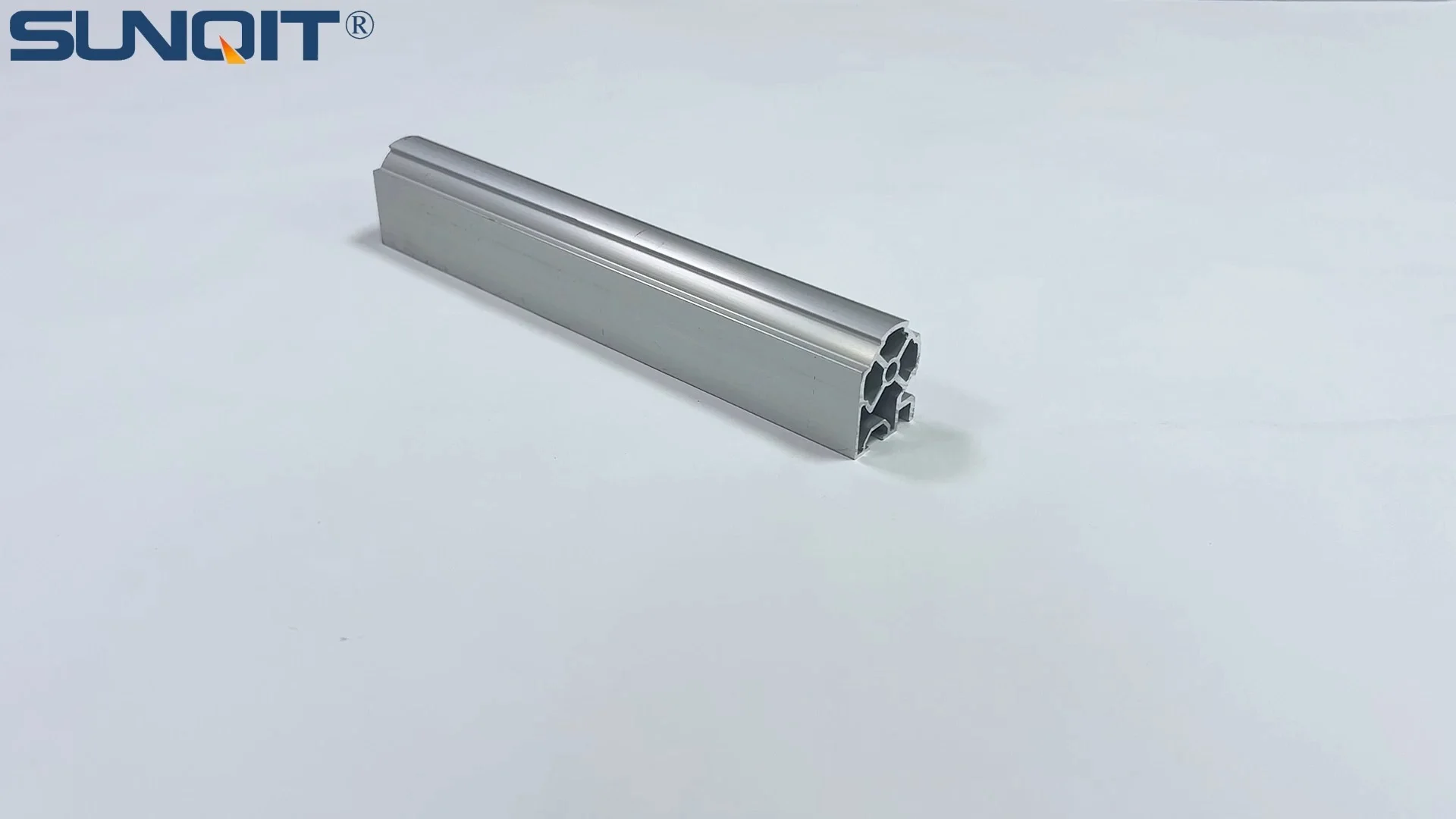
Aluminum pipe with tray holder,the pipe one side connected by a joint, the other side with a slot which can hold a tray or a aluminum pannel.
Walk into any busy factory, warehouse, or food processing plant, and you'll quickly notice a silent enemy lurking in the air: humidity. It's not just the sticky feeling on your skin or the fogged-up windows—humidity eats away at equipment, corrodes metal surfaces, and turns once-reliable workspaces into maintenance headaches. From coastal manufacturing facilities where saltwater breeze mixes with steam to indoor environments like commercial kitchens or pharmaceutical labs where moisture levels run high, the battle against corrosion is constant. And if you're in charge of keeping production lines moving, storage systems intact, or workbenches functional, you know that even small signs of rust or degradation can lead to big problems: unexpected downtime, safety hazards, and costly replacements. But what if there was a solution that didn't just fight humidity—it thrived in it? Enter the aluminum pipe with tray holder: a humble yet powerful tool that's changing how industries handle humid environments. In this article, we'll dive into why this unassuming component has become a game-changer, exploring its corrosion-resistant superpowers, real-world applications, and how it fits seamlessly into modern lean systems. Whether you're managing a seafood processing plant, a car wash facility, or a high-moisture warehouse, by the end, you'll understand why aluminum pipe with tray holder isn't just a purchase—it's an investment in long-term reliability.
The Hidden Cost of Humidity: Why Corrosion Matters
Before we jump into solutions, let's talk about why humidity and corrosion are such persistent foes. Humidity isn't just water vapor in the air—it's a catalyst for chemical reactions that break down materials, especially metals. When metal surfaces are exposed to moisture, oxygen, and often salt (in coastal areas) or chemicals (in industrial settings), a process called oxidation occurs. For steel, that means rust—flaky, red-brown deposits that weaken the metal, making it brittle and prone to snapping. For untreated iron, it's even worse: a single rainy season can turn a sturdy shelf into a wobbly liability. But corrosion isn't just about aesthetics or structural failure; it's about hidden costs that add up over time.
Consider a typical warehouse using steel shelving in a humid climate. At first, the shelves look fine, but within a year, you start noticing rust spots on the corners. You ignore them, thinking they're just cosmetic. Six months later, a shelf bracket gives way, spilling products onto the floor. Now you're dealing with damaged inventory, a production delay while you replace the bracket, and the labor cost of cleaning up the mess. Multiply that by dozens of shelves, workbenches, or conveyor systems, and the numbers get scary. According to industry reports, corrosion costs U.S. manufacturers over $276 billion annually—a figure that includes everything from maintenance to replacements to lost productivity. And in humid environments, that number jumps by 30-40%. Suddenly, that "cheap" steel workbench doesn't seem like such a good deal when you're replacing it every two years.
Plastic might seem like a quick fix, but it has its own issues. While plastic resists rust, it's prone to warping under heat, cracking in cold, and can't support heavy loads—critical in industrial settings where you're stacking 50-pound boxes or mounting equipment. Wood? It absorbs moisture, swells, and becomes a breeding ground for mold, which isn't just unsightly but a health hazard in food or pharmaceutical facilities. So what's left? The answer lies in a material that's been used for decades in aerospace, marine, and construction for its unique blend of strength and resistance: aluminum.
Aluminum Pipe with Tray Holder: More Than Just a Pipe
When we talk about aluminum pipe with tray holder, we're not just talking about a length of metal with a shelf attached. This is a engineered system designed to tackle the specific challenges of humid environments. Let's break it down: the "aluminum pipe" here is often an aluminum lean pipe—a lightweight, durable variant of aluminum extrusion profile that's built for modularity. Unlike traditional steel pipes, aluminum lean pipe is treated with a protective layer (often anodized or powder-coated) that acts as a shield against moisture. Then there's the "tray holder": a simple yet genius accessory that turns the pipe into a functional storage or work surface, perfect for holding tools, parts, or products without letting moisture pool or collect.
What makes this combination so effective? Start with the material itself: aluminum. Unlike steel, aluminum doesn't rust. When exposed to oxygen, it forms a thin, invisible layer of aluminum oxide that seals the surface, preventing further corrosion. Think of it like a self-healing skin—even if the surface gets scratched, the aluminum reacts with air to rebuild that protective layer. In humid environments, this is a game-changer. Where steel would start to rust within weeks, aluminum lean pipe stays bright and strong for years. But it's not just about resistance; it's about practicality. Aluminum is lightweight, making it easy to install, reconfigure, and move—essential for lean systems that prioritize flexibility. And when paired with a tray holder (often made from the same corrosion-resistant aluminum or a high-grade plastic), you get a surface that's easy to clean, doesn't trap moisture, and can handle daily wear and tear.
Take, for example, a seafood processing plant. The air is thick with saltwater mist, and floors are constantly wet from hosing down work areas. A steel workbench here would be a maintenance nightmare—even with regular painting, rust would creep in at the joints and edges. An aluminum lean pipe workbench with a tray holder, though? The anodized aluminum surface resists salt corrosion, the tray holder's raised edges prevent water pooling, and the whole system can be quickly wiped down with disinfectant. No rust, no mold, no downtime. It's why more and more food processing facilities are swapping out their old steel setups for aluminum lean pipe systems: they're not just investing in equipment—they're investing in peace of mind.

The Science Behind the Resistance: Why Aluminum Beats Humidity
To truly appreciate why aluminum pipe with tray holder excels in humid environments, let's get a little science-y (don't worry, we'll keep it simple). Corrosion is essentially a chemical reaction where a metal loses electrons to its environment—think of it as metal "rotting." For iron (the main component in steel), this reaction produces iron oxide, or rust, which is porous and flakes off, exposing fresh metal to continue corroding. Aluminum, on the other hand, has a different reaction. Its oxide layer (aluminum oxide, or Al₂O₃) is dense, non-porous, and tightly bound to the surface. Once formed, this layer is only a few nanometers thick (that's billionths of a meter!) but incredibly tough—harder than the aluminum itself. It acts like a tiny force field, blocking moisture, oxygen, and other corrosive elements from reaching the underlying metal.
But wait—what if the aluminum pipe gets scratched? Let's say a forklift bumps into it, scraping off that oxide layer. No problem. The exposed aluminum immediately reacts with oxygen in the air, reforming the oxide layer in seconds. This self-healing property is why aluminum is used in everything from soda cans to ocean-going ships. In humid environments, where moisture is constantly present, this self-repair mechanism ensures the pipe stays protected, even with daily use.
Then there's the design of the tray holder and aluminum pipe accessories. The best systems are built with drainage in mind—tray holders might have small holes or sloped surfaces to let water run off, preventing puddles that could lead to mold or mildew. Aluminum pipe accessories like joints and connectors are also made from corrosion-resistant materials, ensuring the entire system is a closed loop of protection. Even the smallest components, like caster wheels (if the system is mobile), are often made from stainless steel or plastic to avoid introducing weak points. When you combine the inherent corrosion resistance of aluminum with thoughtful design, you get a system that doesn't just survive humid environments—it thrives in them.

Beyond Corrosion: The Unexpected Benefits of Aluminum Pipe with Tray Holder
While corrosion resistance is the star of the show, aluminum pipe with tray holder brings a host of other benefits that make it a standout choice for humid (and non-humid!) environments. Let's start with modularity. Aluminum lean pipe systems are built on the principle of "plug and play"—using simple aluminum pipe joint connectors, you can assemble, disassemble, or reconfigure the system in minutes. Need to add a second tray holder? Just slide on a new connector. Want to move the entire setup to a different part of the factory? Since aluminum is lightweight, you won't need a forklift or a team of workers. This flexibility is a cornerstone of lean system thinking, where adaptability equals efficiency. In a world where production needs change overnight, being able to tweak your storage or workspaces without calling in contractors is invaluable.
Then there's hygiene. In humid environments, especially those in food, pharmaceutical, or healthcare industries, cleanliness is non-negotiable. Aluminum's smooth, non-porous surface doesn't harbor bacteria or mold, and it's easy to sanitize with harsh cleaners (something that would eat away at plastic or paint on steel). The tray holder, with its simple, crevice-free design, avoids the nooks and crannies where dirt and moisture love to hide. Compare that to a wooden workbench, which can absorb spills and become a breeding ground for germs, or a steel shelf with rust flakes that could contaminate products. Aluminum pipe with tray holder isn't just about durability—it's about meeting strict health and safety standards with ease.
Cost is another surprising benefit. At first glance, aluminum lean pipe might seem pricier than steel. But let's do the math: a steel pipe system might cost $500 upfront, but you'll need to repaint it every year ($100/year) and replace it entirely after 3-5 years. An aluminum system might cost $800 upfront, but requires zero maintenance and lasts 10-15 years. Over a decade, the steel system costs $500 + ($100 x 10) + $500 (replacement) = $2000. The aluminum system? $800. That's a 60% savings. And that doesn't even factor in the cost of downtime from steel corrosion failures. When you look at the long-term, aluminum pipe with tray holder is the budget-friendly choice.
Aluminum vs. the Competition: How It Stacks Up in Humid Environments
To really understand why aluminum pipe with tray holder is the top choice for humid environments, let's put it head-to-head with the alternatives. Below is a comparison table breaking down key factors like corrosion resistance, durability, weight, cost, and best use cases:
| Material | Corrosion Resistance | Durability | Weight | Long-Term Cost* | Best For |
|---|---|---|---|---|---|
| Aluminum Lean Pipe with Tray Holder | Excellent (no rust, self-healing oxide layer) | High (10-15 year lifespan) | Lightweight (easy to install/move) | Low ($800 over 10 years) | Humid industrial settings, food processing, coastal areas, cleanrooms |
| Steel Pipe with Tray | Poor (rusts quickly in moisture; requires regular painting) | Medium (3-5 year lifespan without maintenance) | Heavy (requires tools/team to move) | High ($2000 over 10 years) | Dry indoor environments with low moisture |
| Plastic Pipe with Tray | Good (no rust, but prone to UV damage) | Low (3-4 year lifespan; warps in heat/cold) | Lightweight | Medium ($1200 over 10 years) | Low-weight, low-temperature, non-industrial use (e.g., home garages) |
| Wooden Shelving with Tray | Very Poor (absorbs moisture, rots, molds) | Very Low (1-2 year lifespan in humidity) | Medium-Heavy | Very High ($3000+ over 10 years) | Dry, non-industrial, temporary setups |
*Long-term cost includes initial purchase, maintenance, and replacement over 10 years.
As the table shows, aluminum lean pipe with tray holder outperforms the competition in nearly every category that matters for humid environments. It's more corrosion-resistant than steel, more durable than plastic, and lighter than both—all while saving money in the long run. For industries where humidity is a constant challenge, this isn't just a comparison; it's a clear winner.
Where Does Aluminum Pipe with Tray Holder Shine? Real-World Applications
Aluminum pipe with tray holder isn't a one-trick pony—it's versatile enough to thrive in a wide range of humid environments. Let's explore some of the most common (and surprising) places where it's making a difference:
Food Processing Plants: From seafood canneries to bakeries, food processing facilities are high-moisture zones. Steam, water, and cleaning chemicals are part of daily operations, and any equipment here needs to withstand constant exposure. Aluminum pipe with tray holder is perfect for assembly lines, where it holds ingredients or tools without rusting, and for storage racks near washing stations. The smooth surface is easy to sanitize, meeting FDA and USDA standards with zero effort.
Automotive Washes and Repair Shops: Car washes are basically humidity factories—constant water, soap, and chemicals. Traditional steel racks for storing sponges, brushes, or cleaning supplies would rust within months. Aluminum lean pipe systems here stay corrosion-free, and the tray holders keep tools organized and dry. Even in repair shops, where oil and water mix, aluminum resists degradation, making it ideal for workbenches or parts storage.
Coastal Warehouses and Ports: Saltwater air is brutal on metal. Warehouses near ports or coastal areas deal with salt spray that accelerates steel corrosion. Aluminum pipe with tray holder systems here last decades, even with daily exposure to salty air. They're also lightweight enough to be moved as storage needs change, a must in busy port facilities.
Greenhouses and Agricultural Settings: Greenhouses are hot, humid, and full of water (from irrigation and plant moisture). Steel shelving would rust, plastic would warp under the sun, but aluminum lean pipe thrives. Tray holders here hold pots, tools, or seed trays, and the modular design lets growers reconfigure shelves as plants grow.
Pharmaceutical Cleanrooms: Cleanrooms require strict humidity control (often 40-60% relative humidity) and zero contamination. Aluminum pipe with tray holder's non-porous surface and resistance to chemicals make it perfect for storing sensitive equipment or samples. Unlike wood or plastic, it doesn't shed particles or harbor bacteria, keeping cleanroom certifications intact.
Water Treatment Facilities: These facilities deal with water, chemicals, and high humidity daily. Aluminum pipe systems are used for everything from tool storage to pipe racks, resisting the corrosive effects of chlorine and other treatment chemicals. Their durability ensures they don't need replacement, even in harsh chemical environments.
Building Your System: Essential Aluminum Pipe Accessories
A great aluminum pipe with tray holder system is only as good as its accessories. Fortunately, aluminum pipe accessories are designed to enhance functionality while maintaining the same corrosion resistance as the pipe itself. Let's take a look at the must-have add-ons for humid environments:
Aluminum Pipe Joints: These are the connectors that hold the system together. Look for internal rotatary aluminum joints or 90° aluminum crossing joints—both are made from corrosion-resistant aluminum and feature smooth, crevice-free designs that don't trap moisture. Avoid steel joints, which can introduce corrosion points where they meet the aluminum pipe.
Caster Wheels: If you need your system to be mobile (like a rolling workbench or cart), caster wheels are a must. Opt for stainless steel swivel roller balls or caster wheels with aluminum frames and rubber or plastic wheels. These resist rust and won't mark floors, even when wet.
Adjustable Leveling Feet: In humid environments, floors can be uneven or prone to water pooling. Adjustable leveling feet (preferably with rubber, non-slip bases) let you stabilize the system, preventing rocking and ensuring water drains away from the pipe and tray holder.
Drainage Trays: For extra protection, add a drainage tray under the main tray holder. These have small holes to let water escape, preventing pooling and keeping stored items dry. They're especially useful in food processing or car wash settings where spills are common.
Aluminum Guide Rails: If you're using the system for conveyor-like applications (e.g., moving parts along a production line), aluminum guide rails help keep items on track. Look for plastic roller track guide rails (yellow or grey) that are corrosion-resistant and glide smoothly, even when wet.
The key here is to stick with aluminum or stainless steel accessories—avoid anything with iron or untreated steel, as these will be the weak links in your corrosion-resistant system. Most aluminum pipe suppliers offer bundled kits with all these accessories, making it easy to build a complete, humidity-proof setup.
From Rust to Reliability: A Real-World Success Story
Let's put all this theory into practice with a real example. Meet Coastal Seafood Packers, a mid-sized seafood processing plant in Maine that was struggling with corrosion. For years, they used steel workbenches and storage racks in their processing area, where the air is thick with saltwater mist and the floors are constantly wet from hosing down. Every six months, the steel benches would start to rust; within a year, they'd be covered in flaky, red patches. Workers were constantly wiping down the benches to prevent rust from contaminating fish, and the plant manager was replacing at least two benches a year at $300 each. The final straw came when a rusted shelf bracket snapped, sending a crate of fresh lobster tails crashing to the floor—costing $1,200 in lost product and an hour of downtime.
That's when they switched to aluminum lean pipe workbenches with tray holders. The plant purchased five modular systems (each with aluminum pipe, tray holders, adjustable feet, and stainless steel caster wheels) for $4,000 total. That first year, they noticed an immediate difference: no rust, even after months of exposure to saltwater mist. Workers spent less time cleaning (no more rust wipes!) and more time processing seafood. After three years, the benches still look brand new—no signs of corrosion, no need for replacement. The plant manager estimates they've saved over $10,000 in replacement costs, lost product, and labor. "It was a no-brainer," he told us. "We should have switched years ago."
This isn't an isolated case. From small workshops to large factories, businesses in humid environments are discovering that aluminum pipe with tray holder isn't just a solution—it's a transformation. It turns a constant battle against corrosion into a set-it-and-forget-it system that lets teams focus on what they do best: producing great products.
Keeping It Like New: Simple Maintenance Tips
One of the best things about aluminum pipe with tray holder is how little maintenance it requires. But a little care goes a long way in ensuring it lasts decades. Here are the key maintenance tips for humid environments:
Regular Cleaning: Wipe down the pipe and tray holder with a damp cloth or mild soap and water every few weeks. This removes salt, dirt, or chemicals that could eventually wear down the protective layer. Avoid abrasive cleaners or steel wool, which can scratch the aluminum surface (though remember, aluminum self-heals, so minor scratches aren't a big concern).
Check Joints and Connectors: Every 6 months, inspect aluminum pipe joints and caster wheels for tightness. Humidity can cause some materials to expand or contract, so a quick tighten with a wrench ensures the system stays stable. If you notice any joint corrosion (unlikely with aluminum joints), replace it immediately to prevent weakening.
Drain Water Promptly: If water does pool on the tray holder (from spills or condensation), wipe it up quickly. While aluminum resists corrosion, standing water can leave mineral deposits, which are unsightly but not harmful. A quick wipe keeps the surface looking clean and new.
Lubricate Moving Parts: For caster wheels or internal rotatary aluminum joints, apply a small amount of silicone-based lubricant once a year. This keeps them moving smoothly and prevents any moisture from seizing the mechanism. Avoid oil-based lubricants, which can attract dirt.
That's it. No painting, no rust treatments, no expensive maintenance schedules. Just simple, occasional care that takes minutes, not hours.
The Humidity-Proof Future: Why Aluminum Pipe with Tray Holder Is Here to Stay
In a world where industries are constantly fighting against the elements, aluminum pipe with tray holder stands out as a rare solution that doesn't just defend—it adapts. Its corrosion resistance, durability, and modularity make it the ideal choice for humid environments, from seafood plants to coastal warehouses to pharmaceutical cleanrooms. But beyond its practical benefits, it represents a shift in how we think about industrial equipment: instead of accepting corrosion as an inevitable cost, we can invest in systems that grow stronger with time.
If you're tired of replacing rusted steel shelves, dealing with moldy wood workbenches, or watching plastic warp in the heat, it's time to consider aluminum lean pipe with tray holder. It's not just a purchase—it's a statement that you value reliability, efficiency, and long-term savings. And with the right aluminum pipe accessories, you can build a system that's as unique as your needs, whether you're storing tools, moving products, or creating a mobile workbench.
Humidity will always be a challenge, but it doesn't have to be a problem. With aluminum pipe with tray holder, you're not just surviving the moisture—you're thriving in it. And that's the kind of resilience that turns good operations into great ones.