- Company Articles
- Products and Technology
- Product knowledge
- Aluminum Pipe with Tray Holder Customization Options: Size, Color & Load

Aluminum Pipe with Tray Holder Customization Options: Size, Color & Load
Related Product
Aluminum Pipe with Tray Holder
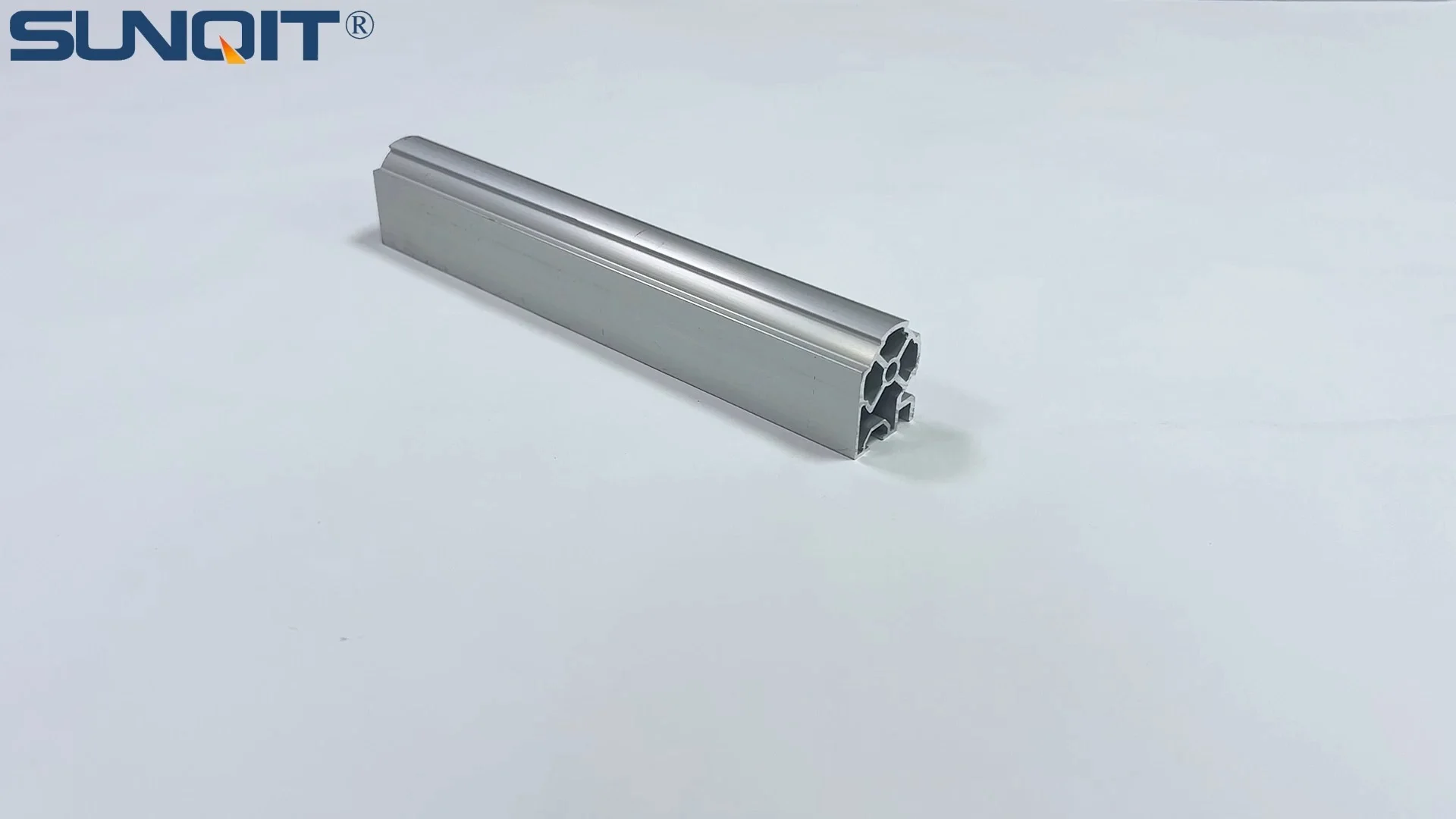
Aluminum pipe with tray holder,the pipe one side connected by a joint, the other side with a slot which can hold a tray or a aluminum pannel.
The Backbone of Efficient Workspaces
Walk into any high-performing workshop, manufacturing plant, or logistics hub, and you'll quickly spot the quiet force driving order and productivity: aluminum pipes with tray holders. These unassuming structures do more than just hold tools or materials—they're the building blocks of lean systems, the organizers of chaos, and the silent partners in keeping operations running smoothly. But here's the thing: no two workspaces are the same. A small electronics assembly line has different needs than a heavy-duty automotive plant, and a boutique workshop's layout won't match a large-scale distribution center. That's where customization comes in. When you can tailor your aluminum pipe with tray holders to fit your space, brand, and load requirements, you're not just buying equipment—you're investing in a system that works
for you
. Let's dive into how size, color, and load capacity customization can transform your workspace from "good enough" to "perfectly aligned."
Why One-Size-Fits-All Rarely Fits Anyone
Think about your favorite pair of jeans. They're comfortable, functional, and make you feel confident—not because they're a generic "medium," but because they're tailored to your body. The same logic applies to workspace equipment. Standard aluminum pipe with tray holders might get the job done, but they often leave gaps: a tray that's too shallow for your tools, a pipe length that wastes valuable floor space, or a load capacity that forces you to overcrowd (or underuse) your setup. Customization eliminates these frustrations. It lets you design around your workflow, not the other way around. Maybe you need a compact system for a tight corner, or a bold color to match your company's branding. Perhaps you're handling delicate components that require a lightweight setup, or heavy machinery parts that demand industrial-strength support. Whatever your needs, customization ensures your aluminum pipe with tray holders isn't just a piece of equipment—it's an extension of your workspace's unique personality and purpose.

Size Customization: Fit Every Inch of Your Space
Size isn't just about "how big" or "how small"—it's about precision. The right dimensions ensure your aluminum pipe with tray holders integrates seamlessly with existing systems (like aluminum profile workbenches or material racks) and maximizes every square foot of your workspace. Let's break down the key size variables:
Pipe Diameter: The backbone of your system, pipe diameter directly impacts stability and compatibility with aluminum pipe accessories. Common options start at 20mm (ideal for lightweight tasks like holding small tools) up to 40mm (built for heavier loads, such as bulk material storage). For example, a 30mm diameter is a versatile middle ground—strong enough to support medium-weight trays but slim enough to fit into compact workbenches. If you're using your setup alongside aluminum profile structures, matching diameters ensures a cohesive, wobble-free system.
Pipe Length: Length customization is where you really tailor to your space. Need a 6-foot vertical pipe to reach overhead storage? Or a 3-foot horizontal bar to span between two workbenches? Suppliers can cut aluminum lean pipe to exact measurements, eliminating the need for awkward adjustments or wasted space. Just remember: longer pipes may require additional support (like mid-span brackets) to maintain stability, especially when loaded. A good rule of thumb? For pipes over 5 feet, consult with your supplier about reinforcing with aluminum pipe accessories like center support brackets.
Tray Dimensions: Trays are where the rubber meets the road (or the tools meet the workspace). Depth, width, and height all matter. A 12-inch deep tray might be perfect for holding power tools, while a 6-inch shallow tray works better for small fasteners or electronic components. Length-wise, trays can span the full length of the pipe or be segmented into smaller sections for organization. Some suppliers even offer adjustable dividers, letting you split a single tray into compartments for different materials—no extra pipes needed.
To visualize how these elements come together, here's a quick reference table of common size combinations and their typical uses:
The goal? A size that feels like it was designed
for
your space, not just dropped into it.
Pipe Diameter: The backbone of your system, pipe diameter directly impacts stability and compatibility with aluminum pipe accessories. Common options start at 20mm (ideal for lightweight tasks like holding small tools) up to 40mm (built for heavier loads, such as bulk material storage). For example, a 30mm diameter is a versatile middle ground—strong enough to support medium-weight trays but slim enough to fit into compact workbenches. If you're using your setup alongside aluminum profile structures, matching diameters ensures a cohesive, wobble-free system.
Pipe Length: Length customization is where you really tailor to your space. Need a 6-foot vertical pipe to reach overhead storage? Or a 3-foot horizontal bar to span between two workbenches? Suppliers can cut aluminum lean pipe to exact measurements, eliminating the need for awkward adjustments or wasted space. Just remember: longer pipes may require additional support (like mid-span brackets) to maintain stability, especially when loaded. A good rule of thumb? For pipes over 5 feet, consult with your supplier about reinforcing with aluminum pipe accessories like center support brackets.
Tray Dimensions: Trays are where the rubber meets the road (or the tools meet the workspace). Depth, width, and height all matter. A 12-inch deep tray might be perfect for holding power tools, while a 6-inch shallow tray works better for small fasteners or electronic components. Length-wise, trays can span the full length of the pipe or be segmented into smaller sections for organization. Some suppliers even offer adjustable dividers, letting you split a single tray into compartments for different materials—no extra pipes needed.
To visualize how these elements come together, here's a quick reference table of common size combinations and their typical uses:
| Pipe Diameter | Max Pipe Length | Tray Size (W x D) | Best For |
|---|---|---|---|
| 20mm | 4ft | 18" x 6" | Small tools, electronics components |
| 30mm | 6ft | 24" x 10" | Medium tools, assembly line parts |
| 40mm | 8ft | 36" x 14" | Heavy machinery parts, bulk materials |

Color Customization: More Than Just Aesthetics
Color might seem like a "nice-to-have," but in the world of workspaces, it's a "need-to-have." The right hue can boost safety, reinforce branding, and even improve workflow efficiency. Here's how to make color work for you:
Standard Color Options: Most suppliers offer a range of go-to shades designed for functionality. Neutral tones like grey and black are popular for cleanrooms or minimalist setups—they hide dust and blend into the background. Bright colors like yellow or red, on the other hand, are perfect for high-visibility areas: think tool trays near assembly lines or safety zones where workers need to quickly spot materials. White is a favorite in labs or medical facilities, as it reflects light and creates a sterile, professional look.
Custom RAL Colors: For brands that want to make a statement, custom RAL color matching is a game-changer. RAL is a standardized color system used globally, so you can match your aluminum pipe with tray holders to your company's exact logo shade. Imagine walking into a workshop where every tray holder, pipe, and even aluminum pipe accessories (like connectors or clamps) sport your brand's signature blue—it's a subtle but powerful way to reinforce team pride and professionalism. Plus, custom colors can serve functional purposes: a warehouse might use green trays for "incoming" materials and red for "outgoing," reducing confusion and speeding up workflows.
Durability Matters: When customizing color, don't overlook the finish. Powder coating is the gold standard here—it's resistant to scratches, chips, and fading, even in high-traffic areas. Unlike paint, powder coating bonds to the aluminum lean pipe's surface, creating a tough layer that stands up to daily wear and tear. So whether you choose a standard shade or a custom RAL, you can trust your color will look fresh for years.
Standard Color Options: Most suppliers offer a range of go-to shades designed for functionality. Neutral tones like grey and black are popular for cleanrooms or minimalist setups—they hide dust and blend into the background. Bright colors like yellow or red, on the other hand, are perfect for high-visibility areas: think tool trays near assembly lines or safety zones where workers need to quickly spot materials. White is a favorite in labs or medical facilities, as it reflects light and creates a sterile, professional look.
Custom RAL Colors: For brands that want to make a statement, custom RAL color matching is a game-changer. RAL is a standardized color system used globally, so you can match your aluminum pipe with tray holders to your company's exact logo shade. Imagine walking into a workshop where every tray holder, pipe, and even aluminum pipe accessories (like connectors or clamps) sport your brand's signature blue—it's a subtle but powerful way to reinforce team pride and professionalism. Plus, custom colors can serve functional purposes: a warehouse might use green trays for "incoming" materials and red for "outgoing," reducing confusion and speeding up workflows.
Durability Matters: When customizing color, don't overlook the finish. Powder coating is the gold standard here—it's resistant to scratches, chips, and fading, even in high-traffic areas. Unlike paint, powder coating bonds to the aluminum lean pipe's surface, creating a tough layer that stands up to daily wear and tear. So whether you choose a standard shade or a custom RAL, you can trust your color will look fresh for years.
Load Capacity: Build for What You Actually Carry
Load capacity is where customization moves from "convenient" to "critical." A system that can't handle your daily load isn't just inefficient—it's dangerous. But overbuilding (choosing a heavy-duty setup when you only need light support) wastes money and space. The key is to match your load needs to the right materials and design. Here's what to consider:
Material Thickness: Aluminum lean pipe comes in different wall thicknesses, and thicker walls mean more strength. A 1.2mm wall is great for lightweight tasks (holding paperwork, small tools, or empty bins), while 2.0mm walls are built for heavy loads—think 50+ pounds per linear foot. If you're unsure, ask your supplier for load-test data: reputable manufacturers will provide specs on how much weight their pipes can support horizontally and vertically.
Joint Quality: Even the strongest pipe won't hold if the joints fail. That's where high-quality aluminum pipe accessories come in. Heavy-duty connectors (like internal rotary aluminum joints or parallel fixation joints) distribute weight evenly and prevent wobbling. For extra stability, look for joints with reinforced bolts or locking mechanisms—they'll keep your tray holder secure even when loaded to capacity. Avoid cheap plastic joints for heavy loads; they're prone to cracking under pressure.
Real-World Load Examples: Let's put this in perspective. A light-duty setup (20mm pipe, 1.2mm wall, plastic joints) might handle 10-15 pounds per tray—perfect for a workbench holding screwdrivers, tape measures, and small parts. A medium-duty system (30mm pipe, 1.5mm wall, aluminum joints) could support 25-40 pounds, ideal for power tools or boxes of hardware. Heavy-duty? Think 40mm pipe, 2.0mm wall, and industrial-grade steel-reinforced joints—capable of 50+ pounds per tray, great for automotive parts, metal components, or bulk material storage.
Don't Forget Dynamic Loads: It's not just about static weight (materials sitting still). If you're moving your tray holder (say, on casters) or loading/unloading frequently, factor in dynamic loads—sudden shifts in weight can stress the system more than a steady load. In these cases, err on the side of slightly higher capacity to avoid strain.
Material Thickness: Aluminum lean pipe comes in different wall thicknesses, and thicker walls mean more strength. A 1.2mm wall is great for lightweight tasks (holding paperwork, small tools, or empty bins), while 2.0mm walls are built for heavy loads—think 50+ pounds per linear foot. If you're unsure, ask your supplier for load-test data: reputable manufacturers will provide specs on how much weight their pipes can support horizontally and vertically.
Joint Quality: Even the strongest pipe won't hold if the joints fail. That's where high-quality aluminum pipe accessories come in. Heavy-duty connectors (like internal rotary aluminum joints or parallel fixation joints) distribute weight evenly and prevent wobbling. For extra stability, look for joints with reinforced bolts or locking mechanisms—they'll keep your tray holder secure even when loaded to capacity. Avoid cheap plastic joints for heavy loads; they're prone to cracking under pressure.
Real-World Load Examples: Let's put this in perspective. A light-duty setup (20mm pipe, 1.2mm wall, plastic joints) might handle 10-15 pounds per tray—perfect for a workbench holding screwdrivers, tape measures, and small parts. A medium-duty system (30mm pipe, 1.5mm wall, aluminum joints) could support 25-40 pounds, ideal for power tools or boxes of hardware. Heavy-duty? Think 40mm pipe, 2.0mm wall, and industrial-grade steel-reinforced joints—capable of 50+ pounds per tray, great for automotive parts, metal components, or bulk material storage.
Don't Forget Dynamic Loads: It's not just about static weight (materials sitting still). If you're moving your tray holder (say, on casters) or loading/unloading frequently, factor in dynamic loads—sudden shifts in weight can stress the system more than a steady load. In these cases, err on the side of slightly higher capacity to avoid strain.
Accessories: The Customization Force Multipliers
You could have the perfect size, color, and load capacity—but without the right aluminum pipe accessories, your system will feel incomplete. Accessories turn a basic tray holder into a versatile, multi-functional tool. Here are a few must-consider add-ons:
Casters: Need mobility? Add lockable casters to turn your stationary tray holder into a rolling workstation. Great for moving materials between workbenches or reconfiguring your space on the fly.
Dividers & Organizers: Split trays into compartments with adjustable dividers, or add hooks for hanging tools. These small touches eliminate clutter and make it easier to find what you need, when you need it.
Label Holders: Keep materials organized with clip-on label holders. Perfect for tracking inventory or designating "in" vs. "out" trays in busy environments.
Lighting Brackets: For workbenches or assembly stations, attach LED light brackets to your aluminum pipe—no more squinting to see small parts.
The best part? Most accessories are color-matched to your pipe, so your system looks cohesive even with added features. It's customization beyond the basics—building a setup that grows with your needs.
Casters: Need mobility? Add lockable casters to turn your stationary tray holder into a rolling workstation. Great for moving materials between workbenches or reconfiguring your space on the fly.
Dividers & Organizers: Split trays into compartments with adjustable dividers, or add hooks for hanging tools. These small touches eliminate clutter and make it easier to find what you need, when you need it.
Label Holders: Keep materials organized with clip-on label holders. Perfect for tracking inventory or designating "in" vs. "out" trays in busy environments.
Lighting Brackets: For workbenches or assembly stations, attach LED light brackets to your aluminum pipe—no more squinting to see small parts.
The best part? Most accessories are color-matched to your pipe, so your system looks cohesive even with added features. It's customization beyond the basics—building a setup that grows with your needs.
From Design to Delivery: Working with the Right Supplier
Customization is only as good as the supplier behind it. To ensure your aluminum pipe with tray holders meets (and exceeds) expectations, look for a partner who:
Offers End-to-End Support: From design to post-delivery adjustments, the best suppliers guide you through every step. They'll ask questions about your workflow, space constraints, and load needs to recommend the right specs.
Uses High-Quality Materials: Cheap aluminum or flimsy accessories will undo all your customization efforts. Look for suppliers who use aerospace-grade aluminum (resistant to corrosion and bending) and rigorously test their joints and hardware.
Has a Track Record of Custom Projects: Ask for case studies or photos of past custom builds. A supplier who's designed for diverse industries (manufacturing, healthcare, retail) will have the expertise to handle your unique needs.
Remember: customization isn't a luxury—it's an investment in efficiency, safety, and long-term productivity. When your aluminum pipe with tray holders fits your space like a glove, your team works faster, your materials stay organized, and your workspace feels intentional. And isn't that the goal?
Offers End-to-End Support: From design to post-delivery adjustments, the best suppliers guide you through every step. They'll ask questions about your workflow, space constraints, and load needs to recommend the right specs.
Uses High-Quality Materials: Cheap aluminum or flimsy accessories will undo all your customization efforts. Look for suppliers who use aerospace-grade aluminum (resistant to corrosion and bending) and rigorously test their joints and hardware.
Has a Track Record of Custom Projects: Ask for case studies or photos of past custom builds. A supplier who's designed for diverse industries (manufacturing, healthcare, retail) will have the expertise to handle your unique needs.
Remember: customization isn't a luxury—it's an investment in efficiency, safety, and long-term productivity. When your aluminum pipe with tray holders fits your space like a glove, your team works faster, your materials stay organized, and your workspace feels intentional. And isn't that the goal?
Final Thoughts: Your Workspace, Your Way
Aluminum pipe with tray holders might not be the flashiest part of your workspace, but they're one of the most impactful. By customizing size, color, and load capacity, you're not just upgrading equipment—you're creating a system that aligns with how
you
work. Whether you're outfitting a small workshop or a large manufacturing plant, the right customization turns generic tools into tailored solutions. So don't settle for "good enough." Invest in aluminum pipe with tray holders that fit your space, reflect your brand, and support your unique load needs. Your team (and your bottom line) will thank you.