- Company Articles
- Products and Technology
- Product knowledge
- Aluminum Pipe with Tray Holder Design Features: What Makes a Quality Product?

Aluminum Pipe with Tray Holder Design Features: What Makes a Quality Product?
Related Product
Aluminum Pipe with Tray Holder
Aluminum pipe with tray holder,the pipe one side connected by a joint, the other side with a slot which can hold a tray or a aluminum pannel.
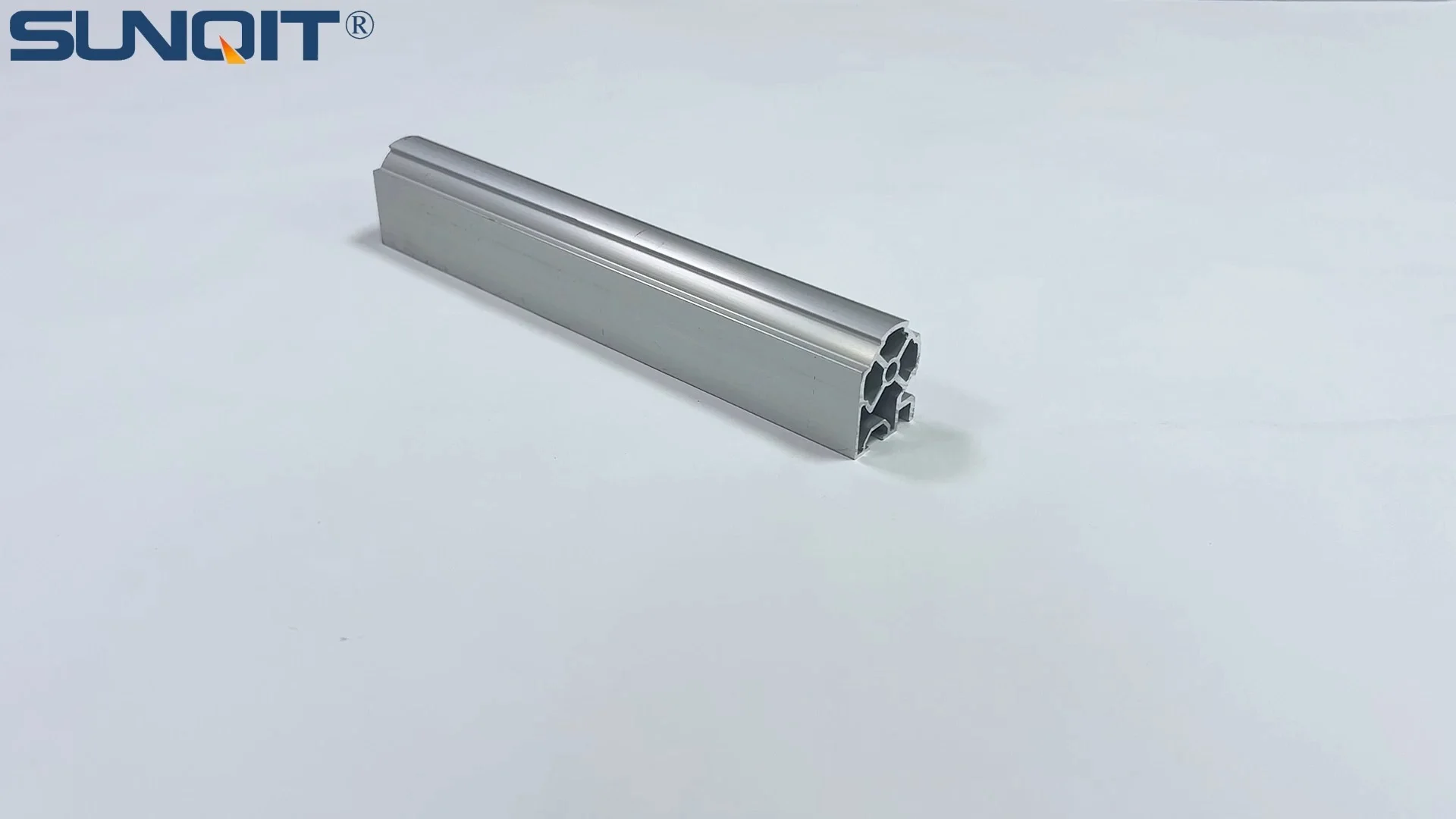
Walk into any modern factory, warehouse, or workshop today, and you'll likely spot a common sight: sleek, modular workstations and material racks built from lightweight, silver-toned pipes, often fitted with tray holders that keep tools, parts, and supplies neatly organized. These aren't just random pieces of equipment—they're the backbone of lean systems, designed to streamline workflows, reduce waste, and boost productivity. At the heart of many of these setups lies a yet critical component: the aluminum pipe with tray holder. But not all of these products are created equal. A poorly designed aluminum pipe with a flimsy tray holder can slow down operations, create safety hazards, and cost businesses more in replacements over time. On the flip side, a quality product becomes an invisible workhorse, seamlessly integrating into daily tasks and making life easier for everyone from assembly line workers to warehouse managers. So, what separates a throwaway product from one that stands the test of time? Let's dive into the design features, materials, and engineering choices that define a truly quality aluminum pipe with tray holder.
Understanding the Basics: What Exactly Is an Aluminum Pipe with Tray Holder?
Before we dissect what makes a quality product, let's clarify what we're talking about. An aluminum pipe with tray holder is a modular system component typically used in material handling, workbench setups, and storage solutions. At its core, it consists of two main parts: the aluminum lean pipe (the structural "backbone") and the tray holder (the attachment that holds tools, parts, or materials). These are often paired with aluminum pipe accessories like joints, brackets, or guide rails to create custom configurations tailored to specific tasks. Unlike traditional steel pipes, aluminum lean pipe is lightweight yet surprisingly strong, making it ideal for building everything from simple workbench shelves to complex conveyor-integrated material racks. The tray holder itself can range from a simple flat platform to a multi-tiered, angled design, depending on whether it's meant to hold small screws, heavy machinery parts, or delicate electronic components. What ties it all together is the aluminum profile—the extruded aluminum shape that gives the pipe its strength and compatibility with accessories. Think of it as the building block: without a high-quality profile, even the best tray holder will underperform.
Key Design Features That Define Quality
Quality in an aluminum pipe with tray holder isn't just about "feeling sturdy"—it's a result of intentional engineering choices. Let's break down the most critical design features that set top-tier products apart.
1. Material Quality: Aluminum Alloys and the Science of Strength
The first thing to check is the aluminum itself. Not all aluminum is created equal, and the alloy used directly impacts durability, weight, and resistance to wear. Most high-quality aluminum lean pipes are made from 6061 or 6063 aluminum alloys—both known for their excellent strength-to-weight ratio and corrosion resistance. 6061, for example, is often heat-treated to enhance its mechanical properties, making it strong enough to support heavy loads (think 50+ kg per linear meter) while remaining light enough for workers to reconfigure without heavy machinery. In contrast, cheaper products might use pure aluminum or lower-grade alloys, which bend easily under stress or develop unsightly rust when exposed to moisture (a common issue in factories with high humidity). Another telltale sign of quality is the aluminum extrusion profile process. Reputable manufacturers use precision extrusion, where molten aluminum is forced through a die to create uniform, consistent shapes with smooth surfaces. This ensures that every pipe has the same wall thickness and structural integrity, reducing weak points that could fail over time. Low-quality pipes, by contrast, might have uneven walls or rough edges—signs of shoddy extrusion that can lead to unstable joints or premature bending.
2. Structural Integrity: Joints and Connections That Won't Wobble
You could have the strongest aluminum pipe in the world, but if the joints holding it together are weak, the entire system will fail. This is where aluminum pipe accessories like internal rotatary aluminum joints or parallel fixation aluminum pipe joints come into play. Quality joints are designed to create a tight, rattle-free connection between pipes and tray holders. Look for joints made from die-cast aluminum (not plastic or cheap steel) with precision-machined threads or locking mechanisms. For example, internal rotatary joints allow for 360-degree rotation during setup, making it easy to adjust the tray holder's angle, but lock securely in place once tightened—no slipping mid-use. Cheap plastic joints, on the other hand, often strip easily or loosen over time, causing the tray holder to sag or tilt. Another key detail is the fit between the pipe and joint. High-quality systems use standardized sizes (like 28mm or 40mm diameter pipes) that pair perfectly with their accessories, ensuring a snug, wobble-free connection. If you can wiggle the tray holder after assembly, that's a red flag—the joint likely isn't engineered to hold the pipe securely.
3. Tray Holder Design: Ergonomics Meets Functionality
The tray holder itself is where form meets function. A quality design should prioritize both usability and durability. Start with load capacity: a well-designed tray holder will clearly state its maximum weight limit (e.g., 20kg per tray) and be reinforced at stress points (like the corners or where it attaches to the pipe). Look for features like raised edges to prevent items from sliding off, non-slip surfaces (often rubberized or textured) to keep tools in place during movement, and drainage holes if the tray might be exposed to liquids (common in automotive or food processing plants). Ergonomics matter too. The tray should be positioned at a height that reduces bending or reaching—critical for preventing worker fatigue. Some advanced designs even offer adjustable angles (tilting up to 30 degrees) so workers can position parts at eye level, speeding up assembly tasks. Compare this to a cheap tray holder that's too shallow, lacks edges, or is fixed at an awkward angle—suddenly, workers are wasting time picking up dropped screws or straining their backs to reach tools, defeating the purpose of a "lean" system.
4. Compatibility and Modularity: Building for the Future
In today's fast-paced workplaces, flexibility is key. A quality aluminum pipe with tray holder should integrate seamlessly with other lean system components, allowing you to adapt as needs change. This means compatibility with everything from roller tracks (for moving materials between stations) to casters (for mobile workbenches) to aluminum guide rails (for organizing tools). For example, if you start with a simple workbench and later want to add a conveyor system, your tray holder should attach to the same aluminum profile without requiring custom modifications. Modularity also extends to ease of disassembly and reconfiguration. High-quality systems use tool-free or quick-release joints, so workers can rearrange tray holders in minutes, not hours. Cheap systems, by contrast, often use permanent or proprietary connections that make modifications nearly impossible—locking you into a setup that might become obsolete as your workflow evolves.
5. Surface Treatment: Protection Against the Elements
Finally, don't overlook the finish. A quality aluminum pipe with tray holder will have a surface treatment that enhances durability and aesthetics. Anodizing is the most common process here: it creates a protective oxide layer on the aluminum, making it resistant to scratches, chemicals, and UV damage. Anodized finishes also come in a range of colors (silver, black, blue) to match workplace aesthetics or color-code zones (e.g., red trays for hazardous tools, green for general use). Powder coating is another option, offering a thicker, more uniform finish that's ideal for high-wear areas. In contrast, cheap products might skip surface treatment altogether, leaving the aluminum bare and vulnerable to scratches, stains, or even oxidation (that dull, chalky film that develops over time). A quick test: run your fingernail firmly across the surface—if it leaves a mark, the finish is likely low-quality.

The Unsung Heroes: Aluminum Pipe Accessories That Elevate Performance
A quality aluminum pipe with tray holder is only as good as the accessories that support it. These small components might seem insignificant, but they're critical for ensuring stability, flexibility, and longevity. Let's highlight a few must-have accessories and how they impact overall quality:
- Internal Rotary Aluminum Joints: These allow the tray holder to swivel 180 degrees, making it easy to access tools from both sides of a workbench. Quality joints have smooth rotation without play, ensuring the tray stays in place once positioned.
- Aluminum Guide Rails: Installed along the edges of the tray, these help organize small parts or tools into compartments, preventing mix-ups. Look for rails with rounded edges to avoid snags and compatible with dividers for customizable storage.
- Caster Wheels: When paired with a mobile workbench, high-quality casters (with locking brakes) make it easy to move the entire setup. Cheap casters often have plastic wheels that crack under heavy loads or lock mechanisms that fail, turning a "mobile" workstation into a frustrating, immobile obstacle.
- Reinforcement Brackets: For tray holders supporting heavy loads, these brackets add extra stability at the connection point between the tray and pipe. They're often made from thick-gauge steel or aluminum and bolted (not just clipped) into place for maximum strength.
The best accessory sets are designed to work together seamlessly—no mismatched sizes or flimsy plastic parts. Reputable suppliers will even offer compatibility charts, ensuring you can mix and match components without worrying about fit issues.

Real-World Impact: Where Quality Translates to Results
To understand why these design features matter, let's look at how quality aluminum pipes with tray holders perform in real workplaces. Take a mid-sized electronics manufacturer that recently upgraded from steel pipe shelving to aluminum lean pipe workbenches with integrated tray holders. Before the upgrade, workers spent 15-20 minutes per shift searching for small components (resistors, capacitors) that fell off shallow, unorganized steel trays. The steel pipes were also heavy, making it impossible to reconfigure the workbench when production lines changed. After switching to aluminum, they noticed three immediate improvements: first, the non-slip, angled tray holders kept parts in place, cutting search time by 70%. Second, the lightweight aluminum pipes allowed workers to rearrange the setup in under an hour when a new product line was introduced. Third, the corrosion-resistant finish meant the workbenches still looked new after two years, compared to the rusted steel shelves they replaced. The result? A 12% increase in assembly line productivity and a 30% reduction in workplace injuries from strained backs—all from upgrading a single component.
Another example is a warehouse using material racks with aluminum pipe tray holders. The previous racks used plastic-coated steel pipes that bent under the weight of heavy boxes, and the tray holders sagged, causing boxes to tip. After switching to 6063 aluminum lean pipes with reinforced tray holders, the racks could support 50% more weight without deformation, and the modular design allowed them to add extra tiers as inventory grew. Workers reported fewer strained muscles from lifting boxes off sagging shelves, and inventory checks became faster because items stayed organized. In both cases, the upfront cost of quality aluminum products was offset by long-term savings in time, labor, and replacements.
How to Spot a Quality Product: A Practical Buyer's Guide
With so many options on the market, how do you separate the best from the rest? Here's a checklist to help you evaluate aluminum pipes with tray holders:
| Feature | Sign of Quality | Red Flag (Low Quality) |
|---|---|---|
| Material | 6061/6063 aluminum alloy; marked with alloy type and certification | Unmarked aluminum; feels lightweight or bends easily |
| Joints/Accessories | Die-cast aluminum joints; smooth, wobble-free connection | Plastic joints; loose or rattling connections |
| Tray Holder | Reinforced edges; non-slip surface; clear load capacity rating | Thin, flimsy plastic; no load rating; sharp edges |
| Finish | Anodized or powder-coated; scratch-resistant; uniform color | Bare aluminum; uneven paint; scratches easily |
| Compatibility | Works with standard lean system components (casters, roller tracks) | Proprietary sizes; no accessory compatibility chart |
Additionally, always ask the supplier for test reports or customer references. A reputable aluminum pipe supplier will happily share data on load testing, corrosion resistance, or durability. If a supplier hesitates to provide this information, that's a warning sign they might be cutting corners.
Common Pitfalls to Avoid
Even with the best intentions, it's easy to fall for marketing hype. Here are three mistakes to steer clear of:
- Choosing Price Over Quality: A $20 tray holder might seem like a steal, but if it fails after six months, you'll spend more replacing it than if you'd bought a $50 quality one upfront. Factor in downtime, replacement costs, and potential injury risks—quality always pays off.
- Ignoring Compatibility: Don't assume all "aluminum pipe" accessories work together. A tray holder designed for 28mm pipes won't fit a 40mm profile, leaving you with useless parts. Always check size charts and buy from suppliers that offer full system compatibility.
- Overlooking Future Needs: Buy for how you'll use the system in two years, not just today. If you anticipate growing inventory or new product lines, invest in modular, expandable designs that can adapt.
The Future of Aluminum Pipe Design: What's Next?
As workplaces evolve, so too will aluminum pipe with tray holder designs. We're already seeing innovations like integrated smart sensors (to track tool usage or monitor load weight), eco-friendly anodizing processes (using less energy and chemicals), and 3D-printed custom tray inserts (for hyper-specific part storage). Some manufacturers are even experimenting with recycled aluminum alloys, reducing environmental impact without sacrificing strength. The key takeaway? Quality design will always prioritize durability, flexibility, and user-centric features—trends that will only become more important as workplaces strive for greater efficiency and sustainability.
Conclusion: Quality Isn't a Luxury—It's a Necessity
At the end of the day, an aluminum pipe with tray holder might seem like a small part of a larger system, but its impact is outsized. A quality product streamlines workflows, reduces waste, and keeps workers safe—all critical for success in today's competitive manufacturing and warehousing environments. By prioritizing material quality, structural integrity, ergonomic design, and compatibility, you're not just buying a tray holder—you're investing in a more efficient, adaptable, and productive workplace. So the next time you're shopping for lean system components, remember: the best products aren't the ones that cost the least. They're the ones that work so well, you forget they're there—until you wonder how you ever managed without them.