- Company Articles
- Products and Technology
- Product knowledge
- Aluminum Pipe with Tray Holder for 3C Component Handling: Damage Prevention

Aluminum Pipe with Tray Holder for 3C Component Handling: Damage Prevention
Related Product
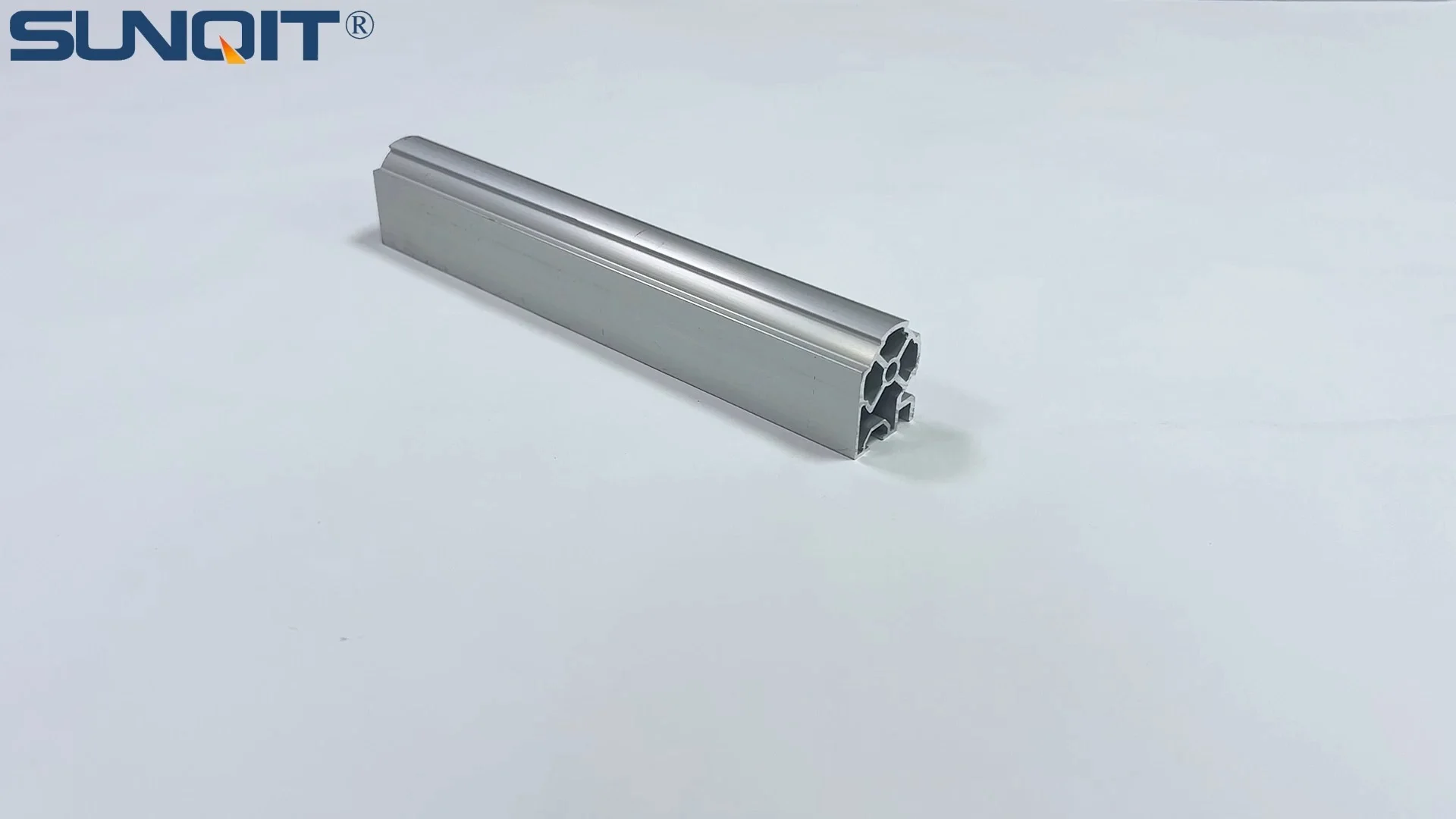
Aluminum Pipe with Tray Holder
Aluminum pipe with tray holder,the pipe one side connected by a joint, the other side with a slot which can hold a tray or a aluminum pannel.
Walk into any 3C (Computer, Communication, Consumer Electronics) manufacturing facility, and you'll quickly notice the unsung heroes of the production line: the small, intricate components that power our smartphones, laptops, and smartwatches. These parts—microchips no larger than a fingernail, delicate circuit boards, and precision-machined connectors—are the building blocks of modern tech. Yet, their fragility presents a constant challenge: even the smallest scratch or misalignment can render a component useless, leading to production delays, increased costs, and frustrated teams. This is where the humble aluminum pipe with tray holder steps in, quietly revolutionizing how 3C components are handled, stored, and transported across the factory floor.
In this article, we'll dive into why aluminum lean pipe systems, paired with thoughtfully designed tray holders, have become indispensable in 3C manufacturing. We'll explore their role in preventing damage, enhancing workflow efficiency, and supporting lean system principles. Whether you're a production supervisor looking to reduce waste or a facility manager aiming to boost throughput, understanding the value of these modular solutions could be the key to transforming your operations.
The Hidden Cost of Component Damage in 3C Manufacturing
Before we unpack the solutions, let's first acknowledge the problem: component damage is more than just a minor annoyance. In the 3C industry, where profit margins hinge on precision and scale, even a 1% increase in damage rates can translate to thousands of dollars in lost revenue. Consider this: a mid-sized smartphone factory producing 50,000 units daily uses roughly 300 components per device. A 1% damage rate here means 15,000 faulty components per day—each representing wasted materials, labor, and time.
Worse, damage often isn't discovered until late in the assembly process. A scratched display panel might pass initial inspection but fail final quality checks, requiring disassembly and replacement. This not only increases costs but also disrupts production schedules, forcing teams to rush to meet deadlines or delay shipments to clients.
Traditional handling methods—think plastic bins stacked haphazardly, manual cart transport, or rigid metal racks—are often the culprits. Plastic bins can generate static electricity, damaging sensitive electronics. Metal racks with sharp edges scratch delicate surfaces. Manual carts, while convenient, jostle components during transport, leading to loose connectors or cracked solder joints. These issues aren't just operational; they erode team morale. When workers see components they've carefully assembled get damaged due to poor handling, frustration builds, and attention to detail suffers.
Aluminum Lean Pipe: A Game-Changer for Delicate Component Handling
Enter aluminum lean pipe—a material that combines the best of strength, flexibility, and gentleness. Unlike traditional steel pipes, aluminum lean pipe is lightweight yet surprisingly durable, making it easy to maneuver while supporting the weight of component trays. Its smooth, non-corrosive surface eliminates sharp edges, reducing the risk of scratches. But what truly sets it apart is its modularity: paired with aluminum pipe accessories like joints, clamps, and tray holders, it can be configured into custom workstations, material racks, and transport systems tailored to 3C manufacturing needs.
Aluminum's natural resistance to rust and corrosion is another boon. In factories where humidity levels are tightly controlled to protect electronics, steel racks can degrade over time, leaving behind rust particles that contaminate components. Aluminum, by contrast, maintains its integrity even in controlled environments, ensuring long-term reliability. And because it's lighter than steel, aluminum lean pipe systems are easier to reconfigure as production needs change—critical in an industry where product lines evolve rapidly (think: new smartphone models every 6–12 months).
| Handling Method | Damage Rate (Avg.) | Setup Time | Flexibility for Line Changes | Long-Term Cost |
|---|---|---|---|---|
| Manual Plastic Bins | 3–5% | Low (5–10 mins) | Very Low (fixed layout) | High (frequent replacement, damage costs) |
| Steel Racks | 2–3% | High (1–2 hours) | Low (welded or bolted structures) | Medium (rust maintenance, limited reusability) |
| Aluminum Lean Pipe with Tray Holder | 0.5–1% | Medium (30–45 mins) | Very High (modular, tool-free adjustments) | Low (durable, reusable, reduces damage costs) |
The table above, based on industry benchmarks, highlights why aluminum lean pipe systems outperform traditional methods. The 0.5–1% damage rate alone is a game-changer, but when paired with their flexibility and long-term cost savings, it's clear why leading 3C manufacturers are making the switch.

Design Features of Aluminum Pipe with Tray Holder: Built to Prevent Damage
An aluminum lean pipe system is only as effective as its design. The tray holder, in particular, is a critical component—one that's often overlooked. Let's break down the key features that make aluminum pipe with tray holder systems ideal for 3C components:
Smooth, Non-Static Surfaces:
Tray holders are typically made from aluminum or high-density plastic with anti-static properties. This prevents the buildup of static electricity, which can fry sensitive microchips. Even better, the trays themselves are often lined with soft, ESD (Electrostatic Discharge) foam or rubber, cushioning components during transport.
Adjustable Angle and Height:
Not all components are the same. A circuit board needs to lie flat to avoid bending, while a connector might need to be tilted for easy access. Aluminum pipe tray holders, with their adjustable joints, let workers set angles between 0–45 degrees, reducing stress on components. Height adjustability ensures trays are at elbow level, minimizing the need for workers to bend or stretch, which can lead to accidental drops.
Secure Tray Locking Mechanisms:
Nothing is more frustrating than a tray sliding off a rack mid-transport. Aluminum pipe accessories like locking clamps or friction-fit holders keep trays firmly in place, even when the system is moved. Some designs include quick-release levers, allowing workers to remove trays with one hand—reducing fumbling and component jostling.
Modular Compatibility with Workbenches:
The best handling systems integrate seamlessly with workbenches, where most assembly happens. Aluminum pipe with tray holder systems can be bolted directly to workbench surfaces or positioned overhead, keeping components within arm's reach. This reduces the need to walk to distant racks, cutting down on transport-related damage.
Consider a scenario: a worker assembling a smartwatch motherboard needs quick access to a tray of capacitors. With a traditional rack, they might have to walk 10 feet, carry the tray back, and place it on the workbench—risking spills. With an aluminum pipe tray holder mounted above the workbench, the tray is inches away, locked in place, and angled for easy viewing. No walking, no carrying, no spills. That's efficiency and damage prevention in action.

Integrating with Lean Systems: Reducing Waste, Boosting Morale
Aluminum pipe with tray holder systems aren't just about preventing damage—they're about embracing lean system principles. Lean manufacturing, at its core, is about eliminating waste: waste of time, materials, and effort. By design, these systems address all three.
Take "motion waste," for example. In facilities with disorganized component storage, workers spend up to 20% of their time walking to retrieve parts. Aluminum pipe systems, configured as "supermarkets" near assembly lines, keep components within steps of where they're needed. This not only speeds up production but reduces the risk of damage from frequent transport.
"Inventory waste" is another target. Traditional racks often lead to overstocking, as workers fear running out of components. Aluminum pipe material racks, with clear labeling and visible tray levels, make it easy to track inventory in real time. Workers can see at a glance when stock is low, reducing over-ordering and the need to stack components high (a common cause of crushing damage).
Perhaps most importantly, lean systems built with aluminum pipe empower teams. When workers can suggest adjustments to tray heights or rack layouts—and see those changes implemented quickly using modular accessories—they feel ownership of the process. This sense of ownership translates to greater care when handling components. A worker who helped design the tray holder for their station is far more likely to ensure components are placed gently, knowing the system was built with their input.
Real-World Applications: How 3C Factories Are Using Aluminum Pipe Tray Holders
To illustrate the impact, let's look at a hypothetical but realistic case study: a mid-sized electronics manufacturer producing wireless earbuds. Prior to adopting aluminum lean pipe systems, the factory struggled with a 4% damage rate for battery modules—small, rectangular components prone to cracking if dropped or squeezed.
The team was using plastic bins stacked on steel racks. Workers would carry bins to assembly stations, often jostling them. Bins would sometimes tip over during transport, cracking batteries. Static from the plastic bins also damaged 1–2% of modules, leading to production delays.
The solution? A custom aluminum lean pipe system with tray holders. The factory installed overhead aluminum pipe racks above each assembly workbench, with adjustable tray holders positioned at a 15-degree angle. Each tray was lined with ESD foam and featured a locking clamp to prevent sliding. Workers could now slide trays directly from the rack to their workbench, eliminating the need to carry bins. The result? Damage rates dropped to 0.5%, saving the factory approximately $120,000 annually in wasted materials and rework. Equally importantly, worker satisfaction scores increased by 25%—a testament to how small changes in handling can have a big impact on team morale.
Another application is in "kitting" stations, where components for a specific product are grouped together before assembly. Aluminum pipe with tray holders can be configured into circular workstations, with trays arranged in the order components are needed. This "one-piece flow" reduces the risk of mixing up parts and ensures each component is handled only once, minimizing damage.
Choosing the Right Aluminum Pipe Accessories: A Buyer's Guide
Investing in aluminum pipe with tray holders is a smart move, but success depends on choosing the right accessories. Here's what to consider:
Joint Quality:
Look for aluminum pipe joints with a tight, secure fit. Loose joints can cause racks to wobble, leading to tray slippage. Internal rotatary aluminum joints are ideal for adjustable tray angles, as they allow smooth, tool-free rotation.
Tray Material:
For ESD-sensitive components, opt for trays made from anti-static plastic or aluminum. If components are heavy (e.g., laptop batteries), choose trays with reinforced edges to prevent bending.
Casters for Mobility:
If you need to move the system between stations, add casters with locking brakes. Look for casters with soft rubber wheels to reduce jostling during transport.
Labeling Accessories:
Clear labeling prevents mix-ups and ensures components are returned to the correct trays. Aluminum profile accessories like label holders or magnetic strips can be added to tray edges for easy identification.
Don't forget to involve your team in the selection process. Workers on the factory floor often have the best insights into what works (and what doesn't). A quick survey or focus group can reveal pain points you might have missed—like a need for deeper trays to prevent components from sliding out or taller sides for stacked storage.
Maintenance Tips: Keeping Your Aluminum Pipe System in Top Shape
An aluminum pipe with tray holder system is built to last, but regular maintenance ensures it continues to protect components. Here's a simple checklist:
Weekly Inspections:
Check joints for tightness. Loose joints can be tightened with a hex key (most aluminum pipe accessories use standard tools). Inspect tray holders for cracks or wear, especially around locking mechanisms.
Monthly Cleaning:
Wipe down aluminum pipes and trays with a soft, damp cloth to remove dust and debris. For ESD trays, use a static-neutralizing cleaner to maintain anti-static properties.
Quarterly Reconfiguration:
As production needs change, don't be afraid to reconfigure your system. Aluminum's modularity means you can add or remove pipes, adjust tray heights, or repurpose racks for new products. This flexibility ensures your system stays relevant as your factory evolves.
Training is also key. Ensure workers know how to properly lock trays, adjust angles, and report loose joints. A 15-minute training session during onboarding can prevent costly mistakes down the line.
Conclusion: More Than a Tool—A Commitment to Quality
Aluminum pipe with tray holder systems are more than just a handling solution; they're a statement about your commitment to quality. In the fast-paced world of 3C manufacturing, where every component counts, preventing damage isn't just about reducing costs—it's about respecting the work of your team, meeting customer expectations, and staying competitive in a crowded market.
By investing in aluminum lean pipe, aluminum pipe accessories, and thoughtful tray design, you're not just buying racks and pipes—you're building a culture of care. A culture where components are handled with the precision they deserve, where workers feel empowered to suggest improvements, and where efficiency and quality go hand in hand.
So, the next time you walk through your factory, take a closer look at how components are being handled. Are they being jostled, scratched, or overlooked? If so, it might be time to consider the quiet power of aluminum pipe with tray holders. Your bottom line, your team, and your customers will thank you.