- Company Articles
- Products and Technology
- Product knowledge
- Aluminum Pipe with Tray Holder for Automotive Parts Storage: Organize Efficiently

Aluminum Pipe with Tray Holder for Automotive Parts Storage: Organize Efficiently
Related Product
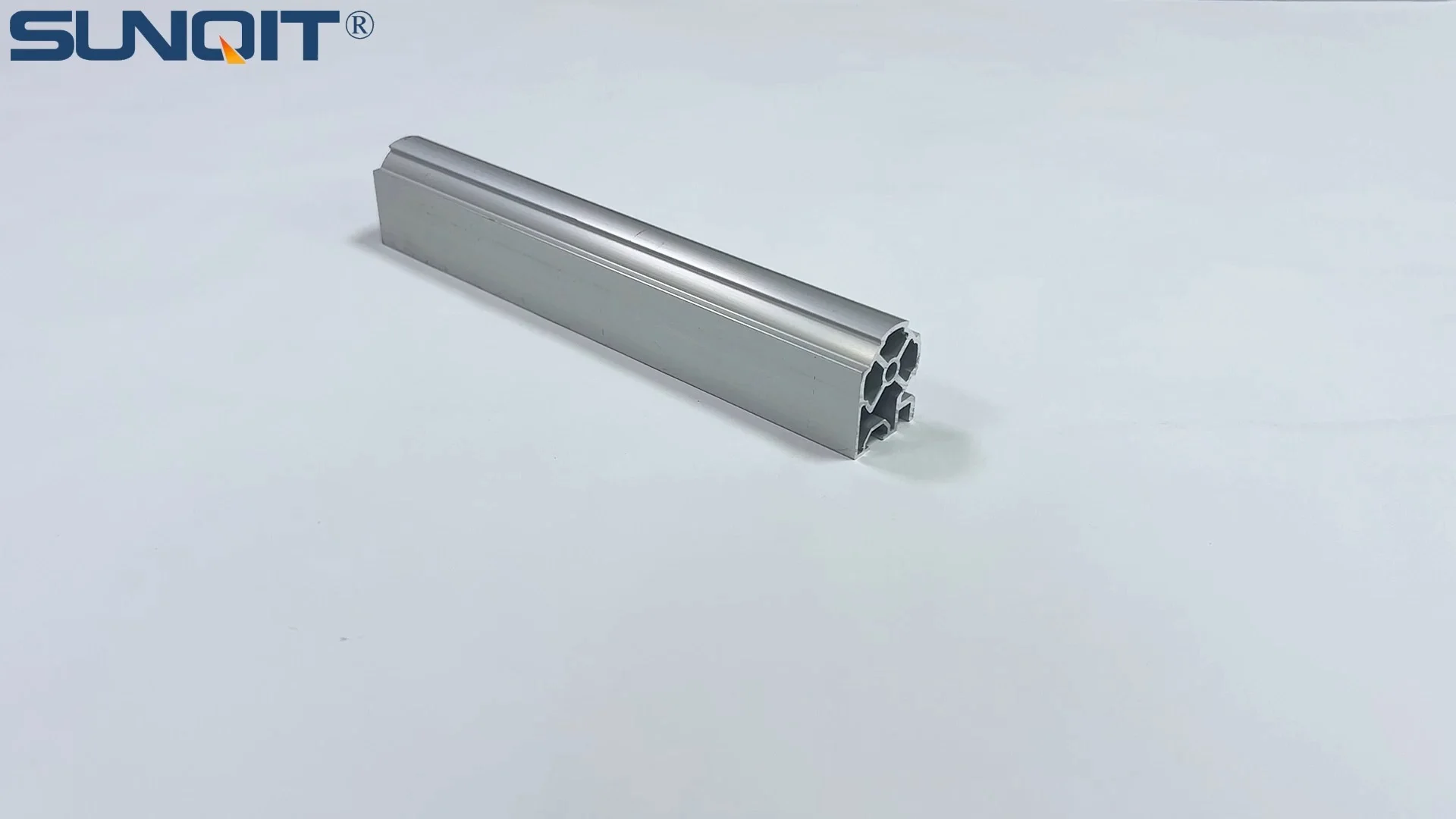
Aluminum Pipe with Tray Holder
Aluminum pipe with tray holder,the pipe one side connected by a joint, the other side with a slot which can hold a tray or a aluminum pannel.
Walk into any automotive workshop, and you'll likely spot the same challenge: parts scattered across benches, tools buried under bins, and mechanics spending precious minutes hunting for that one elusive bolt or washer. In an industry where every second counts—whether you're repairing a customer's car or assembling components on a production line—disorganized storage isn't just a nuisance; it's a silent profit killer. But what if there was a way to transform that chaos into calm? A system so flexible, durable, and tailored to your needs that finding, storing, and accessing parts becomes second nature? Enter the aluminum pipe with tray holder: a simple yet revolutionary solution that's redefining how automotive shops manage their storage.
The Problem with "One-Size-Fits-All" Storage
For decades, automotive workshops relied on rigid metal racks, flimsy plastic bins, or generic shelving units to store parts. These systems might work for a while, but they quickly reveal their flaws. Metal racks are heavy and hard to reconfigure—try moving a welded steel shelf when you need to rearrange your workspace for a new project. Plastic bins crack under heavy parts, stack unevenly, and make it impossible to see what's inside without pulling each one down. And generic shelving? It's either too deep (so parts get lost in the back) or too shallow (wasting vertical space). The result? Mechanics waste up to 20% of their day searching for parts, according to industry surveys. That's 8 hours a week per person—time that could be spent fixing cars, serving customers, or growing your business.
But the real kicker? Automotive parts come in every shape and size: tiny screws, bulky alternators, fragile sensors, and heavy brake components. A storage system that works for a spark plug won't cut it for a transmission housing. What you need is a system that adapts to your parts—not the other way around. That's where aluminum lean pipe and its accessories, like tray holders, step in.
Aluminum Lean Pipe: More Than Just a Pipe
At first glance, aluminum lean pipe might look like any other metal tube. But don't let its simplicity fool you. This lightweight, corrosion-resistant material is the backbone of modern lean manufacturing and storage systems. Unlike steel pipes, which are heavy and prone to rust, aluminum lean pipe is easy to handle—even a single person can carry a 10-foot length—and stands up to the oil, grease, and moisture common in automotive environments. Its smooth surface won't scratch delicate parts, and it's strong enough to hold heavy components without bending or warping.
But what really sets aluminum lean pipe apart is its versatility. Thanks to a range of aluminum profile accessories—think joints, brackets, and connectors—you can assemble it into almost any structure imaginable: racks, workbenches, trolleys, and yes, storage systems with tray holders. No welding, no specialized tools, no complicated instructions. Just snap the joints into place, tighten a few screws, and you're done. Need to rearrange next month? Disassemble it in minutes and start fresh. It's like building with industrial-strength Legos, but designed for the demands of a busy workshop.

Tray Holders: The Secret to "Grab-and-Go" Efficiency
If aluminum lean pipe is the skeleton of your storage system, tray holders are the muscles that make it work. These simple yet clever accessories turn empty pipes into organized, accessible storage for parts of all sizes. Picture this: a rack built from aluminum lean pipe, with adjustable tray holders mounted at different heights. Each tray holds a specific type of part—spark plugs in one, fuses in another, washers in a third—and because the holders are adjustable, you can space them to fit tall trays for bulky items or stack shallow ones for small components. No more digging through a jumbled bin; just glance at the label, grab the tray, and get back to work.
Tray holders come in a variety of styles to suit your needs. Some are fixed, ideal for parts that stay in one place, while others are sliding or tilting, making it easy to reach items at the back. Many are made from the same durable aluminum as the pipes, so they match the system's strength and longevity. You can even find plastic-coated tray holders to protect sensitive electronic parts from scratches or static. And because they're compatible with standard plastic or metal trays—many of which are color-coded—you can create a visual system where red trays mean "urgent repairs," blue means "routine maintenance," and green means "spare parts." It's organization that your entire team can understand at a glance.

Building Your System: From Workbench to Turnover Trolley
Let's get practical. How do aluminum lean pipe and tray holders translate to real-world automotive storage? Let's break down three key applications that every workshop can benefit from: the workbench, the turnover trolley, and the material rack.
1. The Workbench: Your Command Center
A mechanic's workbench is their office, and a cluttered office leads to a cluttered mind. An aluminum lean pipe workbench with integrated tray holders transforms this space into a command center. Start with a frame built from 28mm aluminum lean pipe—strong enough to support a heavy vice, parts washer, and tools, but lightweight enough to move if needed. Mount adjustable tray holders along the back and sides: keep frequently used parts (like sockets, wrenches, and electrical connectors) in trays at eye level, and less common items (specialty tools, replacement sensors) in lower trays. Add a pegboard made from aluminum profile for hanging larger tools, and a non-slip mat on the work surface to keep parts from rolling off. The result? Everything you need is within arm's reach, so you spend less time searching and more time fixing.
2. The Turnover Trolley: Parts on the Move
Ever tried carrying a stack of heavy bins across the workshop? It's slow, tiring, and risky—one wrong step, and parts go flying. A turnover trolley built from aluminum lean pipe and tray holders solves this problem. Start with a lightweight frame (aluminum keeps the total weight down, even when loaded), add four locking casters for stability, and mount stackable tray holders on all sides. Now you can load up parts for a job, roll the trolley right to the car, and have everything you need at waist height. No more trips back and forth to the storage room. And because the trolley is modular, you can add or remove tray holders depending on the job—extra trays for a full engine rebuild, fewer for a quick brake pad replacement. It's like having a mobile storage unit that follows you wherever you work.
3. The Material Rack: Vertical Storage, Maximum Space
Floor space is precious in any workshop, which is why vertical storage is a game-changer. An aluminum lean pipe material rack with tiered tray holders lets you store more parts in less space. Build a tall frame (up to 6 feet or more, depending on your ceiling height), then mount tray holders in rows from top to bottom. Use the top shelves for rarely used parts, the middle for frequently accessed items, and the bottom for heavy components (so you don't strain your back lifting). Add labels to each tray and color-code them by part type—red for electrical, blue for mechanical, yellow for body parts. Now, even new team members can find what they need in seconds. And if you expand your inventory? Just add more tray holders or extend the rack—no need to buy a whole new system.
Traditional vs. Aluminum Lean Pipe: A Side-by-Side Comparison
Still not convinced aluminum lean pipe with tray holders is right for you? Let's put it head-to-head with traditional storage solutions. The table below compares key features to help you see the difference:
| Feature | Traditional Metal Racks | Aluminum Lean Pipe with Tray Holders |
|---|---|---|
| Flexibility | Fixed shelves; hard to reconfigure without tools or welding. | Adjustable tray holders; reconfigure in minutes with basic tools. |
| Durability | Prone to rust; scratches easily; heavy and hard to move. | Corrosion-resistant aluminum; scratch-proof surface; lightweight but strong. |
| Assembly Time | Hours (requires welding or bolted connections). | Minutes (snap-together joints; no welding). |
| Cost Over Time | High (need to replace when layout changes; rust damage). | Low (reusable parts; adapts to changes; long lifespan). |
| Space Efficiency | Wastes vertical space; fixed shelf heights don't fit all parts. | Maximizes vertical space; adjustable tray heights for all part sizes. |
| User-Friendliness | Hard to reach items on high/low shelves; no visual organization. | Ergonomic heights; color-coded trays; easy access from all sides. |
A Shop's Success Story: From Chaos to Clarity
Don't just take our word for it—let's look at a real example. AutoPro Repairs, a mid-sized workshop in Ohio with 12 mechanics, was struggling with disorganized storage. Their old metal racks were overflowing, plastic bins were cracking, and mechanics were spending 25 minutes per day on average searching for parts. "We were turning away jobs because we couldn't keep up," says owner Mike Thompson. "I knew we needed a change, but I didn't want to spend a fortune on a new system."
After researching options, Mike decided to invest in an aluminum lean pipe system with tray holders from a local lean system supplier. The supplier designed a custom setup: 4 material racks with tiered tray holders, 6 workbenches with integrated tray storage, and 8 turnover trolleys. The total cost was $5,000—less than half the price of new metal racks. Installation took a single weekend, and the team was trained to use and reconfigure the system in under an hour.
The results were dramatic. Within a month, average search time dropped from 25 minutes to 5 minutes per mechanic. "Now, when a customer brings in a car, we can diagnose and fix it in record time," Mike says. "We've increased our daily job capacity by 30%, and our customer satisfaction scores have gone through the roof. Best of all, the system paid for itself in just 3 months."
Choosing the Right Lean System Supplier: What to Look For
Not all aluminum lean pipe systems are created equal, which is why choosing the right lean system supplier is critical. Here are a few key factors to consider:
- Quality Materials: Look for suppliers who use high-grade aluminum (at least 1.2mm thick) and durable accessories. Ask about weight capacity—you want tray holders that can handle 20+ pounds without sagging.
- Range of Accessories: A good supplier should offer more than just pipes and tray holders. Check for a full line of aluminum profile accessories: joints, casters, end caps, and specialty brackets. The more options, the more customized your system can be.
- Customization Support: Every workshop is unique. Choose a supplier who will work with you to design a system tailored to your space, inventory, and workflow. Avoid "one-size-fits-all" kits—they rarely meet specific needs.
- Customer Service: You shouldn't have to figure it out alone. Look for suppliers with responsive support teams who can answer questions, provide assembly tips, and help with reconfigurations down the line.
- Warranty: A quality system should come with a warranty (at least 1 year) on parts and labor. This shows the supplier stands behind their products.
Investing in Efficiency: The Bottom Line
At the end of the day, aluminum pipe with tray holders isn't just a storage solution—it's an investment in your business's efficiency, profitability, and team morale. When mechanics spend less time searching for parts, they can take on more jobs, serve more customers, and go home feeling accomplished instead of frustrated. When your workshop is organized, it's safer, cleaner, and more inviting for both employees and clients. And when you can adapt your storage system as your business grows, you avoid the waste and expense of constant replacements.
So, what are you waiting for? Take a walk through your workshop today. Notice the cluttered benches, the overflowing bins, the time slipping away. Then imagine a space where every part has a place, every tool is within reach, and every minute is spent moving your business forward. That space is possible with aluminum lean pipe and tray holders. All it takes is the first step: reaching out to a lean system supplier and saying, "Let's build something better."