- Company Articles
- Products and Technology
- Product knowledge
- Aluminum Pipe with Tray Holder for Automotive Sub-Assembly Lines: Efficiency Gains

Aluminum Pipe with Tray Holder for Automotive Sub-Assembly Lines: Efficiency Gains
Related Product
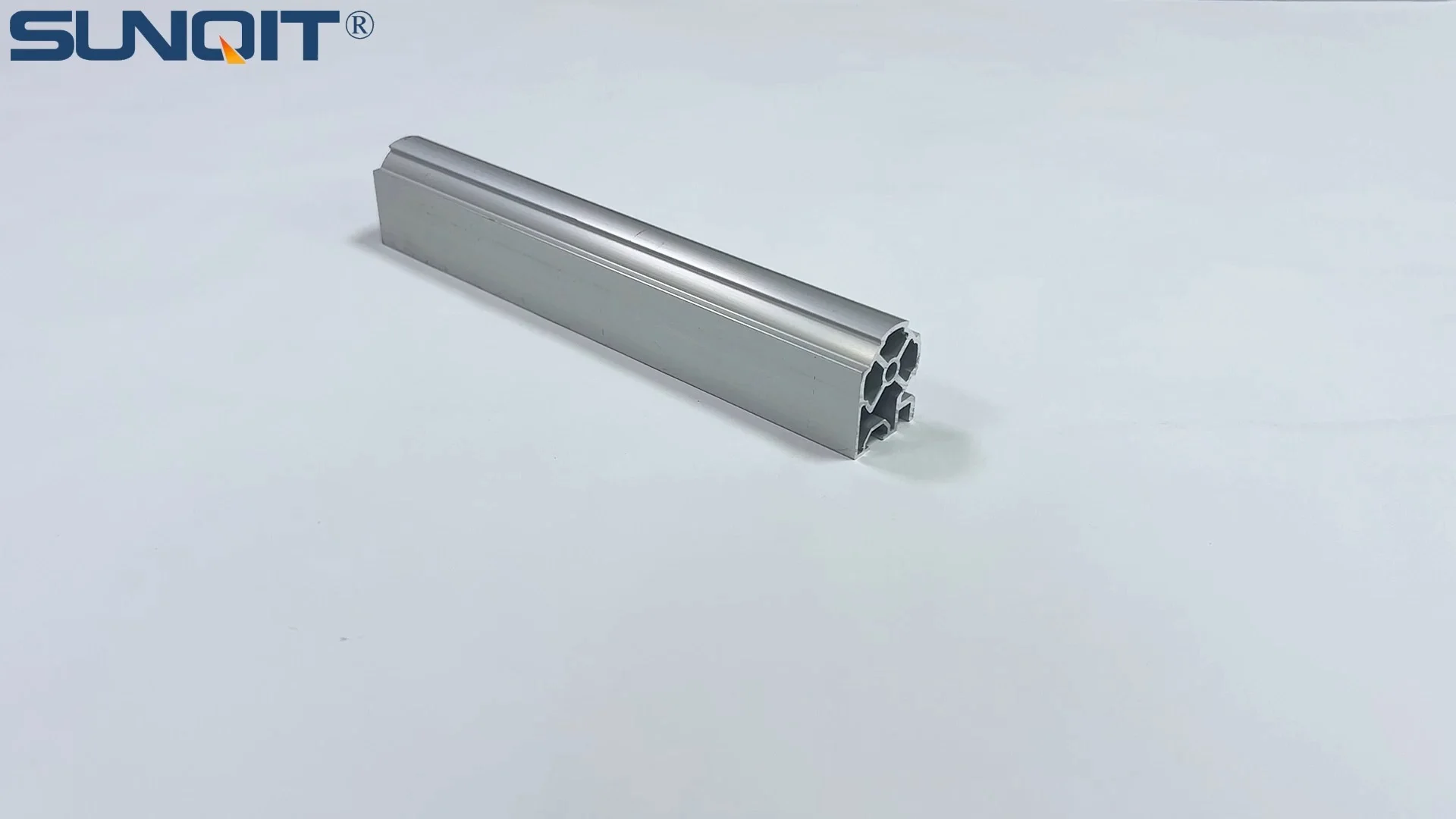
Aluminum Pipe with Tray Holder
Aluminum pipe with tray holder,the pipe one side connected by a joint, the other side with a slot which can hold a tray or a aluminum pannel.
The Beat of Automotive Sub-Assembly: Where Every Second Counts
Step onto the floor of an automotive sub-assembly line, and you'll feel it immediately—the hum of machinery, the rhythm of workers moving in sync, the constant pressure of deadlines. In this world, efficiency isn't just a buzzword; it's the lifeblood of production. Every misplaced tool, every delayed part, every awkward reach for materials eats into precious time, and in an industry where thousands of vehicles roll off the line daily, those seconds add up to lost opportunities.
For decades, sub-assembly lines relied on rigid, one-size-fits-all setups: heavy steel racks bolted to the floor, fixed workbenches that couldn't adapt to new part sizes, and clunky material handling systems that slowed down instead of speeding up workflows. Workers would waste minutes walking to retrieve tools from distant shelves, or struggle to reposition parts on inflexible tables—all while the clock ticked. It was a system built for stability, not agility, and in an era of rapid model changes and custom configurations, stability alone wasn't enough.
Enter the unsung hero of modern lean manufacturing: the aluminum pipe with tray holder. More than just a piece of equipment, it's a solution designed to breathe flexibility into the chaos of sub-assembly lines. Lightweight yet durable, modular yet sturdy, it's changing how teams organize tools, transport parts, and keep pace with the relentless demands of automotive production. Let's dive into how this simple yet ingenious tool is transforming efficiency, one tray and one pipe at a time.
What Is Aluminum Pipe with Tray Holder, Anyway?
At first glance, you might mistake it for just another metal pipe with a shelf. But look closer, and you'll see why it's become a cornerstone of lean systems in automotive plants. Aluminum pipe with tray holder is part of a broader family of aluminum lean pipe solutions—modular building blocks that let teams design custom workstations, material racks, and flow systems tailored to their exact needs. Think of it as industrial Legos for grown-ups, but built to withstand the rigors of a factory floor.
The "aluminum pipe" itself is lightweight yet surprisingly strong, typically made from high-grade aluminum extrusion profile that resists corrosion and dents—critical in environments where oil, grease, and occasional impacts are par for the course. The "tray holder" is exactly what it sounds like: a flat or angled platform (often made from aluminum or steel mesh) attached to the pipe, designed to hold tools, fasteners, small parts, or even larger components like wiring harnesses or sensor modules. What makes it special, though, is how these two elements come together with aluminum pipe accessories—joints, clamps, brackets—that let you adjust height, angle, and configuration in minutes, not days.
Unlike traditional steel setups, which require welding, drilling, or heavy machinery to modify, aluminum pipe systems use simple hand tools. Need to raise the tray by 6 inches to reduce worker bending? Swap out a shorter joint for a longer one. Want to add a second tray for new tools? Slide on a parallel aluminum joint and lock it in place. It's flexibility engineered into every component, and in automotive sub-assembly—where a single line might switch between assembling door panels for sedans in the morning and SUVs in the afternoon—that flexibility is gold.

Key Features: Why Aluminum Pipe with Tray Holder Stands Out
So, what makes this tool a game-changer for automotive sub-assembly lines? Let's break down its standout features:
- Lightweight but Tough as Nails: Aluminum is about 30% lighter than steel, which means workers can reposition tray holders or entire workstations without heavy lifting equipment. But don't let the weight fool you—high-grade aluminum lean pipe can support up to 200 pounds per linear foot, easily handling the tools, parts, and materials of sub-assembly work.
- Modular by Design: The real magic is in the accessories. From 90° aluminum pipe joints that let you build vertical towers to swivel brackets that angle trays for better access, aluminum pipe accessories turn a basic pipe into a customizable system. Need a tray that tilts for ergonomic tool access? Add a hinge joint. Want to roll the entire setup to a new line? Attach casters (more on that later). It's a system that grows and changes with your needs.
- Corrosion and Scratch Resistance: Automotive plants are messy places—oils, coolants, and cleaning agents are everywhere. Aluminum's natural resistance to rust and corrosion means your tray holders won't degrade over time, and a quick wipe-down keeps them looking (and working) like new.
- Cost-Effective in the Long Run: While the initial investment might be slightly higher than cheap steel racks, aluminum pipe systems last longer and require less maintenance. No repainting, no welding repairs, no replacing rusted parts. Plus, their modularity means you can reuse components when reconfiguring lines, cutting down on waste and replacement costs.
These features aren't just nice-to-haves—they're essential for sub-assembly lines where downtime equals lost revenue. Now, let's explore how they translate into real-world efficiency gains.

Efficiency Gains: How It Transforms the Line
Efficiency in sub-assembly isn't just about speed—it's about reducing waste, minimizing effort, and keeping workers focused on what they do best: building quality parts. Aluminum pipe with tray holders delivers on all three fronts. Here's how:
1. Less Walking, More Working
Traditional setups often force workers to walk 10–15 feet to grab tools or parts from distant racks. Multiply that by 50 trips a day, and you're looking at hours of lost productivity. With aluminum pipe tray holders mounted directly at the workbench or alongside the assembly line, everything is within arm's reach. A study by the Manufacturing Engineering Institute found that placing tools and parts within 18 inches of the work surface reduces non-value-added time by up to 35%—time that can be redirected to actual assembly work.
2. Quick Reconfigurations for Model Changes
Automotive manufacturers release new models or update existing ones every 1–2 years, and sub-assembly lines must adapt fast. With steel racks, reconfiguring a line could take days (or even weeks) of welding, drilling, and rebuilding. Aluminum pipe systems? A team of two can reposition tray holders, adjust heights, or even rebuild an entire workstation in a few hours. For example, when a plant switches from assembling 4-cylinder engine components to V6 parts, the larger parts might require taller tray holders. With aluminum joints, workers can loosen a few bolts, adjust the pipe height, and lock it back in place—no contractors, no downtime.
3. Ergonomics That Keep Workers Fresh
Fatigue kills efficiency. When workers strain to reach overhead tools or bend to grab parts from low shelves, they slow down, make more mistakes, and take more breaks. Aluminum pipe tray holders can be adjusted to match each worker's height and reach, reducing awkward postures. For instance, a 5'2" worker might need a tray at 32 inches, while a 6' tall colleague prefers 40 inches. With modular joints, each workstation can be tailored, cutting down on fatigue-related slowdowns by up to 20%, according to ergonomic studies.
4. Better Organization, Fewer Mistakes
Cluttered workbenches lead to lost tools, misplaced parts, and costly errors. Aluminum pipe tray holders can be divided into sections with dividers (another handy aluminum pipe accessory) to separate screws, bolts, sensors, and tools. Color-coded trays or labels make it easy to spot the right part at a glance, reducing the time spent searching and the risk of installing the wrong component. One automotive supplier reported a 15% drop in assembly errors after implementing organized aluminum tray systems—saving thousands in rework costs.
Working in Harmony: Integrating with Roller Track and Workbenches
Aluminum pipe with tray holders don't work in isolation—they're part of a larger ecosystem of lean tools designed to streamline material flow and assembly. Two of their closest partners? Roller track systems and workbenches.
Roller Track: Keeping Parts Moving Smoothly
Imagine a sub-assembly line where parts arrive at the workstation via a gravity-fed roller track—no need for workers to carry heavy bins or wait for forklifts. Aluminum pipe tray holders can be mounted above or alongside roller track to hold tools and small parts, creating a "one-stop shop" for assembly. For example, when assembling a car door, the door panel might slide along a roller track into the workstation, while the tray holder above holds screws, clips, and a power drill. Workers grab the panel, pick tools from the tray, and assemble—no wasted motion.
Roller track connectors make this integration seamless. These small, sturdy brackets attach aluminum pipe systems to roller track, ensuring everything stays aligned even during constant use. And since both systems are modular, you can extend the roller track or add more tray holders as production needs grow.
Workbenches: The Assembly Hub
Workbenches are the heart of sub-assembly, and aluminum pipe tray holders turn them into powerhouses of efficiency. By mounting tray holders on the sides or above the workbench, you free up valuable surface space for the assembly itself. For example, a wiring harness assembly station might have a workbench with a flat surface for laying out the harness, while tray holders on the left hold crimping tools and on the right hold zip ties and connectors. It's a setup that keeps the bench clutter-free and the worker focused.
Many workbenches today are built with aluminum profile frames, which means they're already compatible with aluminum pipe accessories. That means you can bolt tray holders directly to the bench frame, ensuring stability even during heavy use.
Efficiency in Black and White: The Numbers Speak
Still not convinced? Let's put it all in perspective with a comparison. Below is how aluminum pipe with tray holders stack up against traditional steel racks in key efficiency metrics:
| Criteria | Traditional Steel Racks | Aluminum Pipe with Tray Holders |
|---|---|---|
| Setup Time (Basic Unit) | 4–6 hours (requires welding/drilling) | 30–60 minutes (tool-free assembly with joints) |
| Reconfiguration Time (Line Change) | 2–3 days (demolition + rebuilding) | 2–4 hours (loosen bolts, adjust, retighten) |
| Worker Walking Distance per Shift | 1–2 miles (fetching tools/parts) | 0.2–0.5 miles (tools/parts at arm's reach) |
| Ergonomic Injuries (Per 100 Workers/Year) | 12–15 (strains from bending/reaching) | 3–5 (adjustable heights reduce strain) |
| 10-Year Maintenance Cost | $2,500–$3,000 (repairs, repainting, replacement) | $300–$500 (occasional joint tightening, no rust) |
| Flexibility Score (1–10) | 2 (fixed design, hard to modify) | 9 (modular, reusable, adaptable) |
The numbers tell a clear story: aluminum pipe with tray holders cut setup and reconfiguration time by 90%, reduce walking distance by 75%, and lower maintenance costs by 80%. For a sub-assembly line with 50 workers, that translates to hundreds of extra hours of productive work per year—and thousands of dollars saved.
Accessories: The Cherry on Top of Efficiency
A great system is only as good as its accessories, and aluminum pipe with tray holders have no shortage of helpers. Here are a few must-haves for maximizing efficiency:
Aluminum Pipe Accessories: The Building Blocks
From T-joints that let you branch off a main pipe to flanged bases that secure the system to the floor, aluminum pipe accessories are what make customization possible. Our favorite? The internal rotary aluminum joint, which lets trays swivel 180°, so workers can access parts from either side of the line without leaning over. It's a small detail, but it cuts down on awkward reaches and speeds up workflow.
Roller Track Connectors: Keeping Flow Smooth
As we mentioned earlier, roller track systems are a natural partner for tray holders. Roller track connectors ensure the two systems align perfectly, so parts slide smoothly into the workstation and tools stay within reach. Look for heavy-duty plastic or aluminum connectors that absorb vibration—no more jamming parts or noisy operation.
Casters and Wheels: Mobility When You Need It
Sometimes, the best workstation is one that moves. Adding casters to aluminum pipe tray holders turns them into mobile carts, perfect for transporting tools between lines or bringing parts directly to workers. Swivel casters with brakes keep the cart steady during use, then unlock for easy repositioning. It's like having a portable tool chest that never runs out of space.
Case Study: How One Plant Cut Cycle Time by 22%
XYZ Automotive Sub-Assembly Plant: Before and After
Before: The plant's door panel sub-assembly line used fixed steel racks and wooden shelves. Workers spent 15 minutes per hour walking to retrieve screws, clips, and power tools. Line reconfigurations for new models took 3 days, requiring contractors to weld new racks. Ergonomic complaints were common, with 12 workers reporting back strain in 2023.
After: The plant replaced steel racks with aluminum pipe tray holders, integrated with roller track for door panel delivery and mobile casters for tool carts. Results after 6 months:
- Cycle time per door panel dropped from 4.5 minutes to 3.5 minutes (22% faster).
- Worker walking distance per shift fell from 1.8 miles to 0.4 miles.
- Line reconfigurations now take 3 hours (down from 3 days).
- Ergonomic injuries dropped to zero—no reported strains or sprains.
"It's like night and day," said Maria, a line supervisor. "Workers aren't exhausted at the end of the shift, and we can pivot to new models without panicking. The aluminum system paid for itself in 8 months."
The Future: Leaner, Smarter, More Aluminum
As automotive manufacturing moves toward electric vehicles (EVs) and more custom configurations, the need for flexible, efficient sub-assembly systems will only grow. Aluminum pipe with tray holders are poised to lead the charge, thanks to ongoing innovations like:
- Smart Integration: Future systems might include IoT sensors in tray holders that track tool usage or alert teams when parts are running low, reducing stockouts and downtime.
- Sustainability: Aluminum is 100% recyclable, aligning with auto manufacturers' goals to reduce carbon footprints. Modular systems also cut down on waste, as components are reused instead of replaced.
- Advanced Materials: New aluminum alloys are being developed to be even lighter and stronger, opening up possibilities for higher weight capacities and more compact designs.
But even without these future upgrades, aluminum pipe with tray holders are already proving their worth. They're not just tools—they're partners in the relentless pursuit of efficiency, helping sub-assembly lines keep up with the speed of modern automotive manufacturing.
Conclusion: Invest in Efficiency That Grows with You
Automotive sub-assembly lines don't just need equipment—they need solutions that adapt, endure, and empower workers. Aluminum pipe with tray holders deliver on all three. Lightweight yet strong, modular yet sturdy, they turn rigid, frustrating setups into flexible, worker-friendly systems that cut waste, reduce effort, and boost productivity.
Whether you're building door panels, wiring harnesses, or engine components, the efficiency gains are clear: less walking, faster reconfigurations, happier workers, and a bottom line that reflects the difference. In a industry where every second counts, aluminum pipe with tray holders aren't just an investment—they're a competitive advantage.
So, the next time you walk your sub-assembly line, take a look around. Are your workers reaching, walking, or waiting more than they're assembling? If so, it might be time to swap out the old and embrace the new. After all, in the race to build better cars faster, the right tools can make all the difference.