- Company Articles
- Products and Technology
- Product knowledge
- Aluminum Pipe with Tray Holder for Communication Equipment Manufacturing

Aluminum Pipe with Tray Holder for Communication Equipment Manufacturing
Related Product
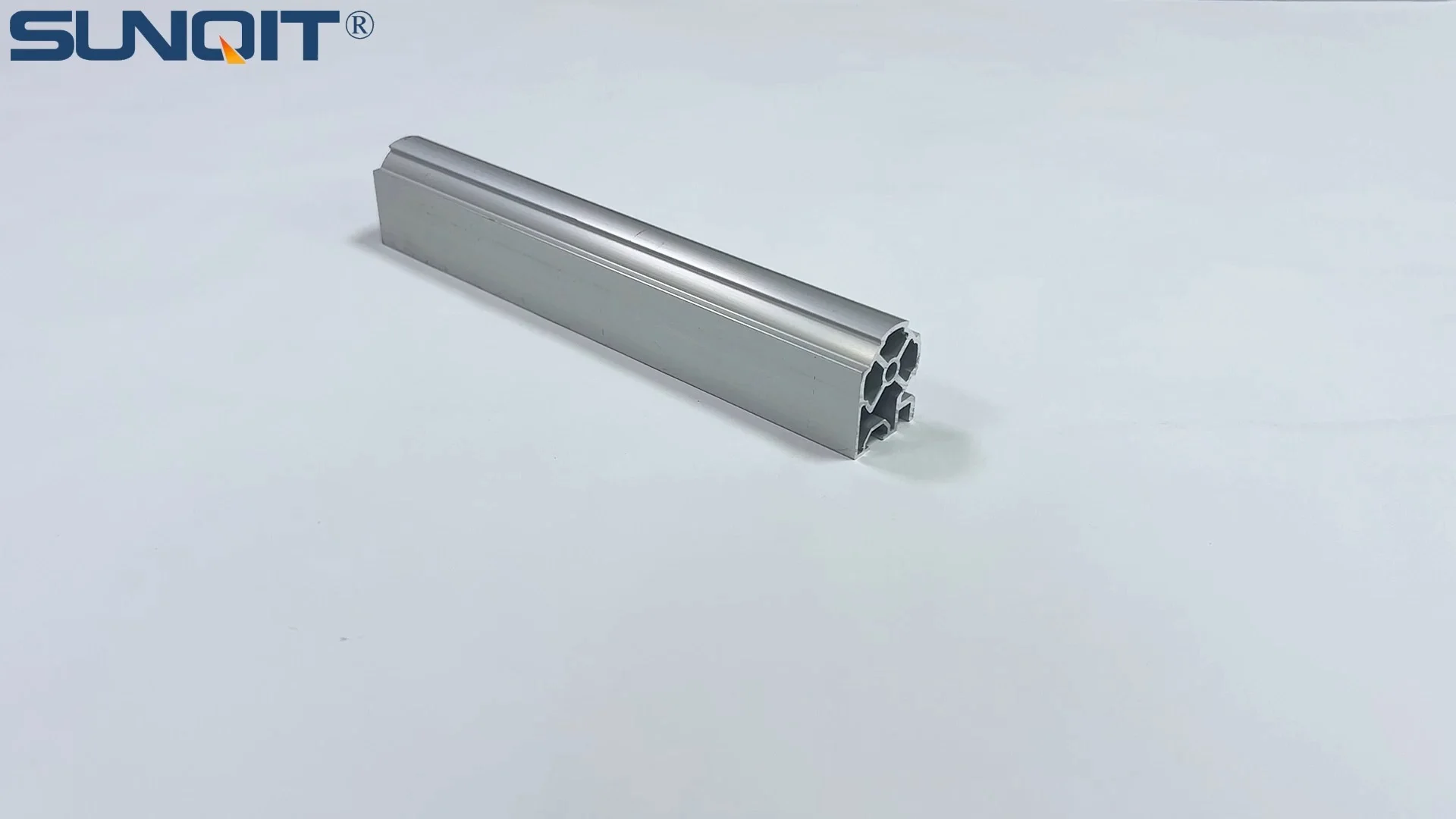
Aluminum Pipe with Tray Holder
Aluminum pipe with tray holder,the pipe one side connected by a joint, the other side with a slot which can hold a tray or a aluminum pannel.
Step into any modern communication equipment manufacturing facility, and you'll notice a rhythm—a symphony of machines, technicians, and materials moving in harmony. But behind that harmony lies a critical challenge: keeping up with the industry's relentless pace of innovation. From 5G routers to fiber optic switches, the devices powering our connected world are getting smaller, more complex, and more customizable. For factory floors, this means one thing: rigidity is the enemy. Fixed workbenches, clunky storage racks, and one-size-fits-all material handling systems simply can't keep up. Enter aluminum pipe with tray holder—a modular, lightweight solution that's quietly transforming how communication equipment is built, one adjustable joint and sliding tray at a time.
Why Material Handling Matters in Communication Manufacturing
Communication equipment manufacturing isn't just about assembling parts—it's about precision. A single misplaced screw or tangled cable can derail a production line, delay shipments, or even compromise the performance of the final product. This is why organization and adaptability aren't just nice-to-haves; they're essentials. Technicians need tools and components at their fingertips, not buried in a drawer or across the factory floor. Material racks need to accommodate everything from tiny circuit boards to bulky power supplies. And when a new product design rolls in—say, a slimmer satellite modem—the production line needs to pivot quickly, without weeks of retooling.
For years, many factories relied on steel racks or wooden shelves to solve these problems. But steel is heavy—rearranging a single rack might require two people and a forklift. Wood, while cheap, warps over time and can't withstand the wear and tear of daily use. Plastic? Too flimsy for heavy components. What manufacturers really needed was something strong but lightweight, durable but flexible, and affordable but built to last. That's where aluminum pipe with tray holder comes in.
What Is Aluminum Pipe with Tray Holder, Anyway?
At its core, aluminum pipe with tray holder is exactly what it sounds like: lightweight aluminum pipes (often 20mm to 40mm in diameter) connected by swivel joints, brackets, and other aluminum pipe accessories, with removable or sliding trays attached for storage. But don't let the simplicity fool you—this is engineering at its most practical. The pipes are made from high-grade aluminum alloy, which gives them the strength to hold heavy components (think: 50+ pounds per linear foot) without the heft of steel. The joints? They're designed to lock into place with a quick twist, no welding or drilling required. And the trays? Available in various sizes, depths, and materials (plastic, metal, even anti-static variants for sensitive electronics), they slide on and off the pipes with ease, making reconfiguration a breeze.
Imagine a technician assembling a fiber optic transceiver. They need small parts—like LC connectors and heat-shrink tubing—within arm's reach, plus a place to set the half-assembled unit while testing. With aluminum pipe with tray holder, they can build a mini workstation: a horizontal pipe above the workbench holds a shallow tray for tools, a vertical pipe to the left supports a deeper tray for components, and a lower shelf holds the testing equipment. If tomorrow's task is assembling a larger router, they can loosen the joints, adjust the pipe heights, and swap in bigger trays—all in 15 minutes. No tools, no hassle, no downtime.

Key Benefits for Communication Equipment Production
Lightweight but Strong: The Best of Both Worlds
Aluminum is 60% lighter than steel, which changes everything. A single technician can carry a 10-foot aluminum pipe with one hand, compared to struggling with a steel pipe of the same length. This lightness makes installation and reconfiguration a one-person job, cutting labor costs and reducing the risk of workplace injuries from heavy lifting. But don't mistake lightness for weakness: aluminum alloys used in these systems are treated for strength, so they can easily support the weight of communication components, from small circuit boards to large server chassis.
Modularity: Build It, Break It, Rebuild It
Communication technology moves fast. Last year's router design might be obsolete by next quarter, and production lines need to adapt. Aluminum pipe with tray holder thrives here. Unlike fixed steel structures, which are permanent once installed, these systems are designed to be taken apart and repurposed. A pipe from a disused material rack can become part of a new workbench. A tray from a retired assembly line can hold tools on a testing station. This modularity eliminates waste—no more paying to scrap old racks—and ensures the factory's infrastructure grows with its needs.
Corrosion Resistance: Perfect for Electronics
Communication equipment is sensitive to dust, moisture, and rust. Steel racks can corrode over time, leaving metal flakes that could damage circuit boards. Aluminum, on the other hand, forms a natural oxide layer that resists corrosion, even in humid factory environments. Many systems also come with anodized or powder-coated finishes for extra protection, making them ideal for cleanrooms or areas where electronics are handled. For factories producing components like modems or network switches, this isn't just a convenience—it's a quality control measure.
Cost-Effective in the Long Run
It's true: aluminum pipe with tray holder might cost more upfront than wooden shelves or basic steel racks. But look at the bigger picture. Steel racks need to be replaced every 5–7 years as they rust or bend. Wooden shelves warp and splinter, requiring frequent repairs. Aluminum systems? With proper care, they can last 10+ years, and even then, the pipes and joints can be recycled for scrap value. Add in the savings from reduced labor (faster installations, easier reconfigurations) and fewer workplace injuries, and the ROI becomes clear. One communication equipment manufacturer in Taiwan reported that their aluminum pipe systems paid for themselves in under two years—largely from the time saved on retooling for new product lines.

Aluminum Pipe with Tray Holder and the Lean System Mindset
Lean manufacturing—a philosophy focused on eliminating waste and maximizing value—has been a cornerstone of modern production for decades. Aluminum pipe with tray holder isn't just a tool; it's a lean system enabler. Here's how:
- Eliminating waste: No more overbuying custom racks for one-off products. With modular pipes and trays, you build only what you need, when you need it. If a project is canceled, the components are reused elsewhere.
- Empowering workers: Technicians know their workspaces better than anyone. Aluminum pipe systems let them adjust their stations without waiting for maintenance. A technician might add an extra tray for frequently used tools or lower a shelf to reduce bending—small changes that boost comfort and productivity.
- Continuous improvement: Lean is about constant iteration. With aluminum pipe, it's easy to test new layouts. Want to see if angled trays reduce errors? Try it for a week. If it works, keep it; if not, switch back. No permanent commitment, no wasted resources.
Aluminum Pipe Accessories: The Little Parts That Make a Big Difference
A pipe and a tray are a good start, but it's the aluminum pipe accessories that turn a basic setup into a powerhouse. Let's break down some of the most useful ones for communication manufacturing:
Swivel Joints and Connectors
These are the backbone of the system. Internal rotary aluminum joints, for example, let pipes rotate 360 degrees, so trays can be tilted or angled for easier access. Need a tray to slope toward a technician? Twist the joint. Want to fold a shelf out of the way during cleaning? Rotate it up. No tools required—just a firm grip and a turn.
Casters and Wheels
Add casters to the bottom of an aluminum pipe frame, and suddenly your stationary rack becomes a mobile workstation. This is a game-changer for line-side material delivery: a cart loaded with trays of circuit boards can roll right up to the assembly line, eliminating the need for technicians to walk back and forth to a central storage area. Many casters even have brakes, so the cart stays put during use.
Anti-Static Trays and Mats
Communication equipment often includes electrostatic discharge (ESD)-sensitive components, like microchips or capacitors. Anti-static trays (made from conductive plastic or metal) and ESD mats for workbenches prevent static buildup, protecting delicate parts from damage during assembly.
Roller Track Guide Rails
Plastic roller track guide rails (yellow or grey, depending on your color-coding system) can be attached to aluminum pipes to create gravity-fed material slides. Imagine a row of trays loaded with power supplies, sitting on a slight incline. As the top tray is emptied, the next one slides down automatically—no more bending to reach the bottom of a stack. It's a small touch, but it reduces fatigue and speeds up production.
From Workbench to Warehouse: Real-World Applications
Aluminum pipe with tray holder isn't just for assembly lines—it's versatile enough to solve problems across the entire factory. Let's look at a few common use cases in communication equipment manufacturing:
Workbench Organization
The workbench is where the magic happens, and clutter here is costly. A typical technician might spend 10–15 minutes per day searching for tools—time that adds up to 60+ hours per year. Aluminum pipe with tray holder fixes this by adding vertical storage: shallow trays above the bench hold precision tools (tweezers, wire strippers), mid-level trays hold small components (screws, washers), and larger lower trays store bulk items (cable ties, heat sinks). One factory in California reported a 25% drop in tool-searching time after installing these setups, translating to an extra 120+ production hours per technician annually.
Material Racks and Shelving
Warehouses and stockrooms need to store everything from raw materials (aluminum profiles, plastic casings) to finished products. Material rack B (a common 3-row, 3-floor design) built with aluminum pipe is lightweight enough to be rearranged seasonally but strong enough to hold 200+ pounds per shelf. Plus, adjustable shelf heights mean you can store tall items (like antenna masts) on the bottom and small boxes of screws on the top—no wasted vertical space.
Testing and Quality Control Stations
After assembly, communication equipment needs rigorous testing. A testing station might include a power supply, oscilloscope, and signal generator, plus trays for test leads and calibration tools. Aluminum pipe with tray holder keeps these tools organized and the workspace clean, reducing the risk of test errors caused by misplaced equipment. Some factories even add LED light strips to the pipe frames, illuminating the testing area for better visibility.
Aluminum Pipe vs. Traditional Materials: A Quick Comparison
| Feature | Aluminum Pipe with Tray Holder | Steel Racks | Wooden Shelves | Plastic Tubing |
|---|---|---|---|---|
| Weight (per 10ft pipe) | 5–8 lbs | 15–20 lbs | 10–12 lbs (wooden shelf) | 3–5 lbs |
| Installation Time | 15–30 mins (one person) | 2–3 hours (two people + tools) | 1–2 hours (one person + tools) | 30–45 mins (one person) |
| Reconfigurability | Easy (no tools, joints twist to adjust) | Hard (requires welding or drilling) | Impossible (fixed shelves) | Limited (joints prone to breaking) |
| Durability | 10+ years (corrosion-resistant) | 15+ years (prone to rust without coating) | 3–5 years (warps, splinters) | 2–3 years (cracks under heavy weight) |
| Best For | Dynamic production lines, ESD-sensitive areas, frequent reconfigurations | Heavy, static storage (e.g., pallet racks) | Low-budget, low-use areas (e.g., office supply storage) | Light-duty, temporary setups (e.g., event displays) |
Maintenance and Care: Keeping Your System in Top Shape
Aluminum pipe with tray holder is low-maintenance, but a little care goes a long way. Here's how to keep it working like new:
- Wipe down pipes and trays regularly: Dust and grease can build up, especially in busy factories. A quick wipe with a damp cloth (or anti-static cloth for ESD areas) keeps them clean.
- Tighten joints as needed: Over time, joints might loosen with frequent use. A quick twist with pliers (or even by hand) will lock them back into place.
- replace worn accessories: Casters take a lot of abuse—if a wheel starts sticking, swap it out. Most suppliers sell replacement parts individually, so you don't need to buy a whole new system.
- Store extra pipes and trays properly: Keep spare parts in a dry, clean area to prevent scratches or dents.
The Future of Communication Manufacturing: Flexible, People-Centric, and Built on Aluminum
As communication technology continues to evolve—think: faster 6G networks, AI-powered routers, and satellite-based internet—factories will need to become even more agile. Aluminum pipe with tray holder isn't just a trend; it's a foundation for this future. It's a tool that puts power back in the hands of technicians and engineers, letting them adapt, innovate, and build better products without being held back by rigid infrastructure.
At the end of the day, manufacturing is about people. It's about the technician who wants to do their best work, the engineer who needs to prototype a new design, and the team that's committed to delivering quality products on time. Aluminum pipe with tray holder might not be the flashiest technology in the factory, but it's one of the most impactful. It's the quiet enabler, the problem-solver, and the reason more and more communication equipment manufacturers are saying, "Why didn't we switch sooner?"
So, the next time you pick up your phone or connect to Wi-Fi, take a moment to appreciate the unseen heroes of production—the aluminum pipes, the swivel joints, and the sliding trays that helped build the devices keeping us connected. They might not get the glory, but they're the backbone of the connected world.