- Company Articles
- Products and Technology
- Product knowledge
- Aluminum Pipe with Tray Holder for Consumer Electronics: Lightweight & Strong

Aluminum Pipe with Tray Holder for Consumer Electronics: Lightweight & Strong
Related Product
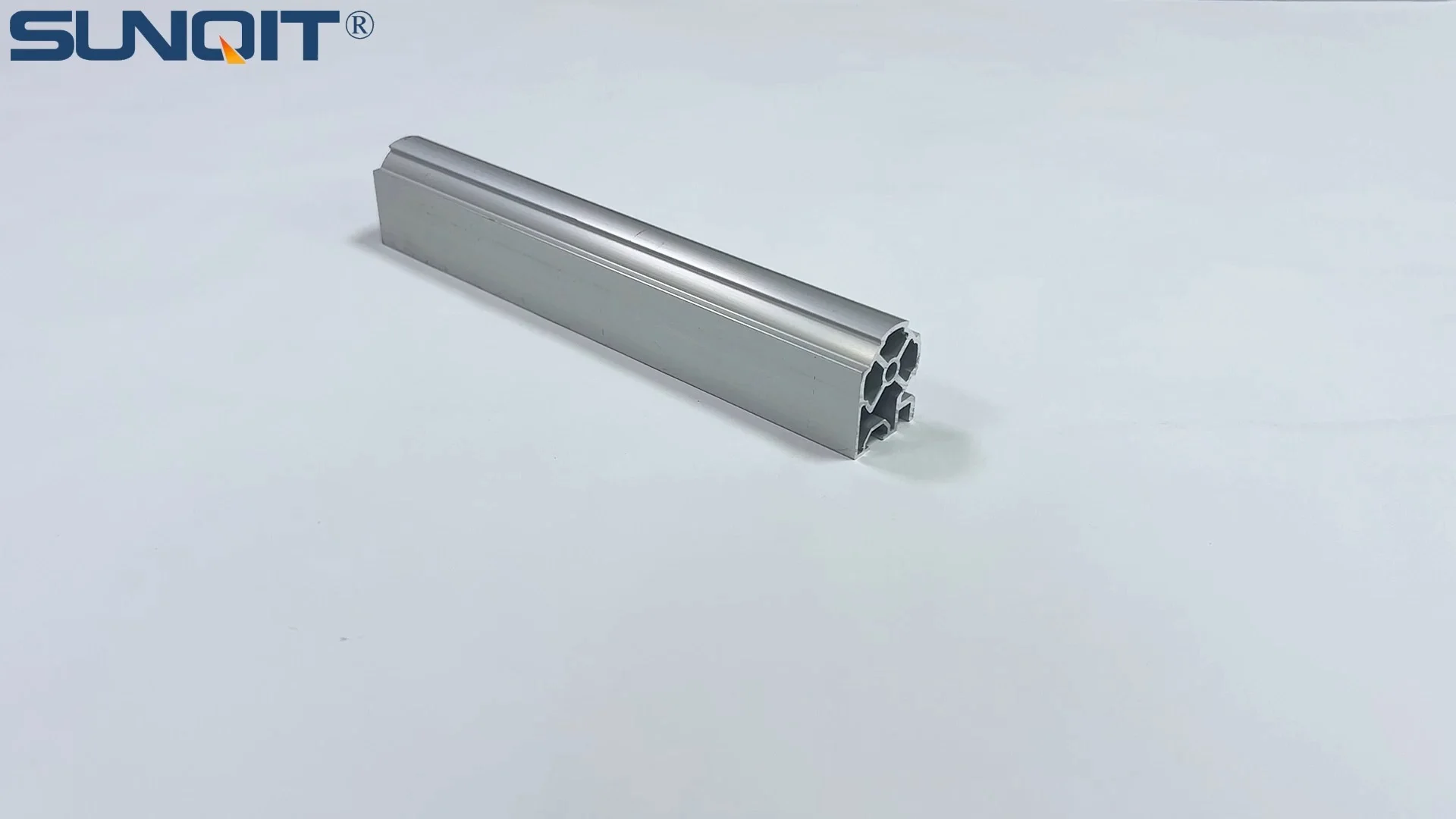
Aluminum Pipe with Tray Holder
Aluminum pipe with tray holder,the pipe one side connected by a joint, the other side with a slot which can hold a tray or a aluminum pannel.
Walk into any consumer electronics factory, and you'll feel it immediately—the hum of activity, the precision of tiny components being assembled, the quiet urgency of a production line racing to meet demand. From sleek smartphones to powerful laptops, from smartwatches to wireless earbuds, every device we rely on starts here: on factory floors where speed, accuracy, and adaptability aren't just goals—they're the lifeblood of the operation. At the heart of these bustling spaces lie the unsung heroes of manufacturing: the workbenches, the material racks, and the systems that keep components organized, accessible, and moving seamlessly from one station to the next. Today, we're shining a spotlight on one such hero that's quietly revolutionizing how consumer electronics are made: the aluminum pipe with tray holder. Lightweight yet surprisingly strong, this unassuming tool is redefining what it means to build efficient, flexible, and durable production lines.
The Challenge: Balancing Speed, Precision, and Durability in a Fast-Changing Industry
Consumer electronics move fast. New models launch every few months, designs evolve overnight, and consumer expectations for smaller, more powerful devices grow by the day. For manufacturers, this pace creates a unique set of challenges. Let's break it down: first, the components themselves are tiny and delicate. A single smartphone might contain over 1,000 parts, from microscopic chips to thin glass screens, each requiring careful handling. Second, production lines need to pivot quickly. One week, you're assembling a 6.7-inch phone; the next, a 5.4-inch model with a different battery layout. Rigid, one-size-fits-all setups simply can't keep up. And third, durability matters. These production lines run for hours on end, day after day, so the tools and structures supporting them need to withstand constant use without faltering.
For years, manufacturers relied on two main options for organizing their workspaces: heavy steel racks or flimsy plastic shelving. Steel, while strong, is a beast to move. Reconfiguring a steel-based workstation to fit a new device model might take a team of workers and hours of downtime—time that could be spent building products. Plastic, on the other hand, is lightweight but lacks the strength to support heavy trays of components. It scratches easily, warps under heat, and can't handle the wear and tear of a busy factory. Worse, both materials often struggle with corrosion, especially in environments where cleaning agents or humidity are common. For an industry where even a tiny rust spot could contaminate a circuit board, this is a nonstarter.
Then there's the issue of flexibility. Traditional setups are built to last "forever," but in consumer electronics, "forever" is measured in months. A steel rack that takes a day to install might be obsolete in six weeks when a new device design requires a taller, narrower workspace. Plastic shelving, while cheaper upfront, needs to be replaced entirely when it cracks or bends—hardly a cost-effective solution in the long run. What manufacturers really needed was something that could bridge the gap: a material that's light enough to reconfigure quickly, strong enough to hold heavy component trays, resistant to the elements, and flexible enough to adapt as needs change. Enter aluminum lean pipe with tray holder—a solution that checks all these boxes and more.
Enter Aluminum Pipe with Tray Holder: A Lightweight Powerhouse
So, what exactly is an aluminum pipe with tray holder? At its core, it's a modular system built from aluminum lean pipe—a lightweight, hollow aluminum tube—and (aluminum pipe accessories) like joints, brackets, and, of course, tray holders. These pipes are connected using simple, tool-free joints, allowing workers to build custom frames, racks, and workbench attachments in minutes, not hours. The tray holders, which slide or clamp onto the aluminum frame, provide stable, adjustable platforms for holding everything from small screws and capacitors to larger components like batteries and display panels.
What makes this system so special? Let's start with the star of the show: aluminum lean pipe. Unlike traditional steel pipes, which can weigh 3–4 kg per meter, aluminum lean pipe tips the scales at just 1.2 kg/m for a standard 20mm diameter model. That might not sound like a big difference until you multiply it by the length of a typical rack—say, 3 meters. A steel frame would weigh nearly 12 kg; an aluminum one? Just 3.6 kg. That's light enough for a single worker to lift, move, and reconfigure without help. No more waiting for a forklift or a team of colleagues to shift a rack across the factory floor. Need to adjust the height of a tray holder to better fit a new workbench? Loosen a joint, slide the pipe up, tighten it back down—done. It's flexibility redefined.
But don't let the lightweight fool you: aluminum lean pipe is surprisingly strong. Thanks to its unique alloy composition and hollow design, it boasts a tensile strength of around 350 MPa—strong enough to support trays loaded with up to 15 kg of components without bending or warping. For context, that's more than enough to hold a tray full of smartphone batteries (each around 40g) or a stack of circuit boards. And because the system is modular, you can reinforce it easily by adding extra pipes or brackets if you need to support heavier loads. It's like building with building blocks: start small, add more pieces as needed.

Why Aluminum? The Science Behind the Material
Aluminum isn't just lightweight and strong—it's also naturally resistant to corrosion. Unlike steel, which rusts when exposed to moisture or chemicals, aluminum forms a thin, invisible layer of aluminum oxide on its surface the moment it touches air. This layer acts as a shield, preventing further oxidation and keeping the pipe looking and performing like new for years. In consumer electronics factories, where regular cleaning with disinfectants or water-based solutions is common, this is a game-changer. No more worrying about rust flakes contaminating sensitive components or racks deteriorating in humid environments.
Another hidden benefit? Aluminum's thermal conductivity. Consumer electronics components are sensitive to heat, and factory floors can get warm, especially near machinery. Aluminum lean pipe dissipates heat quickly, helping to keep the area around the tray holder cooler than a steel or plastic setup would. This might seem minor, but over time, it can reduce the risk of heat-related damage to components like lithium-ion batteries or delicate semiconductors.
| Material | Weight (kg/m) | Tensile Strength (MPa) | Corrosion Resistance | Reconfiguration Time | Cost Over 5 Years* |
|---|---|---|---|---|---|
| Traditional Steel Pipe | 3.8 | 420 | Low (prone to rust) | 2+ hours (needs welding/tools) | $1,200 (includes rust treatment/replacement) |
| Plastic Pipe | 0.9 | 45 | High | 1 hour (limited load capacity) | $800 (needs full replacement every 1–2 years) |
| Aluminum Lean Pipe | 1.2 | 350 | Very High (oxide layer protection) | 20 minutes (tool-free joints) | $950 (no replacement; minor accessory updates) |
*Estimated costs based on a 3m rack used daily in a typical electronics factory.
As the table shows, aluminum lean pipe strikes a near-perfect balance between weight, strength, and cost-effectiveness. It's lighter than steel, stronger than plastic, and over time, more affordable than both thanks to its durability and reusability. But the real magic lies in how it integrates with other factory systems—especially workbenches and roller tracks.

Integration with Workbenches: Creating Cohesive Workstations
In any electronics factory, the workbench is where the magic happens. It's where assemblers sit for hours, carefully placing components onto circuit boards or testing finished devices. A cluttered, disorganized workbench isn't just frustrating—it's a productivity killer. Workers waste precious seconds (or minutes) searching for the right part, and misplaced components can lead to errors or delays. This is where aluminum pipe with tray holder truly shines: it transforms ordinary workbenches into organized, efficient hubs.
Imagine a typical smartphone assembly workbench. On one side, you might have a technician installing cameras; on the other, someone attaching the display. Both need quick access to their tools and components. With an aluminum pipe frame mounted to the side or back of the workbench, tray holders can be positioned at eye level or within arm's reach, holding labeled trays for each type of screw, adhesive pad, or connector. Need to switch from assembling a base model to a premium one with different components? Simply swap out the trays or adjust the height of the holder to make space for new parts. Because the aluminum frame is lightweight, workers can even reposition it to the other side of the workbench if a colleague needs access—no tools, no hassle.
But it's not just about organization. The aluminum pipe with tray holder also helps ergonomically. By raising frequently used components to waist height, it reduces the need for workers to bend or stretch, cutting down on fatigue and repetitive strain injuries. In a industry where employees spend 8+ hours a day at a workbench, small adjustments like this can make a big difference in morale and long-term health.
Seamless Flow with Roller Tracks
Of course, components don't just sit on workbenches—they need to move. From the warehouse to the assembly line, from one workstation to the next, material transport is a critical part of the process. This is where roller tracks come into play. Roller tracks are conveyor-like systems of small wheels mounted on a frame, allowing trays or bins to glide smoothly from one point to another with minimal effort. And when paired with aluminum pipe with tray holder, they create a closed-loop system that keeps components moving efficiently.
Here's how it works: An aluminum pipe frame with tray holders is mounted above or alongside a roller track. As components arrive on the roller track (say, a bin of circuit boards), workers can slide them into the tray holders for easy access. Once a tray is empty, it can be placed back on the roller track to be returned to the warehouse or refilled. Because both the aluminum frame and roller track are modular, they can be customized to fit the exact layout of the factory. Need a 90-degree turn in the roller track? Add a curved section. Want to raise the aluminum frame to clear overhead obstacles? Extend the pipes with taller joints. It's a system that adapts to your space, not the other way around.
In one laptop factory I visited recently, they'd taken this integration a step further. They'd built an aluminum pipe frame over their roller track, with tray holders positioned directly above the track. As bins of keyboard assemblies arrived, workers could lift them into the trays, then slide the empty bins back onto the track below. The result? A 15% reduction in time spent moving materials, according to the plant manager. "Before, workers were walking back and forth to the storage area multiple times a day," he told me. "Now, everything comes to them, and the empty bins go back automatically. It's like having an extra pair of hands."
The Role of Aluminum Pipe Accessories: Making It Work for You
A system is only as good as its parts, and aluminum pipe with tray holder is no exception. The real versatility of this setup comes from its aluminum pipe accessories—small, simple components that turn basic pipes into fully functional tools. Let's take a closer look at some of the most useful ones:
- Swivel Joints: These allow the aluminum pipe to rotate 360 degrees, making it easy to adjust the angle of tray holders or fold the frame flat for storage when not in use.
- Adjustable Brackets: These let you slide tray holders up and down the pipe, so you can customize the height for different components or workers.
- Clamping Tray Holders: Unlike fixed holders, these clamp onto the pipe, making them easy to add or remove as needed. They're perfect for temporary projects or seasonal demand spikes.
- Label Holders: Small, clip-on labels that attach to the tray holders, helping workers quickly identify which tray contains which component—no more guessing or cross-referencing spreadsheets.
The beauty of these accessories is that they're designed to work together seamlessly. You don't need to buy a whole new system if you want to add a swivel joint or a taller bracket—just pick up the you need and attach them in seconds. This modularity also makes repairs a breeze. If a joint wears out or a tray holder cracks, you can replace just that part instead of the entire frame. It's sustainable, cost-effective, and infinitely adaptable.
Real-World Impact: Stories from the Factory Floor
To truly understand the value of aluminum pipe with tray holder, let's hear from the people who use it every day. Take Sarah, a production supervisor at a mid-sized earbud factory in Vietnam. "We used to have these old steel racks next to our workbenches," she told me. "They were so heavy, we could only move them with a forklift. When we launched a new earbud model with smaller components, we needed narrower racks to fit between the workstations. It took two guys and half a day to take apart the steel ones and rebuild them. With the aluminum system? Two workers did it in 45 minutes. Now, when we switch models, we can reconfigure the whole line in under 2 hours instead of 8. It's been a game-changer for meeting tight deadlines."
Then there's Raj, who manages a smartphone repair center in India. "Repair work is unpredictable—one day we're fixing cracked screens, the next, replacing batteries," he explained. "Our old plastic shelving kept breaking under the weight of toolkits and replacement parts. We switched to aluminum pipe with tray holders, and now we can adjust the setup daily. Need more space for screen replacements? Add a few extra pipes and tray holders. Slow day? Take some down to free up floor space. And because aluminum doesn't rust, we don't have to worry about dust or moisture from cleaning damaging the racks. It's like having a workshop that adapts to us, not the other way around."
Choosing the Right Partner: Why Supplier Matters
Of course, not all aluminum pipe with tray holder systems are created equal. The quality of the aluminum lean pipe, the durability of the joints, and the availability of can vary widely between suppliers. When shopping for a system, look for a supplier that specializes in consumer electronics manufacturing—they'll understand your unique needs, like the importance of corrosion resistance or the need for small, precise tray holders. Ask about the thickness of the aluminum pipe (1.2mm wall thickness is standard for most applications), the tensile strength of the alloy, and whether the joints are tested for repeated use.
A good supplier should also offer customization options. Maybe you need extra-long tray holders for larger components, or specialized joints for curved frames. The best ones will work with you to design a system that fits your factory's layout and workflow, not just sell you off-the-shelf parts. And don't forget about after-sales support—look for suppliers that offer warranties on their products and can quickly ship replacement if something breaks.
Conclusion: Building the Future of Consumer Electronics Manufacturing
In an industry where change is constant, the aluminum pipe with tray holder stands out as a rare constant: a tool that adapts, endures, and empowers workers to do their best. It's lightweight enough to keep up with the fastest production lines, strong enough to handle the heaviest components, and flexible enough to grow with your business. Whether you're assembling smartphones, laptops, or the next big gadget, this system doesn't just organize your factory—it transforms it into a space where efficiency, precision, and adaptability are built into the very structure.
So, the next time you pick up your smartphone or power on your laptop, take a moment to appreciate the unsung heroes behind it. The aluminum pipes, the tray holders, the workbenches, and the workers who rely on them. They may not be as flashy as the devices themselves, but without them, the consumer electronics we love simply wouldn't exist. And as technology continues to evolve, one thing is clear: aluminum pipe with tray holder will be right there, evolving with it—lightweight, strong, and ready for whatever comes next.