- Company Articles
- Products and Technology
- Product knowledge
- Aluminum Pipe with Tray Holder for Lean Workstations: Ergonomic Design

Aluminum Pipe with Tray Holder for Lean Workstations: Ergonomic Design
Related Product
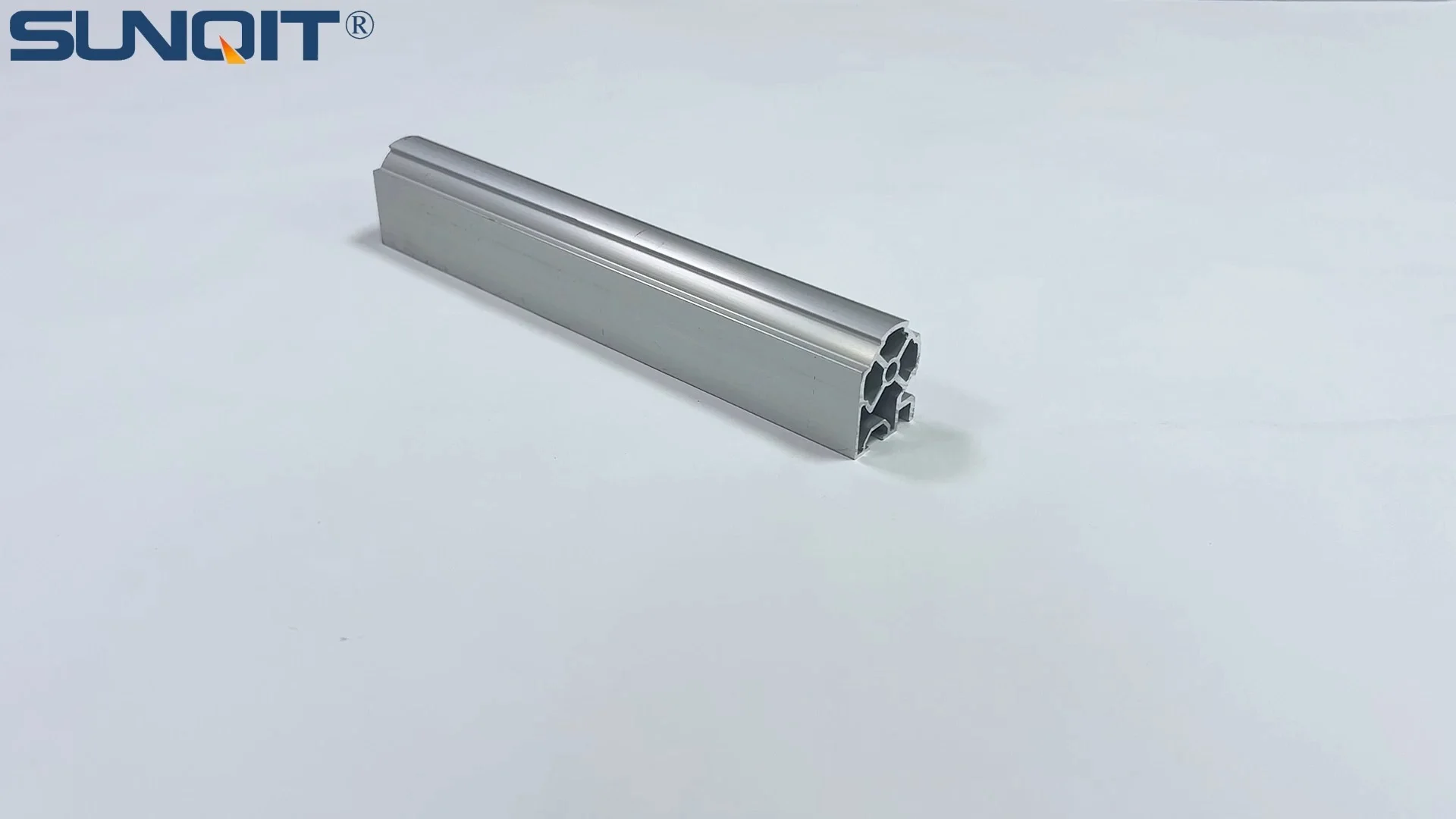
Aluminum Pipe with Tray Holder
Aluminum pipe with tray holder,the pipe one side connected by a joint, the other side with a slot which can hold a tray or a aluminum pannel.
The Heart of Lean Manufacturing – Workstations That Work for You
Walk into any manufacturing facility, warehouse, or assembly line, and you'll quickly realize that the workstation is more than just a table or a bench. It's the command center where ideas become products, where teams collaborate, and where the success of a lean system hinges. Yet, for too long, many workstations have been an afterthought—clunky, rigid, and designed with machinery in mind, not the people operating them. Strained backs from reaching too far, wasted time searching for tools buried in disorganized drawers, and frustration from static setups that can't adapt to shifting tasks—these are the silent productivity killers in even the most well-intentioned lean operations.
Enter the aluminum pipe with tray holder: a simple yet revolutionary solution that's redefining what a workstation can be. Built on the principles of flexibility, durability, and human-centric design, this system isn't just about organizing tools or streamlining workflows (though it does that brilliantly). It's about creating spaces where workers feel valued, where their comfort is prioritized, and where every element works with them, not against them. In the world of lean manufacturing, where efficiency and continuous improvement are king, the aluminum pipe with tray holder isn't just a piece of equipment—it's a cornerstone of a lean system that truly delivers on its promise.
What is an Aluminum Pipe with Tray Holder? Breaking Down the Basics
At its core, an aluminum pipe with tray holder is a modular workstation system built from lightweight, high-strength aluminum profiles—think of it as the building blocks of a customizable workspace. The "pipes" (more accurately, aluminum profile tubes) form the frame, while the tray holder is an attached component designed to keep tools, materials, and small parts within arm's reach. What makes it stand out is its simplicity: no welding, no complex tools, just easy-to-connect joints and accessories that let you build, modify, or dismantle the setup in minutes.
Let's start with the star of the show: the aluminum profile. These aren't your average metal tubes. Extruded from high-grade aluminum alloy, they're engineered to be both strong and surprisingly light—strong enough to support heavy tools or materials, light enough that even a single worker can reconfigure the workstation without strain. Most profiles feature a T-slot design along their length, which acts like a built-in rail system for attaching accessories: tray holders, shelves, hooks, or even monitors. This T-slot is the secret to the system's flexibility; it means you're not stuck with a fixed layout. Need to add a second tray for a new project? Just slide in a bracket and secure it—no drilling, no hassle.
The tray holder itself is a study in practicality. Typically made from the same aluminum or a durable plastic, it's designed to hold everything from screwdrivers and pliers to small electronic components or assembly parts. Some models are adjustable, tilting or sliding to match the worker's height or reach, while others come with dividers to keep items organized. And because it's attached directly to the aluminum profile frame, it stays stable—no more wobbly trays that tip over when you grab a tool in a hurry.

The Aluminum Advantage: Why This Material Stands Out in Lean Systems
You might be wondering: Why aluminum? Why not stick with steel, wood, or even plastic? Let's break it down. Steel is strong, sure, but it's heavy—so heavy that reconfiguring a workstation requires multiple people or heavy machinery, which flies in the face of lean's "quick changeover" philosophy. Wood looks nice but scratches easily, absorbs moisture, and can't handle the wear and tear of a busy factory floor. Plastic is lightweight but lacks the structural integrity to support heavy loads over time. Aluminum, though? It hits that sweet spot of strength, weight, and durability that makes it perfect for lean environments.
First, weight. Aluminum is about one-third the weight of steel, which means a workstation frame that's easy to move, adjust, or even dismantle when production needs shift. Imagine a team needing to rearrange their assembly line for a new product launch—with aluminum, they can do it in an hour instead of a day, minimizing downtime and keeping the lean system running smoothly. Second, durability. Aluminum naturally resists corrosion, so even in humid warehouses or facilities with occasional spills, it won't rust or degrade. This longevity means fewer replacements, lower maintenance costs, and a workstation that keeps looking (and working) like new for years.
Then there's sustainability—a key pillar of modern lean systems. Aluminum is 100% recyclable, and recycling it uses just 5% of the energy needed to produce new aluminum. For companies aiming to reduce their carbon footprint, this is a huge win. Plus, its lightweight nature reduces shipping costs and fuel consumption when transporting components—another small but meaningful step toward greener operations.

Ergonomic Design: More Than Just Comfort – It's About People
Ergonomics gets thrown around a lot in workplace discussions, but what does it really mean for a workstation? It's not just about adding a padded mat or a fancy chair (though those help). Ergonomics is about designing a space that fits the human body, reducing strain, and preventing injuries like carpal tunnel syndrome or lower back pain—issues that cost companies billions in lost productivity and workers' compensation claims each year. The aluminum pipe with tray holder excels here because ergonomics is baked into its DNA, not an afterthought.
Let's start with adjustability. Traditional workstations are often "one-size-fits-all," which in reality means "one-size-fits-none." A 5'2" worker and a 6'4" worker using the same fixed-height bench will both struggle—one hunched over, the other stooping down. With aluminum pipe systems, height adjustment is a breeze. Using simple lever-adjustable feet or telescoping aluminum profile legs, you can raise or lower the workstation by several inches in minutes, ensuring each worker's elbows rest at a comfortable 90-degree angle when typing or assembling. The tray holder adds another layer of customization: mount it on the left, right, or center of the frame, adjust its height, or tilt it slightly downward so items don't slide off—whatever feels most natural for the task at hand.
Reachability is another ergonomic win. The tray holder keeps frequently used tools and materials within the "golden zone"—the area between shoulder and waist height, and within 18 inches of the worker's body. This eliminates the need to stretch, bend, or twist, which are major causes of muscle strain. Think about it: if a worker assembles 500 units a day, and each unit requires grabbing a screwdriver from a drawer 12 inches away instead of 6 inches away, that's an extra 500 feet of reaching per day. Over a year, that adds up to miles of unnecessary movement—and strain. The tray holder cuts that distance in half, turning small, repeated actions into effortless motions.
To put this in perspective, let's compare traditional workstations with aluminum pipe setups in key ergonomic areas:
| Ergonomic Feature | Traditional Workstation | Aluminum Pipe Workstation with Tray Holder |
|---|---|---|
| Height Adjustment | Fixed (requires tools or replacement parts to change) | Tool-free, on-the-fly adjustment via telescoping legs or adjustable feet |
| Material Reach Distance | Often 24+ inches (requires stretching or leaning) | Typically 12–18 inches (within the "golden zone") |
| Customization for Tasks | Limited (fixed shelves, drawers, or hooks) | Unlimited (add/remove tray holders, shelves, or accessories in minutes) |
| Weight of Workstation | Heavy (hard to reposition, leading to static setups) | Lightweight (easy to move, allowing workers to shift positions as needed) |
| Risk of Repetitive Strain | Higher (awkward postures and long reach distances) | Lower (neutral postures and minimized movement) |
The result? Workers who feel less fatigued at the end of the day, fewer sick days, and a noticeable boost in morale. When people aren't focused on pain or discomfort, they're focused on the task at hand—leading to better quality, fewer errors, and a more engaged team. That's the power of ergonomics: it's not just good for workers; it's good for the bottom line.
Building Blocks: Aluminum Pipe Accessories That Make It All Possible
A great workstation is only as good as its accessories, and the aluminum pipe system shines here thanks to a vast ecosystem of aluminum pipe accessories designed to turn a basic frame into a fully functional workspace. These accessories are the unsung heroes of the system, enabling the customization and flexibility that make it a favorite in lean environments. Let's take a closer look at some of the most essential ones.
First up: joints and connectors. These are the "glue" that holds the aluminum profile frame together, and they come in every shape and size to fit different angles and configurations. There are 90-degree joints for corners, T-joints for adding crossbars, and even swivel joints that let sections of the frame rotate—perfect for creating fold-down shelves or adjustable arms. Most connectors use a simple clamping mechanism: slide them onto the T-slot, tighten a screw with a hex key, and you're done. No welding, no drilling, just secure, rock-solid connections that can be loosened and repositioned whenever needed.
Then there are the casters—those small but mighty wheels that turn a stationary workstation into a mobile one. Lockable casters let you roll the setup across the factory floor to a new location, then lock it in place for stability. This is a game-changer for lean systems that rely on cellular manufacturing or just-in-time production, where workstations need to move with the workflow. Some casters even have brakes that engage when weight is applied, adding an extra layer of safety.
Of course, we can't forget the tray holder accessories themselves. From dividers that split the tray into compartments for different tools to hooks that hang from the tray's edge for cables or tape measures, these little add-ons turn a basic tray into an organizational powerhouse. There are also magnetic tray inserts for metal tools, anti-slip mats to keep parts from sliding, and even clear plastic covers to protect sensitive components from dust. The best part? Most accessories are interchangeable, so you can mix and match to fit the day's tasks.
Finally, there are the finishing touches: end caps to cover sharp edges of aluminum profiles, rubber feet to prevent slipping on smooth floors, and cable management clips that tuck wires neatly into the T-slots, eliminating messy tangles. These might seem like small details, but they add up to a workstation that feels polished, professional, and—most importantly—thoughtfully designed.
From Workbench to Flow Rack: Real-World Applications in Lean Environments
The beauty of the aluminum pipe with tray holder is its versatility—it's not limited to just one type of workstation. Whether you need a simple workbench for assembly, a flow rack for material handling, or a mobile cart for transporting parts, the system adapts to fit the job. Let's explore two common applications where it truly shines: the workbench and the flow rack.
The Workbench: Your Daily Command Center
The workbench is where the rubber meets the road for most manufacturing tasks, and the aluminum pipe version takes it to the next level. Imagine a single-deck workbench (like the "Workbench E" model, minus the casters for a stationary setup) with a sturdy aluminum frame and a smooth, non-slip surface. Mounted to the side is a tray holder, positioned at waist height so tools are always within reach. Above the work surface, you might add a shelf for reference manuals or a monitor arm for digital work instructions—all attached via T-slot connectors. Need to switch from assembling small electronics to packing larger boxes? Swap out the tray for a larger one, adjust the height, and you're ready in 10 minutes. This flexibility means the same workbench can handle multiple tasks, reducing the need for dedicated, single-purpose stations and freeing up floor space.
The Flow Rack: Keeping Materials Moving
In lean systems, material flow is everything—you want parts to arrive at the workstation exactly when they're needed, no sooner, no later. That's where flow racks come in, and aluminum pipe systems are ideal for building them. A typical flow rack (like "Material Rack B" with 3 rows and 3 floors) uses inclined roller tracks to let materials glide from the back to the front, ensuring first-in, first-out (FIFO) inventory management. The aluminum frame keeps the rack lightweight but stable, while the T-slots make it easy to adjust the height of each shelf or add dividers between lanes. Mount a tray holder at the picking end, and workers can set down tools or scan barcodes without interrupting the flow. It's a seamless system that reduces walking time, minimizes errors, and keeps the production line humming.
These are just two examples—aluminum pipe systems are also used for turnover trolleys, packing stations, inspection benches, and even temporary storage racks. The key is that they grow with your needs: start small with a basic workbench, then add a flow rack as production ramps up, or reconfigure both when a new product line launches. In lean manufacturing, where adaptability is critical, that's priceless.
Case Study: How One Factory Transformed Their Workflow with Aluminum Pipe Workstations
Let's step into the shoes of a mid-sized electronics manufacturer we'll call "TechFlow" to see how aluminum pipe workstations with tray holders impacted their operations. Before the switch, TechFlow's assembly line relied on traditional wooden workbenches with fixed shelves and metal toolboxes that sat on the floor. Workers often complained of back pain from bending to grab tools, and the fixed height meant taller employees hunched over their tasks. Inventory errors were common too—small parts would get lost in cluttered drawers, leading to delays and wasted materials. The team was stuck in a cycle: they wanted to improve their lean system, but their workstations were holding them back.
TechFlow decided to pilot an aluminum pipe workstation with tray holders in one of their busiest assembly cells. They started with a basic frame, added a height-adjustable workbench top, and mounted two tray holders—one on the left for tools, one on the right for incoming parts. They used aluminum pipe accessories like dividers in the trays and magnetic strips for screwdrivers, and added lockable casters so the workstation could move to where the parts were, instead of the other way around.
The results were immediate. Within the first week, workers reported less strain in their shoulders and backs—no more bending to reach toolboxes or stretching to grab parts from the far shelf. The tray holders kept everything visible and within arm's reach, cutting down on the time spent searching for tools by nearly 30%. Inventory errors dropped too; with dividers in the trays, parts stayed organized, and workers could quickly spot if something was missing. After a month, TechFlow expanded the system to three more cells, and within six months, they'd replaced all their traditional workbenches.
The numbers told the full story: productivity increased by 15% as workers spent less time on non-value-added tasks, and workers' compensation claims related to back and shoulder injuries dropped by 40%. Perhaps most importantly, employee engagement scores rose—team members felt like their comfort and efficiency mattered, and that translated into a more positive, collaborative work environment. For TechFlow, the aluminum pipe workstation wasn't just an upgrade; it was a catalyst for their lean transformation.
Beyond the Present: The Future of Lean Workstations and Aluminum Innovation
As manufacturing evolves, so too will the tools that power it, and the aluminum pipe workstation is no exception. The future holds exciting possibilities for even more ergonomic, connected, and sustainable workspaces—all built on the foundation of aluminum profiles and innovative design.
One trend to watch is the integration of smart technology. Imagine a workstation with sensors in the tray holder that track tool usage, alerting managers when supplies are running low or when a tool hasn't been returned to its slot—no more lost or misplaced equipment. Or T-slot profiles embedded with RFID tags that let workers scan parts as they're added to the tray, automatically updating inventory systems in real time. These smart features would take lean systems to the next level, providing data-driven insights into workflow bottlenecks and helping teams make even smarter improvements.
Sustainability will also play a bigger role. Manufacturers are already experimenting with recycled aluminum profiles that use even less energy to produce, and there's growing interest in biodegradable or plant-based materials for accessories like tray dividers or anti-slip mats. Some companies are even exploring modular designs that can be completely disassembled and recycled at the end of their lifecycle, leaving zero waste behind. As consumers and regulators demand greener operations, these innovations will become table stakes for lean systems.
Finally, we'll see more customization options tailored to specific industries. For example, medical device manufacturers might use antimicrobial aluminum profiles and sealed tray holders to meet strict hygiene standards, while automotive plants could opt for heavy-duty casters and shock-absorbing tray inserts to handle larger, heavier parts. The goal? Workstations that don't just fit the task, but fit the industry, the team, and the unique challenges of each workflow.
Conclusion: Investing in Ergonomics is Investing in Your Team and Your Bottom Line
The aluminum pipe with tray holder for lean workstations is more than a piece of equipment. It's a statement—a declaration that in your lean system, people come first. By prioritizing ergonomics, flexibility, and durability, this system transforms workstations from static, frustrating spaces into dynamic, empowering ones where workers thrive, workflows hum, and continuous improvement isn't just a buzzword, but a daily reality.
Whether you're building a new lean system from the ground up or looking to upgrade your existing workstations, the aluminum pipe with tray holder offers a simple, cost-effective solution that delivers immediate returns: happier workers, fewer injuries, less waste, and higher productivity. It's a reminder that the best lean tools aren't just about machines or processes—they're about creating environments where people can do their best work, every day.
So, take a look at your current workstations. Do they support your team, or hold them back? Are they flexible enough to adapt to tomorrow's challenges? If the answer is no, it might be time to consider the aluminum pipe with tray holder. Your workers will thank you, your bottom line will thank you, and your lean system will be stronger for it. After all, in the end, lean manufacturing isn't just about making better products—it's about making better workplaces. And that's a goal worth investing in.