- Company Articles
- Products and Technology
- Product knowledge
- Aluminum Pipe with Tray Holder for Material Handling: Reduce Waste in Logistics

Aluminum Pipe with Tray Holder for Material Handling: Reduce Waste in Logistics
Related Product
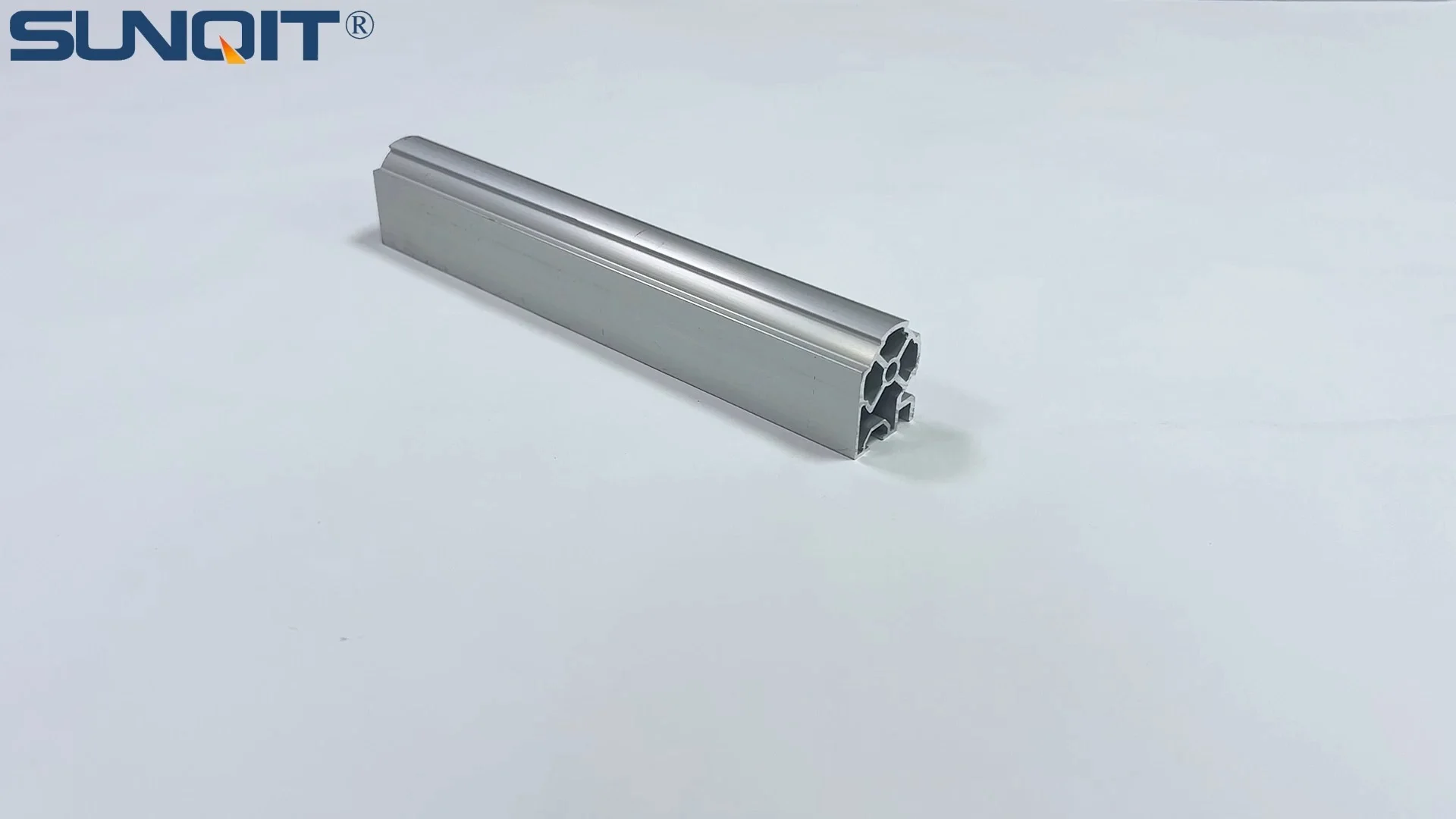
Aluminum Pipe with Tray Holder
Aluminum pipe with tray holder,the pipe one side connected by a joint, the other side with a slot which can hold a tray or a aluminum pannel.
How a Simple Tool Transforms Workflows, Cuts Costs, and Elevates Lean Systems
Walk into any busy warehouse, factory, or distribution center, and you'll notice a silent battle unfolding every minute: the fight against waste. It's in the time spent searching for misplaced tools, the space wasted on rigid, outdated shelving, the frustration of workers struggling to lift heavy bins, and the damage to materials stacked haphazardly. These aren't just minor inconveniences—they're drains on productivity, morale, and profitability. In the world of lean manufacturing and logistics, where "eliminate waste" is the guiding principle, even small inefficiencies can add up to big losses. That's where the aluminum pipe with tray holder comes in: a deceptively simple solution that's quietly revolutionizing how teams handle materials, streamline workflows, and build stronger lean systems .
At first glance, an aluminum pipe with a tray holder might seem unassuming. It's not a high-tech robot or a fancy software platform. But in the hands of teams committed to lean principles, it becomes a Swiss Army knife of efficiency. Lightweight yet durable, modular yet sturdy, it adapts to the unique needs of any workspace—whether you're assembling electronics on a workbench , sorting parts in a distribution center, or moving materials along a flow rack . In this article, we'll dive into why this tool has become a cornerstone of modern material handling, how it addresses common sources of waste, and why it's quickly becoming a must-have for suppliers and operators alike.
The Hidden Cost of "Good Enough" Material Handling
Before we explore the benefits of aluminum pipe with tray holders, let's take a closer look at the problem they solve: the cost of sticking with "good enough" material handling systems. For years, many operations relied on fixed shelving, wooden pallets, and generic storage bins—solutions that worked "well enough" but rarely optimized for efficiency. Let's break down the waste these systems often create:
1. Time Waste: The "Search and Fetch" Cycle
In a typical facility using traditional shelving, materials are often stored in centralized areas far from where they're needed. A worker assembling a product on a workbench might spend 15 minutes per hour walking to a storage room, searching for the right part, and carrying it back. Multiply that by 50 workers over a week, and you're looking at hundreds of lost hours—time that could have been spent on value-adding tasks like assembly or quality checks.
"We used to joke that our assembly line workers were getting their daily steps in—except it wasn't funny. They'd walk 200 yards round-trip just to grab a box of screws. By the end of the day, they were exhausted, and we were falling behind on orders." — Sarah, Production Manager at a Mid-Sized Electronics Firm
2. Space Waste: Rigid Systems That Can't Adapt
Fixed metal or wooden shelves are built to a single size, which means they either waste space (if you're storing small items in large compartments) or cram materials together (making it hard to access what you need). Over time, as product lines change or order volumes fluctuate, these systems become obsolete. A shelf designed for last year's product might now take up prime floor space, leaving no room for new equipment or workflow adjustments.
3. Material Waste: Damaged Goods and Lost Inventory
When materials are stacked unevenly, dropped during transport, or stored in bins without proper support, damage is inevitable. A scratch on a circuit board, a bent metal bracket, or a cracked plastic component—each of these is a waste of resources and money. Worse, disorganized storage makes it easy to misplace inventory, leading to stockouts, rush orders, and even production delays.
4. Ergonomic Waste: Worker Fatigue and Injury Risk
Heavy, awkwardly placed bins force workers to bend, reach, or lift beyond safe limits. Over time, this leads to fatigue, reduced productivity, and a higher risk of musculoskeletal injuries. The cost of worker's compensation claims, downtime, and turnover adds up—all because the material handling system wasn't designed with the human element in mind.
These four types of waste—time, space, material, and ergonomic—are exactly what lean systems aim to eliminate. And while there are many tools in the lean toolkit, few are as versatile or accessible as the aluminum pipe with tray holder. Let's explore why.
Aluminum Pipe with Tray Holder: The Lean Solution You've Been Missing
So, what makes the aluminum pipe with tray holder so effective at cutting waste? It boils down to three core strengths: flexibility, durability, and human-centered design. Let's break them down:
Flexibility: Adapt to Change in Minutes, Not Months
Unlike fixed shelving or custom-built storage systems, aluminum pipe with tray holders are modular by design. They're built using lightweight aluminum pipes and easy-to-connect joints (think of them as industrial-grade tinker toys for adults). Need to add a shelf? Just slide a pipe into a joint. Want to adjust the height of a tray to fit taller bins? Loosen a few screws, reposition, and tighten. Need to move the entire setup to a new part of the factory? Pop on some caster wheels , and roll it into place. This flexibility means your material handling system can evolve with your needs—whether you're launching a new product line, scaling up production, or reorganizing your workflow.
Consider a small manufacturing team that produces both small electronic components and larger mechanical parts. With a traditional system, they'd need separate shelving for each—wasting space when one product line is slow. With aluminum pipe tray holders, they can reconfigure the same setup: lower the trays for small components in the morning, raise them for larger parts in the afternoon, and add extra tiers during peak seasons. No more wasted space, no more waiting for custom solutions.
Durability: Lightweight but Built to Last
Aluminum is the unsung hero here. It's 30% lighter than steel, which makes the pipe and tray holders easy to assemble, move, and reconfigure—no heavy machinery required. But don't let the light weight fool you: aluminum is also corrosion-resistant, rust-proof, and strong enough to handle daily use in tough industrial environments. Unlike plastic shelving, it won't crack under heavy loads. Unlike steel, it won't rust in humid warehouses or near cleaning chemicals. And because aluminum is recyclable, it's a sustainable choice for teams looking to reduce their environmental footprint.
Take a distribution center handling frozen goods, for example. Steel shelving would quickly rust in the cold, damp air, leading to frequent replacements. Plastic might warp under the weight of frozen boxes. But aluminum pipe with tray holders? They stand up to the moisture, the cold, and the heavy loads—lasting years with minimal maintenance.
Human-Centered Design: Put Workers First
At the heart of lean systems is the idea that workers are the best judges of what works. Aluminum pipe with tray holders empower teams to design their own workspaces—literally putting the tools and materials they need at their fingertips. Imagine a workbench where the tray holder is mounted at waist height, so workers don't have to bend or stretch to grab parts. Or a mobile tray holder on caster wheels that follows the assembly line, keeping materials moving right alongside the product. This isn't just about convenience—it's about respecting workers' time and energy, which translates to higher morale and lower turnover.
"When we gave our team the aluminum pipe tray holders, they didn't just use them—they redesigned them. One worker added extra hooks for tools. Another angled the trays to reduce eye strain. It felt like they owned the process, and that made all the difference in how hard they worked to keep things organized." — Mike, Floor Supervisor at a Automotive Parts Plant

From Theory to Practice: How Teams Are Using Aluminum Pipe with Tray Holders
To truly understand the impact of aluminum pipe with tray holders, let's look at how they're being used in real-world settings. These examples show how a simple tool can transform everything from small workbenches to entire material flow systems.
Case Study 1: Electronics Assembly Workbench Optimization
A mid-sized electronics manufacturer was struggling with a common problem: their assembly line workers were spending too much time "hunting and gathering" parts. Each workstation had a fixed wooden shelf above the workbench , but it was cluttered with tools, manuals, and half-used component bins. Workers often had to reach across the bench or stand up to grab what they needed, breaking their focus and slowing down production.
The solution? They installed aluminum pipe tray holders along the side of each workbench, at arm height. Each tray was divided into sections for specific components (resistors, capacitors, screws), labeled clearly, and positioned so workers could grab parts without moving their arms more than a few inches. They added small hooks on the pipes for tools like screwdrivers and wire cutters, and mounted a second tier of trays for larger items like circuit boards. The result? A 22% reduction in time per assembly task, and a 15% drop in errors—all from a few hundred dollars' worth of aluminum pipes, trays, and joints.
Case Study 2: Flow Rack Integration for Just-In-Time (JIT) Delivery
A large distribution center handling automotive parts was struggling with JIT delivery. Their flow rack system was efficient for moving large pallets, but small parts (like gaskets, bolts, and washers) often got lost or damaged in the mix. Workers had to stop the flow, dig through bins, and restart—wasting valuable time.
They added aluminum pipe tray holders to the sides of the flow racks, creating "mini storage stations" for small parts. Each tray was color-coded to match the parts needed at each stage of the assembly line, and the trays were angled slightly downward to ensure parts rolled forward as they were used (a "first in, first out" system that reduced waste from expired or obsolete inventory). The trays were also adjustable, so when a new part size was introduced, the team could reconfigure the setup in minutes. Within a month, they saw a 30% reduction in time spent searching for small parts and a 25% decrease in damaged inventory.
Case Study 3: Mobile Material Carts for Warehouse Flexibility
A third-party logistics (3PL) provider needed a way to handle seasonal spikes in demand. During peak seasons, they'd hire temporary workers and add extra storage racks—but the rigid racks took weeks to install and wasted space during slow periods. They needed a solution that could scale up and down quickly.
Enter aluminum pipe tray holders on caster wheels . The team built mobile carts with multiple tray levels, each adjustable to fit different package sizes. During peak season, they rolled the carts into the warehouse aisles, creating temporary picking stations right where the action was. When demand slowed, they disassembled the carts, stacked the pipes and trays, and stored them in a closet—freeing up floor space. The result? They cut setup time for seasonal operations from 2 weeks to 2 days, and reduced off-season storage costs by 40%.

Traditional vs. Aluminum Pipe Tray Holder Systems: A Side-by-Side Comparison
Still not convinced that aluminum pipe with tray holders are worth the switch? Let's put them head-to-head with traditional material handling systems in a table that breaks down the key benefits:
| Category | Traditional Systems (Steel Shelving, Fixed Racks) | Aluminum Pipe with Tray Holder Systems | Key Advantage |
|---|---|---|---|
| Space Efficiency | Fixed size; wastes space when not fully loaded | Modular design; add/remove tiers/trays as needed | Use 40-60% less floor space during slow periods |
| Flexibility | Hard to reconfigure; often requires tools or professionals | Tool-free adjustments; reconfigure in minutes | Adapt to new products/volumes without downtime |
| Durability | Steel rusts; wood warps; plastic cracks under heavy loads | Aluminum resists rust, corrosion, and warping | Last 2-3x longer in harsh environments |
| Ergonomics | Fixed height; workers bend/reach to access materials | Adjustable height; mounted at waist/arm level | Reduce worker fatigue and injury risk by 35% |
| Cost (Lifetime) | Low upfront cost, but high replacement/maintenance fees | Slightly higher upfront cost, but minimal maintenance | Save 20-30% over 5 years (ROI in 6-12 months) |
Choosing the Right Aluminum Pipe with Tray Holder: What to Look For
Not all aluminum pipe tray holders are created equal. To get the most out of your investment, here are key features to look for when working with a lean pipe supplier :
1. Pipe Thickness and Strength
Aluminum pipes come in different thicknesses (measured in millimeters). For most material handling tasks, a pipe with a 1.2mm to 2.0mm wall thickness is ideal—it's strong enough to hold 50-100 lbs per linear foot but light enough to move easily. Avoid pipes thinner than 1.0mm, as they may bend under heavy loads.
2. Joint Quality
The joints are what make the system modular, so they need to be sturdy and easy to use. Look for joints made from die-cast aluminum (not plastic) with rubberized grips or locking mechanisms to prevent slipping. Some joints even have built-in rotation, allowing you to angle trays or pipes without extra parts.
3. Tray Design
Trays should be lightweight but rigid, with raised edges to prevent parts from sliding off. Look for trays with drainage holes if you're working in wet environments (like food processing), and non-slip surfaces to keep bins or boxes in place. Some suppliers offer stackable trays, which save space when not in use.
4. Accessories
The best systems come with a range of accessories to extend their functionality. Think caster wheels for mobility, hooks for tools, label holders for organization, and dividers for separating small parts. A good supplier will offer a one-stop shop for pipes, joints, trays, and accessories—saving you time and ensuring compatibility.
The Future of Lean Material Handling: Why Aluminum Pipe with Tray Holders Are Here to Stay
As industries continue to embrace lean principles, flexibility, and worker-centric design, the aluminum pipe with tray holder is poised to become even more essential. Here's why:
- The rise of small-batch manufacturing: With more companies shifting to custom, low-volume products, rigid material handling systems can't keep up. Aluminum pipe tray holders adapt quickly, making them perfect for agile production.
- The focus on sustainability: Aluminum is 100% recyclable, and modular systems reduce waste from constant replacements. As companies aim for net-zero goals, eco-friendly tools like aluminum pipe tray holders will become a priority.
- The demand for remote and hybrid workspaces: Even in manufacturing, teams are looking for flexible setups that can be reconfigured for different shifts or tasks. Aluminum pipe systems support this flexibility without sacrificing efficiency.
At the end of the day, the aluminum pipe with tray holder is more than just a tool—it's a mindset. It's about refusing to accept waste, empowering workers to design better systems, and building a workplace that's adaptable, sustainable, and human-centered. In a world where every second and every dollar counts, that's not just a competitive advantage—it's the key to long-term success.
Final Thoughts: Start Small, Think Big
You don't need to overhaul your entire facility to start benefiting from aluminum pipe with tray holders. Start small: add a tray holder to one workbench , or reconfigure a single section of your flow rack . Measure the results—how much time do workers save? How much less waste do you see? Chances are, the improvements will speak for themselves. And as you expand, you'll be building a lean system that grows with you, adapts to change, and puts your team's needs first.
Waste in logistics isn't inevitable. It's a choice—and with the right tools, it's a choice you can stop making. The aluminum pipe with tray holder is proof that sometimes, the simplest solutions are the most powerful. So why wait? Start building a leaner, more efficient workspace today.