- Company Articles
- Products and Technology
- Product knowledge
- Aluminum Pipe with Tray Holder for Mechanical Parts: Secure & Accessible Storage

Aluminum Pipe with Tray Holder for Mechanical Parts: Secure & Accessible Storage
Related Product
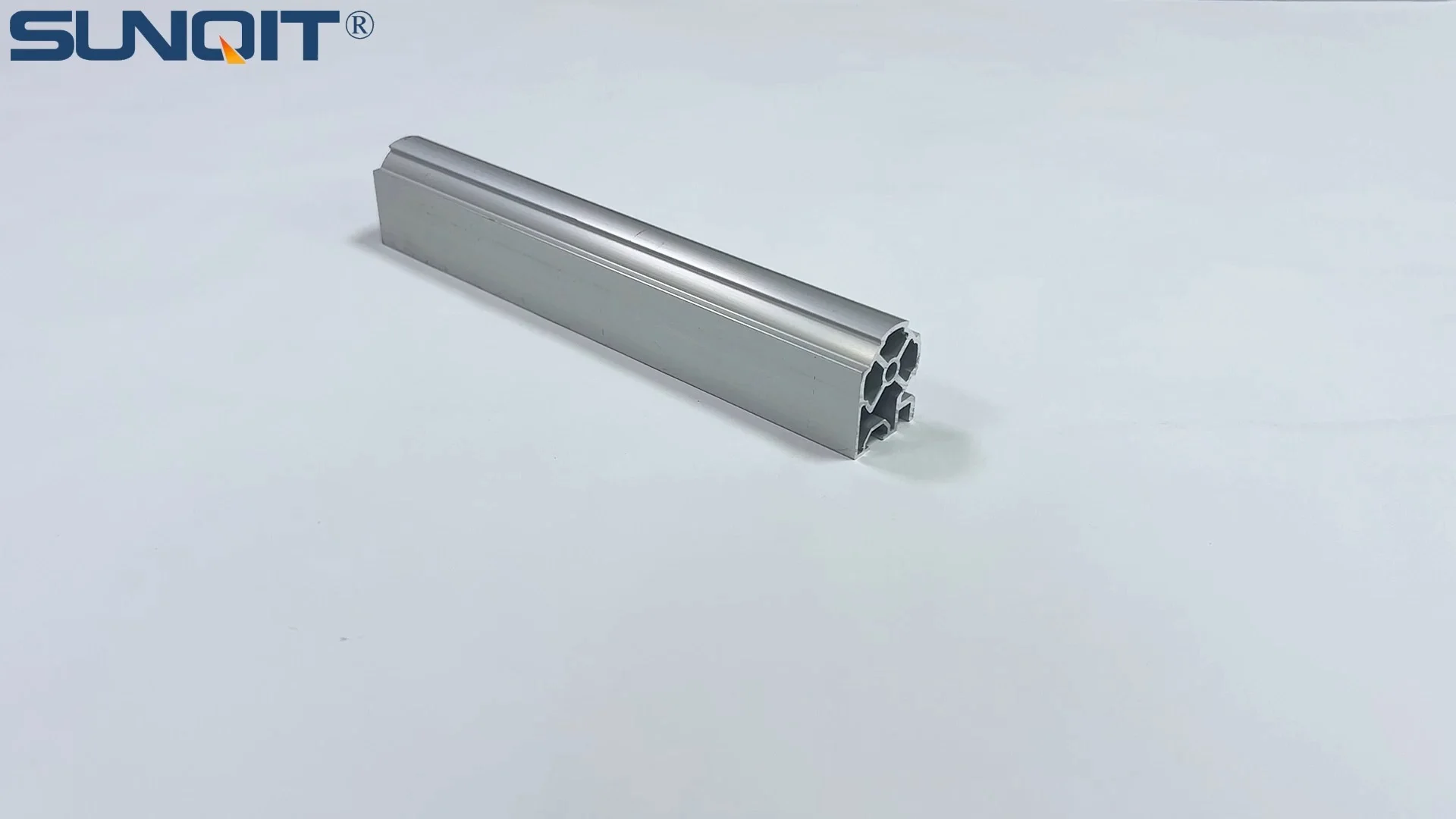
Aluminum Pipe with Tray Holder
Aluminum pipe with tray holder,the pipe one side connected by a joint, the other side with a slot which can hold a tray or a aluminum pannel.
Walk into any mechanical workshop, manufacturing floor, or repair bay, and you'll quickly spot a common challenge: keeping small to medium mechanical parts organized. Nuts, bolts, washers, gears, and brackets—these tiny components are the lifeblood of any operation, but they're also easy to misplace, damage, or lose in the chaos of daily work. Traditional storage solutions like plastic bins stacked haphazardly, wooden shelves that warp over time, or flimsy wire racks often fall short: parts slip through cracks, shelves sag under weight, and accessing what you need becomes a frustrating hunt. That's where the aluminum pipe with tray holder steps in—a game-changer for anyone who values security, accessibility, and efficiency in their workspace.
What Is an Aluminum Pipe with Tray Holder, Exactly?
At its core, an aluminum pipe with tray holder is a modular storage system built from lightweight yet durable aluminum pipes, combined with customizable tray holders designed to cradle mechanical parts securely. Think of it as a hybrid between a shelving unit and a workbench accessory—engineered to keep parts within arm's reach while preventing them from rolling off, getting scratched, or collecting dust. The magic lies in its simplicity: aluminum pipes form the frame, and the tray holders (often adjustable) attach to these pipes, creating a flexible setup that can be tailored to fit parts of all shapes and sizes, from small screws to larger gears.
Unlike rigid, one-size-fits-all storage, this system leverages the versatility of aluminum profile—another key component here. Aluminum profiles are extruded aluminum shapes with standardized slots and grooves, making it easy to add or remove tray holders, adjust heights, or even connect multiple units together. This modularity means you're not stuck with a static shelf; you can reconfigure the system as your needs change, whether you're adding new part types or rearranging your workspace for a leaner workflow.
Key Features That Make It Stand Out
What sets this system apart from other storage options? Let's break down its most impactful features:
- Aluminum Construction: Aluminum is naturally resistant to rust and corrosion, making it ideal for workshops where oil, coolant, or moisture might be present. It's also lightweight enough to move (when paired with casters) but strong enough to hold heavy trays of metal parts without bending.
- Adjustable Tray Holders: Most tray holders slide or clamp onto the aluminum pipes, allowing you to set heights based on part size. Need to store tall brackets? Raise the tray. Small washers? Lower it to keep them from tipping. Some systems even let you tilt trays slightly for better visibility.
- Secure Tray Design: Trays often come with raised edges or non-slip liners to prevent parts from sliding out during movement (say, if you roll the unit across the shop). For extra security, some trays include dividers to separate different part types, so you're not left sorting through a jumbled mess.
- Compatibility with Aluminum Profile Accessories: Thanks to standardized aluminum profile accessories like brackets, connectors, and end caps, you can expand the system effortlessly. Add a side shelf for tools, mount a label holder to identify parts at a glance, or attach a small workbench surface nearby—all without needing specialized tools.
- Space-Saving Design: Aluminum pipes are slim, so the system takes up minimal floor space while maximizing vertical storage. This is a lifesaver in crowded workshops where every square foot counts.

Why Security & Accessibility Matter (And How This System Delivers Both)
For anyone working with mechanical parts, two priorities rise above the rest: keeping parts secure (so they don't get lost or damaged) and keeping them accessible (so you don't waste time hunting for what you need). Let's see how the aluminum pipe with tray holder excels in both areas.
Security: No More Lost or Damaged Parts
Ever had a critical bolt roll off a shelf and disappear into a crack between workbenches? Or found a gear with a scratched tooth because it was jostling around in a overstuffed bin? The aluminum pipe with tray holder eliminates these headaches. The trays' raised edges act as a barrier, containing parts even if the unit is bumped. For delicate parts like precision gears or threaded components, the non-slip tray liners prevent scratches and dents. And because the system is built with sturdy aluminum pipes, there's no risk of the frame collapsing under the weight of heavy parts—unlike plastic or wooden alternatives that can crack or warp over time.
Accessibility: Parts When (and Where) You Need Them
Accessibility isn't just about being able to reach a part—it's about being able to see it, grab it quickly, and get back to work. The adjustable height of the tray holders means you can position frequently used parts at eye level, so you don't have to bend or stretch. Clear labeling (made easy with label holders that attach to the aluminum profiles) ensures you know exactly which tray holds which part, cutting down on search time. Plus, if your workspace requires mobility—say, you need to bring parts to a assembly line or repair station—many systems can be mounted on casters, turning a static shelf into a mobile parts cart. Imagine rolling your entire parts inventory right to your workbench instead of making multiple trips back to a storage room!

How It Fits Into a Lean System
In today's fast-paced manufacturing and repair environments, lean system principles—focused on minimizing waste and maximizing value—are more important than ever. A lean system thrives on organization, efficiency, and continuous improvement, and the aluminum pipe with tray holder aligns perfectly with these goals. Here's how:
- Reduces "Motion Waste": Motion waste is the time spent walking, reaching, or searching for tools and parts. By keeping parts organized and within arm's reach, this system cuts down on unnecessary movement, letting workers focus on productive tasks.
- Supports 5S Methodology: The 5S framework (Sort, Set in Order, Shine, Standardize, Sustain) is a cornerstone of lean systems. The aluminum pipe with tray holder makes "Set in Order" (organizing items for easy access) and "Standardize" (creating consistent storage practices) a breeze. With labeled, adjustable trays, everyone on the team knows where parts belong, reducing confusion and errors.
- Adapts to Changing Needs: Lean systems require flexibility—what works today might not work tomorrow as production demands shift. The modular design of the aluminum pipe system lets you add trays, adjust heights, or reconfigure the layout without investing in entirely new storage. It's a sustainable solution that grows with your operation.
For example, a small automotive repair shop implementing lean principles might start with a single aluminum pipe with tray holder near their main workbench. As they expand, they can add more units, connect them with aluminum profile accessories, and even integrate them with a flow rack for larger components. The result? A seamless, waste-free workflow where every part has a place, and every place has a part.
Comparing Storage Solutions: Traditional vs. Aluminum Pipe with Tray Holder
Still on the fence? Let's put the aluminum pipe with tray holder head-to-head with common traditional storage options to see how it stacks up:
| Feature | Plastic Bins on Wire Racks | Wooden Shelves | Aluminum Pipe with Tray Holder |
|---|---|---|---|
| Durability | Plastic bins crack; wire racks bend under heavy weight. | Wood warps with moisture; shelves sag over time. | Aluminum resists rust, corrosion, and bending; built to last decades. |
| Customization | Fixed shelf heights; hard to adjust bin positions. | Static design; modifying requires tools and DIY skills. | Adjustable tray heights; add/remove trays or accessories with minimal effort. |
| Part Security | Bins tip easily; parts spill out if bumped. | No barriers; parts roll off shelves or get scratched. | Raised tray edges and non-slip liners prevent spills and damage. |
| Integration with Lean Systems | Hard to standardize; bins get mixed up, leading to waste. | Not modular; doesn't support quick workflow changes. | Aligns with 5S and motion waste reduction; adapts to workflow updates. |
| Long-Term Cost | Need to replace cracked bins/warped racks frequently. | Requires periodic repairs or replacement due to warping/rot. | One-time investment; minimal maintenance costs. |
The verdict? While traditional solutions might be cheaper upfront, the aluminum pipe with tray holder delivers long-term value through durability, customization, and alignment with lean principles—making it a smart choice for any operation looking to streamline storage.
Real-World Applications: Where It Shines
The aluminum pipe with tray holder isn't just a theoretical improvement—it's a practical solution that shines in real workspaces. Here are a few scenarios where it makes a tangible difference:
Automotive Repair Shops
In auto shops, mechanics deal with hundreds of different fasteners, clips, and small engine parts daily. A misplaced bolt or washer can delay a repair, frustrating both the mechanic and the customer. Mounting an aluminum pipe with tray holder near each workbench keeps commonly used parts like spark plug gaskets, brake clips, and cotter pins organized and accessible. Add casters, and the unit can roll between bays, ensuring parts follow the work instead of the other way around.
Electronics Manufacturing
Electronics assembly lines require precision, and even a tiny scratched component can ruin a product. The non-slip trays of the aluminum system protect delicate parts like circuit board connectors or microchips from damage. The adjustable heights also let workers position parts at the optimal angle for pick-and-place machines, reducing assembly time and errors.
Maintenance Workshops
Maintenance teams often handle a wide range of parts, from HVAC components to industrial tooling. The modularity of the aluminum pipe with tray holder lets them customize the system to fit odd-shaped parts—like valve handles or bearing housings—without sacrificing organization. And because aluminum is easy to clean, the system stays free of dust and debris, ensuring parts remain in top condition until needed.
Final Thoughts: Investing in Efficiency
At the end of the day, the aluminum pipe with tray holder is more than just a storage solution—it's an investment in your team's productivity, your parts' longevity, and your workspace's efficiency. It solves the twin challenges of security and accessibility that plague traditional storage, all while fitting seamlessly into lean system practices that drive modern manufacturing and repair operations.
Whether you're running a small repair shop or managing a large assembly line, the ability to keep parts organized, secure, and within reach isn't a luxury—it's a necessity. And with the added benefits of aluminum's durability, the system's modularity, and its compatibility with aluminum profile accessories, you're not just buying a shelf; you're building a storage solution that grows with your business.
So, the next time you find yourself sighing at a jumble of parts or wasting time hunting for a missing bolt, remember: the right storage system can turn chaos into order, frustration into focus, and wasted minutes into productive work. The aluminum pipe with tray holder isn't just about storing parts—it's about empowering your team to do their best work, every single day.