- Company Articles
- Products and Technology
- Product knowledge
- Aluminum Pipe with Tray Holder for Medical Device Assembly: Cleanroom Compatibility

Aluminum Pipe with Tray Holder for Medical Device Assembly: Cleanroom Compatibility
Related Product
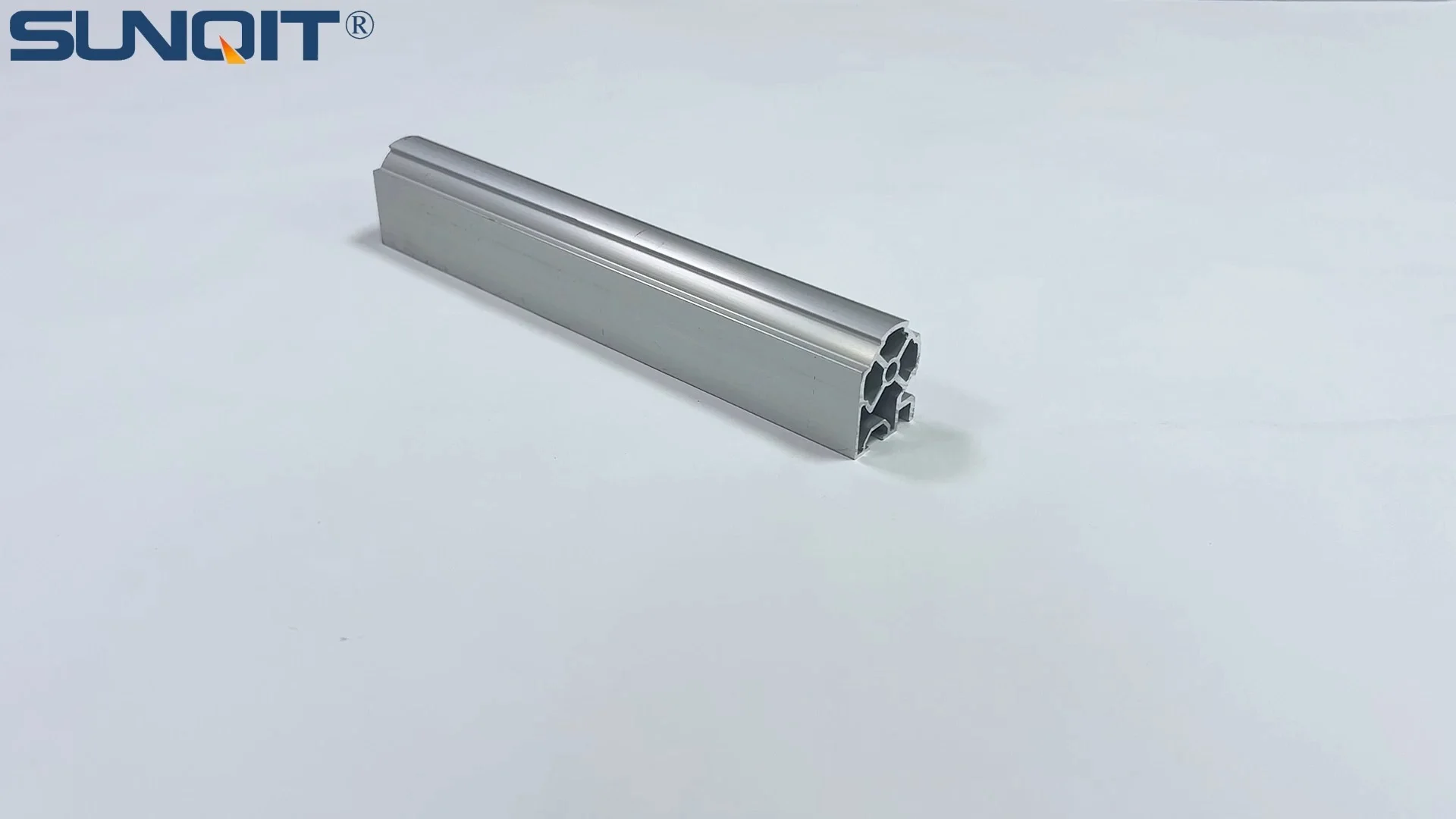
Aluminum Pipe with Tray Holder
Aluminum pipe with tray holder,the pipe one side connected by a joint, the other side with a slot which can hold a tray or a aluminum pannel.
The Critical Role of Cleanrooms in Medical Device Assembly
In the world of medical device manufacturing, precision isn't just a goal—it's a lifeline. Every component, from tiny surgical tools to complex diagnostic equipment, must meet stringent standards to ensure patient safety. At the heart of this process lies the cleanroom: a controlled environment where air quality, temperature, humidity, and contamination are meticulously regulated. For medical device assembly, even a single particle of dust or a trace of bacteria can compromise product integrity, leading to recalls, regulatory penalties, or worse, harm to patients.
Cleanrooms operate under strict classifications, such as ISO 14644, which defines allowable particle counts per cubic meter. For example, an ISO Class 7 cleanroom (common in medical device assembly) permits no more than 352,000 particles of 0.5μm or larger per cubic meter—compare that to a typical office, which can have millions. Maintaining this level of cleanliness requires more than just air filtration systems; it demands careful consideration of every tool, piece of equipment, and material within the space. This is where the choice of workbench systems, material handling tools, and storage solutions becomes critical.
Traditional assembly setups often struggle in cleanrooms. Heavy steel workbenches, for instance, are prone to rust if not properly treated, creating flaking particles. Plastic systems, while lightweight, can generate static electricity, attracting dust and debris. Even stainless steel, though durable, may lack the flexibility needed for dynamic production lines where workflows evolve with new device designs. The challenge? Finding a solution that balances cleanliness, durability, adaptability, and compliance—all while supporting the lean principles that drive efficient manufacturing.
Why Aluminum Stands Out in Cleanroom Environments
Enter aluminum: a material that has quietly revolutionized cleanroom design in recent decades. Unlike steel, aluminum is naturally resistant to corrosion, eliminating the risk of rust flakes contaminating sensitive assemblies. Its smooth, non-porous surface leaves nowhere for bacteria or particles to hide, making it easy to sanitize with common disinfectants like isopropyl alcohol or hydrogen peroxide. But aluminum's benefits go beyond cleanliness—it's also inherently lightweight, reducing the strain on cleanroom floors and making it easier to reconfigure workstations as needs change.
What truly sets aluminum apart, however, is its versatility. Through extrusion processes, aluminum can be shaped into precise profiles with integrated T-slots, allowing for quick attachment of accessories like tray holders, shelves, or lighting. This modularity is a game-changer for lean system implementation, where minimizing waste and maximizing efficiency are paramount. Instead of investing in custom-built, one-size-fits-all workbenches, manufacturers can mix and match aluminum components to create tailored solutions that adapt to new product lines, batch sizes, or regulatory requirements.
Consider this: a medical device company producing both small catheters and larger surgical robots will have vastly different assembly needs. With aluminum systems, the same base workbench can be reconfigured in hours—adding longer tray holders for robot components or shorter, divided trays for catheter parts—without disrupting the cleanroom's sterility. This flexibility not only reduces costs but also cuts down on downtime, a critical factor in meeting tight production deadlines.

Aluminum Pipe with Tray Holder: A Cleanroom Workhorse
Among the many aluminum solutions available, the aluminum pipe with tray holder emerges as a standout for medical device assembly. At first glance, it's a simple concept: lightweight aluminum pipes (often 20mm to 40mm in diameter) connected via smooth, non-threaded joints, topped with flat or divided tray holders designed to secure components during assembly. But its simplicity is its strength. Let's break down why this system has become a staple in cleanrooms worldwide.
Design Features That Prioritize Cleanliness
The aluminum pipe itself is typically anodized, a process that creates a hard, protective oxide layer on the surface. This layer is not only scratch-resistant but also non-reactive, meaning it won't leach chemicals or particles into the environment—critical for compliance with FDA regulations. The tray holders, often made from the same anodized aluminum or food-grade plastic, feature rounded edges and seamless construction to prevent dust buildup. Unlike traditional wire shelves or wooden trays, there are no crevices, welds, or porous surfaces where contaminants can accumulate.
Even the joints connecting the pipes are engineered with cleanrooms in mind. Internal rotary aluminum joints, for example, allow for 360° rotation of the pipe without exposing threads or moving parts that could generate particles. When adjusted, these joints lock securely, ensuring stability during assembly tasks while maintaining a smooth exterior. For fixed setups, parallel aluminum joints create sturdy, rigid connections that withstand the weight of tools and components without flexing or shifting.
Tray Holders: More Than Just Storage
The tray holder is where functionality meets precision. Modern designs offer a range of configurations: flat trays for large components, divided trays for organizing small parts like screws or gaskets, and even tilted trays to reduce worker strain during repetitive tasks. Some tray holders include integrated labeling slots, allowing operators to quickly identify parts—a small detail that reduces errors and speeds up assembly. For ESD-sensitive devices (like pacemakers or neurostimulators), conductive aluminum tray holders can be grounded to dissipate static electricity, protecting delicate electronics from damage.
Take, for example, the assembly of a diagnostic test kit. Each kit requires dozens of small components: swabs, reagent tubes, plastic casings, and labels. A divided aluminum tray holder with color-coded sections ensures each part has a designated spot, reducing the risk of mixing up components. The tray's smooth surface allows for easy wipe-downs between shifts, and its lightweight design means the entire workstation can be moved (with casters, another aluminum accessory) to a decontamination area for deep cleaning when needed.

Comparing Materials: Aluminum vs. Alternatives in Cleanrooms
To truly appreciate the value of aluminum pipe with tray holder systems, it helps to compare them against common alternatives. Let's examine how aluminum stacks up against stainless steel, plastic, and traditional wood in key cleanroom metrics:
| Material | Cleanliness (Ease of Sanitization) | Durability | Flexibility/Modularity | Cost (Initial + Long-Term) | Best For |
|---|---|---|---|---|---|
| Aluminum (Anodized) | Excellent: Non-porous, smooth surface; compatible with most disinfectants. | High: Resistant to corrosion and scratches; maintains integrity for 10+ years. | Exceptional: T-slot profiles and modular joints allow quick reconfiguration. | Moderate initial cost; low long-term costs due to reusability and minimal maintenance. | Dynamic medical device assembly lines with evolving workflows. |
| Stainless Steel | Good: Non-porous but heavier; requires more effort to move for cleaning. | Very High: Virtually indestructible but prone to fingerprints and smudges. | Low: Custom welding required for modifications; difficult to reconfigure. | High initial cost; high long-term costs if reconfiguration is needed. | Static, high-weight applications (e.g., heavy machinery assembly). |
| Plastic (PVC/Polypropylene) | Fair: Can develop micro-scratches over time, harboring bacteria. | Low: Prone to warping under heat; static buildup attracts dust. | Moderate: Lightweight but limited load capacity; accessories often glue-on. | Low initial cost; high long-term costs due to frequent replacement. | Short-term projects or low-budget, non-critical assemblies. |
| Wood (Sealed) | Poor: Porous even when sealed; impossible to fully sanitize. | Low: Susceptible to moisture damage and warping. | Very Low: Fixed design; cannot be reconfigured without replacement. | Low initial cost; highest long-term costs due to frequent replacement. | Non-cleanroom environments (e.g., warehouse storage). |
The table tells a clear story: aluminum balances cleanliness, durability, and flexibility better than any alternative for medical device cleanrooms. While stainless steel may be slightly more durable, its lack of modularity makes it impractical for lean system adoption. Plastic, meanwhile, fails to meet the longevity and contamination control needs of regulated industries. Aluminum, with its anodized surface and T-slot versatility, is the sweet spot.
Integrating Aluminum Pipe with Tray Holder into Lean Systems
Lean manufacturing isn't just a buzzword in medical device production—it's a necessity. With tight profit margins and ever-increasing regulatory demands, waste reduction and process optimization are critical to staying competitive. Aluminum pipe with tray holder systems align perfectly with lean principles, offering tangible benefits in key areas:
5S and Workplace Organization
The 5S methodology (Sort, Set in Order, Shine, Standardize, Sustain) forms the foundation of lean systems, and aluminum tray holders excel at "Set in Order." By providing designated, visible spaces for every tool and component, they eliminate the "search waste" that plagues disorganized workstations. For example, a tray holder with color-coded dividers ensures that operators always know where to find the 0.5mm screws for a catheter hub, reducing assembly time by up to 15% in some cases. Standardizing tray layouts across workstations also minimizes training time for new employees, ensuring consistency in quality and speed.
Continuous Flow and Pull Production
In pull production, components are delivered to the assembly line only when needed, reducing inventory waste. Aluminum pipe systems with roller track accessories (another key aluminum profile accessory) make this seamless. Imagine a line assembling insulin pumps: as the first pump reaches the "sealing" station, a signal triggers the next set of components to roll down an aluminum guide rail from a nearby material rack, directly into the tray holder at the "assembly" station. No excess inventory cluttering the cleanroom, no delays waiting for parts—just a steady, efficient flow.
Kaizen (Continuous Improvement)
Kaizen thrives on employee-driven innovation, and aluminum's modularity empowers teams to experiment with workstation designs. An operator might suggest tilting a tray holder by 10° to reduce wrist strain during soldering; with aluminum joints, this adjustment can be made in minutes, tested for a week, and adopted permanently if it improves efficiency. This culture of experimentation, supported by flexible tools, leads to ongoing gains in productivity and ergonomics.
Real-World Impact: A Case Study in Medical Device Assembly
To put these benefits into perspective, let's look at a real-world example: a mid-sized medical device manufacturer specializing in orthopedic implants (e.g., knee and hip replacements). Prior to adopting aluminum pipe with tray holder systems, the company relied on heavy stainless steel workbenches with fixed wooden shelves. The challenges were clear: reconfiguring a workstation for a new implant design took 2–3 days (involving welding and painting), wooden shelves were impossible to fully sanitize, and the weight of the steel benches limited floor space, forcing longer material transport distances.
After switching to aluminum systems, the transformation was striking. The company replaced 12 steel workbenches with aluminum pipe frames topped with adjustable tray holders and aluminum honeycomb panels (for lightweight, rigid work surfaces). Within the first month:
- Reconfiguration time dropped from days to hours. A new hip implant tray layout, for example, was designed and implemented in under 4 hours, with no disruption to cleanroom sterility.
- Contamination incidents (detected via particle counters) fell by 40%, as the smooth aluminum surfaces were easier to sanitize and didn't shed wood fibers or rust particles.
- Operator fatigue decreased, with 80% of employees reporting reduced back and wrist strain—thanks to adjustable tray heights and tilted holders that minimized bending and reaching.
- Material transport time was cut by 25% by adding casters to mobile aluminum trolleys, allowing components to be delivered directly to the workstation instead of stored in distant racks.
Over a year, these changes translated to a 12% increase in production output and a 15% reduction in scrap rates—metrics that directly improved the company's bottom line while enhancing compliance with FDA regulations.
Accessories That Enhance Aluminum Pipe Systems
A strong system is only as good as its accessories, and aluminum pipe with tray holder setups benefit from a range of complementary components, all designed with cleanrooms in mind:
Adjustable Leveling Feet
Cleanroom floors are rarely perfectly level, and uneven workstations can cause components to slide or tools to tip. Aluminum adjustable leveling feet screw into the base of pipe frames, allowing precise height adjustments (often up to 50mm) to ensure stability. Made from anodized aluminum with rubber anti-slip pads, they won't scratch floors or generate particles.
ESD-Safe Casters
For mobile workstations, ESD (electrostatic discharge) casters are a must. These casters feature conductive wheels and bearings that ground static electricity, protecting sensitive electronics like pacemaker circuit boards. Aluminum caster brackets are lightweight yet strong, supporting loads up to 200kg per workstation without adding unnecessary bulk.
Aluminum Guide Rails
Aluminum guide rails, available in various profiles (like Aluminum Guide Rail A and B), work with roller tracks to create smooth material flow between stations. Their T-slot design allows easy attachment to pipe frames, and they're compatible with plastic roller track guide rails (yellow or grey) for low-friction component transport.
Tool Hooks and Holders
Aluminum tool hooks, mounted via T-slot connectors, keep frequently used tools (like torque wrenches or tweezers) within arm's reach, eliminating "motion waste." Hooks can be positioned anywhere on the pipe frame, ensuring tools are always visible and accessible.
Maintenance and Compliance: Keeping Aluminum Systems Cleanroom-Ready
Even the best cleanroom equipment requires proper maintenance to stay compliant. Fortunately, aluminum pipe with tray holder systems are low-maintenance, with care routines that align with standard cleanroom protocols:
Daily Cleaning
Wipe down aluminum surfaces with a lint-free cloth dampened with 70% isopropyl alcohol or a FDA-approved disinfectant. Pay special attention to tray holder corners and joint connections, though the smooth design minimizes buildup. Avoid abrasive cleaners or steel wool, which can scratch the anodized finish and create particle traps.
Weekly Inspections
Check joints for tightness and replace any worn gaskets or connectors. Inspect tray holders for signs of damage (e.g., cracks in plastic dividers) and replace as needed. For ESD systems, verify grounding continuity with a multimeter to ensure static protection remains active.
Quarterly Deep Cleaning
For critical cleanrooms (ISO Class 5 or higher), remove tray holders and soak them in a mild detergent solution, then rinse with deionized water and air-dry. This removes any residual oils or chemicals that daily wipes might miss.
From a compliance standpoint, aluminum systems simplify audits. Their non-reactive nature and easy-to-document cleaning procedures help meet FDA 21 CFR Part 820 (Quality System Regulation) and ISO 13485 requirements. Many aluminum suppliers also provide material safety data sheets (MSDS) confirming the absence of substances of concern (SOCs), further easing regulatory burdens.
Future Trends: Aluminum Pipe Systems in the Next Generation of Cleanrooms
As medical device technology advances—think smaller, more complex implants and AI-driven assembly lines—aluminum pipe with tray holder systems are evolving to keep pace. Here are three trends shaping their future:
Smart Tray Holders with IoT Integration
Imagine tray holders embedded with RFID tags or weight sensors that track component usage in real time. When a tray's screw count drops below a threshold, a notification is sent to the material handler, triggering a refill via the pull system. This "smart" integration reduces stockouts and further minimizes inventory waste.
Sustainable Aluminum Solutions
With sustainability becoming a key focus for manufacturers, aluminum's recyclability is a major advantage. Suppliers are increasingly offering "green" aluminum profiles made from 100% recycled material, with the same strength and finish as virgin aluminum. This not only reduces environmental impact but also appeals to eco-conscious customers and regulators.
Customized Anodization for Specialized Needs
While standard anodized aluminum works for most cleanrooms, specialized applications (like MRI-compatible devices) require non-magnetic materials. New anodization techniques are creating aluminum surfaces that are not only non-magnetic but also resistant to harsh chemicals used in specialized cleaning processes, expanding the system's versatility.
Conclusion: Aluminum Pipe with Tray Holder—A Foundation for Cleanroom Excellence
In the high-stakes world of medical device assembly, every choice matters. The aluminum pipe with tray holder system isn't just a piece of equipment; it's a strategic investment in cleanliness, efficiency, and compliance. By combining aluminum's natural advantages—corrosion resistance, smooth surfaces, lightweight design—with modular tray holders and lean-compatible accessories, manufacturers can create workspaces that adapt to change, reduce waste, and protect the integrity of life-saving devices.
Whether you're assembling a simple syringe or a cutting-edge robotic surgical tool, the right aluminum system can transform your cleanroom from a static, restrictive space into a dynamic, innovative hub where precision and productivity thrive. As medical technology continues to advance, one thing is clear: aluminum pipe with tray holder systems will remain at the forefront of cleanroom design, supporting the next generation of life-changing medical devices.