- Company Articles
- Products and Technology
- Solution
- Aluminum Pipe with Tray Holder for Medical Logistics: Secure Transport Solutions

Aluminum Pipe with Tray Holder for Medical Logistics: Secure Transport Solutions
Related Product
Aluminum Pipe with Tray Holder
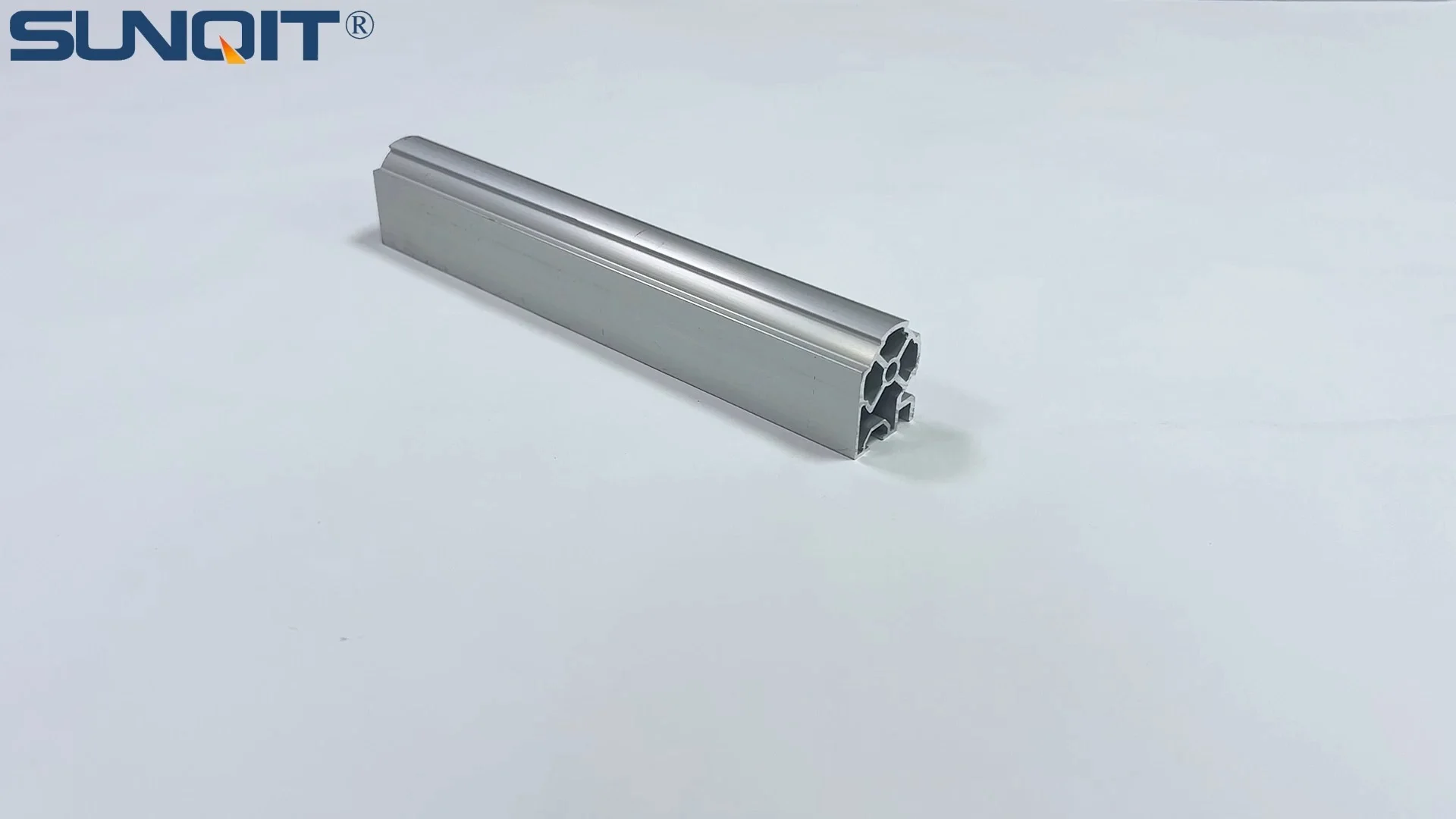
Aluminum pipe with tray holder,the pipe one side connected by a joint, the other side with a slot which can hold a tray or a aluminum pannel.
In the fast-paced world of healthcare, every second counts. From lab samples rushing to diagnostics to life-saving medications being delivered to patient floors, the efficiency and safety of medical logistics can directly impact patient outcomes. Yet, for too long, many healthcare facilities have relied on outdated transport tools—bulky steel carts that rust in humid lab environments, flimsy plastic bins that crack under heavy loads, or wooden shelves that absorb moisture and harbor germs. These tools aren't just inconvenient; they create unnecessary risks: delayed sample deliveries, damaged equipment, or even contamination that threatens patient safety. Enter the aluminum pipe with tray holder —a modern solution designed to address the unique challenges of medical logistics. Lightweight yet surprisingly durable, customizable to fit any workflow, and built with the strict demands of healthcare in mind, this system is redefining how medical facilities move critical items. Let's dive into why this unassuming combination of aluminum and tray holders is becoming a staple in hospitals, labs, and pharmacies worldwide.
The Critical Role of Secure Transport in Medical Logistics
Medical logistics isn't just about moving items from Point A to Point B—it's about protecting the integrity of everything that keeps healthcare running. Consider a typical day in a hospital: a pharmacy technician needs to deliver temperature-sensitive vaccines to the pediatric ward without letting them warm above 4°C. A lab technician must transport blood samples from the ER to the lab, ensuring they don't mix or spill. An OR nurse needs to move sterile surgical instruments into the operating room, where even a single germ could lead to an infection. Each of these tasks carries high stakes, and the tools used can make or break their success.
Traditional transport solutions often fall short. Steel carts, for example, are sturdy but heavy—requiring two people to maneuver through narrow hospital corridors, slowing down response times. Plastic bins are lightweight but prone to cracking when dropped, which is a disaster when they're holding vials of chemotherapy drugs. Wooden shelving, while cheap, absorbs spills and is nearly impossible to sanitize thoroughly, making it a breeding ground for bacteria in sterile environments. These inefficiencies don't just waste time; they create gaps in patient care. A delayed lab sample might mean a misdiagnosis. A cracked vaccine vial could leave a child unprotected. A contaminated instrument tray could lead to a life-threatening infection. In short, medical transport tools aren't just equipment—they're part of the healthcare safety net.
Why Aluminum Pipe with Tray Holder Stands Out in Medical Transport
At first glance, an aluminum pipe with a tray holder might seem simple—after all, it's just a metal pipe and a tray, right? But that simplicity is its greatest strength. Unlike one-size-fits-all steel carts or fragile plastic systems, the aluminum pipe with tray holder is a modular solution. It starts with high-quality aluminum profile —the same material used in aircraft and medical devices for its strength-to-weight ratio. The aluminum pipe is lightweight enough for a single nurse to push down a hallway but strong enough to hold heavy loads, like stacks of IV fluid bags or bulky medical devices. The tray holder, usually made from the same aluminum or a compatible alloy, attaches securely to the pipe with aluminum profile accessories like joints and brackets, creating a stable platform that won't shift or tip during transport.
But what really sets this system apart is its adaptability. Healthcare facilities aren't one-size-fits-all, and neither are their transport needs. A rural clinic might need a small, compact cart to navigate tight exam rooms, while a large urban hospital could require a multi-tiered system to transport supplies to multiple floors. With aluminum pipe and tray holders, customization is easy. Need extra trays to separate different types of samples? Add them. Want to lower the height for easier loading by shorter staff? Adjust the pipe length. Need to move the system outdoors for ambulance transfers? Swap out standard casters for all-terrain caster wheel options. This flexibility ensures the system grows with the facility, reducing the need for constant replacements and cutting long-term costs.
Another key advantage is aluminum's natural resistance to corrosion and bacteria. In healthcare settings, where frequent cleaning with harsh disinfectants is a must, materials matter. Steel carts rust when exposed to bleach or alcohol wipes, and plastic can degrade over time, leaving cracks that trap germs. Aluminum, however, forms a protective oxide layer when exposed to air, making it resistant to rust and corrosion—even in humid environments like labs or sterile processing departments. Its smooth, non-porous surface also makes it easy to sanitize; a quick wipe with a disinfectant cloth removes germs without damaging the material. For facilities striving to meet strict infection control standards (like those set by the CDC or WHO), this is a game-changer.

Breaking Down the Components: What Makes It Work?
To truly understand why aluminum pipe with tray holder systems excel in medical logistics, let's break down their key components. Each part is designed with both functionality and safety in mind, working together to create a seamless transport experience.
1. The Aluminum Pipe: Strength in Simplicity
The backbone of the system is the aluminum pipe itself. Most medical-grade systems use aluminum profile made from 6061 or 6063 aluminum alloy—known for its high strength, weldability, and corrosion resistance. These alloys are often extruded, meaning they're shaped by forcing molten aluminum through a die, creating a uniform, consistent structure with no weak points. The result? A pipe that can support up to 500 lbs (depending on diameter and wall thickness) without bending or warping. For reference, a standard 1.5-inch diameter aluminum pipe with a 0.12-inch wall thickness can easily hold a full tray of surgical instruments or 20+ vials of medication—more than enough for most daily transport needs in healthcare.
But it's not just about strength. Aluminum's lightweight nature (about 1/3 the weight of steel) makes the system easy to maneuver. A typical cart built with aluminum pipe might weigh 30-40 lbs empty, compared to 60-80 lbs for a steel cart of the same size. This is a huge difference for staff who spend hours pushing carts daily; lighter tools reduce strain on backs and shoulders, lowering the risk of workplace injuries—a critical factor in healthcare, where nurse and technician burnout is already a pressing issue.
2. The Tray Holder: Protecting What Matters Most
The tray holder is where the "secure" in "secure transport" truly shines. Unlike generic bins or open shelves, these holders are designed with medical-specific needs in mind. Most are made from the same aluminum alloy as the pipe, ensuring compatibility and durability, and feature raised edges (usually 1-2 inches high) to prevent items from sliding off during transport. Some models even come with adjustable dividers, allowing staff to separate different types of items—for example, keeping blood samples in one section and urine samples in another to avoid mix-ups. For fragile items like glass vials or lab slides, optional foam inserts can be added to cushion against bumps.
Another thoughtful design feature is the tray's surface. Many are textured or coated with a non-slip material to keep items from shifting, even when the cart is stopped suddenly. In labs where spills are common, some trays have drainage holes to prevent liquid from pooling—important for containing leaks from broken vials or thawing samples. And because they're made from aluminum, the trays are easy to remove and sanitize separately; simply lift them off the pipe frame, wipe them down with disinfectant, and reattach—no disassembly required.
3. Aluminum Profile Accessories: The Glue That Holds It All Together
What turns a loose collection of pipes and trays into a functional system? The aluminum profile accessories that connect everything. These small but critical parts include joints, brackets, casters, and locks—each designed to add flexibility and safety. For example, 90-degree joints let you build vertical frames to stack trays, maximizing vertical space in tight storage areas. Swivel brackets allow trays to tilt slightly, making it easier to access items at the back without straining. And perhaps most importantly, caster wheel attachments turn a stationary frame into a mobile cart. Medical-grade casters are often lockable, with rubber wheels that absorb shocks (to protect fragile items) and are non-marking (so they don't scuff hospital floors). Some even have brakes that engage automatically when the cart is stopped, preventing accidental rolling in busy corridors.
These accessories also make the system future-proof. As a facility's needs change—say, a lab expands and needs longer carts, or a pharmacy adds new medication storage—you can simply swap out accessories instead of buying an entirely new system. Need a taller frame? Add extension pipes. Want to secure trays more tightly? Install locking brackets. This modularity is a huge cost-saver, especially for facilities operating on tight budgets.

Safety First: Meeting Medical Industry Standards
In healthcare, "good enough" isn't enough. Transport systems must meet strict regulations to ensure patient and staff safety, and aluminum pipe with tray holder systems are built with these standards in mind. Let's take a closer look at how they stack up against key industry requirements.
Sterility and Infection Control
Hospitals and labs are held to rigorous cleanliness standards, and for good reason: a single contaminated surface can lead to healthcare-associated infections (HAIs), which affect millions of patients annually. Aluminum's non-porous surface is a major advantage here. Unlike wood, which absorbs liquids and bacteria, or plastic, which can develop micro-cracks over time, aluminum resists moisture and is easy to disinfect. Most aluminum pipe with tray holder systems can withstand daily cleaning with hospital-grade disinfectants (like quaternary ammonium compounds or hydrogen peroxide) without fading, pitting, or degrading. Some manufacturers even offer ESD (electrostatic discharge)-rated options, which are critical in labs handling sensitive electronic equipment or samples that could be damaged by static electricity—though ESD isn't always necessary, it's a valuable feature for specialized settings.
Load Capacity and Stability
The FDA and other regulatory bodies don't just care about cleanliness—they also require transport tools to safely support their intended loads. A cart that collapses under the weight of medical supplies isn't just a nuisance; it's a hazard. Aluminum pipe with tray holder systems are rigorously tested for load capacity, with most models supporting 200-300 lbs per shelf (and up to 800 lbs for multi-shelf systems). The secret is in the aluminum profile design: extruded aluminum has a uniform strength that avoids weak spots, and accessories like reinforced brackets distribute weight evenly across the frame. Stability is also prioritized; most carts have a wide base (often 24-36 inches) and low center of gravity, reducing the risk of tipping—even when navigating tight turns or uneven floors.
Ergonomics and Staff Safety
OSHA (Occupational Safety and Health Administration) sets strict guidelines for workplace ergonomics, and healthcare facilities are no exception. Heavy, awkwardly shaped carts can lead to musculoskeletal injuries among staff, from back strains to carpal tunnel syndrome. Aluminum pipe with tray holder systems address this by keeping weight low (thanks to aluminum's lightness) and allowing for height customization. Trays can be positioned at waist height, eliminating the need for staff to bend or reach overhead to load/unload items. Casters with smooth-rolling wheels reduce the force needed to push carts, and some models even have ergonomic handles with soft grips to reduce hand fatigue during long shifts. These small adjustments add up: facilities that switch to ergonomic transport systems often report 30% fewer staff injuries and higher employee satisfaction—a win for both workers and patients.
Comparing Materials: Why Aluminum Beats Steel, Plastic, and Wood
To truly appreciate the value of aluminum pipe with tray holder systems, it helps to see how they stack up against traditional materials. Let's compare them head-to-head across key criteria that matter most in medical logistics:
| Material | Weight (per linear foot) | Corrosion Resistance | Maintenance Needs | Customization Options | Estimated Lifespan (years) | Best For |
|---|---|---|---|---|---|---|
| Aluminum Pipe with Tray Holder | 2.5 lbs | Excellent (resists rust, even in humid labs) | Low (wipe clean; occasional tightening of accessories) | High (modular design; add/remove trays, adjust height) | 10-15 | Daily transport of samples, meds, and equipment in healthcare settings |
| Steel Pipe with Tray Holder | 5.0 lbs | Poor (rusts without coating; needs regular painting) | High (remove rust, repaint every 2-3 years) | Low (fixed design; hard to modify) | 5-7 (with heavy maintenance) | Heavy industrial use (not ideal for healthcare) |
| Plastic Tubing with Tray Holder | 1.8 lbs | Good (resists moisture but prone to cracking) | Medium (replace cracked parts; avoid harsh disinfectants) | Medium (some modular options, but limited load capacity) | 3-5 (fades and weakens in sunlight/heat) | Light, temporary use (e.g., event medical tents) |
| Wooden Shelving with Trays | 3.2 lbs | Poor (absorbs moisture; warps and harbors bacteria) | Very High (seal yearly; replace if water-damaged) | Very Low (fixed size; hard to sanitize) | 2-4 (even with care) | Non-medical storage (e.g., janitorial supplies) |
As the table shows, aluminum outperforms other materials in nearly every category that matters for medical logistics. It's lighter than steel, more durable than plastic, and far easier to maintain than wood. But perhaps the biggest advantage is its lifespan: while plastic or wood systems need replacement every 3-5 years, aluminum systems can last 10-15 years with minimal upkeep. Over time, this makes aluminum the most cost-effective choice, even if the initial investment is slightly higher than plastic or wood.
Real-World Applications: How Medical Facilities Are Using It
Talk is cheap—what really matters is how these systems perform in real healthcare settings. Let's explore a few case studies where aluminum pipe with tray holder systems have made a tangible difference.
Case Study 1: Greenfield Regional Medical Center Reduces Lab Sample Delays by 30%
Greenfield Regional Medical Center, a 300-bed hospital in the Midwest, was struggling with lab sample transport delays. Their old steel carts were heavy, making it hard for technicians to navigate from the ER to the lab (a 5-minute walk that often took 15 minutes due to cart maneuvering). Samples were frequently delayed, leading to longer wait times for patients and frustrated clinicians. Worse, the steel carts rusted easily in the humid lab environment, requiring monthly maintenance to prevent corrosion.
In 2023, Greenfield switched to aluminum pipe with tray holder carts. The new carts were half the weight of the steel models, allowing technicians to move them quickly through corridors. Adjustable trays with dividers let them separate urgent samples (like STAT blood work) from routine ones, ensuring priority items were processed first. The aluminum frames were easy to sanitize, and the rust-free design eliminated maintenance costs. Within six months, sample transport times dropped by 30%, and the lab reported a 25% reduction in sample mix-ups. "It's like night and day," said Maria Gonzalez, a lab technician at Greenfield. "I can push these carts with one hand now, even when they're full. And I don't have to worry about rust stains on my uniform anymore."
Case Study 2: Riverside Pharmacy Cuts Medication Errors with Customizable Trays
Riverside Pharmacy, a busy outpatient pharmacy serving 500+ patients daily, was dealing with a different issue: medication errors during delivery. Their plastic bins were unlabeled and often overstuffed, leading to mix-ups between prescription bottles. Nurses on patient floors would sometimes receive the wrong medication, requiring time-consuming corrections and risking patient safety.
The pharmacy invested in aluminum pipe with tray holder systems with color-coded, adjustable trays. Each tray was assigned a color (red for urgent medications, blue for routine, green for pediatric doses) and fitted with dividers labeled by patient name. The aluminum frames were mounted on lockable casters, so carts could be secured when not in use, preventing unauthorized access to medications. Within three months, medication delivery errors dropped by 40%. "The color coding and dividers make it impossible to mix up patients' meds," said James Patel, the pharmacy manager. "And the carts are so sturdy—we've had them for a year, and they still look brand new, even with daily use."
Case Study 3: Pine Ridge Veterinary Clinic Improves Sterile Instrument Transport
It's not just human healthcare—veterinary clinics face similar transport challenges. Pine Ridge Veterinary Clinic, a small animal hospital in Colorado, was struggling to keep surgical instruments sterile during transport from the autoclave to the operating room. Their old wooden carts absorbed moisture from the sterilization process, leading to mold growth. The clinic needed a solution that was easy to sanitize and could protect delicate instruments like scalpels and forceps.
They opted for a compact aluminum pipe with tray holder cart with removable, stainless steel trays. The aluminum frame was lightweight enough for veterinary technicians to carry into surgery (when needed) and easy to wipe down with disinfectant after each use. The stainless steel trays were heat-resistant, so they could be placed directly from the autoclave onto the cart without warping. "We used to worry about instruments getting contaminated on the way to surgery," said Dr. Sarah Chen, the clinic's lead veterinarian. "Now, we just load the tray, lock the cart, and roll it in—no more mold, no more stress."
These case studies highlight a common theme: aluminum pipe with tray holder systems aren't just "better" than old tools—they solve specific, real-world problems that healthcare facilities face daily. Whether it's speeding up transport, reducing errors, or improving sterility, these systems are designed to make healthcare workflows smoother and safer.
Maintenance and Longevity: Keeping Your System Running Smoothly
One of the biggest perks of aluminum pipe with tray holder systems is how little maintenance they require—but that doesn't mean they're "set it and forget it." With proper care, these systems can last 10-15 years, making them a smart long-term investment. Here's how to keep yours in top shape:
Daily Cleaning: Simple Steps for Sterility
Aluminum's smooth surface makes daily cleaning a breeze. Most facilities can get by with a quick wipe-down using a disinfectant cloth or mild soap and water. Avoid abrasive cleaners (like steel wool) or harsh chemicals (like hydrochloric acid), as these can scratch the aluminum or damage the oxide layer that protects against corrosion. For stubborn stains (like dried blood or medication spills), a soft-bristled brush and warm, soapy water should do the trick. If your system has removable trays, take them off and clean them separately—this ensures you reach all the nooks and crannies where germs might hide. Dry thoroughly after cleaning to prevent water spots, especially in humid environments like labs.
Weekly Inspections: Catching Issues Early
Set aside 10-15 minutes each week to inspect your aluminum pipe with tray holder system. Check the following:
- Aluminum profile accessories: Tighten any loose joints, brackets, or casters. Over time, constant movement can cause screws to loosen, which could lead to instability. A simple wrench or screwdriver is usually all you need.
- Caster wheels: Clean debris (like hair, dust, or small hospital supplies) from the wheels and axles. If wheels are sticking, apply a small amount of silicone lubricant (avoid oil-based lubricants, which can attract dust).
- Trays: Check for dents or cracks, especially around the edges. While aluminum is durable, heavy impacts (like dropping a cart) can damage trays. replace any damaged trays immediately to prevent items from slipping out.
- Locks and brakes: Test caster brakes to ensure they engage properly. If a brake isn't holding, adjust the tension or replace the brake pad—this is critical for preventing carts from rolling away in busy areas.
Long-Term Care: Extending Lifespan
Even with daily and weekly care, there are a few things you can do to extend your system's lifespan:
Avoid overloading: While aluminum is strong, exceeding the recommended load capacity (usually listed by the manufacturer) can bend pipes or damage joints. Train staff to check weight limits and distribute heavy items evenly across trays.
Store properly: If you have extra carts or components, store them in a dry, climate-controlled area. Avoid leaving aluminum systems outdoors or in areas with extreme temperatures (like uninsulated storage rooms), as this can weaken the material over time.
replace accessories as needed: Casters, brakes, and brackets are wear-and-tear items. Replacing them when they show signs of damage (like worn brake pads or cracked brackets) is cheaper than replacing the entire system. Most manufacturers sell replacement parts, so you won't have to buy a new cart if one component fails.
The Future of Medical Transport: Innovations in Aluminum Systems
As healthcare continues to evolve, so too will the tools that support it. Aluminum pipe with tray holder systems are no exception—manufacturers are already exploring new ways to make them even more efficient, safe, and integrated with modern healthcare technology. Here are a few trends to watch:
IoT Integration for Smart Tracking
Imagine a cart that can track its location in real time, monitor the temperature inside its trays, and even send alerts if it's left unattended. That's the future of medical transport, and aluminum systems are leading the way. Some manufacturers are adding IoT (Internet of Things) sensors to aluminum pipe frames—small devices that connect to hospital Wi-Fi and transmit data to a central dashboard. For example, a vaccine transport cart could use a temperature sensor to ensure vaccines stay within the 2-8°C range; if the temperature rises, the sensor sends an alert to the pharmacy manager's phone. Location tracking can help facilities optimize cart routes, reducing unnecessary trips and saving staff time. And theft-detection sensors can alert security if a cart is moved outside its designated area—critical for expensive medical equipment or controlled substances.
Lightweight Aluminum Alloys for Enhanced Portability
Aluminum is already light, but new alloys are making it even lighter without sacrificing strength. Manufacturers are experimenting with aluminum-lithium alloys, which are 10-15% lighter than traditional aluminum and just as durable. These alloys could lead to even more maneuverable carts, making them ideal for small clinics or home healthcare settings where space is limited. Some are also exploring carbon fiber-reinforced aluminum, which adds strength while keeping weight low—perfect for heavy-duty applications like transporting MRI machines or surgical equipment.
Sustainable Manufacturing Practices
Healthcare facilities are increasingly prioritizing sustainability, and aluminum systems fit the bill. Aluminum is 100% recyclable, and recycling it uses 95% less energy than producing new aluminum. Many manufacturers are now using recycled aluminum in their aluminum profile production, reducing their carbon footprint. Some are even offering take-back programs, where old aluminum systems are recycled into new ones at the end of their lifespan. For facilities aiming to achieve LEED certification or reduce waste, this is a major selling point.
Customization Through 3D Printing
While aluminum profile accessories are already modular, 3D printing is taking customization to the next level. Facilities can now order 3D-printed brackets, dividers, or tray inserts tailored to their exact needs—for example, a tray insert shaped to hold a specific model of ultrasound machine, or a bracket designed to fit a unique cart size. 3D printing also allows for rapid prototyping, meaning manufacturers can test new designs quickly and get them to market faster. This is especially valuable for specialized healthcare settings, like pediatric hospitals or research labs, which often have unique transport needs.
Conclusion: Investing in Secure, Efficient Medical Transport
At the end of the day, healthcare is about people—patients waiting for answers, nurses working tirelessly to provide care, technicians ensuring every sample and medication is handled with precision. The tools we use to support these people shouldn't be an afterthought. Aluminum pipe with tray holder systems are more than just carts or shelves; they're a commitment to safety, efficiency, and the well-being of everyone in the healthcare ecosystem. Lightweight enough to reduce staff strain, durable enough to withstand daily use, and customizable enough to fit any workflow, these systems are proving that sometimes the best innovations in healthcare are the ones that make the hard work a little easier.
Whether you're running a large hospital, a small clinic, or a busy pharmacy, the question isn't whether you need better transport tools—it's how long you can afford to wait. Every day with outdated carts is a day of unnecessary delays, increased risk of errors, and added stress for your team. Aluminum pipe with tray holder systems offer a simple, cost-effective solution that pays for itself in improved efficiency, reduced maintenance, and—most importantly—safer patient care. It's time to leave the rusty steel carts and flimsy plastic bins behind. The future of medical logistics is here, and it's aluminum.