- Company Articles
- Products and Technology
- Product knowledge
- Aluminum Pipe with Tray Holder for Small-Batch Production: Flexibility Benefits

Aluminum Pipe with Tray Holder for Small-Batch Production: Flexibility Benefits
Related Product
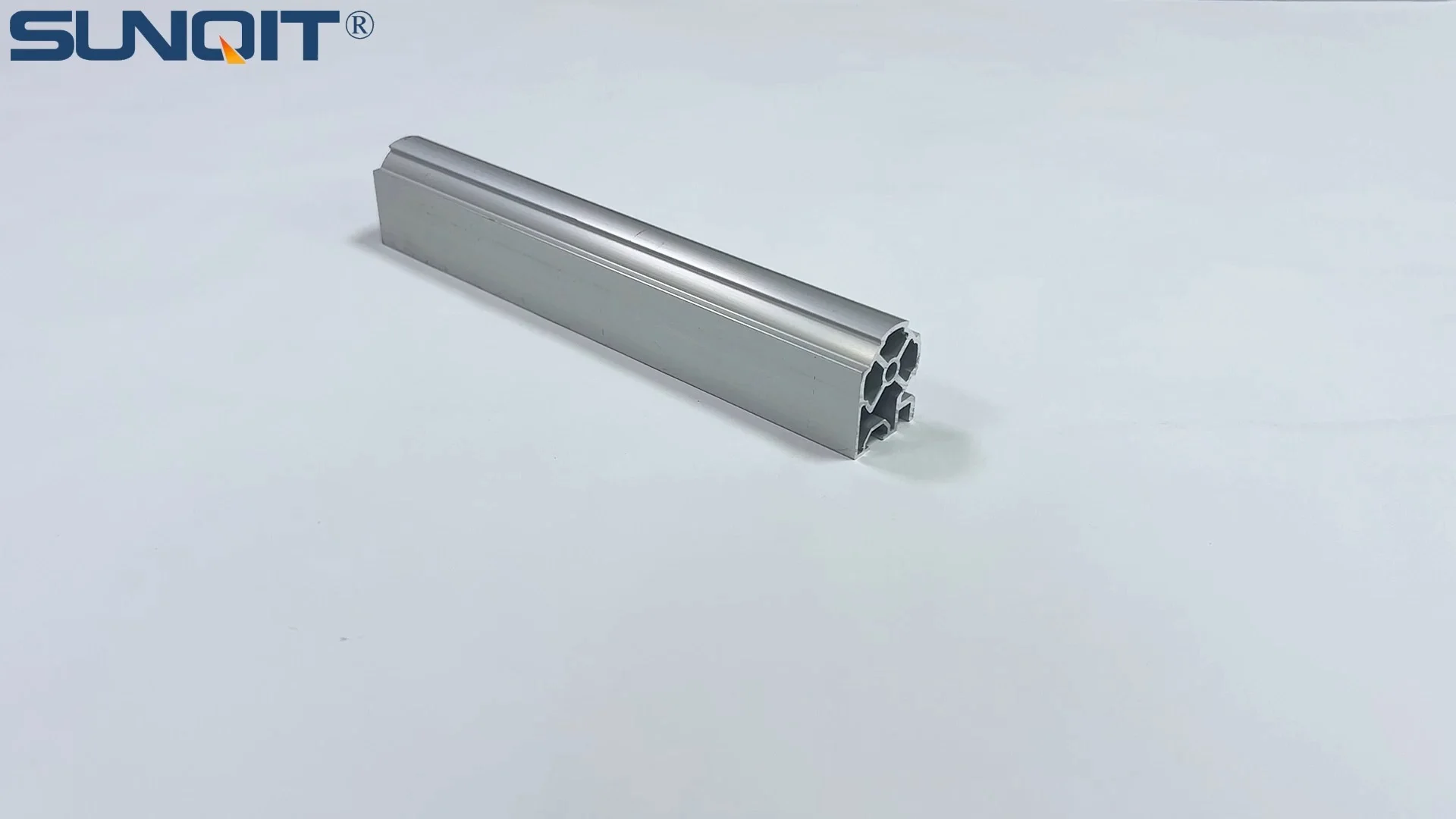
Aluminum Pipe with Tray Holder
Aluminum pipe with tray holder,the pipe one side connected by a joint, the other side with a slot which can hold a tray or a aluminum pannel.
Small-batch production is the heartbeat of innovation. Whether you're crafting artisanal goods, prototyping new electronics, or fulfilling custom orders, the ability to pivot quickly isn't just a luxury—it's survival. But here's the catch: most production setups aren't built for speed. Rigid steel racks, clunky wooden workbenches, and one-size-fits-all conveyor systems leave little room to adapt when a new order comes in, a design changes, or your team needs to rearrange for efficiency. That's where aluminum pipe with tray holder steps in. It's not just a tool; it's a mindset shift—one that turns "we can't" into "we can, and we'll do it by Friday."
What Even Is Aluminum Pipe with Tray Holder, Anyway?
Let's start with the basics. Aluminum pipe with tray holder is exactly what it sounds like: lightweight, durable aluminum pipes paired with customizable tray holders, all part of a modular system designed to be built, taken apart, and rebuilt again—no welding, no heavy tools, no headaches. Think of it as adult Legos for your production floor, but sturdier, more functional, and tailored to the chaos of small-batch work.
At its core is the aluminum lean pipe —a hollow aluminum tube that's strong enough to support tools, materials, and even heavy trays, but light enough that one person can carry a bundle of them. The tray holder, usually made of the same aluminum or a compatible alloy, attaches to the pipes using simple aluminum profile accessories like brackets, clips, or T-slot connectors. No drilling, no glue, no permanent commitments. You snap it together, use it, and when you need something new? Take it apart and start fresh.
This modularity is key. Unlike fixed steel structures that require a crew and a weekend to modify, aluminum pipe systems let you tweak, adjust, and overhaul your setup in hours. Need a taller shelf for bulkier materials? Swap out a shorter pipe for a longer one. Want to angle the tray holder for easier access? Loosen a connector, pivot, and tighten. It's production design on your terms.
Flexibility Benefits: Why Small-Batch Producers Swear By It
Small-batch work isn't about repeating the same task day in and day out. It's about variety—one week assembling smartphone cases, the next testing drone parts, then shifting to packaging samples for a trade show. Your workspace needs to keep up. Here's how aluminum pipe with tray holder delivers that flexibility, in ways that matter for your bottom line and your team's sanity.
1. Reconfigure in Hours, Not Days
Imagine this: It's Tuesday, and a client emails with a rush order for a custom product you've never made before. Your current workbench is set up for your standard line—shelves at waist height, trays organized by part number, a conveyor belt feeding in components from the left. For this new order, you need the shelves higher to fit a larger machine, the trays angled for better visibility, and the conveyor shifted to the right to make space for a quality check station. If you're using a traditional setup, this might mean calling in a contractor, renting tools, or worse, telling the client "no." With aluminum pipe? You grab a hex key, loosen a few connectors, and start rearranging.
A local bakery in Portland, OR, switched to aluminum pipe workbenches last year, and their production manager, Mia, puts it best: "Before, if we wanted to switch from cookies to mini-cakes, we'd spend half a day moving wooden shelves and taping down new labels. Now? My team can reconfigure the entire decorating station in 45 minutes. We even keep extra pipes and tray holders in a closet—grab what we need, snap it together, and we're back to baking."
2. Custom Layouts for Every Project
No two small-batch jobs are the same. One product might require a U-shaped workflow to minimize movement; another, a straight line for speed. Aluminum pipe with tray holder doesn't force you into a box. Want a workbench with a tray holder on the left for tools and a shelf on the right for finished parts? Done. Need a turnover trolley and rack that's tall enough to reach a me high mezzanine but narrow enough to fit through doorways? Just mix and match pipe lengths and casters (yes, casters are easy to add, too).
Take a small electronics workshop in Austin that builds custom circuit boards for startups. They often work on 5-10 different board designs at once, each with unique component needs. With aluminum pipe, they've built dedicated "pods"—each pod is a workbench with tray holders sized for a specific board, plus a turnover trolley that glides between stations. When a new client comes in with a prototype, they don't redesign the entire shop—they just build a new pod in a corner, using extra pipes and accessories. It's like having a production line that grows with your ideas.
3. Scale Up (or Down) Without Waste
Small-batch production isn't static. Some months, orders flood in; other months, you're ramping up for a launch. With traditional equipment, scaling means buying new racks or workbenches you might not need later—or worse, letting orders sit because you can't expand fast enough. Aluminum pipe solves this with scalability built in.
Let's say you land a big order that doubles your usual output. Instead of buying a new $5,000 steel rack, you take the aluminum pipes from that unused corner setup, add a few more tray holders, and boom—you've got extra storage. When the order wraps, take it apart and store the pipes until next time. No wasted space, no wasted money. It's the opposite of "use it once and it's obsolete."
4. Ergonomics That Keep Your Team Happy (and Healthy)
Flexibility isn't just about the product—it's about the people building it. Small-batch work often means long hours and repetitive tasks, and a poorly designed workspace can lead to fatigue, mistakes, and even injuries. Aluminum pipe with tray holder lets you prioritize ergonomics in ways rigid systems can't.
For example, if Maria, who's 5'2", is struggling to reach the top shelf of a workbench, you can lower the tray holder by swapping out a 4-foot pipe for a 3-foot one. If Raj, who's 6'4", is hunching over his station, raise it up. Need to angle a tray to reduce wrist strain while sorting parts? Just adjust the connectors. These small tweaks add up to happier, more productive teams—and fewer trips to the chiropractor.

Real Talk: How One Small Business Ditched Rigidity for Results
Case Study: GreenWave Innovations
GreenWave Innovations is a 12-person team in Denver that designs and builds custom solar panel mounts for tiny homes and RVs. Their problem? Every client's setup is different—some want roof mounts, others ground-based, some curved to fit a van's roofline. For years, they worked out of a garage with a single steel workbench and a few plastic bins. When a new order came in, they'd spend hours moving tools, stacking materials on the floor, and duct-taping "temporary" shelves to the walls.
"We lost so much time rearranging," says their lead designer, Jake. "One week, we'd be building a mount for a 10-foot trailer; the next, a 20-foot bus. Our workbench was either too short, too narrow, or covered in parts from the last job. We even turned down orders because we couldn't fit the materials."
In 2023, they switched to an aluminum pipe system with tray holders, plus a few turnover trolley and rack units for moving heavy panels. Today, their shop looks like a puzzle that solves itself:
- Modular Workbenches: They have three base workbenches, each with adjustable tray holders. When a client orders a curved mount, they add extra pipes to create a half-circle workstation. For a flat roof mount, they line the benches up straight.
- Mobile Trays: Tray holders on casters let them roll tools directly to where they're needed—no more running back and forth to the storage closet.
- Seasonal Scaling: In summer, when RV orders spike, they add two more temporary workstations using extra pipes. In winter, they disassemble them and use the space for prototyping.
The result? GreenWave increased their order capacity by 35% and cut setup time by 60%. "Last month, a client needed a rush order for a solar mount that curved around a van's pop-top roof," Jake laughs. "We had the new workstation built by lunch, finished the prototype by 3 PM, and shipped it the next day. With the old setup? That would've taken a week, easy."

Aluminum vs. Steel vs. Plastic: Why Aluminum Wins for Small-Batch Work
You might be thinking, "Okay, but why aluminum? Can't I use steel or plastic?" Great question. Let's break it down. While steel is strong and plastic is cheap, neither checks all the boxes for small-batch flexibility. Here's how they stack up:
| Material | Weight (per meter) | Assembly Time (Basic Workbench) | Durability (Corrosion Resistance) | Flexibility (Reconfiguration Ease) | Long-Term Cost |
|---|---|---|---|---|---|
| Aluminum Lean Pipe | 1.2 kg (light enough for one person to carry) | 30–45 minutes (no tools needed beyond a hex key) | High (resists rust, even in humid shops) | Excellent (take apart and rebuild in hours) | Moderate initial cost, low long-term (reusable for years) |
| Steel Pipe | 4.5 kg (requires two people to move) | 2–3 hours (needs welding or heavy bolts) | Moderate (prone to rust without regular painting) | Poor (welded joints mean permanent setups) | High initial cost, high long-term (hard to repurpose) |
| Plastic Pipe | 0.8 kg (very light) | 20–30 minutes (snaps together easily) | Low (bends under heavy weight, cracks in cold) | Good (easy to reconfigure) | Low initial cost, high long-term (needs replacement every 1–2 years) |
Aluminum hits the sweet spot: light enough to move solo, durable enough to last decades, and flexible enough to grow with your business. Steel is overkill for small-batch needs—you don't need a tank when you need a sports car. Plastic might seem cheap, but replacing cracked pipes every year adds up. Aluminum? It's the reliable workhorse that adapts to your pace.
Getting Started: What You Actually Need to Set Up
You don't need a warehouse full of gear to start with aluminum pipe. Most small businesses begin with a few basics:
- Aluminum Pipes: Start with 10–15 pipes in varying lengths (3ft, 4ft, 6ft) to experiment with layouts.
- Tray Holders: 2–3 adjustable tray holders (look for ones with non-slip surfaces for small parts).
- Aluminum Profile Accessories: A kit with connectors, brackets, and end caps—most suppliers sell starter packs.
- Casters: 4–6 locking casters to turn workbenches into mobile stations or build turnover trolleys.
Pro tip: Start small. Build one workbench and test it for a month. See what works, what doesn't, and then expand. You'll avoid overbuying, and you'll learn as you go—no pressure to get it perfect on day one.
The Future of Small-Batch Production? It's Modular
Small-batch production isn't going anywhere. If anything, it's growing—consumers want personalized products, startups need prototypes fast, and artisans want to scale without losing their soul. In this world, rigidity is a liability. Aluminum pipe with tray holder isn't just a trend; it's the future of how small businesses stay agile.
So, if you're tired of watching opportunities pass because your setup can't keep up, or if you're ready to stop duct-taping "temporary" fixes to your workbench, it might be time to give aluminum pipe a try. It's not just about building better products—it's about building a business that can keep up with the ideas in your head.
After all, in small-batch production, the only constant is change. Shouldn't your tools change with you?