- Company Articles
- Products and Technology
- Solution
- Aluminum Pipe with Tray Holder for Small Factories: Scalable Solutions

Aluminum Pipe with Tray Holder for Small Factories: Scalable Solutions
Related Product
Aluminum Pipe with Tray Holder
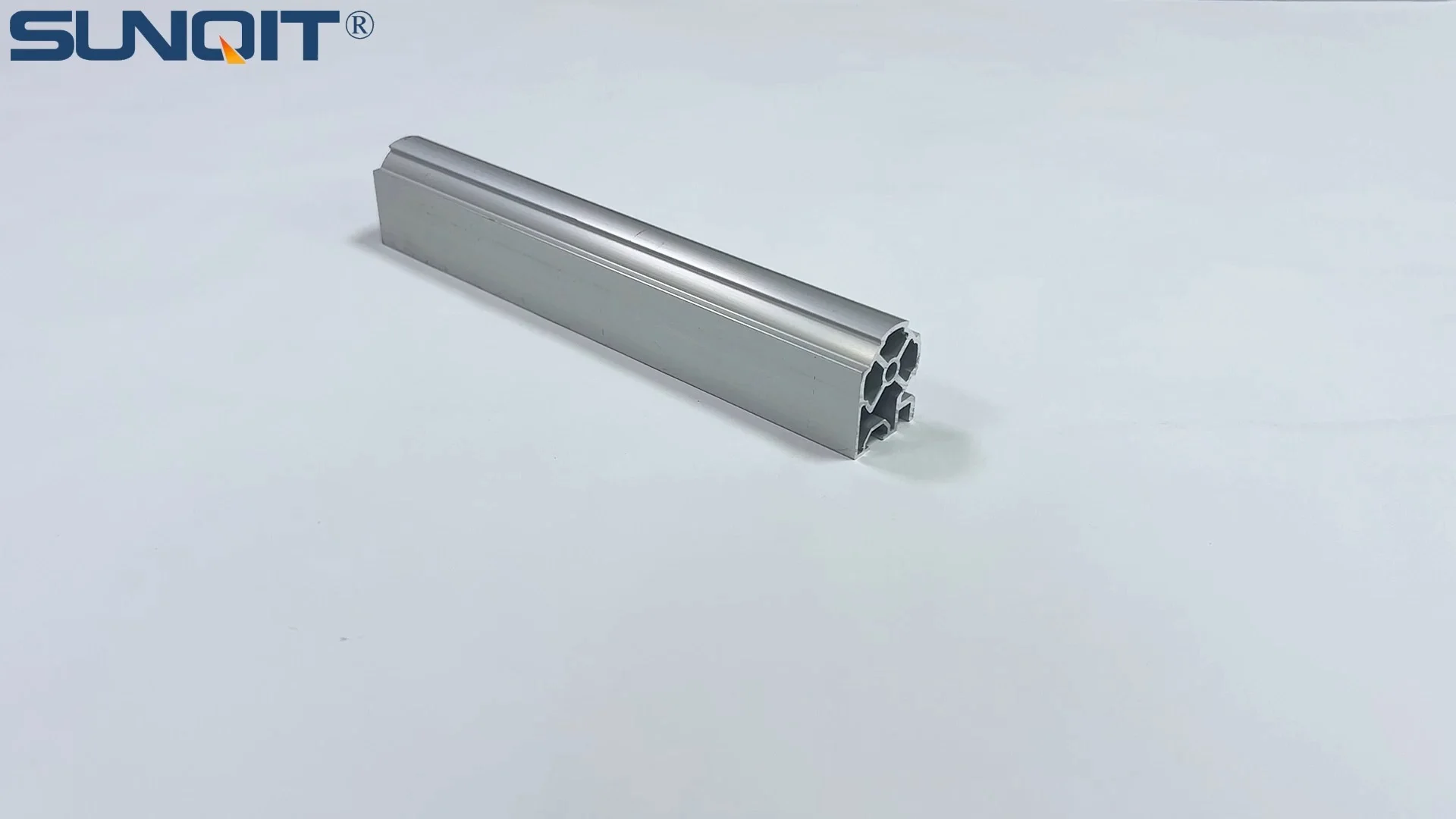
Aluminum pipe with tray holder,the pipe one side connected by a joint, the other side with a slot which can hold a tray or a aluminum pannel.
Running a small factory isn't just about making products—it's about solving puzzles. Every day, you're balancing tight budgets, limited floor space, and the need to adapt quickly as orders ebb and flow. Maybe you've struggled with clunky, fixed workbenches that can't grow with your team. Or perhaps your material storage racks take up so much room there's barely space for new equipment. If this sounds familiar, you're not alone. Small manufacturers across the globe face these same challenges, and the solution might be simpler than you think: aluminum lean pipe with tray holders.
In this article, we'll dive into why this modular system is becoming a game-changer for small factories. We'll break down how it works, why it's more flexible than traditional setups, and how it integrates seamlessly with tools like workbenches and flow racks to create a lean, scalable workspace. Whether you're assembling electronics, packaging goods, or building small parts, this system could be the key to working smarter, not harder.
What Even Is Aluminum Lean Pipe with Tray Holder?
Let's start with the basics. Aluminum lean pipe (sometimes called "aluminum pipe" or "lean tube") is exactly what it sounds like: lightweight, durable aluminum tubing designed to be modular. Unlike rigid steel pipes or flimsy plastic, aluminum lean pipe is strong enough to support tools, materials, and even heavy equipment, but light enough that one person can move and reconfigure it. The "tray holder" part? That's the clever accessory that turns plain pipes into functional storage—think of it as a shelf or basket that clips onto the pipes, holding everything from screws and washers to finished products.
But what really makes this system shine is the joints and connectors. These small, often plastic or metal pieces let you snap pipes together at any angle—90 degrees, 45 degrees, even 180 degrees for straight runs. No welding, no drilling, no calling in a contractor. With a few simple tools (or sometimes just your hands), you can build, take apart, and rebuild the entire setup in hours. It's like building with adult Legos, but for your factory floor.
And because it's aluminum, it checks all the boxes for small factories: it resists rust (important if your space is humid), it's easy to clean (no more scrubbing oil stains off steel), and it's recyclable—so if you ever need to scrap an old setup, you're not adding to landfill waste. Plus, aluminum is lighter than steel, which means your team won't strain their backs moving workstations or racks around.
Why Small Factories Can't Afford to Ignore This
Let's get real: small factories don't have the luxury of investing in custom, built-in infrastructure. When you're just starting out or operating on a shoestring budget, you need equipment that works now and can adapt later . Traditional setups—think wooden workbenches, welded steel racks, or fixed conveyor systems—fail here. They're expensive to build, impossible to reconfigure, and become obsolete the second your production needs change.
Aluminum lean pipe with tray holder fixes this in three big ways:
1. It's Budget-Friendly (No More Wasting Money on "One-and-Done" Gear)
Welding a steel workbench might seem cheap upfront, but what happens when you need to add a shelf six months later? You'll pay a welder to come back, or worse, buy an entirely new bench. With aluminum lean pipe, you just buy a few extra pipes and joints. Most suppliers sell components individually, so you only pay for what you need. And because the system is modular, you can repurpose parts from old setups. That workbench you used for assembly last year? Disassemble it, add a few tray holders, and suddenly it's a material storage rack for your new packaging line.
2. It Saves Space (Every Square Foot Counts)
Small factories live and die by floor space. A bulky, fixed rack that takes up 10 square feet might as well be a wall if you need to squeeze in a new machine. Aluminum lean pipe systems are designed to be compact. For example, a basic material rack built with aluminum pipe can hold three rows of supplies in the same space a traditional wooden rack holds two. And when you don't need it? Take it apart and store the pipes in a closet. No more permanent fixtures cluttering up your floor plan.
3. It Grows with You (Scalability Without the Headache)
Imagine this: You land a big order that doubles your production. With a traditional setup, you'd panic—where do you put the extra workstations? How do you afford new racks? With aluminum lean pipe, you just expand. Need two more workbenches? Grab some pipes, joints, and tray holders, and build them in an afternoon. Need a longer flow rack to move materials faster? Add a few more sections of roller track (yes, aluminum lean pipe works with roller tracks too!). This isn't just flexibility—it's future-proofing your factory without breaking the bank.

Workbenches and Flow Racks: The Dynamic Duo
Aluminum lean pipe with tray holder isn't a standalone solution—it's a team player. Two of its best partners are workbenches and flow racks , and together, they create a workflow that's smooth, efficient, and adaptable. Let's break down how they work together.
Workbenches: Your Team's Home Base
A workbench is where the magic happens—where your team assembles, inspects, or packages products. A traditional workbench might have a flat top and maybe a shelf underneath. An aluminum lean pipe workbench? It's a custom command center. Add tray holders above the work surface to keep tools within arm's reach. Attach small bins to the sides for screws and nails. Even add a pegboard made of aluminum profile to hang drills or tape measures. And because the legs are adjustable (thanks to leveling feet accessories), you can raise or lower the bench to fit tall or short team members—no more back pain from hunching over a bench that's the wrong height.
One small electronics factory in Ohio told me they replaced their old wooden workbenches with aluminum lean pipe versions and saw a 20% increase in productivity. Why? Because tools and parts were no longer scattered across the table—they were organized in tray holders right where workers needed them. No more wasted time searching for a missing washer or reaching across the bench for a screwdriver.
Flow Racks: Moving Materials Without the Lift
Flow racks (also called "roller racks") are the unsung heroes of material handling. They use gravity to slide materials from the back to the front, so your team can grab what they need without bending, lifting, or walking to a storage room. And when you build a flow rack with aluminum lean pipe, you get all the benefits of modularity. For example, you can adjust the angle of the rollers to control how fast materials slide (steeper for light parts, shallower for heavy ones). You can add dividers to separate different components, and yes—you guessed it—attach tray holders to the sides for small tools or labels.
A bakery in Texas used to have workers carry flour sacks from a storage room to the mixing station—back and forth, all day. Now they have an aluminum flow rack with roller tracks that runs from the storage room right to the mixer. The sacks slide down automatically, and a tray holder at the end keeps measuring cups and scoops handy. No more heavy lifting, no more trips to the storage room, and fewer mistakes from tired workers.
| Feature | Traditional Workbench/Flow Rack | Aluminum Lean Pipe with Tray Holder |
|---|---|---|
| Initial Cost | $500–$1,000 per unit (custom-built) | $200–$500 per unit (modular components) |
| Setup Time | 1–2 days (requires tools/welders) | 1–2 hours (assembled by one person) |
| Reconfigurability | Impossible (fixed structure) | Easy (disassemble and rebuild in hours) |
| Weight Capacity | High, but heavy to move | High (supports 200–500 lbs per shelf), lightweight to move |
| Maintenance | Regular painting/welding to fix rust/damage | Minimal (wipe clean, replace joints if worn) |
| Lifespan | 5–7 years (rusts, warps, or becomes obsolete) | 10+ years (aluminum resists corrosion; parts can be replaced individually) |

Real-Life Scalability: From 5 Employees to 50 (and Beyond)
Let's put this all together with a story. Meet Maria, who runs a small electronics assembly factory in Colorado. When she started, she had 5 employees and a tiny 500-square-foot space. She bought two aluminum lean pipe workbenches, a basic flow rack, and a few tray holders. Total cost? Around $1,200. Her team assembled circuit boards on the workbenches, with parts stored in the flow rack.
A year later, Maria's business boomed. She hired 10 more employees and needed more space. Instead of moving to a bigger factory (and paying higher rent), she reconfigured her aluminum setup. She took apart one workbench, added more pipes and joints, and turned it into a double-decker workstation—two employees could work side by side instead of one. She extended her flow rack with a few extra roller track sections and added a tray holder for each new employee's tools. Total cost for the expansion? $300 in extra parts. No new furniture, no new rent, just smart reconfiguration.
Two years later, Maria's factory has 50 employees and a 2,000-square-foot space. Her aluminum lean pipe system has grown with her: she now has 15 workbenches (all built from the original two), a 20-foot flow rack that feeds materials to each station, and even a small conveyor system made with aluminum pipe and roller tracks. And because she's used the same modular components from the start, her team knows exactly how to build and fix the system—no need for outside help.
This is scalability in action. It's not just about adding more stuff—it's about making the stuff you already have work harder for you. Maria didn't just buy a product; she bought a system that adapts to her business's needs, no matter how big (or small) it gets.
Why Aluminum Over Steel, Wood, or Plastic?
You might be thinking, "Okay, modular is great, but why aluminum? Why not steel, wood, or plastic?" Let's break it down:
Steel: Strong, but Slow and Heavy
Steel is strong, no doubt. But it's also heavy—so heavy that moving a steel workbench requires a forklift. It rusts, which means you'll spend time painting it every year. And welding steel takes skill—you can't just grab a wrench and reconfigure it on a Tuesday afternoon. For small factories, steel is like buying a truck when you need a bicycle: overkill and hard to maneuver.
Wood: Cheap, but Flimsy and Unhygienic
Wooden workbenches are cheap upfront, but they're a nightmare in the long run. They scratch easily, absorb oil and water (hello, mold!), and can't support heavy tools without warping. Try attaching a tray holder to a wooden bench—you'll need screws, which loosen over time, and the wood will split. Plus, wood isn't recyclable in the same way aluminum is—once it's worn out, it's trash.
Plastic: Light, but Not Strong Enough
Plastic pipes are lightweight and cheap, but they bend under heavy loads. A plastic workbench might hold a laptop, but try putting a drill press on it—it'll sag in a week. And plastic joints crack easily, especially if you're taking the system apart and rebuilding it often. For hobbyists, plastic might work. For a factory? It's a recipe for broken parts and frustrated workers.
Aluminum: The Sweet Spot
Aluminum hits that perfect balance: strong enough to support heavy tools, light enough to move by hand, resistant to rust and damage, and modular enough to reconfigure. It's not the cheapest option upfront (plastic is cheaper), but it's the most cost-effective over time. You won't replace it every few years, and you won't pay extra for maintenance or repairs.
Getting Started: Your First Steps to a Leaner Factory
Ready to try aluminum lean pipe with tray holder? Here's how to start small and build from there:
1. Audit Your Current Space
Walk around your factory and note the pain points: Is there a workstation where tools are always scattered? A storage area where workers waste time searching for parts? A bottleneck where materials pile up because there's no easy way to move them? These are your starting points. A simple workbench with a tray holder might solve the scattered tools. A small flow rack could fix the material pileup.
2. Start with One Project
Don't try to overhaul your entire factory at once. Pick one problem (e.g., "our assembly workstation is too small") and solve it with aluminum lean pipe. Buy a basic kit: a few pipes, joints, a tray holder, and maybe some leveling feet. Build it, test it for a week, and see how it works. If your team loves it, expand to the next problem. If not, you've only invested a few hundred dollars, not thousands.
3. Find a Reliable Supplier
Not all aluminum lean pipe is created equal. Look for a supplier that sells high-quality pipes (thickness matters—1.2mm or 1.5mm is standard for most factory uses), durable joints (plastic is fine for light use, metal for heavy use), and a wide range of accessories (tray holders, roller tracks, casters for moving workbenches). A good supplier will also have customer service—someone to help you design your first setup if you're not sure where to start.
Final Thoughts: Lean Systems for the Small Factory Hero
Small factories are the backbone of manufacturing—hardworking, innovative, and always adapting. But you shouldn't have to adapt around your equipment. Aluminum lean pipe with tray holder isn't just a product; it's a tool that lets you take control of your workspace. It's for the factory owner who wants to save money, the team lead who wants to reduce injuries, and the employee who just wants to do their job without fighting clunky, outdated tools.
So, what are you waiting for? Your factory floor shouldn't be a puzzle with no solution. It should be a space that works for you, grows with you, and makes every day a little easier. Aluminum lean pipe with tray holder is the first step toward that vision. Build it, use it, reconfigure it—and watch your small factory become a lean, mean, productivity machine.