- Company Articles
- Products and Technology
- Application Cases
- Aluminum Pipe with Tray Holder in Automotive Factories: Streamlining Workflow

Aluminum Pipe with Tray Holder in Automotive Factories: Streamlining Workflow
Related Product
Aluminum Pipe with Tray Holder
Aluminum pipe with tray holder,the pipe one side connected by a joint, the other side with a slot which can hold a tray or a aluminum pannel.
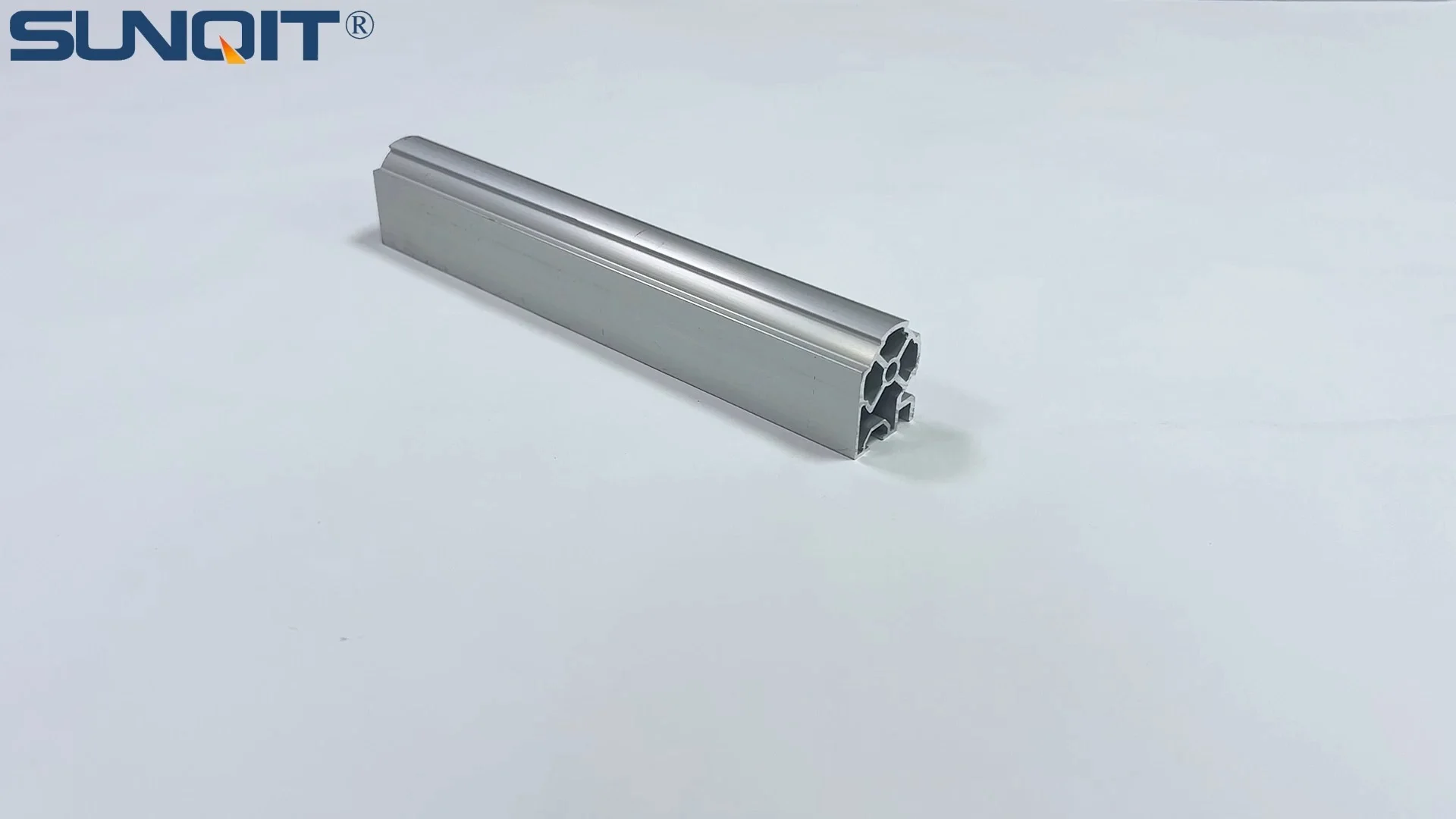
In the fast-paced world of automotive manufacturing, every second counts. A single bottleneck in material handling or a disorganized workstation can ripple through the entire production line, delaying deadlines and increasing costs. For factory managers and line workers alike, the quest for efficiency is never-ending—and it often starts with the tools and systems that form the backbone of daily operations. One such tool that's quietly revolutionizing workflows in automotive plants worldwide? The aluminum pipe with tray holder. More than just a simple storage solution, this modular system is a cornerstone of lean manufacturing, designed to eliminate waste, reduce fatigue, and keep production lines moving like well-oiled machines. Let's dive into how this unassuming setup is making a big impact.
Understanding Aluminum Pipe with Tray Holder: More Than Just Pipes and Trays
At first glance, an aluminum pipe with a tray holder might look like little more than a metal ( – shelf) with pipes. But dig deeper, and you'll find a thoughtfully engineered system built around the principles of flexibility and adaptability. At its core is the aluminum lean pipe —a lightweight, corrosion-resistant tube made from high-grade aluminum alloy. Unlike traditional steel pipes, which are heavy and prone to rust, aluminum lean pipes offer the perfect balance of strength and maneuverability, making them easy to install, reconfigure, and transport.
Pair these pipes with tray holders—modular, adjustable platforms designed to hold tools, parts, or components—and you get a system that can be tailored to almost any task. Whether it's holding small screws and bolts near an assembly station or supporting larger components like brake calipers or wiring harnesses, the tray holder's height, depth, and orientation can be tweaked in minutes. And because the entire setup relies on simple aluminum pipe accessories —think connectors, joints, and clamps—there's no need for welding or specialized tools. A worker with a basic wrench can reconfigure the system to match shifting production needs, saving hours of downtime compared to fixed steel structures.
Key Components: The Building Blocks of Efficiency
Aluminum Lean Pipe: The Foundation
The star of the show is undoubtedly the aluminum lean pipe itself. Typically ranging from 28mm to 40mm in diameter, these pipes are hollow, which keeps them lightweight (often 30-40% lighter than steel pipes of the same size) without sacrificing structural integrity. This lightness is a game-changer for automotive factories, where workers frequently need to adjust or relocate workstations. Imagine a line worker needing to shift a material rack from one side of the assembly line to another—with steel pipes, that might require two people and a forklift. With aluminum lean pipes? One person can move it by hand, saving time and reducing the risk of injury.
But aluminum's benefits go beyond weight. Its natural resistance to corrosion means it holds up well in the often humid or oily environments of automotive plants, where steel might start rusting after months of exposure. And because aluminum is non-magnetic, it's safe to use near sensitive electronic components, a must in modern automotive manufacturing where advanced sensors and wiring are common.
Aluminum Pipe Accessories: The Glue That Holds It All Together
A system is only as good as its parts, and the aluminum pipe accessories that accompany the lean pipes are where the magic happens. Take joints, for example: these small, durable connectors allow pipes to be joined at angles (90°, 45°, or even 135°) with just a twist of a bolt. No welding, no drilling—just a secure, tight fit that can be disassembled and reused countless times. Then there are the tray holders themselves, which attach to the pipes via clamps or brackets. Many tray holders come with adjustable dividers, so workers can separate different parts (e.g., nuts in one section, washers in another) to avoid mix-ups and speed up retrieval.
Other accessories, like caster wheels or leveling feet, add even more versatility. Need a mobile workstation that can follow a moving assembly line? Add locking casters to the base of your aluminum pipe frame. Working on an uneven factory floor? Leveling feet ensure the tray holder stays stable, preventing parts from sliding off. It's this modularity that makes the system so powerful: it's not a one-size-fits-all solution but a toolkit that adapts to your specific needs.

Why Automotive Factories Love It: The Benefits in Action
So, what makes aluminum pipe with tray holder a must-have in automotive plants? Let's break down the benefits that matter most to factory managers and workers.
Eliminating Waste (and Wasted Motion)
Lean manufacturing is all about cutting waste, and one of the biggest culprits is "motion waste"—the unnecessary steps workers take to retrieve tools or parts. Picture a line worker assembling a car door: if their screws are stored on a shelf 10 feet away, they might walk back and forth dozens of times per hour. Over a shift, that's hours of lost productivity. With an aluminum pipe tray holder positioned right at the workstation , parts are within arm's reach. No more walking, no more bending, no more fumbling through disorganized bins. It's a small change, but it adds up: studies show that well-placed tools and parts can reduce motion waste by up to 35%, freeing workers to focus on what they do best—building quality vehicles.
Reducing Worker Fatigue (and Injury Risk)
Automotive assembly is physically demanding work. Repetitive motions, heavy lifting, and awkward postures can lead to fatigue and long-term injuries like carpal tunnel syndrome or back pain. Aluminum pipe with tray holder addresses this by putting ergonomics front and center. Tray holders can be adjusted to the optimal height for each worker (typically elbow height, to minimize bending or reaching), and the lightweight aluminum frame means even fully loaded setups are easy to reposition if a worker needs to shift their stance. Compare this to traditional steel shelving, which is fixed in place and often requires workers to stoop or stretch to reach items—a recipe for strain. By prioritizing comfort, factories using aluminum pipe systems report lower absenteeism and fewer workers' compensation claims, a win for both employees and bottom lines.
Adapting to Change (Because Automotive Manufacturing Never Stands Still)
Automotive factories are constantly evolving. New car models are introduced, production volumes fluctuate, and processes are updated to incorporate new technologies (think electric vehicle components or advanced driver-assistance systems). In this environment, fixed infrastructure—like welded steel workbenches or permanent shelving—quickly becomes obsolete. Aluminum pipe with tray holder, however, is built for change. Need to add more storage for a new part? Just add a few extra pipes and a tray. Shifting to a new assembly process that requires the workstation to be taller? Loosen the joints, adjust the height, and retighten. It's that simple. This adaptability means factories can avoid the costly and time-consuming process of tearing down and rebuilding fixed structures, keeping them agile in a competitive market.

Practical Applications: Where Aluminum Pipe with Tray Holder Shines in Automotive Plants
To truly understand the impact of aluminum pipe with tray holder, let's look at how it's used in real-world automotive settings. From the assembly line to the warehouse, this system is proving its worth in a variety of roles.
Assembly Line Workstations: Keeping Tools and Parts Close
On the assembly line, every workstation is a hub of activity. Whether workers are installing dashboards, attaching wheels, or wiring electrical systems, they need quick access to tools and parts. Aluminum pipe tray holders are often mounted directly to the workbench or alongside the line, holding everything from torque wrenches and screwdrivers to small plastic clips and zip ties. Some setups even include tilted trays, so parts roll forward as they're used, ensuring the next item is always within reach. For example, at a European automotive plant producing electric vehicle batteries, workers use aluminum pipe tray holders to organize battery cells, cables, and connectors. The trays are divided into color-coded sections, matching the sequence of assembly, which has reduced errors by 22% and cut assembly time per battery by 15 minutes.
Material Racks: Streamlining Inventory Flow
Beyond the assembly line, aluminum pipe with tray holder excels as a material rack. In parts warehouses or staging areas, these racks keep inventory organized and accessible, ensuring that components are ready when the line needs them. Unlike static steel racks, aluminum material racks can be customized with different tray sizes (deep trays for large parts, shallow trays for small ones) and can even be combined with flow rack elements—like roller tracks—to create gravity-fed systems. For instance, a rack holding door panels might have a slight incline, so when the front panel is taken, the next one slides forward automatically. This "first-in, first-out" setup reduces the risk of parts sitting idle and expiring (e.g., adhesives or gaskets with shelf lives) and makes it easy for workers to grab what they need without digging through piles.
Mobile Carts: Taking the Work to the Worker
Not all work stays in one place. In automotive plants, some tasks—like inspecting finished components or delivering parts to multiple stations—require mobility. Aluminum pipe tray holders mounted on caster wheels solve this problem beautifully. These mobile carts are lightweight enough for one person to push but sturdy enough to carry heavy loads (up to 200kg in some cases). For example, a cart used to deliver brake components to the assembly line might have multiple trays: one for calipers, one for pads, and one for mounting hardware. Workers can roll the cart directly to the line, eliminating the need for forklifts or multiple trips. Plus, when the cart isn't in use, it can be disassembled or reconfigured for another task—no more storing unused, one-purpose carts that take up valuable floor space.
Real-World Impact: A Case Study
To put these benefits into perspective, let's look at a case study from a mid-sized automotive parts supplier in Michigan. Before adopting aluminum pipe with tray holder, the company's assembly line for fuel injectors was struggling with two major issues: frequent delays due to missing parts and high worker fatigue from bending to reach tools stored on low shelves. The production manager, Maria Gonzalez, decided to overhaul the workstations using aluminum lean pipes, tray holders, and a few key accessories.
The team started by mounting adjustable tray holders to the workbenches, positioning them at elbow height for each worker. They added dividers to separate different injector components (e.g., nozzles, O-rings, springs) and labeled each section for clarity. They also installed small tool hooks on the aluminum pipes, keeping frequently used wrenches and pliers within arm's reach. For parts that needed to be moved from the warehouse to the line, they built mobile carts with aluminum frames and flow rack-style trays, allowing parts to glide forward as they were used.
The results were striking. Within three months, the number of "missing part" delays dropped by 40%, and assembly time per injector decreased by 8 minutes. Workers reported less back and shoulder pain, and absenteeism fell by 15%. "It's like night and day," Gonzalez said in a follow-up interview. "We used to spend so much time searching for parts or adjusting to fixed shelves. Now, the workstation adapts to the worker, not the other way around. And because the aluminum system is so easy to tweak, we can update it whenever we launch a new injector model—no more waiting for a contractor to build new shelves."
| Feature | Traditional Steel Pipe Systems | Aluminum Lean Pipe with Tray Holder |
|---|---|---|
| Weight (per meter) | 8-10 kg | 3-4 kg |
| Corrosion Resistance | Low (prone to rust in humid environments) | High (aluminum oxide layer prevents rust) |
| Installation Time | 2-3 hours (requires welding/drilling) | 30-60 minutes (tool-free assembly with joints) |
| Reconfigurability | Low (difficult to modify without cutting/welding) | High (easily disassembled and reassembled) |
| Ergonomic Flexibility | Fixed height/angle (no adjustment) | Adjustable height/angle (tweak with basic tools) |
Comparing with Traditional Solutions: Why Aluminum Wins
It's worth asking: How does aluminum pipe with tray holder stack up against traditional solutions like steel shelving, plastic bins, or fixed workbenches? The table above highlights some key differences, but let's dig deeper into a few critical areas.
Cost Over Time: While aluminum lean pipes may have a slightly higher upfront cost than basic steel pipes, their long-term value is clear. Steel systems often need to be replaced every 5-7 years due to rust or damage, and reconfiguring them requires hiring contractors. Aluminum systems, by contrast, can last 10+ years with minimal maintenance, and reconfiguration is done in-house by workers. When you factor in reduced downtime, lower injury costs, and adaptability, aluminum often pays for itself within 1-2 years.
Sustainability: Automotive manufacturers are increasingly focused on sustainability, and aluminum pipe with tray holder aligns with this goal. Aluminum is 100% recyclable, and many suppliers use recycled aluminum in their pipes, reducing the carbon footprint. Additionally, the system's longevity and reusability mean less waste compared to disposable plastic bins or short-lived steel structures.
Safety: Safety is non-negotiable in automotive plants, and aluminum pipe systems have a few advantages here too. Their lightweight design reduces the risk of injury if a rack or workstation is accidentally bumped or moved. Unlike steel, aluminum doesn't conduct heat as readily, so pipes near hot machinery (e.g., welding stations) stay cooler to the touch. And because the system uses rounded joints and smooth edges (no sharp welds), there's less risk of cuts or scrapes during use.
Future Innovations: What's Next for Aluminum Pipe Systems?
As automotive manufacturing continues to evolve, so too will the tools that support it. Aluminum pipe with tray holder is no exception, with suppliers constantly innovating to make the system even more efficient. One emerging trend is the integration of smart technology: imagine tray holders with built-in sensors that track inventory levels, alerting managers when parts are running low. Or pipes with embedded RFID tags that help locate tools or equipment via a factory's IoT network.
Another area of innovation is material science. New aluminum alloys are being developed to make pipes even lighter without sacrificing strength, and tray holders are being made with recycled or plant-based plastics to boost sustainability. Some suppliers are also experimenting with magnetic tray dividers, allowing workers to rearrange sections in seconds without tools.
Conclusion: A Small Change with a Big Impact
In the grand scheme of automotive manufacturing—with its robots, AI-powered quality checks, and cutting-edge materials—an aluminum pipe with a tray holder might seem. But as any factory worker will tell you, the difference between a good day and a bad day often comes down to the small, everyday tools that make their jobs easier. Aluminum lean pipe with tray holder is one of those tools: a simple, adaptable system that puts workers first, eliminates waste, and keeps production lines flowing. It's not just about pipes and trays—it's about empowering teams to work smarter, not harder, and building a foundation for success in an industry that never stops moving.
For automotive factories looking to stay competitive, reduce costs, and keep their workforce happy and healthy, the choice is clear: it's time to lean into aluminum.